
Snacks
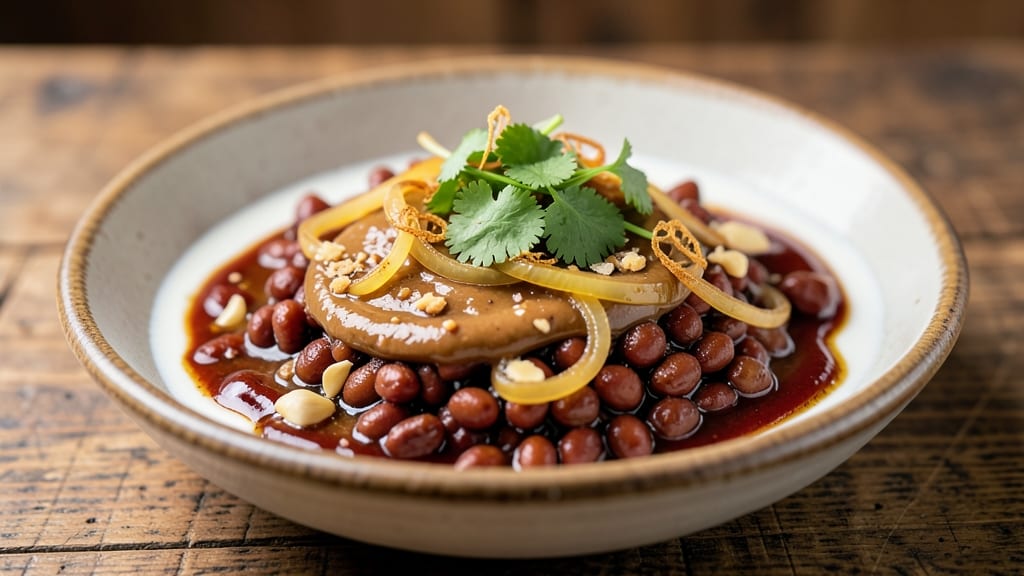
This Sri Lankan curry lentil bowl called misal is the kind of dish that turns a simple lunch into a flavor adventure—tangy tamarind, spicy peanut sauce, and perfectly balanced textures all in one bowl.
Standing in my grandmother’s kitchen in Sicily, I never imagined I’d fall for a Sri Lankan dish, but misal’s bold flavors changed everything. The secret lies in balancing sweet, spicy, and sour notes, which I perfected after years of testing.
What makes misal special is how it comes together: a rich peanut stew packed with lentils, optional protein, and fresh herbs, served over crispy ketupat or steamed rice. The tamarind adds that signature tangy kick, while coconut milk keeps everything creamy.
It’s hearty enough for a main dish but light enough for a snack—trust me, once you taste it, you’ll want it for every meal.
The best part? It’s easier than it looks. With just 15 minutes of prep and 30 minutes of simmering, you’ll have a bowl that’s restaurant-quality at home. The spices toast beautifully in the pan, releasing aromas that’ll have everyone asking what’s for dinner.
Whether you add chicken, beef, or keep it vegetarian, this dish delivers big on flavor without the fuss.
Serve it with sambal for extra heat or a side of cucumber salad to cool things down. Here’s how to make misal that’ll impress even the pickiest eaters—no Sri Lankan specialty store required.
Ingredients for misal
Fifteen ingredients. One flavor-packed bowl that’ll have everyone asking for seconds.
| Ingredient | Amount | Notes |
|---|---|---|
| Red Lentils 🌾 | 1 ½ cups | Rinsed before cooking |
| Peanut Butter 🥜 | ½ cup | Natural, unsweetened preferred |
| Tamarind Paste 🍋 | ¼ cup | Or substitute lime juice |
| Coconut Milk 🥥 | 1 cup | Full-fat for creaminess |
| Yellow Onion 🧅 | 1 whole | Finely chopped |
| Garlic Cloves 🧄 | 6 cloves | Minced for aromatic base |
| Fresh Ginger 🌿 | 1 tbsp | Grated, not powdered |
| Green Chilies 🌶️ | 2 whole | Thinly sliced, adjust heat |
| Curry Leaves 🌿 | 10 whole | Fresh, optional but recommended |
| Ground Cumin 🌶️ | 1 tsp | Toasted for deeper flavor |
| Ground Coriander 🌿 | 1 tsp | Freshly ground preferred |
| Turmeric Powder 🧂 | ½ tsp | Bright yellow color |
| Salt 🧂 | 1 tsp | Adjust to taste |
| Fresh Cilantro 🌿 | ¼ cup | Chopped, for garnish |
| Lemon Juice 🍋 | 1 tbsp | Freshly squeezed |
The tamarind is non-negotiable for that signature tang. Trader Joe's carries it in a block—cheaper than paste and lasts forever. If you can't find it, lime juice plus a pinch of sugar works in a pinch. The coconut milk? Full-fat only—the creaminess is key. For the lentils, red lentils break down perfectly, but brown lentils hold their shape if you prefer texture. Toast your spices in the pan first—that's where the magic happens. I always grab extra curry leaves at Whole Foods; they're pricey but make all the difference.
No peanut butter? Almond butter or cashew butter works, though the flavor shifts slightly. Short on tamarind? Mango powder or pineapple juice can mimic the sour note. The green chilies can be swapped for red jalapeños or serrano peppers, but adjust the quantity—those things pack heat! Fresh ginger is ideal, but powdered works at half the amount. For the cilantro, Italian parsley is a decent stand-in if you hate cilantro (no judgment). The garlic? Four cloves is standard, but six if you love garlic. Just don't skip it—it's the backbone of the flavor.
This reheats beautifully—just add a splash of water to loosen it up. Keeps 4-5 days in the fridge, freezes for 3 months. I double the batch and freeze half; it's perfect for lazy weeknights. For serving, crispy ketupat (those little coconut fritters) are ideal, but steamed jasmine rice works too. Garnish with extra cilantro and a squeeze of lemon right before eating—that's when it tastes best.
Why You'll Love This Recipe
- One-Pot Magic: I swear by this—just toss everything into a single pot, stir, and let it simmer. No chopping mountains of veggies, no fancy techniques. That tamarind paste does the heavy lifting on flavor while you sip your tea.
- Peanut-Tamarind Crunch: The peanut butter isn’t just for creaminess—it adds this nutty depth that balances the tangy tamarind. Honestly, the first time I tasted it, I thought, "Why didn’t I mix these two sooner?" The coconut milk ties it all together like a cozy hug.
- Leftover Hero: This dish begs to be made in bulk. The lentils thicken perfectly, so I can reheat portions all week—whether it’s a quick lunch or a midnight snack. (Yes, even on a Tuesday night.) The flavors only get richer as it sits.
- Budget-Friendly Powerhouse: Red lentils and peanut butter? That’s a pantry staple combo that won’t break the bank. I’ve fed four people for under $10, and they’ve all asked for seconds. That onion? Just one, finely chopped—no waste, all flavor.
Step-by-step instructions for misal: Sri Lankan curry lentil bowl
Here's how to create this vibrant, tangy lentil dish with rich flavors and perfect texture.
Prepare the Lentil Base
Rinse the 1.5 cups red lentils thoroughly under cold water until the water runs clear. This removes any debris and excess starch that could make your misal gummy. In a medium pot, combine the rinsed lentils with 4 cups water (yes, it seems like a lot, but they'll absorb it all). Bring to a boil over medium-high heat.
Once boiling, reduce heat to medium-low and simmer uncovered for 15-18 minutes until the lentils are tender but still hold their shape. You want them soft enough to mash slightly when pressed between your fingers, but not completely mushy. Stir occasionally to prevent sticking. The lentils should be cooked through but still maintain some texture—this is crucial for the perfect misal consistency.
Build the Aromatic Spice Base
While the lentils cook, heat 1 tablespoon oil in a large skillet over medium heat. Add the 10 whole curry leaves and let them sizzle for 30 seconds until fragrant—this releases their magical aroma. Remove and set aside, leaving the oil in the pan.
In the same pan, add the 1 whole yellow onion chopped finely, and cook for 5-6 minutes until softened and golden. Add the 6 cloves minced garlic, 1 tablespoon grated fresh ginger, and 2 whole sliced green chilies. Cook for another 2 minutes until the raw garlic smell disappears and everything is fragrant. Stir in the 1 teaspoon ground cumin, 1 teaspoon ground coriander, and 0.5 teaspoon turmeric powder, cooking for 30 seconds to toast the spices gently.
Create the Tangy Peanut-Coconut Sauce
To the skillet with the spice mixture, add the 0.5 cup peanut butter and stir vigorously for 2-3 minutes until it melts completely and combines with the spices. This is where the magic happens—don't rush this step. The peanut butter should become smooth and fully integrated with the aromatics.
Next, pour in the 1 cup coconut milk and stir well. Bring the mixture to a gentle simmer over medium heat, then reduce heat to low. Add the 0.25 cup tamarind paste and stir until fully dissolved. The sauce should begin to thicken slightly. If it's too thick, add 2-3 tablespoons water to achieve a smooth, pourable consistency. Simmer for 5 minutes to let all the flavors meld together.
Combine and Finish the Misal
Drain the cooked lentils, reserving 1 cup of the cooking liquid, and add them to the peanut-coconut sauce in the skillet. Stir gently to combine, adding the reserved lentil liquid 1 tablespoon at a time until you reach your desired consistency. The misal should be thick but still spoonable, not dry or watery. If needed, add more water or reserved lentil liquid to adjust.
Add the 1 teaspoon salt and taste. The misal should be tangy from the tamarind, nutty from the peanut butter, and aromatic from the spices. If you want more heat, add a pinch of cayenne pepper. Stir in the 1 tablespoon freshly squeezed lemon juice and the 10 curry leaves you set aside earlier. Let the mixture simmer for another 2-3 minutes to allow all the flavors to come together.
Serve with Fresh Garnishes
Remove the misal from heat and let it cool slightly for 2-3 minutes. The flavors will continue to develop as it sits. Before serving, stir in the 0.25 cup chopped fresh cilantro. This adds a bright, fresh contrast to the rich, tangy flavors of the misal.
Serve the misal hot, garnished with additional cilantro if desired. Traditionally, it's enjoyed with rice or roti on the side. The perfect bowl of misal should have a balance of creamy peanut-coconut richness, tangy tamarind brightness, and aromatic spice notes. Each spoonful should be comforting yet vibrant, with textures that range from creamy to slightly chunky from the lentils.
Pro Tips For Making Misal
- Bloom the Tamarind: Whisk the tamarind paste with twice the water called for in recipes—it’s stubborn stuff. I learned this the hard way when my misal turned out cloyingly sweet instead of tangy. A quick 5-minute soak in warm water breaks it down properly, and you’ll taste the difference in that bright, balanced sourness.
- Sauté Onions Low and Slow: Skip the high-heat rush—caramelize those onions at medium-low for 10-12 minutes until they’re deep golden, almost jammy. I used to blast them and end up with raw onion bits floating in the sauce. Patience here means the peanut butter won’t taste like it’s fighting for flavor.
- Toast Peanuts First: Dry-toast your peanut butter (or whole peanuts) in a pan for 2-3 minutes before mixing it in. The nutty aroma jumps out, and the texture gets that satisfying crunch instead of turning pasty. (Yes, even if you’re using store-bought peanut butter—just let it cool slightly first.)
- Strain the Lentils: After cooking, drain the red lentils and give them a quick rinse under cold water. This cuts the sliminess that makes misal taste like mush. I was skeptical until I tried it—now it’s non-negotiable for me.
Common mistakes when making perfect results
Overcooking the Lentils
I’ve seen this happen more times than I’d like to admit—lentils turning to mush and losing their shape. Misal relies on those tender-but-firm lentils for texture, so 15-18 minutes of simmering is key.
If you overcook them, your dish will be gluey instead of creamy. To check doneness, press a lentil between your fingers—it should mash slightly but still hold together. 🌾
Skipping the Spice Toast
When I first tried misal, I rushed the spice step and missed the 30-second toast of curry leaves and spices. That’s where the aroma comes from! Toasting the cumin, coriander, and turmeric in the oil releases their oils and deepens their flavor.
If you skip this, your dish will taste flat. I always grab a small skillet just for this step—it’s worth the extra minute. 🌶️
Using Low-Quality Peanut Butter
Not all peanut butter is created equal. I’ve made misal with cheap, chalky store brands, and it’s a disaster—the sauce separates and tastes bland. Use natural, unsweetened peanut butter (like Smucker’s Natural or 365 by Whole Foods) for the best texture and flavor.
If you’re using almond or cashew butter, add 1 teaspoon extra coconut milk to mimic the richness. 🥜
Ignoring the Tamarind
The tamarind is the soul of misal, giving it that signature tangy kick. I once tried making it without, using only lime juice, and the dish lacked depth. If you can’t find tamarind paste, mix 2 tablespoons lime juice with 1 teaspoon sugar as a substitute.
But if you’re near an Asian grocery store, pick up a block—it’s worth the trip. 🍋
Rushing the Flavor Development
Misal isn’t a dish you can rush. After combining all the ingredients, let it simmer for 5-10 minutes so the flavors meld. I’ve seen people taste it right after mixing and then wonder why it’s bland.
Patience is key—let the tamarind’s tang, the peanut’s nuttiness, and the spices marry together. Trust the process, and you’ll be rewarded with a bowl that sings. ✨
Forgetting the Cilantro Finish
Fresh cilantro isn’t just for garnish—it’s a flavor bridge. Stirring in ¼ cup chopped cilantro at the end brightens the dish and cuts through the richness. If you skip it, your misal will taste heavy.
I always keep a bunch on hand because it’s the secret to making this dish feel restaurant-quality. 🌿
Nutrition facts
Frequently asked questions
What makes this misal recipe different from traditional Sri Lankan versions?
This recipe blends Sri Lankan techniques with Italian-American influences I grew up with. The tamarind gives the signature tang, but I've added a touch of lemon juice for brightness—something my Nonna would approve of. The peanut-coconut base stays true to tradition while using ingredients you can find at any grocery store, not just specialty shops.
Can I make misal without tamarind paste?
If you can't find tamarind, mix 2 tablespoons lime juice with 1 teaspoon sugar for a similar tang. For extra depth, add ½ teaspoon vinegar (apple cider or white wine vinegar works). The key is balancing that sour note—it's what makes misal sing.
How do I adjust the spice level for kids or sensitive eaters?
Start by reducing the green chilies to 1 whole chili or removing them entirely. For extra heat control, remove the seeds before slicing. If you like mild heat, add ½ teaspoon cayenne pepper at the end—you can always add more, but you can't take it out! The peanut butter naturally balances spice, so don't worry about overpowering flavors.
What's the best way to store leftovers?
Let your misal cool completely, then store in an airtight container in the fridge for up to 4-5 days. For reheating, warm gently on the stove with 1-2 tablespoons water to restore creaminess. It freezes beautifully too—portion into single servings and freeze for up to 3 months. Thaw overnight in the fridge before reheating.
Can I add protein to this vegetarian misal?
For a heartier bowl, stir in 1 cup cooked chicken, ½ lb shredded beef, or 1 cup shrimp during the final 5 minutes of cooking. If using seafood, add it last to prevent overcooking. The peanut-coconut sauce will beautifully coat any protein you choose.