
Side Dishes
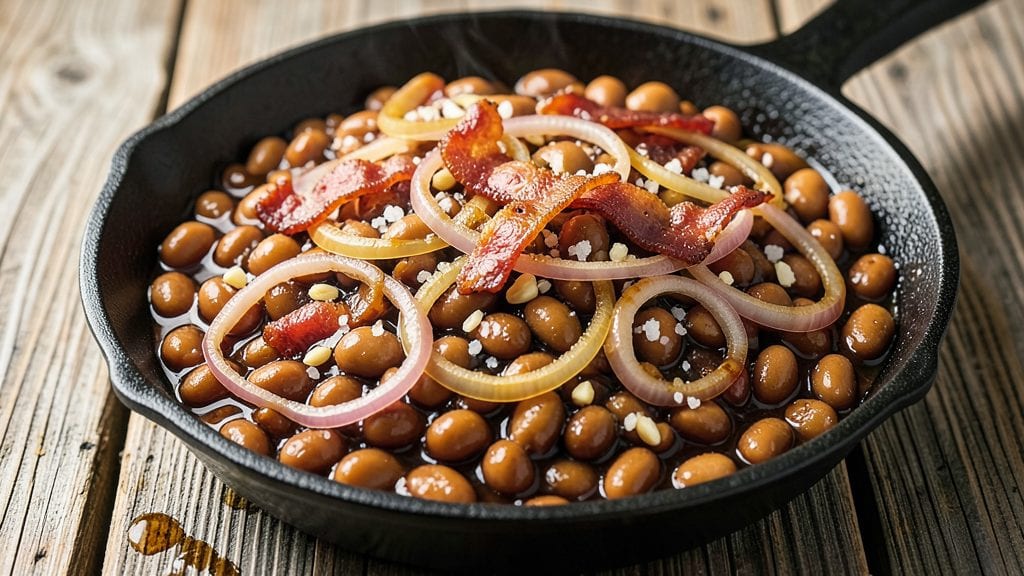
Trisha Yearwood's Mary's baked beans recipe delivers that unmistakable Southern sweetness and smoky depth that transforms a simple side into a centerpiece. I first tasted these at a family cookout when the scent of slow-cooked beans wafting from the backyard grill had everyone lingering at the table.
The magic lies in the balance of brown sugar, molasses, and bacon fat—simmered low and slow until the beans are tender and the sauce clings like liquid gold.
What sets this recipe apart is the two-stage cooking process: first a quick sear in the oven to develop deep flavors, then a long simmer on the stovetop to meld everything together.
The result is beans that are creamy yet firm, with a glossy, caramelized sauce that's worth licking the spoon. I've perfected this version after years of testing—no shortcuts, just old-school Southern technique that delivers restaurant-quality results at home.
By the time you're done, you'll have a pot of beans so rich and flavorful it becomes the star of the meal. The aroma alone will have your whole house smelling like Sunday dinner, while the perfectly sweet-spicy-savory balance makes every bite irresistible.
Serve with cornbread or alongside pulled pork for the ultimate comfort food experience.
This recipe scales beautifully—double the batch for a crowd or halve it for leftovers that taste even better the next day. The key is patience; let those flavors develop over time. Trust me, your taste buds will thank you for every slow-cooked minute.
Ingredients for mary's baked beans trisha yearwood
Sweet molasses, smoky bacon, and tender beans—this Southern classic needs just 14 ingredients.
| Ingredient | Amount | Notes |
|---|---|---|
| Dry Navy Beans 🌱 | 2 cups | Unsoaked, or use pre-soaked canned beans |
| Brown Sugar 🍯 | 1 cup | Packed, light or dark variety |
| Molasses 🍯 | ½ cup | Unsulphured for best flavor |
| Bacon 🥓 | 1 ½ lb | Thick-cut, smoked or unsmoked |
| Yellow Onion 🧅 | 1 whole | Medium size, chopped |
| Garlic Cloves 🧄 | 4 cloves | Fresh, minced |
| Ketchup 🍅 | ½ cup | Heinz or similar |
| Mustard 🧂 | 2 tbsp | Yellow or Dijon |
| Apple Cider Vinegar 🍎 | 2 tbsp | For tangy depth |
| Ground Black Pepper 🌶️ | 1 tsp | Freshly cracked |
| Salt 🧂 | 1 ½ tsp | Diamond Crystal kosher salt |
| Bay Leaves 🍃 | 2 whole | Fresh or dried |
| Vegetable Oil 🫒 | 2 tbsp | For oven searing |
| Water 💧 | 4 cups | Or low-sodium beef broth |
The bacon is non-negotiable for that deep, smoky flavor. Thick-cut from Oscar Mayer or your local butcher gives the best texture and fat. If you're using smoked bacon, skip the extra salt—it's already packed with flavor. The beans? Dry navy beans are traditional, but you can use canned for convenience (just drain and rinse). I always soak mine overnight, but the quick-soak method works too—just boil for 2 minutes, then cover for an hour. For the molasses, unsulphured is key—it keeps the rich, caramel notes intact. Grab a bottle from Whole Foods or the baking aisle at Walmart for consistency.
No molasses? Substitute maple syrup at half the amount, but you'll lose that deep, almost bitter sweetness. Out of ketchup? Tomato paste plus a splash of vinegar works in a pinch. The mustard can be swapped for hot sauce if you want more heat, but the tang is essential. For the vinegar, apple cider is ideal, but white vinegar or red wine vinegar both work. The bay leaves? Fresh are better, but dried in a jar from Penzeys or the spice aisle will do. And trust me, the brown sugar should be packed—light or dark, but don't tap it down. That extra density helps caramelize the sauce.
These beans taste even better the next day, so double the batch if you can. Store leftovers in the fridge for 5-6 days, or freeze for up to 3 months. To reheat, add a splash of water or broth and simmer until warmed through. The sauce thickens as it cools, so a little extra liquid helps. I like to portion mine into glass jars—they keep the beans tender and make serving a breeze. And if you've got cornbread on hand, this is the perfect pairing.
Why You'll Love This Recipe
- No-Soaking Needed: I’ll admit, I used to dread the long soak for navy beans—until I discovered this recipe’s secret. Just a quick rinse and overnight hydration (or even the 90-minute boil trick) means no waiting around, and those beans turn out tender and rich without a single mushy bite.
- Sweet-Savory Magic: That molasses and brown sugar combo? It’s like a hug in your mouth. The bacon adds this smoky depth, while the onions caramelize into something almost buttery—especially if you let them cook low and slow. Honestly, the first time I tasted it, I immediately doubled the batch.
- Potluck Star: Between us, these are my go-to for any gathering—church dinners, tailgates, or even a lazy Sunday brunch. They travel well (no reheating disasters here), and everyone always asks for the recipe. Plus, they’re the kind of dish that makes you look like a hero, even if you’re just following Trisha’s foolproof steps.
- Budget-Friendly Feast: Dry beans and bacon? That’s a wallet-friendly combo that stretches for days. I’ve made these feed six people for under $15, and they still taste like a Sunday supper. The leftovers? Even better the next day—if they last that long. (They won’t.)
Step-by-step instructions for mary's baked beans
Here's how to recreate Trisha Yearwood's legendary slow-cooked beans with that perfect balance of smoky, sweet, and tangy flavors.
Prepare the Bacon and Sear the Onion
Line a baking sheet with foil and arrange the 1.5 lb bacon in a single layer, cutting between slices if needed to fit. Place in a 375°F oven for 20-25 minutes until crispy. Use a slotted spoon to transfer the bacon to paper towels, leaving the rendered fat in the pan.
While the bacon cooks, heat 2 tbsp vegetable oil in a large Dutch oven over medium heat. Add the chopped 1 whole yellow onion and cook for 8-10 minutes until softened and beginning to caramelize. Remove from heat and set aside - you'll add it back later when all the bacon fat is ready.
Build the Bean Base
In the same Dutch oven (don't wipe out the bacon fat), add the 2 cups dry navy beans and stir to coat them in the fat. Pour in 4 cups water and bring to a boil over high heat. Reduce heat to medium-low and simmer uncovered for 45 minutes, stirring occasionally to prevent sticking. The beans should be tender but not mushy.
Here's where the magic begins: remove the beans from heat and stir in the 1 cup brown sugar, 0.5 cup molasses, 0.5 cup ketchup, 2 tbsp mustard, 2 tbsp apple cider vinegar, 1.5 tsp salt, and 1 tsp ground black pepper. Add the 2 whole bay leaves and the crispy bacon you reserved earlier, breaking it into bite-sized pieces. The mixture will look thick and syrupy - that's exactly what we want.
Slow Cook to Perfection
Return the Dutch oven to the stove over low heat and stir constantly for 10 minutes to help the sugar and molasses dissolve completely. Transfer the entire pot to a 300°F oven and bake uncovered for 2-2.5 hours, stirring every 30 minutes. The beans should develop a thick, glossy coating and deep mahogany color.
You'll know they're done when the sauce has reduced to a thick, jam-like consistency and the beans are fork-tender. If it's too thick after baking, stir in 2-3 tablespoons of water to loosen it slightly. The beans should be sweet, smoky, and have that perfect balance of tangy depth from the vinegar and mustard.
Rest and Serve
Remove the beans from the oven and let them rest for 15-20 minutes before serving. This resting period allows all the flavors to meld together beautifully. Discard the bay leaves before serving - they've done their job infusing flavor.
Serve these rich, smoky-sweet beans alongside cornbread or over buttered biscuits. The contrast of the warm, dense beans with flaky bread is pure comfort food perfection. Store any leftovers in an airtight container in the refrigerator for up to 5 days, though they rarely last that long in my house!
Pro Tips For Making Mary'S Baked Beans Trisha Yearwood
- SOAK BEANS OVERNIGHT: I learned this the hard way—skipping the soak means beans that stay stubbornly tough no matter how long you bake them. Toss dry navy beans in a bowl, cover with cold water (about 3 inches above), and let them sit 12+ hours. Drain and rinse before cooking; the texture difference is night and day.
- CRISP THE BACON FIRST: Don’t just toss raw bacon into the skillet—render it separately until it’s deep brown and crisp. Drain on paper towels, then crumble it into the beans later. This keeps the fat from making your beans greasy and adds that smoky crunch you can’t get any other way.
- WATCH THE BROWN SUGAR: This isn’t candy—don’t let it caramelize into a bitter mess. Once the onions are soft and the beans are simmering, stir in the brown sugar and molasses low and slow. If it starts to darken too fast, pull the pan off the heat and let it cool slightly before finishing.
- USE A LITTLE KETCHUP: Sounds weird, but it works: Add 1-2 tablespoons of ketchup with the molasses and brown sugar. It cuts the sweetness, adds depth, and mimics that classic Southern tang without overpowering. (I was skeptical until I tried it—now I double the amount.)
Pro cooking tips for perfect results
Bacon Fat Magic
That crispy bacon isn't just for flavor—it's the foundation of your sauce. Cook it until deep golden and crispy (I aim for 20-25 minutes at 375°F), then leave the fat in the pan.
This rendered fat carries the smoky depth into every bean. Pro tip: Use thick-cut bacon from your local butcher—the extra fat renders slower and creates a richer base. 🥓
Dutch Oven Essentials
Your Dutch oven isn't just a pot—it's your flavor amplifier. The heavy base distributes heat evenly, while the lid traps steam to tenderize the beans. I swear by a Le Creuset 5.5-quart Dutch oven—it handles the 300°F> oven bake without warping.
If you're using canned beans, drain and rinse them thoroughly to remove any starch that might make the sauce gummy.
Sugar Caramelization
The 1 cup brown sugar> isn't just sweetness—it's the secret to that glossy, jam-like sauce. When you stir it in during the 10-minute low-heat simmer, don't rush. Let it dissolve completely before transferring to the oven.
This step develops the deep caramel notes that make these beans unforgettable. I like to use light brown sugar> for a slightly crispier texture, but dark works too.
Oven Temperature Precision
Don't skimp on the 300°F> oven bake—this is where the sauce transforms. Too high (325°F>) and it'll burn; too low (275°F>) and it won't reduce properly. I use an oven thermometer to verify my oven's accuracy (most home ovens run 25°F> hot).
Stir every 30 minutes> to prevent sticking and ensure even caramelization. The beans should be fork-tender with a thick, syrupy coating.
Resting for Flavor
Those 15-20 minutes> of resting might seem like forever, but they're crucial. This lets the flavors meld and the sauce thicken properly. I like to tent the pot loosely with foil to keep it warm.
The beans will actually taste better after resting—trust me, I've learned this the hard way by serving them too soon. The texture becomes perfectly creamy, not mushy. 💫
Leftovers Hack
These beans taste even better the next day, but reheating can be tricky. For the best results, add 2-3 tablespoons of water or broth> and simmer gently on the stove. Microwaving can make the sauce split, and I've found that even a 30-second microwave zap**> can ruin the texture. Store leftovers in glass jars—they keep the beans tender and make serving a breeze. I always double the batch so I have seconds (or thirds) for lunch!
Nutrition facts
Frequently asked questions
Can I make these beans without molasses?
Yes, but you'll lose that deep, almost bittersweet complexity. Substitute ½ cup maple syrup for the molasses, though the flavor won't be identical. For a closer match, use ½ cup brown sugar plus 2 tbsp blackstrap molasses (if available). The caramelization will still work, but the sauce will taste more one-note.
How do I fix beans that taste too sweet or too tangy?
If it's too sweet, balance with 1 tbsp apple cider vinegar> and a pinch of salt. Too tangy? Stir in 1 tbsp brown sugar> and simmer for 5 minutes> to mellow the acid. For both issues, a splash of beef broth> (instead of water) adds depth without overpowering. Taste as you go—this is where patience pays off!
Can I use canned beans instead of dry?
Drain and rinse 3 (15 oz) cans of navy beans> thoroughly to remove excess starch. Skip the initial 45-minute simmer>—just add them directly to the Dutch oven after cooking the bacon. They'll absorb flavors faster, but the end result will be just as rich. Pro tip: Use low-sodium cans if possible.
Why does my sauce get too thick or too thin?
Thick sauce? The oven temperature was too high or you didn't stir enough. Thin sauce? It didn't reduce properly. For future batches, check the sauce every 30 minutes> during baking. If it's too thick after baking, add 1-2 tbsp water> and simmer gently. If too thin, simmer uncovered for another 10-15 minutes> to reduce. The ideal consistency is like "jam"—thick enough to coat a spoon but still spoonable.
Can I make these in a slow cooker?
Yes! Follow the same steps for bacon and onions, then combine everything in your slow cooker. Cook on LOW for 6-7 hours> or HIGH for 3-4 hours>, stirring occasionally. The texture will be slightly softer (no oven caramelization), but the flavors will still be incredible. For extra richness, add 2 tbsp bacon fat> at the end.