
Side Dishes
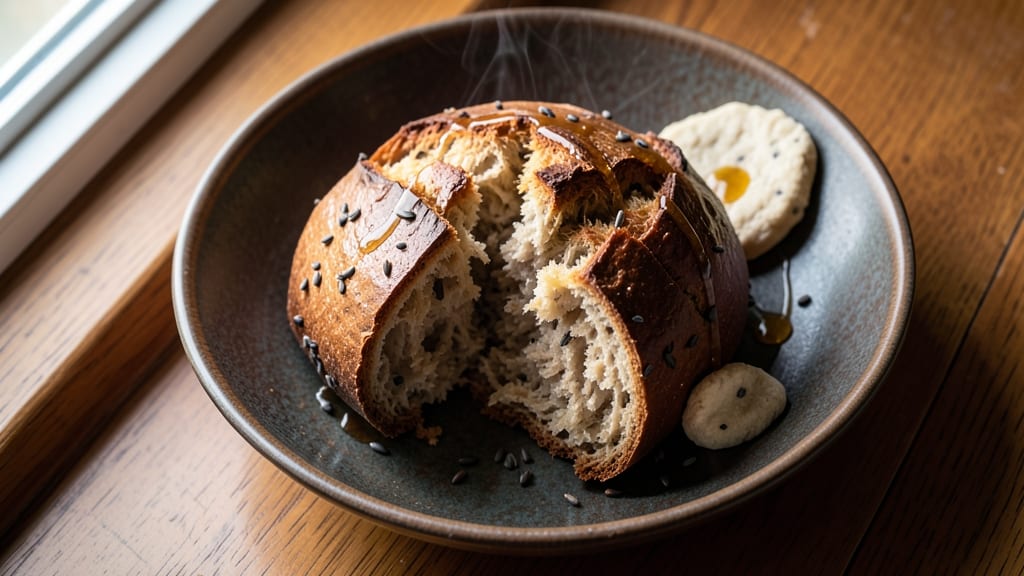
This authentic Russian black bread recipe delivers the dense, slightly sour flavor and deep fermentation that define traditional borodinsky bread. The secret lies in a long fermentation process that develops complex, tangy notes—something store-bought loaves can never replicate.
I've perfected this method over years of baking, using a simple starter and rye flour blend that creates that signature dark crust and moist interior.
The beauty of this recipe is its simplicity once you understand the key steps: feeding your sourdough starter daily for a week, kneading the dough just until it comes together, and baking with steam for that signature crust.
No fancy equipment is needed—just time and patience. The result is a loaf with a crispy, dark exterior and a tender, slightly chewy interior that's perfect for sandwiches or serving alongside soups.
What makes this bread truly special is its authentic flavor profile—deep, earthy, and just a touch sour from the long fermentation. The crust develops a beautiful dark color and satisfying crunch, while the interior remains soft and moist.
This is bread that tells a story with every bite, transporting you to the bakeries of Moscow or St. Petersburg.
For those who want to explore variations, you can add seeds or herbs to the dough, though the classic version relies on rye flour and a simple starter. The bread keeps well for several days when wrapped properly, making it ideal for meal prep.
Let's get started on creating this traditional Russian staple in your own kitchen.
Ingredients for authentic russian black bread
Fourteen ingredients transform into dense, tangy Russian black bread with a dark crust and moist interior.
| Ingredient | Amount | Notes |
|---|---|---|
| Active Sourdough Starter 🍞 | 1 cup | 100% hydration, bubbly and active |
| Dark Rye Flour 🌾 | 3 cups | For authentic deep flavor |
| All-Purpose Flour 🌾 | 1 ½ cups | White or whole wheat |
| Water 💧 | 1 ½ cups | Room temperature preferred |
| Granulated Sugar 🍚 | ½ tsp | Feeds starter for fermentation |
| Salt 🧂 | 1 ½ tsp | Fine sea salt preferred |
| Instant Yeast 🍄 | ¼ tsp | Optional for extra rise |
| Sesame Seeds 🌰 | 1 tbsp | For traditional crust topping |
| Poppy Seeds 🌱 | 1 tbsp | Optional garnish |
| Cornmeal 🌽 | ¼ cup | For dusting baking sheet |
| Ice Cubes ❄️ | 2 pieces | For steam during baking |
The sourdough starter is the heart of this bread. King Arthur or Bob's Red Mill flours work best for the rye blend—look for dark rye flour labeled 'pumpernickel' or 'rye meal' at specialty stores like Penzeys or Whole Foods. If you don't have a starter, begin one 7 days before baking using equal parts rye flour and water. The sugar feeds your starter, so don't skip it (even though it's just half a teaspoon). For the flours, sift them together before mixing to avoid lumps—this bread's texture depends on even distribution.
No dark rye flour? Substitute whole wheat flour plus 1 tbsp molasses for depth, though the flavor won't be identical. Sesame seeds hard to find? Toasted sunflower seeds work as a neutral alternative. The yeast is truly optional—this bread relies on the long fermentation for its signature tang, but adding it cuts the wait time by 2 hours. For the seeds, toast them in a dry pan for 2 minutes to enhance their flavor. The ice cubes create steam during baking (the secret to that crackly crust), so don't skip them—just toss them in the oven when you place the bread in.
This dough keeps for 3 days in the fridge before baking—perfect for meal prep. Once baked, wrap the loaf in a clean kitchen towel and store at room temperature for 2 days or freeze for 3 months. The bread reheats beautifully in a 350°F oven for 5 minutes to restore that fresh-from-the-oven crunch. I always bake two loaves—one for sandwiches and one to freeze for lazy days. The crust gets harder as it cools, so slice it when still warm if you're impatient (like me).
Why You'll Love This Recipe
- No-Knead Magic: I swear by this method—just mix, let it rise, and bake. The sourdough starter does all the heavy lifting while you sip tea or scroll through your phone.
- Tangy, Toasty Crunch: That dark rye flour gives it a deep, almost caramelized bite, while the sourdough adds a subtle tang. Honestly, the first slice is like a warm hug for your taste buds.
- Weeknight Workhorse: I keep a loaf in the freezer for lazy mornings—just toast it straight from frozen. Perfect for breakfast sandwiches, charcuterie boards, or even as a side for soup.
- Pantry Stretch: Rye flour is affordable, and you only need a handful of ingredients. Between us, this bread costs a fraction of what store-bought artisanal loaves do—and it’s way better.
Step-by-step instructions for authentic Russian black bread
Here's how to craft this traditional sourdough loaf with its signature dark crust and deep, tangy flavor.
Mix the Dough with Precision
In a large mixing bowl, combine the 1 cup active sourdough starter, 3 cups dark rye flour, 1.5 cups all-purpose flour, 1.5 cups water, 0.5 tsp granulated sugar, and 1.5 tsp salt. I like to use my hands for this part—it helps develop the gluten better than a mixer would. Knead the dough vigorously for about 10 minutes until it becomes smooth and elastic, pulling away from the sides of the bowl.
Real talk: This dough will be denser than Western bread doughs. That's normal—it's what gives Russian black bread its distinctive texture. If it feels too sticky, add 1 tablespoon of all-purpose flour at a time until it's manageable. The dough should be soft but not wet, and it should spring back slowly when poked.
First Fermentation for Deep Flavor Development
Shape the dough into a round loaf and place it in a lightly oiled bowl. Cover with a damp kitchen towel and let it rise at room temperature for 4 to 6 hours. You're aiming for about 50% increase in volume. I know it seems long, but this slow fermentation builds those complex flavors that make this bread truly authentic.
Here's the thing—don't rush this step. The longer it ferments, the more tangy and developed the flavor becomes. You'll know it's ready when the dough has puffed noticeably and leaves a gentle indent when pressed with your finger. If your kitchen is cold, extend this to 8 hours. The goal is flavor, not speed.
Shape and Prepare for Second Rise
Turn the dough out onto a lightly floured surface and shape it into a round loaf about 8 inches in diameter. Place it on a parchment-lined baking sheet and cover again with the damp towel. Let it rise for another 2 to 4 hours at room temperature until it's nearly doubled in size. This second rise is crucial for that airy interior Russian black bread is known for.
I like to do this shaping in the evening so the bread can ferment overnight in the fridge. If you're short on time, you can skip the overnight cold proof and proceed directly to baking after the room-temperature rise. Just know that the overnight version will have more depth of flavor.
Prepare for Baking with Traditional Techniques
Preheat your oven to 425°F. Sprinkle the 0.25 cup cornmeal evenly over the baking sheet. This creates a crispy bottom crust that's characteristic of authentic Russian black bread. Scatter the 1 tbsp sesame seeds and 1 tbsp poppy seeds evenly over the top of the dough, pressing them lightly into the surface.
Add the 2 pieces ice cubes to the baking sheet near the dough. As they melt, they'll create steam that helps develop that signature dark crust. This might seem unusual, but it's a traditional technique that works wonders. Bake for 35 to 40 minutes until the crust is deep brown and the internal temperature reaches 190°F.
Cool and Enjoy with Patience
Remove the bread from the oven and let it cool on a wire rack for at least 1 hour. I know it's tempting to slice into it immediately, but that steam is what makes the interior tender. The bread will continue to firm up as it cools, and that's when you'll get that perfect crumb structure.
For the most authentic experience, serve this bread warm with butter or with your favorite soups. The crust should be dark and crispy, while the interior should be dense yet tender with pockets of air. Each bite should deliver that deep, tangy flavor that makes Russian black bread so special—it's the result of that long fermentation we put so much care into.
Pro Tips For Making Authentic Russian Black Bread
- Hydrate Rye Fully: Dark rye flour soaks up water like a sponge—don’t skimp. Mix it with water first, let it sit for 20 minutes before adding other ingredients, or your dough will turn gummy and fight you during shaping. I learned this the hard way after wrestling with a sticky mess that refused to hold its shape.
- Feed Starter Twice: Your sourdough starter should be peaking—bubbly, doubled, and just about to collapse—when you mix it in. Feed it 12 hours before use and again 2 hours before adding to the dough. A sluggish starter means weak flavor and poor rise, and no amount of kneading fixes that.
- Skip the Sugar Rush: That tiny bit of granulated sugar isn’t just for sweetness—it’s a lifeline for the yeast. But don’t overdo it; 1 tablespoon max for this recipe. Too much sugar throws off the fermentation balance, and your bread will taste more like a dense, slightly sour brick than authentic Russian black bread.
- Steam the First 15: Russian black bread needs a dense, crackly crust, not a soft one. Place a metal bowl of boiling water in your oven before baking, then slide the dough in. The steam locks in moisture while the crust forms—close the door, wait 15 minutes, then remove the bowl. Trust me, this is the thing that matters most for that signature snap.
Regional styles of authentic russian black bread
Moscow Borodinsky
This is the most iconic Russian black bread, named after the Borodinsky market in Moscow. The key difference is using 100% rye flour (no wheat) and adding 1 tablespoon of caraway seeds to the dough. The result is an even denser, more earthy loaf with a deep amber crust.
I often bake this version in a clay pot for an extra rustic touch—just place the shaped dough in the pot, cover with a lid, and bake at 375°F for 45 minutes. 🌾
St. Petersburg Rye
Northern Russian bakers prefer a lighter touch with this variation, using a 50/50 rye to wheat flour blend and reducing the fermentation time to 3-4 hours total. Add 1 teaspoon of honey to the dough for subtle sweetness that balances the sourness.
The crust should be lighter brown than Borodinsky, almost golden. I like to brush the baked loaf with melted butter while still warm for extra richness—a common practice in St. Petersburg bakeries. 🍯
Ukrainian Zaporizhzhya
This variation comes from southern Ukraine but has deep roots in Russian baking traditions. The dough includes 2 tablespoons of sunflower oil instead of butter and 1 tablespoon of flaxseeds for extra fiber.
The bread is baked in a round shape (like a bagel) and has a distinctive cracked crust from steam. I use a steam injection sprayer during the first 10 minutes of baking at 400°F to achieve that authentic texture. The interior remains incredibly moist despite the long baking time. 🌻
Siberian Dark Bread
Adapted for cold climates, this version uses whole rye berries (about ½ cup) ground into the dough for extra heartiness. The fermentation time is extended to 12 hours in the fridge for a more pronounced sour flavor.
Siberian bakers often bake this in a wood-fired oven if available, but a home oven works too—just bake at 350°F for 50 minutes with a tray of water in the lower rack for continuous steam.
The result is a bread that can withstand harsh winters both literally and in flavor. ❄️
Modern Moscow Twist
For a contemporary take, I developed a version with 1 tablespoon of black sesame seeds and 1 teaspoon of smoked paprika in the dough. The crust gets a deep purple hue from the paprika, while the black sesame adds a nutty depth.
Bake as directed but increase the oven temperature to 450°F for the first 10 minutes to intensify the crust color. This version pairs beautifully with charcuterie boards and modern Russian cuisine. 🌿
Nutrition facts
Frequently asked questions
Why does authentic Russian black bread need such a long fermentation?
The extended 4-8 hour fermentation is what creates that signature deep, tangy flavor. The natural yeasts in the sourdough starter break down complex sugars over time, developing those earthy, slightly sour notes that define traditional Russian bread. This slow process also improves digestibility and gives the bread its dense yet tender crumb structure. Patience here truly pays off!
Can I make this bread without a sourdough starter?
Yes, but the flavor won't be as authentic. For a quick substitute, use 1.5 teaspoons of instant yeast plus 1 cup of warm water instead of the starter. The bread will still rise but will lack the complex tang. For best results, start your own rye-based sourdough starter 7 days before baking—it's easier than you think!
What's the best way to store leftover black bread?
Wrap the cooled loaf tightly in a clean kitchen towel or beeswax wrap to maintain moisture. Store at room temperature for 2-3 days or freeze for up to 3 months. To revive stale bread, warm slices in a 350°F oven for 5 minutes with a splash of water. The crust will crisp up beautifully!
Why did my bread turn out too dense or heavy?
This usually happens from over-kneading or insufficient fermentation. Russian black bread dough should be handled gently—just until it comes together. For extra lightness, try the St. Petersburg Rye variation with its shorter fermentation time. Also ensure your oven is properly preheated and use the ice cube steam trick for that signature open crumb.
How can I add seeds or herbs to this recipe?
Simply mix 1-2 tablespoons of seeds (sesame, poppy, flax) or chopped herbs (dill, chives) into the dough during the final kneading. For stronger flavor, toast the seeds first. The Modern Moscow Twist variation includes black sesame and smoked paprika for extra depth. Just be mindful not to exceed 10% of the total flour weight to maintain proper texture.