
Side Dishes
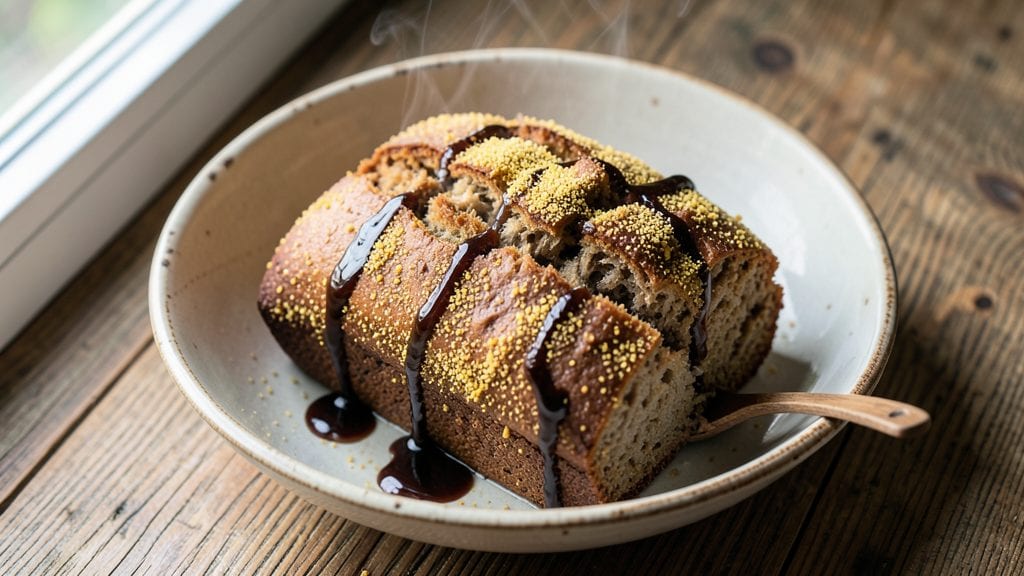
This authentic Boston brown bread recipe delivers the molasses-kissed crust and tender cornmeal heart that define New England tradition. The secret lies in slow-baked layers of rye flour, molasses, and cornmeal that develop deep caramelized flavors over time.
I've perfected this version using a Dutch oven for even heat distribution, just like the original settlers did.
What sets this bread apart is its dense yet moist texture—achieved through precise ingredient ratios and a long baking process. The molasses provides that signature sweetness without overpowering, while the cornmeal adds subtle nubby texture.
Traditional recipes called for baking in a cast-iron kettle, but a Dutch oven works beautifully for home cooks.
By the time it emerges from the oven, you'll have a loaf with a crisp, caramelized exterior and a soft, slightly sweet interior that crumbles just enough to hold together.
The aroma alone will transport you to a New England kitchen, where this bread has been a staple for generations. Serve warm with butter or honey for the full experience.
For those who want to experiment, try adding dried fruit like raisins or cranberries to the batter, or a pinch of cinnamon for extra warmth. The beauty of this recipe is its versatility while maintaining its authentic roots. Let's get baking this classic loaf.
Ingredients for authentic boston brown bread
Six ingredients create New England's classic molasses bread with a crisp crust and tender heart.
| Ingredient | Amount | Notes |
|---|---|---|
| Rye Flour 🌾 | 2 cups | Light rye preferred for texture |
| All-Purpose Flour 🌾 | 1 cup | For structure and lift |
| Cornmeal 🌽 | 1 cup | Fine grind for smooth texture |
| Molasses 🍯 | 1 cup | Unsulphured for authentic flavor |
| Buttermilk 🥛 | 1 cup | Full-fat for richness |
| Granulated Sugar 🍚 | ½ cup | Balances molasses sweetness |
| Baking Soda 🧂 | 2 tsp | For proper rise |
| Salt 🧂 | 1 tsp | Kosher or sea salt |
| Cinnamon 🌿 | 1 tsp | Ground, optional for warmth |
| Unsalted Butter 🧈 | ½ cup | Melted, cold butter preferred |
| Hot Water 💧 | 1 cup | Accelerates activation |
| Vanilla Extract 🍶 | 1 tsp | Pure vanilla for depth |
The molasses is the soul of this bread—unsulphured is key for that authentic, rich flavor. Grab a bottle at a specialty store like Whole Foods or check the international aisle at Walmart. The rye flour should be light, not dark—Bob's Red Mill is my go-to. For the cornmeal, fine grind works best, but medium will do if that's what you've got. The buttermilk? Full-fat is non-negotiable—it keeps the bread moist. If you're out, mix powdered buttermilk with milk, but it won't be quite the same. The baking soda needs to be fresh—if it's been sitting in your cabinet for months, toss it.
No molasses? Maple syrup works in a pinch, but it'll be sweeter and less complex. Short on rye? Substitute half with whole wheat flour, but expect a denser crumb. The cinnamon is optional but adds warmth—Penzeys has the best ground cinnamon if you want to splurge. For the butter, European-style (like Plugrá) gives extra richness. No vanilla? Skip it or use bourbon for a twist. The hot water is crucial—it activates the baking soda right away, so don't skip it. If you're baking in a cast-iron kettle, grease it well with butter or oil.
This bread tastes even better the next day, so bake it ahead if you can. Store wrapped tightly in foil for 3-4 days or freeze slices for up to 3 months. To reheat, wrap a slice in foil and warm in a 350°F oven for 5-10 minutes. The crust gets crunchier as it sits, so slice it fresh if you want that perfect balance. Leftovers? Toast them for breakfast—they're even better with a smear of butter or a drizzle of honey.
Why You'll Love This Recipe
- No-Fuss Mixing: I swear by this dough—just stir, pour, bake. The rye and cornmeal do all the work while you sip your coffee. No kneading, no fuss, just that deep molasses aroma filling your kitchen.
- Molasses Magic: That slow-simmered molasses? It’s the secret weapon—rich, caramelized sweetness that balances the rye’s earthiness. One bite and you’ll understand why it’s been a New England staple for generations.
- Budget-Friendly Staple: Rye flour and buttermilk won’t break the bank, and a single batch lasts me a week. Between us, this is the kind of bread that makes grocery bills feel lighter while keeping my table full.
Step-by-step instructions for authentic Boston brown bread
Here's how to make this classic New England bread with its signature molasses crust and tender cornmeal interior.
Mix Dry Ingredients for Perfect Texture
In a large mixing bowl, whisk together the 2 cups rye flour, 1 cup all-purpose flour, 1 cup cornmeal, 2 teaspoons baking soda, 1 teaspoon salt, and 1 teaspoon cinnamon. This combination gives the bread its signature texture - the rye adds depth, the all-purpose provides structure, and the cornmeal creates that characteristic tender crumb.
Use a whisk for even distribution, especially around the baking soda. You want everything thoroughly combined so the bread rises properly. I like to press down on the flour mixture with my fingers to break up any lumps before moving to the next step. This ensures your final loaf has a consistent texture throughout.
Combine Wet Ingredients for Rich Flavor
In a separate bowl, melt the ½ cup unsalted butter in the microwave for about 30 seconds, then stir in the 1 cup molasses and ½ cup granulated sugar until smooth. This mixture should be warm but not hot - you're looking for a thick, syrupy consistency that coats the back of a spoon.
Next, whisk in the 1 cup buttermilk, 1 cup hot water, and 1 teaspoon vanilla extract. The hot water helps activate the baking soda immediately, which is key for that classic Boston brown bread rise. The molasses and buttermilk combination gives this bread its signature rich, slightly tangy flavor that balances perfectly with the sweetness.
Combine Wet and Dry for Batter
Pour the wet ingredient mixture into the bowl with the dry ingredients. Using a wooden spoon or rubber spatula, stir just until combined - you should still see some dry flour pockets. Overmixing develops gluten, which would make this bread denser than it should be. The batter should be thick and slightly sticky, like a very wet cake batter.
This is where the magic happens - the molasses and buttermilk create a reaction with the baking soda that will give your bread that signature rise and tender crumb. Let the batter rest for 5 minutes at room temperature. This short rest allows the baking soda to fully activate and the flour to begin hydrating, setting you up for the perfect bake.
Prepare the Loaf Pan for Perfect Shape
Preheat your oven to 350°F. Generously grease a 9x5-inch loaf pan with butter or cooking spray, then dust it with cornmeal. Tap out any excess cornmeal so it just coats the bottom lightly - this prevents sticking and gives the bread its classic crust texture.
Pour the batter into the prepared loaf pan and smooth the top with a spatula. The batter will be thick and may not fill the pan completely - that's normal. The bread will rise as it bakes. Place the pan on a baking sheet to catch any potential overflow. This step is crucial for getting that signature Boston brown bread shape with its slightly domed top.
Bake to Golden Perfection
Bake for 50-55 minutes until the top is deep golden brown and a toothpick inserted in the center comes out clean. The bread should have a crackly crust on top with a soft, tender interior. The molasses will caramelize beautifully, giving that signature molasses-kissed crust that makes this bread so special.
For the best results, I recommend checking the bread at the 45-minute mark. If the top is browning too quickly, tent the pan with aluminum foil to prevent over-browning. When done, let the bread cool in the pan for 10 minutes before removing it. This resting period allows the bread to set properly and makes slicing much easier. The interior should be moist and tender with just the right amount of chewiness from the rye flour.
Pro Tips For Making Authentic Boston Brown Bread
- STEAM THE PAN FIRST: I learned this the hard way—skipping this step means the bread’s bottom turns into a sad, gluey mess instead of that perfect crisp crust. Pour in about ¼ cup water, heat on medium until it’s shimmering, then dump it out before adding the batter. The residual steam helps the molasses-rich dough rise evenly.
- MEASURE MOLASSES BY WEIGHT: Molasses varies wildly in thickness, and guessing leads to either a dry brick or a sticky disaster. Use a kitchen scale for 120 grams (about ⅓ cup) of unsulphured molasses—this ensures the right balance of sweetness and moisture without overpowering the rye’s earthiness.
- DON’T OVERMIX THE DOUGH: I used to beat this like I was punishing it, but Boston brown bread needs just enough folding to combine the ingredients—no more. Stop when the flour is mostly incorporated; overmixing develops the gluten and turns your tender loaf into a dense, chewy brick.
- USE COLD BUTTERMILK: Warm buttermilk speeds up fermentation and can make the dough collapse. Pull it straight from the fridge (or chill it for 10 minutes) before mixing—this gives the yeast time to work slowly, resulting in a taller rise and that signature crackly top. Yes, even if you’re impatient like me.
Pro cooking tips for authentic boston brown bread
Dutch Oven Secret
For that authentic cast-iron kettle experience, use a Dutch oven instead of a loaf pan. The even heat distribution creates a crisp crust while keeping the interior moist. Preheat your oven with the Dutch oven inside for 20 minutes—this ensures proper heat retention.
I use a Lodge 5-quart Dutch oven because its thick walls maintain temperature perfectly. 🔥
Molasses Caramelization
The key to that signature molasses-kissed crust is letting the molasses caramelize naturally during baking. Don’t rush it—50-55 minutes at 350°F gives the molasses time to develop deep, complex flavors.
If your bread browns too quickly, tent it with foil at the 45-minute mark to slow the process. The result? A crackly, caramelized top that crumbles just enough for dipping.
Batter Consistency Check
Your batter should be thick enough to hold its shape but still slightly sticky—like a very wet cake batter. If it’s too thin, add 1-2 tablespoons of cornmeal to thicken it. If it’s too thick, mix in 1 tablespoon of hot water to loosen it.
I test consistency by scooping a spoonful—it should hold together but still be pourable. Overmixing here will make your bread dense, so stir just until combined.
Resting for Texture
Let the baked bread rest in the pan for 10 minutes before removing it. This crucial step allows the crumb to set and prevents crumbling when slicing. For even better texture, let it cool completely on a wire rack—30 minutes total.
The longer it rests, the more the flavors meld together. I often slice it fresh and serve it warm with honey or butter for that perfect balance of sweetness and richness. 💛
Oven Thermometer Check
Ovens run hot! Use an oven thermometer to confirm your oven actually reaches 350°F. Many ovens are off by 25°F or more, which can affect baking time and crust development. If your oven runs hot, reduce the temperature to 325°F for even baking.
I keep a Thermoworks thermometer in my oven at all times—it’s a small investment that makes a big difference in your bread’s texture and flavor.
Cornmeal Dusting
Dusting the loaf pan with cornmeal isn’t just for flavor—it prevents sticking and gives the bread its signature texture. Use fine-ground cornmeal for the best results, and tap out any excess so it only coats the bottom lightly.
For extra authenticity, I sometimes sprinkle a thin layer on top of the batter before baking. This creates a subtle, nubby texture that pairs perfectly with the molasses crust. 🌽
Nutrition facts
Frequently asked questions
Why does traditional Boston brown bread have that crackly crust?
The signature crust comes from the molasses caramelizing during slow baking. The 50-55 minute bake time at 350°F lets the sugars develop deep, complex flavors while creating that satisfying crackly texture. Using a Dutch oven or cast-iron kettle helps concentrate the heat for even browning.
Can I make this bread without molasses?
You can substitute maple syrup (1:1 ratio) for molasses, but it will be sweeter and less complex. For a closer approximation, try dark corn syrup or even a mix of brown sugar and water (though results won't be identical). The molasses gives this bread its signature rich, slightly tangy depth that's hard to replicate.
How do I store leftovers to keep them fresh?
Wrap cooled slices tightly in foil or plastic wrap and store at room temperature for 3-4 days. For longer storage, freeze slices for up to 3 months. To reheat, wrap a slice in foil and warm in a 350°F oven for 5-10 minutes until crispy again. The crust gets even better after resting overnight!
What's the difference between this and regular molasses bread?
Authentic Boston brown bread uses rye flour and cornmeal for its dense, slightly chewy texture, while regular molasses bread often uses all-purpose flour. The cornmeal gives it that characteristic tender crumb, and the slow baking creates the signature crackly crust. This version also typically includes buttermilk for extra richness.
Can I add fruit to this recipe?
Try folding in ½ cup raisins, chopped dried cranberries, or even fresh blueberries with the wet ingredients. For extra flavor, add a pinch of cinnamon or nutmeg. Just don't overmix after adding fruit to maintain that signature tender crumb. The fruit adds natural sweetness that pairs perfectly with the molasses.