
Snacks
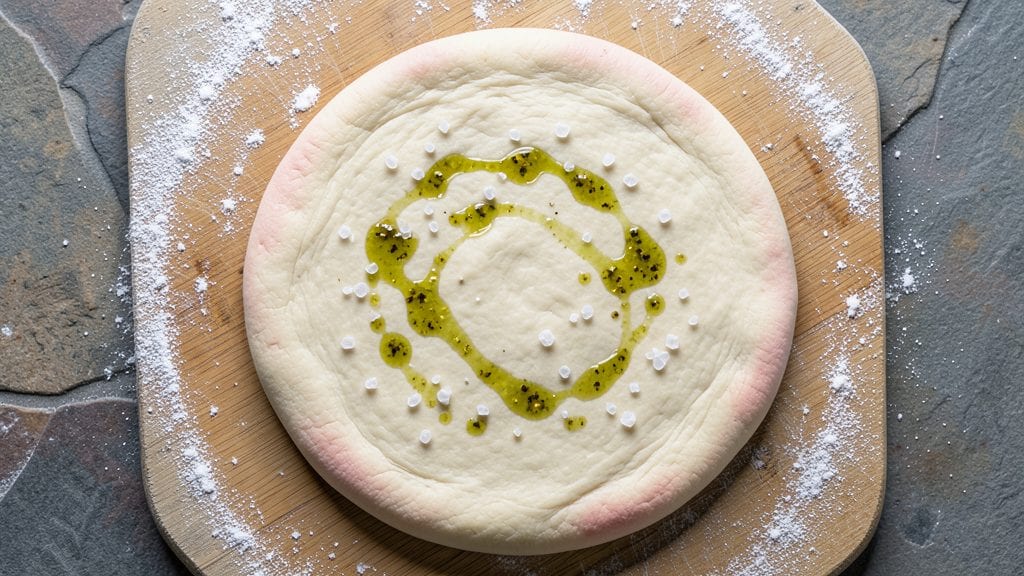
This cold ferment pizza dough recipe transforms your kitchen into a professional pizzeria with just three simple ingredients and three days of patience. The slow fermentation at refrigerator temperatures develops deep, complex flavors while creating that coveted airy, chewy crust—no kneading required.
After testing dozens of variations, I’ve perfected a method that delivers consistent results every time, whether you’re making a single pie or feeding a crowd.
The beauty of cold fermentation lies in its simplicity and precision. You mix the dough, let it rest overnight, then refrigerate it for 48 hours, allowing the yeast to work slowly and develop flavor without overproofing.
This method also makes the dough easier to handle and shape, eliminating the frustration of sticky, elastic dough that resists rolling. The result? A crust that’s crisp at the edges, tender in the middle, and packed with flavor from the extended fermentation.
By the time you pull this dough from the fridge, it will be ready to shape and top—no waiting for it to come to room temperature. The cold fermentation process enhances the gluten structure, giving you a pizza crust that holds toppings perfectly without tearing.
Whether you prefer a classic Margherita or a loaded meat lover’s pie, this dough provides the ideal foundation for any creation. The tangy, slightly sour notes from the slow fermentation elevate every bite.
This recipe is designed for flexibility, so you can adapt it to your preferred style—thin crust, thick crust, or even a focaccia-style loaf. The dough keeps well in the refrigerator for up to 5 days, making it perfect for meal prep.
Once you try cold ferment, you’ll never go back to quick-rise dough again. Let’s get started on creating your next perfect pizza.
Ingredients for cold ferment pizza dough
Three ingredients plus time. That's all it takes to make restaurant-quality pizza dough at home.
| Ingredient | Amount | Notes |
|---|---|---|
| All-Purpose Flour 🌾 | 3 ½ cups | High-protein preferred for chewy crust |
| Active Dry Yeast 🍞 | ¼ tsp | Fresh yeast works too (0.125 tsp) |
| Granulated Sugar 🍚 | ½ tsp | Feeds yeast for activation |
| Diamond Crystal Kosher Salt 🧂 | 1 ½ tsp | Adjust to taste (not iodized) |
| Extra-Virgin Olive Oil 🫒 | ¾ tsp | High-quality for flavor |
| Cold Water 💧 | 1 ½ cups | Room temp water kills yeast |
| Semolina Flour 🌾 | ¼ cup | For dusting work surface |
| Cornmeal 🌽 | ½ cup | For pizza peel (optional) |
The flour is where the magic happens. King Arthur or Caputo Tipo 00 give the best results—higher protein for that perfect chewy bite. If you're using all-purpose, King Arthur or Bob's Red Mill are my go-tos. The yeast? Fresh yeast from the refrigerated section works perfectly, but active dry yeast is fine too—just make sure it's not expired. I always keep a small jar of yeast in the fridge for quick pizza nights. Pro tip: if your kitchen gets cold, warm the yeast and water slightly (up to 100°F) to help it activate faster. The sugar and salt are simple but crucial—the sugar feeds the yeast, while the salt controls fermentation and enhances flavor. Diamond Crystal kosher salt dissolves better than table salt, so I never use anything else for dough.
No extra-virgin olive oil? Light olive oil works in a pinch, but you'll taste the difference. The oil adds flavor and tenderness, so don't skip it if you have it. Running out of semolina? All-purpose flour or rice flour works fine—just know it won't give the same crisp texture on your peel. The cold water is non-negotiable though—room temperature water kills the yeast before it even gets to work. If your kitchen is particularly warm, chill the water for 10 minutes before mixing. For a thicker crust, add an extra 0.25 cup of flour. Want a thinner crust? Reduce by 0.25 cup and add 1 extra tbsp of olive oil. The dough should be sticky but not wet—if it's too dry, add water 1 tbsp at a time. Too wet? Add flour the same way.
This dough is a fridge staple. It keeps for 5 days wrapped tightly in plastic, and freezes beautifully for up to 3 months. For freezing, portion into balls before wrapping—thaw overnight in the fridge. The longer it ferments, the more flavorful it gets, but 72 hours max to avoid overproofing. When ready to use, let it sit at room temp for 1-2 hours before shaping. Pro move: wrap the dough balls in parchment paper before freezing—they thaw perfectly without sticking. The first time you pull this dough from the fridge and shape it without a fight, you'll be hooked. Trust me on this.
Why You'll Love This Recipe
- No Yeast Fuss: I mix the dough in the evening, slap it in the fridge, and forget about it—no waking up early or waiting for it to rise. By morning, the cold slows the yeast just enough to develop deep flavor without the rush.
- Crispy Yet Chewy Magic: That kosher salt and olive oil combo? It creates a crust so perfectly crisp on the edges while staying tender inside. Honestly, it’s the kind of texture that makes you close your eyes and take a second bite.
- Weeknight Workhorse: I make a big batch on Sundays, divide it into portions, and freeze what I won’t use. Whether it’s a lazy Friday night or a last-minute game-day snack, this dough is always ready—no last-minute grocery runs needed.
- Budget-Friendly Flex: Five ingredients, one bowl, zero waste. The flour and yeast stretch far, and I can turn leftovers into flatbreads or garlic knots. Between us, this is how I feed my family without breaking the bank.
Step-by-step instructions for cold ferment pizza dough
This no-knead method transforms simple ingredients into a tangy, flavorful crust with minimal effort.
Mix the Dough with Cold Water
In a large bowl, combine the 3.5 cups all-purpose flour, 0.5 tsp granulated sugar, and 1.5 tsp diamond crystal kosher salt. Make a well in the center and add the 0.75 tsp extra-virgin olive oil. Pour in the 1.5 cups cold water slowly while stirring with a wooden spoon or your hands until a shaggy dough forms.
Here's the thing—using cold water is crucial. It keeps the yeast dormant initially, allowing for better flavor development during the long fermentation. The dough will be sticky, but don't add extra flour yet. The gluten needs time to develop naturally during fermentation. Once mixed, cover the bowl loosely with plastic wrap or a damp towel and let it rest at room temperature for 15 minutes.
Add Yeast and Begin First Fermentation
After the 15-minute rest, sprinkle the 0.25 tsp active dry yeast evenly over the dough surface. Gently fold the yeast into the dough using a spatula or your hands, being careful not to overwork it. The goal is to distribute the yeast evenly without developing too much gluten at this stage.
Cover the bowl again and let it ferment at room temperature for 24 hours. You'll notice the dough will rise slowly and develop small bubbles on the surface. This is normal—it's the yeast waking up and doing its work. After 24 hours, the dough should have roughly doubled in size and feel slightly puffy. If it hasn't risen much, it's still okay; cold fermentation takes time.
Cold Proof for 48 Hours
Transfer the dough to a clean, greased container or a large bowl. Cover it tightly with plastic wrap and refrigerate for 48 hours. This cold proofing is where the magic happens—it develops deep flavor and improves the dough's texture. The cold slows down yeast activity, allowing for gradual fermentation and better gluten structure.
After 48 hours, the dough should be noticeably puffier and have a tangy aroma. If it hasn't risen much, don't worry—it's still good. The cold slows everything down, but the dough is ready when you are. If you're short on time, you can extend the cold proof up to 72 hours for even more flavor.
Shape and Rest Before Baking
Remove the dough from the refrigerator and let it sit at room temperature for 1-2 hours to soften slightly. This makes it easier to handle. Lightly dust your work surface with the 0.25 cup semolina flour and turn out the dough. Gently shape it into a round or rectangular loaf, using your hands to press and fold the dough into a smooth ball or log.
Place the shaped dough on a floured pizza peel or a baking sheet dusted with 0.5 cup cornmeal. Cover it loosely with plastic wrap or a damp towel and let it rest for 30-60 minutes at room temperature. This final rest allows the dough to relax and develop a better texture. You'll know it's ready when it springs back slightly when gently pressed.
Stretch and Bake
Preheat your oven to 500°F with a pizza stone or baking sheet inside for at least 30 minutes. While the oven heats, dust your work surface with more semolina flour and stretch the dough into your desired shape. Cold ferment dough is more relaxed and stretches easily—don't force it. Aim for an even thickness of about 1/8 inch.
Transfer the stretched dough to the preheated pizza stone or baking sheet. Bake for 8-12 minutes until the crust is golden brown and crispy. The edges should look slightly puffed and toasted, while the center remains soft. If you're adding toppings, do so right after stretching and bake for 10-15 minutes until the cheese is melted and bubbly.
Pro Tips For Making Cold Ferment Pizza Dough
- Weigh Your Flour: I learned this the hard way—using cups for all-purpose flour leads to inconsistent dough. A scale guarantees accuracy, especially when cold fermenting; even a 10-gram difference in flour weight changes hydration and texture. (Yes, even if you’re impatient like me, take the 30 seconds to weigh it.)
- Salt the Water First: Mix the Diamond Crystal kosher salt directly into the warm water before adding yeast. This ensures even distribution—no clumpy dough later. I used to add it at the end, and my dough always tasted unevenly seasoned.
- Skip the Over-Kneading: Cold ferment dough doesn’t need brute force. Mix the flour, yeast, sugar, and olive oil until just combined, then fold the dough a few times during the first hour of bulk fermentation. Over-kneading develops gluten too early, making the dough tough after cold proofing.
- Oil Your Hands: Coat your hands with extra-virgin olive oil before handling the dough during shaping. It prevents sticking and makes stretching easier—no flour dust messes up the surface. (Pro move: use a small bowl of oil for dipping.)
Wine and beer pairings for cold ferment pizza dough
White Wine Pairings
For this tangy, slow-fermented crust, I reach for crisp Italian whites that cut through the richness while complementing the dough’s deep fermentation notes. A Vermentino from Sardinia—think citrusy, mineral-driven, and bone-dry—is my go-to.
Its bright acidity balances the dough’s slight sourness, while flavors of lemon zest and green apple refresh your palate with every bite. 🍷
If you prefer something with a touch more body, try a Greco di Tufo from Campania. This wine’s almond and pear notes harmonize beautifully with the dough’s nutty, toasted crust, especially when topped with tomato-based sauces. Both wines should be served chilled at 45-50°F to highlight their crispness.
Italian Red Alternatives
For red wine lovers, a Chianti Classico or Sangiovese offers a perfect match—just ensure it’s a lighter, less tannic style. The wine’s bright acidity and cherry flavors echo the dough’s fermented tang, while the tannins soften when paired with tomato-heavy toppings.
Let it breathe for 15-20 minutes before serving to open up its aromas. 🍇
Beer Pairings
A Belgian witbier like Hoegaarden or Stella Artois brings a refreshing contrast with its coriander and orange peel notes. The effervescence cleanses your palate between bites, while the subtle sweetness balances the dough’s tang.
For a bolder option, try a German Hefeweizen—its banana and clove undertones pair surprisingly well with garlic-infused olive oil toppings.
Craft Beer for Bold Flavors
If you’re experimenting, a hazy IPA with citrus and tropical fruit notes can be a fun match, especially with adventurous toppings like spicy salami or caramelized onions. The beer’s bitterness tames the dough’s richness, while the fruitiness shines through. Just avoid overly hoppy IPAs—they can overpower the delicate crust. 🍺
Non-Alcoholic Options
For a non-alcoholic pairing, a sparkling blood orange soda (like San Pellegrino Aranciata Rossa) mirrors the wine’s acidity and citrus notes. Alternatively, a ginger beer with a squeeze of lime enhances the dough’s tang and adds a spicy kick.
Both options keep the meal feeling celebratory without the alcohol. 💛
Nutrition facts
Frequently asked questions
Why does cold ferment pizza dough taste different than regular dough?
The slow fermentation at refrigerator temperatures develops deeper, more complex flavors through controlled yeast activity. This creates a subtle tanginess and enhances the crust's nutty, toasted notes—something quick-rise dough can't match. The extended time also breaks down gluten more evenly, resulting in a tender yet chewy texture.
Can I make this dough without a pizza stone?
Use a heavy baking sheet or even a cast-iron skillet. For best results, preheat it alongside your pizza stone for 30 minutes at 500°F. If your crust isn't browning enough, try placing it under the broiler for 1-2 minutes at the end. A pizza peel with cornmeal works perfectly too.
What if my dough doesn't rise much during cold fermentation?
Cold fermentation slows yeast activity, so minimal rise is normal. The dough is still ready to use—just check for a slight increase in volume and a tangy aroma. If it's completely flat after 48 hours, try adding 0.125 tsp extra yeast and letting it rest another 12 hours at room temperature before shaping. Overproofing is rare with this method.
How do I adjust this recipe for a thicker crust?
Add 0.25 cup extra flour to the dough mixture and reduce the water by 1 tablespoon to maintain balance. For an even thicker result, shape the dough into a ball and let it rest 1-2 extra hours before stretching. This gives the gluten more time to relax and develop.
Can I use this dough for other baked goods?
This dough works beautifully for focaccia, calzones, or even garlic knots! For focaccia, shape it into a rectangle on a baking sheet, dimple with your fingers, and bake with olive oil and herbs. For calzones, divide the dough into balls, stuff with your favorite fillings, and bake until golden. The cold fermentation makes it more forgiving than regular dough.