
Soups & Stews
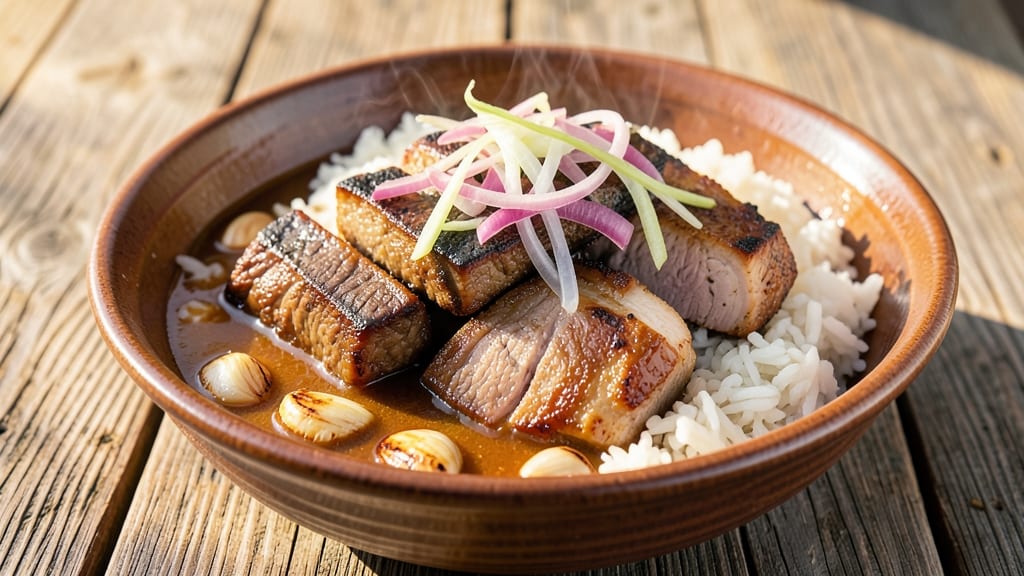
Creating an authentic Filipino menudo without liver transforms this classic comfort dish into a hearty, tomato-braised rice and meat bowl that still delivers deep umami flavor. The secret lies in balancing tender beef, savory pork, and aromatic vegetables in a rich broth—all while keeping the dish approachable for home cooks.
This version maintains the soul of menudo through slow simmering and layered spices, ensuring every spoonful feels like a taste of home.
Traditionally, menudo relies on liver for its signature richness, but this adaptation uses beef short ribs and pork shoulder instead, delivering a meat-forward experience that's equally satisfying.
The dish builds flavor through a tomato base, garlic, ginger, and soy sauce, creating a sauce that coats each grain of rice and tenderizes the meat over time. With 45 minutes of active prep and 2 hours of simmering, patience pays off in a dish that's both comforting and impressive.
What you'll end up with is a steaming bowl of perfectly braised meat, fluffy rice, and vibrant vegetables—each bite packed with savory depth and subtle sweetness. The noodles add texture, while the crispy fried garlic on top provides a satisfying crunch.
This recipe serves as a foolproof way to bring Filipino comfort food to your table without compromising on tradition or flavor. Let's get cooking!
Perfect for family gatherings or cozy weeknight dinners, this menudo adapts beautifully to dietary preferences—simply adjust the meat or swap in mushrooms for extra umami. The leftovers reheat wonderfully, making it an ideal meal prep option for busy weeks. Here's how to bring this hearty dish to life!
Ingredients for filipino menudo recipe without liver
Six servings of rich, meaty goodness—no liver needed for this Filipino-inspired comfort dish.
| Ingredient | Amount | Notes |
|---|---|---|
| Beef Short Ribs 🥩 | 2 lb | Bone-in for maximum flavor |
| Pork Shoulder 🐖 | 1 ½ lb | Cut into 1-inch cubes |
| White Rice 🍚 | 2 cups | Long-grain, uncooked |
| Yellow Onions 🧅 | 2 whole | Medium size, sliced |
| Garlic Cloves 🧄 | 8 cloves | Fresh, minced |
| Fresh Ginger 🌿 | ½ cup | Finely grated, peeled |
| Tomato Sauce 🍅 | 1 ½ cups | Canned, crushed tomatoes |
| Carrots 🥕 | 1 lb | Medium size, sliced |
| Green Bell Pepper 🌶️ | 1 whole | Medium, sliced |
| Soy Sauce 🥫 | ¼ cup | Light or regular |
| Calamansi Juice 🍋 | ¼ cup | Or substitute lime juice |
| Fish Sauce 🐟 | 1 tbsp | Red Boat brand preferred |
| Sugar 🍚 | 1 tbsp | White granulated |
| Vegetable Oil 🫒 | ½ cup | For frying garlic |
| Salt 🧂 | 1 ½ tsp | Diamond Crystal preferred |
| Black Pepper 🌶️ | ½ tsp | Freshly ground |
| Dried Thyme 🌿 | 1 tsp | Or 1 tbsp fresh |
| Egg Noodles 🍜 | 8 oz | Fresh or dried |
The beef short ribs and pork shoulder are the stars here—look for bone-in cuts at Costco or Whole Foods for maximum flavor. They should feel firm but not rubbery to the touch. If you're short on time, pre-cut pork shoulder from the grocery store's butcher section works perfectly. The carrots and bell pepper can be any color, but organic produce from the farmers market has better flavor. Fresh ginger is a must—the frozen stuff just doesn't cut it for this dish. For the tomato sauce, San Marzano cans are worth the splurge if you're using them for other recipes too.
No calamansi? Lime or lemon juice works in a pinch, though it'll taste slightly different. Running low on fish sauce? Soy sauce plus a dash of anchovy paste mimics the umami punch. The egg noodles can be swapped for rice noodles if you're avoiding wheat, but egg noodles hold up better to the braising. For the garlic, peel and roughly chop it—you'll fry it whole for crispy topper. If you can't find Diamond Crystal salt, Maldon flaky salt is a great alternative, though it's pricier. The thyme is totally optional but adds a nice earthy note that pairs perfectly with the tomato base.
This dish tastes even better the next day—make extra and freeze portions for quick meals. Store the braised meats and sauce separately in airtight containers for up to 5 days in the fridge. The noodles can be cooked fresh when reheating. For the fried garlic, make it fresh each time—it only takes 3 minutes and adds that perfect crunch. If you're prepping ahead, cook the rice separately and keep it warm in a rice cooker until serving.
Why You'll Love This Recipe
- One-Pot Magic: Honestly, I love that this only needs one pot. You brown the ribs and pork shoulder first—crispy edges, rich aroma filling the kitchen—then just simmer everything together with onions and garlic. No chopping mountains of veggies, no juggling multiple pans. The rice even cooks in the same broth? Yes, please.
- Garlic Bomb Flavor: Between us, the garlic and onions caramelize into something ridiculously good. That deep, savory umami from the beef and pork? It’s like a hug for your taste buds. The longer you let it simmer, the better it gets—no fancy tricks, just time and patience.
- Leftovers That Don’t Suck: This meal actually improves the next day. The broth thickens, the meat gets even more tender, and you can reheat portions for lunch or dinner. (Yes, even on a Tuesday night.) Plus, it’s budget-friendly—those short ribs and pork shoulder stretch across multiple meals without feeling repetitive.
- Weeknight-Friendly Crowd-Pleaser: I make this when I have friends over or when my family’s hungry but I’m not in the mood to slave away in the kitchen. The rice soaks up all that flavor, and everyone’s happy. It’s not fancy, but it’s solid—the kind of dish that makes people ask for the recipe.
Step-by-step instructions for Filipino menudo without liver
This hearty Filipino braised meat dish delivers rich, savory flavors without liver—just tender meat and aromatic tomato sauce.
Sear the Beef Short Ribs and Pork Shoulder
Heat the 0.5 cup vegetable oil in a large Dutch oven over medium-high heat. Working in batches to avoid crowding, sear the 2 lb beef short ribs and 1.5 lb pork shoulder until deeply browned on all sides—about 5-7 minutes per side. This step is crucial for building deep flavor through the Maillard reaction.
Once browned, remove the meat and set aside on a plate. In the same pot, add the 2 whole yellow onions (sliced) and cook for 5 minutes until softened. Then add the 8 cloves garlic cloves (minced) and 0.5 cup fresh ginger (finely grated), cooking for another 2 minutes until fragrant. Don't let the garlic burn—this step should be quick and aromatic.
Build the Tomato-Braised Base
Return the seared meat to the pot and add the 1.5 cups tomato sauce, 0.25 cup soy sauce, 0.25 cup calamansi juice, 1 tbsp fish sauce, and 1 tbsp sugar. Stir to combine, then add 1.5 tsp salt, 0.5 tsp black pepper, and 1 tsp dried thyme. Bring the mixture to a gentle simmer, then reduce heat to low and cover partially.
Let the meat braise for 1.5 hours, stirring occasionally, until the meat is fork-tender and the sauce has thickened slightly. This slow cooking process ensures the meat becomes melt-in-your-mouth tender while absorbing all the rich flavors. If the sauce reduces too much, add a splash of water to maintain moisture.
Prepare the Rice and Vegetables
While the meat braises, rinse the 2 cups white rice under cold water until the water runs clear. In a separate pot, bring 4 cups water to a boil, add the rice, and cook for 10 minutes until 75% done (the rice should still have a slight bite). Drain any excess water and set aside.
In a separate skillet, heat 1 tablespoon vegetable oil over medium heat and sauté the 1 lb carrots (sliced) and 1 whole green bell pepper (sliced) for 5 minutes until the carrots soften slightly. This quick sauté enhances their natural sweetness without overcooking them.
Combine and Finish
Return the partially cooked rice to the Dutch oven with the braised meat and sauce. Gently fold everything together, then add the sautéed carrots and green bell pepper. Cover and simmer on low heat for another 10 minutes, allowing the rice to absorb the remaining liquid and the flavors to meld.
For the noodle component, cook the 8 oz egg noodles according to package instructions until al dente, then drain and set aside. To serve, divide the rice and meat mixture among bowls, top with the cooked noodles, and garnish with extra calamansi juice for brightness. This dish is best enjoyed hot and hearty, with the tender meat and aromatic sauce clinging to every bite.
Pro Tips For Making Filipino Menudo Recipe Without Liver
- Brown the Bones First: That rich color and flavor in menudo don’t come from magic—they come from searing the beef short ribs and pork shoulder until they’re deep golden, almost crusty. I used to skip this step to save time, but now I make sure to cook them in batches on medium-high heat for at least 8-10 minutes per side. The Maillard reaction is what turns this into a hearty stew, not just a pot of meat.
- Slice Onions Thinly: Yes, I know—chopping onions is boring, but for menudo, thin slices (about 1/8-inch) cook faster and melt into the broth instead of sitting as chunks. Use a sharp knife and work in parallel cuts for consistency. Thick slices turn mushy; thin ones disappear into the sauce where they belong.
- Simmer, Don’t Boil: After adding the broth and tomatoes, resist the urge to crank the heat. A gentle simmer (small bubbles, occasional skimming) keeps the meat tender and the flavors melding. I learned this the hard way—boiling makes the pork shoulder tough and the broth cloudy. Cover the pot and let it hum along at low heat for at least 2 hours.
- Save the Broth: Don’t pour out the first batch of liquid when skimming fat—save it. Strain it through a fine-mesh sieve and return it to the pot. That initial rendering holds flavor you’ll lose otherwise. If you’re short on time, use a splash of beef or chicken stock, but the homemade version makes a real difference.
Make-ahead tips for this dish
Broth Prep Ahead
Start the tomato base the night before for maximum flavor development. Combine 1.5 cups tomato sauce, 0.25 cup soy sauce, 0.25 cup calamansi juice, 1 tbsp fish sauce, and 1 tbsp sugar in an airtight container.
Refrigerate until ready to use. This jumpstarts the flavor infusion, giving your menudo that restaurant-quality depth. 💫
Meat Pre-Braising
Sear and partially braise the beef short ribs and pork shoulder up to 24 hours ahead. After the initial 1.5-hour braise, cool the meat in the sauce, then refrigerate in the same container.
When reheating, bring to a simmer for 10-15 minutes to restore tenderness. This shortcut saves you 2 hours of active cooking time later. ⏰
Rice Pre-Cooking
Cook the rice 75% done the day before and store in the fridge. When reheating, add 1 tbsp water per cup of rice and steam covered for 5 minutes on the stovetop.
This method keeps the grains separate and prevents mushiness. I always make extra rice for this reason—it's perfect for leftovers too. 🍚
Vegetable Prep
Slice all vegetables the night before and store in separate containers with a damp paper towel. The carrots and bell pepper stay crisp, while the onions and garlic maintain their aromatic oils. This prep step takes just 15 minutes and makes assembly day effortless. 🥕
Noodle Strategy
Cook the egg noodles fresh when serving—they absorb sauce too quickly to reheat well. Keep them in the fridge in a sealed container with a sprinkle of oil to prevent sticking.
Boil them for 1 minute less than package instructions, then toss with 1 tsp soy sauce to enhance flavor. 🍜
Garnish Fresh
Make the fried garlic topping the morning of serving—it loses crispness overnight. Heat 0.25 cup vegetable oil in a small pan to 350°F and fry 8 whole garlic cloves for 30 seconds per side until golden.
Drain on paper towels and store in an airtight container at room temperature. This keeps them crunchy for up to 6 hours. 💡
Nutrition facts
Frequently asked questions
Can I substitute beef short ribs with another cut of meat?
Yes! For a quicker version, use 2 lbs beef chuck roast or pork belly instead. Both work well but may require an extra 30 minutes of braising time. For a lighter option, try chicken thighs—reduce the cooking time to 1 hour and add 1/2 cup coconut milk to the sauce for richness.
How do I make this dish vegetarian?
Replace the meat with extra-firm tofu (pressed and cubed) or mushrooms (shiitake or portobello). Use 2 tbsp soy sauce and 1 tbsp miso paste to boost umami. Add 1/2 cup coconut milk to the tomato base for creaminess. The texture will differ, but the dish remains hearty and flavorful.
Why does my menudo sauce turn out too thin?
This usually happens if you didn't sear the meat properly or if the sauce didn't reduce enough. For next time, pat the meat dry before searing and simmer uncovered for the last 15 minutes to thicken. If it's too thin now, mix 1 tbsp cornstarch with 2 tbsp cold water and stir into the sauce until it thickens.
Can I make this in an Instant Pot?
Sear the meat in a skillet first, then transfer to the Instant Pot with all ingredients except rice and noodles. Cook on high pressure for 30 minutes, then quick-release. Finish by adding the rice and simmering for 10 minutes as directed. The pressure cooker cuts total time to about 1 hour.
What's the best way to reheat leftovers?
Reheat in a pot over low heat with 2 tbsp water until steaming, about 10 minutes. For best texture, cook fresh noodles separately and add them after reheating. If the sauce seems dry, stir in 1 tbsp tomato paste and 1 tbsp water to restore moisture. Leftovers keep well for 3-4 days in the fridge.