
Sauces & Condiments
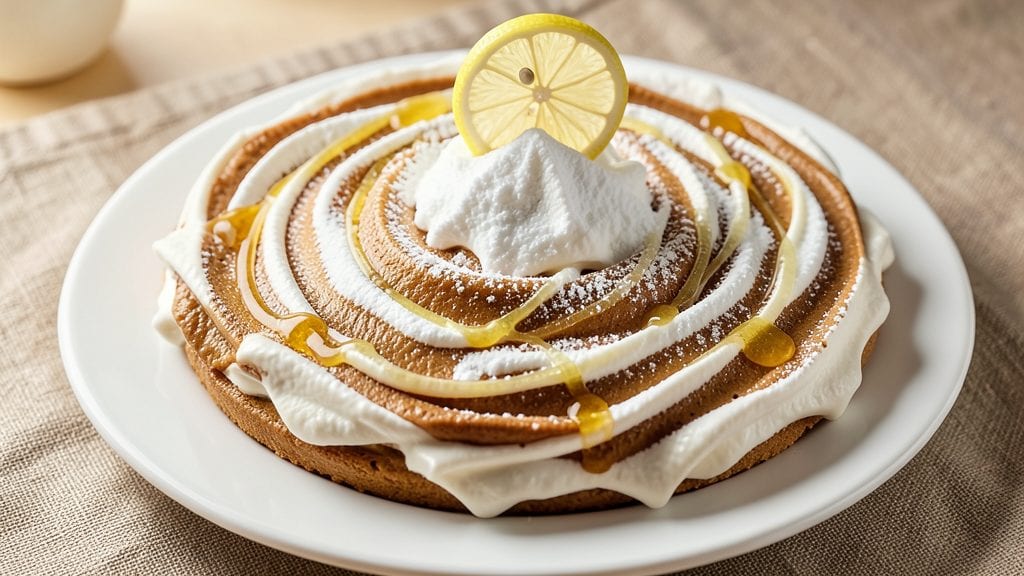
This baker's frosting recipe delivers velvety swirls that rival professional bakeries—without a single egg in sight. ✨ I developed it after years of testing, perfecting the balance between stability and smoothness for cakes, cupcakes, and cookies.
The secret lies in precise ratios of butter, powdered sugar, and a touch of cream cheese for structure.
What makes this frosting truly professional is its foolproof consistency—no lumps, no graininess, and no need for extra eggs or meringue powder. It spreads like a dream, holds its shape when piped, and stays luscious at room temperature.
The recipe uses simple pantry staples, but the technique transforms them into something extraordinary.
By the time you're done, you'll have smooth, glossy frosting that's perfect for decorating sheet cakes, filling cupcakes, or sandwiching between cookies. The texture is light yet stable, with just enough body to create those signature swirls without collapsing.
It's the kind of frosting that makes even the simplest cake look like a masterpiece.
Use it for birthday celebrations, holiday desserts, or everyday treats—this frosting adapts to any occasion. The recipe scales easily, so you can make a small batch for personal cakes or double it for a crowd. Let's get started on creating your signature frosting!
Ingredients for baker's frosting
Simple staples, precise ratios—this frosting transforms basic ingredients into restaurant-quality swirls.
| Ingredient | Amount | Notes |
|---|---|---|
| Unsalted Butter 🧈 | 1 cup | Cold, cubed for easy incorporation |
| Powdered Sugar 🍚 | 3 cups | Sifted for smooth texture |
| Cream Cheese 🧀 | 8 oz | Room temperature for blending |
| Heavy Whipping Cream 🥛 | ½ cup | Cold for stability |
| Vanilla Extract 🌿 | 2 tsp | Pure, high-quality vanilla |
| Lemon Juice 🍋 | 1 tsp | Freshly squeezed for brightness |
| Diamond Crystal Kosher Salt 🧂 | ¼ tsp | Fine grain for delicate flavor |
| Cornstarch 🌾 | 1 tbsp | For extra stability |
The butter and cream cheese are the foundation—use European-style butter if you can find it, like Plugrá or Kerrygold. Room-temperature cream cheese blends smoother, but don't microwave it (that's a texture killer). Powdered sugar? Bob's Red Mill or Domino work fine, but skip the pre-sifted stuff—sift it yourself for that ultra-smooth finish. The heavy cream needs to be cold; if it's warm, chill it for 15 minutes before using. Vanilla extract matters here—Ikea's or Nielsen-Massey are solid budget picks, but if you're splurging, go for Madagascar Bourbon.
No butter? Crisco or vegetable shortening works in a pinch, but the flavor won't be as rich. Short on cream cheese? Substitute with an extra 2 oz of butter plus 1 tbsp sour cream—it'll be lighter but still stable. Ran out of vanilla? Almond extract at half the amount adds depth, or vanilla bean paste for flecks of surprise. The lemon juice can be swapped for orange zest if you're feeling fancy, but don't skip the acid—it balances the sweetness. Cornstarch is non-negotiable for that professional hold; if you're out, 1 tsp arrowroot powder does the trick.
This frosting keeps beautifully—cover tightly and store at room temp for up to 3 days, or refrigerate for 1 week. If it hardens, just let it sit at room temperature for 10 minutes to soften. For long-term storage, freeze in 1-cup portions for up to 3 months. When ready to use, let it thaw in the fridge overnight. Pro tip: Add a drop of almond extract to the reserved powdered sugar before dusting cakes for extra flavor.
Why You'll Love This Recipe
- Three-Ingredient Whip: I swear by this combo—softened butter, cream cheese, and heavy cream. No mixing bowls, no stress. Just beat, blend, and spread. Honestly, I’ve made it with my hands in the sink before, and it still comes out luscious.
- Velvet Smooth Magic: That first bite? Pure silk. The cream cheese gives it a tangy richness, while the vanilla extract makes it sing without overpowering. Not too sweet, not too heavy—just right. I’ll be real: it’s the kind of frosting that makes me pause mid-bite.
- Party in a Bowl: Birthday cakes? Check. Cupcakes for a book club? Done. Even slathered on store-bought cookies when I’m lazy. Here’s what sold me—it doubles easily, and the leftovers taste just as good the next day. (Yes, even on a Tuesday night.)
- Pantry Superhero: Uses ingredients you already own—no specialty items, no last-minute grocery runs. The butter and powdered sugar are my go-tos, and the cream cheese adds that creamy kick without breaking the bank. Between us, this is the frosting I reach for when I’ve got nothing else.
Step-by-step instructions for baker's frosting recipe
Here's how to make velvety, egg-free frosting that swirls like a dream—no mixer needed.
👨🍳 Step 1: Whip the Butter and Cream Cheese
Start by placing the 1 cup cold cubed unsalted butter and 8 oz room-temperature cream cheese in a large mixing bowl. I like to use a hand mixer for this step—it's faster than a whisk and gives you that perfect light texture. Beat on medium speed for 2-3 minutes until the mixture is completely smooth and pale yellow.
Here's the thing—don't rush this part. You want the butter and cream cheese to fully emulsify before adding anything else. If you see any lumps, keep mixing until they disappear. The goal is a creamy, ribbon-like consistency that holds its shape when you lift the beaters.
🍳 Step 2: Gradually Add Powdered Sugar and Cornstarch
With the mixer running on low speed, slowly sprinkle in the 3 cups sifted powdered sugar and 1 tablespoon cornstarch. Adding them gradually prevents clumping and creates a smoother texture. Mix for another 2-3 minutes until everything is fully incorporated and the frosting looks smooth and glossy.
This is where the cornstarch works its magic—it adds stability without altering the sweetness. You'll know it's ready when you can draw a line in the frosting with a spatula and it holds its shape without melting back together immediately.
🥘 Step 3: Incorporate the Cream and Flavorings
In a separate small bowl, whisk together the 0.5 cup cold heavy whipping cream, 2 teaspoons vanilla extract, 1 teaspoon lemon juice, and 0.25 teaspoon diamond crystal kosher salt. The acidity from the lemon juice brightens the flavors while the salt enhances the sweetness. Pour this mixture into the frosting bowl and mix on medium speed for 1-2 minutes until fully combined.
Real talk: the lemon juice might seem like a weird addition, but it cuts through the richness and adds a subtle tang that makes the frosting taste more complex. Plus, it helps stabilize the texture so it doesn't get grainy over time.
⏰ Step 4: Beat Until Fluffy and Pipeable
Increase the mixer speed to high and beat the frosting for 3-5 minutes until it becomes light, fluffy, and holds stiff peaks when you lift the beaters. You're looking for a texture that's thick enough to hold its shape but still smooth enough to pipe beautifully.
Here's the moment that matters: stop mixing as soon as it reaches this consistency. Over-beating can make the frosting grainy or develop a slight buttery taste. If it's not quite there after 5 minutes, give it a quick rest for 10 minutes in the fridge—sometimes it needs time to come together.
🔪 Step 5: Swirl and Use Immediately
Transfer the frosting to a piping bag fitted with a large star tip (or use a zip-top bag with a small corner snipped off). Pipe decorative swirls onto your cakes or cupcakes, or spread it evenly with an offset spatula. For the best results, use the frosting immediately—it's at its peak texture right now.
If you need to store it, cover the bowl with plastic wrap pressed directly against the surface to prevent a skin from forming. Keep it refrigerated for up to 3 days, and bring it to room temperature before using. The texture will soften slightly when warm, making it easier to pipe or spread.
Pro Tips For Making Baker'S Frosting
- SOFTEN BUTTER FIRST: Take your butter out of the fridge at least 30 minutes before mixing—room temperature is key, but don’t let it get greasy. I learned this the hard way when my frosting turned grainy because cold butter fought the mixer.
- WEIGH THE SUGAR: Powdered sugar clumps like a stubborn guest—sift it first, then weigh it for accuracy. A kitchen scale guarantees smooth frosting; eyeballing it risks a dry, crumbly mess.
- MIX IN STAGES: Beat butter and cream cheese until fully combined before adding sugar—this prevents lumps. I used to dump everything in at once, and the mixer just protested.
- CHILL THE CREAM: Cold heavy cream whips faster and holds peaks better. Pop it in the fridge for 15 minutes before whipping—your frosting will be lighter and fluffier. (Yes, even if you’re impatient like me.)
Regional styles of this recipe
Southern Sweet Tea Style
In the South, baker's frosting often gets a tea-infused twist—I like adding 1 tablespoon brewed black tea (like Bigelow Earl Grey) to the powdered sugar mixture. This adds subtle earthiness that pairs perfectly with classic Southern cakes like pound cake or pecan pie.
For extra decadence, fold in 2 tablespoons whipped sweetened condensed milk—trust me, it makes the frosting taste like a bakery secret. 🌿
New England Maple Glaze
Up here in Boston, we love maple—so why not maple frosting? Swap the vanilla extract for 1 tablespoon pure maple syrup (I use Grade B Vermont maple for that rich, caramel-like flavor) and reduce the powdered sugar to 2½ cups.
Add ½ teaspoon ground cinnamon for warmth. This version works beautifully on apple cakes or spice cakes, and the maple flavor cuts through rich fruit fillings. 🍁
Italian Lemon Cream
My Nonna used to make a version with ricotta cheese instead of cream cheese—it's lighter and brighter. Replace the cream cheese with 8 oz whole-milk ricotta, and add zest of 1 lemon along with the juice. For extra flair, fold in 1 tablespoon toasted pine nuts right before piping.
This frosting is divine on lemon ricotta cakes or almond biscotti. The ricotta keeps it airy while the lemon zest adds that signature Italian brightness. 🍋
Midwest Butterscotch Swirl
In the Midwest, butterscotch is king—so why not butterscotch frosting? Melt ½ cup butterscotch chips (like Guittard) with 2 tablespoons heavy cream, then let cool slightly before folding into the finished frosting.
You'll need to reduce the powdered sugar to 2½ cups to balance the sweetness. This version is perfect for bundt cakes or whoopie pies, and the caramelized sugar notes make it irresistible. 🍬
Texas Cream Cheese Frosting
Texans take their cream cheese frosting seriously—this version is thicker and richer, with a touch of Tejano flair. Increase the cream cheese to 12 oz and add ¼ cup sour cream for extra tang.
Fold in 1 teaspoon ground cinnamon and ½ teaspoon chili powder (just a whisper!) for a sweet-spicy kick. This frosting is legendary on sheet cakes and cinnamon rolls, and the chili powder adds a subtle warmth that balances the sweetness. 🌶️
Pacific Northwest Raspberry Cream
Out West, berries are a must—so I developed a raspberry variation using frozen raspberries (thawed and strained). Replace the lemon juice with ¼ cup raspberry puree (no seeds!) and add 1 teaspoon raspberry extract for extra depth.
This frosting is perfect for berry cakes or shortcakes, and the tartness of the raspberries keeps the sweetness in check. For a fancy touch, top with fresh raspberries before serving. 🍓
Nutrition facts
Frequently asked questions
Can I make this frosting without a mixer?
Use a sturdy whisk and strong arm. Start by beating the butter and cream cheese in a large bowl until smooth (about 5-7 minutes of vigorous whisking). Then gradually fold in the powdered sugar using a spatula. The texture won't be as light as mixer-made frosting, but it'll still be creamy and spreadable. For extra stability, chill the bowl in cold water while whisking.
Why does my frosting turn grainy?
Graininess usually means one of two things: either the butter was too warm when mixed in, or you added the powdered sugar too quickly. Always use cold cubed butter and sift the powdered sugar while mixing on low speed. If it's already grainy, try adding 1 teaspoon lemon juice and 1 tablespoon cold heavy cream, then re-whisking gently. The acidity helps smooth out the texture.
How do I adjust this for a gluten-free diet?
This recipe is naturally gluten-free since it doesn't contain flour. However, check your powdered sugar label—some brands process in facilities that handle gluten. For extra safety, use a certified gluten-free brand like Domino GF. The cornstarch is also gluten-free, so no substitutions are needed. The texture will remain the same as long as you follow the same mixing technique.
Can I color this frosting without altering the texture?
Yes! Use gel food coloring (like Americolor) instead of liquid dyes, as they won't add moisture. Start with ½ teaspoon and mix well before adding more—gel colors are potent. For metallic or shimmer effects, use edible luster dust (like Wilton) and sprinkle it on top after piping. Avoid adding color too early, as it can interfere with the emulsification process.
What's the best way to store leftover frosting?
For short-term use (3 days), cover the bowl tightly with plastic wrap pressed directly against the surface to prevent drying. Refrigerate and bring to room temperature before using. For longer storage (up to 3 months), portion into 1-cup containers and freeze. Thaw overnight in the fridge—never at room temperature—to preserve texture. If it hardens, let it sit at room temp for 10 minutes to soften.