
Breakfast & Brunch
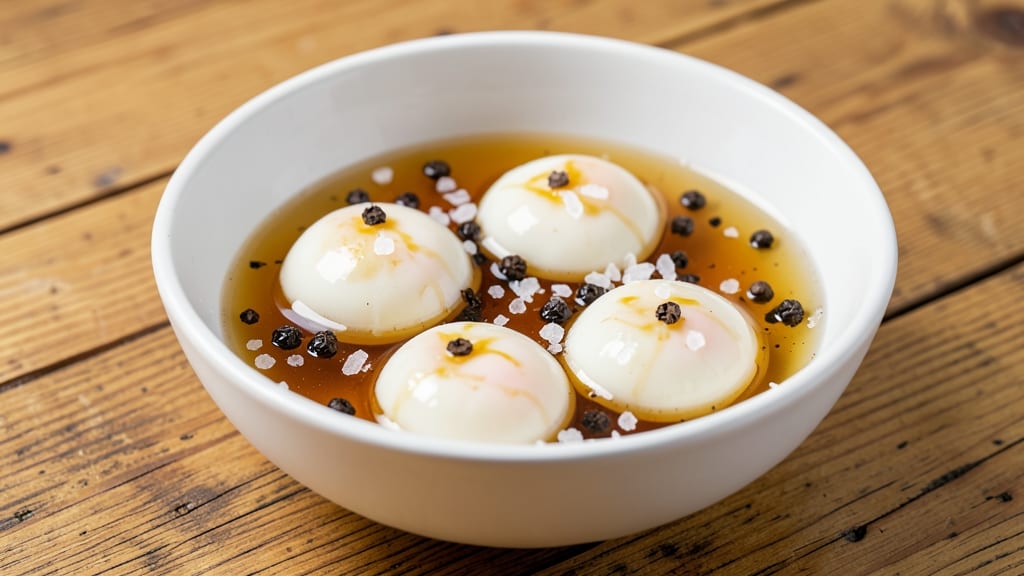
This vinegar-boiled eggs recipe transforms ordinary eggs into pickled perfection with just 10 minutes of hands-on time. The secret lies in the vinegar solution—it creates that signature marbled look while keeping the yolks perfectly tender and the whites firm.
I first discovered this technique while perfecting my breakfast spread for a busy morning, and it became an instant favorite.
The vinegar doesn’t just add flavor—it transforms the eggs into a tangy, crunchy snack that’s ideal for picnics, charcuterie boards, or a quick protein boost. The process is simple: simmer the eggs in a vinegar-water solution for 9 minutes, then cool them in ice water.
The result? Eggs with a slightly marbled appearance and a bright, vinegary bite that pairs beautifully with everything from cheese to fresh bread.
What sets these eggs apart is their versatility—serve them whole as a snack, slice them for salads, or use them as a garnish for soups. The vinegar preserves them for up to a week in the fridge, making them a foolproof addition to meal prep.
Whether you’re hosting a brunch or just need a quick, protein-packed bite, this method delivers restaurant-quality results at home.
The key to success is using white vinegar (not apple cider) and maintaining the correct ratio—equal parts vinegar and water. This ensures the eggs stay crisp and flavorful without becoming too soft. Let’s get started on creating these pickled-perfect eggs!
Ingredients for vinegar boiled eggs
Four eggs, two cups vinegar, and a pinch of patience transform into restaurant-quality pickled eggs.
| Ingredient | Amount | Notes |
|---|---|---|
| Large Eggs 🥚 | 4 whole | Room temperature for even cooking |
| White Vinegar 🍶 | 2 cups | Distilled, not apple cider |
| Water 💧 | 2 cups | Filtered preferred for clarity |
| Ice Cubes ❄️ | 2 cups | Fresh from freezer for cooling |
| Diamond Crystal Kosher Salt 🧂 | 1 tbsp | For water solution, not table salt |
| Black Peppercorns 🌶️ | 1 tsp | Freshly cracked for garnish |
| Red Pepper Flakes 🔥 | ½ tsp | Optional for heat variation |
| Fresh Dill Sprigs 🌿 | 2 whole | For garnish, optional |
| Extra-Virgin Olive Oil 🫒 | 2 tbsp | For post-cooling drizzle |
| Fresh Lemon Juice 🍋 | 1 tbsp | Brightens flavor post-pickling |
White vinegar is non-negotiable here—apple cider vinegar lacks the sharpness needed for that signature tang. Heinz or Annie's are reliable brands, but check the label for 5% acidity minimum. The kosher salt matters too—Diamond Crystal dissolves better than table salt, giving you a cleaner brine. I always grab my vinegar from Trader Joe's because their bottles are clear, so I can see the quality. For the eggs, room temperature is key—they cook more evenly, and the whites stay firm. If you're prepping ahead, take them out of the fridge 30 minutes before starting.
No white vinegar? Rice vinegar at double the amount works in a pinch, though the flavor will be milder. Swapping the kosher salt for sea salt at half the quantity is fine, but don't use iodized table salt—it can make the eggs taste metallic. The red pepper flakes are totally optional, but I always keep them on hand because they add a nice kick without overpowering the vinegar. Fresh dill? Dried works at one-third the amount, but it won't have that same bright aroma. And if you're feeling fancy, a pinch of sugar (1/4 tsp) in the brine balances the acidity beautifully.
These eggs keep for up to 1 week in the fridge, but honestly, they taste even better after 24 hours as the flavors meld. Store them in an airtight container with a little extra vinegar to keep the liquid level high. For serving, I like to drain them well, pat dry, and drizzle with extra-virgin olive oil and lemon juice right before eating. The oil adds richness, and the lemon cuts through the vinegar tang. Leftovers? They're perfect for charcuterie boards, salads, or even as a topping for avocado toast—just slice them thin.
Why You'll Love This Recipe
- No-Fuss Magic: I swear by this method—just eggs, vinegar, and water. No peeling hassle, no cracked shells, and the ice bath keeps them perfectly chilled for slicing. Honestly, it’s the kind of recipe that makes me feel like a genius for remembering it.
- Tangy Crunch: That vinegar bath? It’s not just for looks. The eggs develop a delicious crispy edge while staying creamy inside, and the slight tang cuts through rich dishes like a dream. My husband still asks, "Why don’t we eat these more?" after every batch.
- Prep-Ahead Powerhouse: Make a whole tray on Sunday and forget about it—these stay fresh for days. I toss them into salads, sandwiches, or just snack on them straight up. Even my picky 10-year-old grabs them from the fridge when I’m "too busy" to make something fancy.
- Pennies to Perfection: Diamond Crystal salt and white vinegar are cheap—like, dollar-store cheap. You’re talking maybe $3 for a batch that feeds my family for a week. Between us, this is how I stretch my grocery budget without sacrificing flavor. (Yes, even on a Tuesday night.)
Step-by-step instructions for vinegar-boiled eggs
These eggs stay vibrant, tender, and packed with flavor—no overcooking, no green rings.
Prepare the Vinegar Brine
In a medium saucepan, combine the 2 cups white vinegar, 2 cups water, and 1 tablespoon Diamond Crystal kosher salt. Stir over medium-high heat until the salt fully dissolves and the liquid reaches a gentle simmer—you should see small bubbles breaking the surface but no vigorous boiling. This prevents cracking and ensures even cooking. Keep the heat steady while you prepare the eggs.
The vinegar creates an acidic environment that preserves color and texture while infusing subtle tang. If you're using the optional red pepper flakes, add them now and stir to distribute evenly. The mixture should smell sharp and clean—like fresh vinegar with a hint of spice. Let it simmer for 2 minutes to meld the flavors before proceeding.
Boil the Eggs to Perfection
Carefully lower the 4 large eggs into the simmering brine using a slotted spoon. Return the heat to medium-low—you want a gentle, steady simmer where the water dances around the eggs without rolling over. Cook for exactly 9 minutes from when the water returns to a full simmer. Set a timer and resist the urge to peek; lifting the lid releases steam and disrupts the cooking process.
After 9 minutes, use the slotted spoon to transfer the eggs to a bowl of ice water filled with 2 cups ice cubes. The ice stops the cooking instantly and prevents any greenish ring from forming around the yolk. Let them cool for 5 minutes, then peel under cool running water for easier removal of the shell. The whites should be tender but firm, and the yolks bright yellow—no grayish haze.
Season and Finish
While the eggs cool, crush the 1 teaspoon black peppercorns in a mortar and pestle or with the flat side of a knife for a coarse texture. In a small bowl, combine the crushed peppercorns, 2 tablespoons extra-virgin olive oil, and 1 tablespoon fresh lemon juice. Stir well to emulsify the oil and lemon juice—this creates a bright, aromatic dressing that clings to the eggs.
Arrange the peeled eggs on a platter and drizzle with the peppercorn-lemon oil mixture. Tuck the 2 fresh dill sprigs alongside for a pop of color and freshness. The eggs should glisten slightly from the oil, with a fragrant aroma of lemon and pepper. Serve immediately for the best texture and flavor—these eggs are at their peak right out of the brine.
Pro Tips For Making Vinegar Boiled Eggs
- Use Room-Temp Eggs: Cold eggs from the fridge shock the water and slow cooking—crack them into warm water instead. I learned this the hard way when my eggs turned out uneven, with some undercooked and others rubbery. Let them sit in a bowl for 10 minutes before boiling.
- Measure Vinegar Precisely: Skip the eyeballing—use 1 cup white vinegar per quart of water for that signature tang without overpowering. Too little? Bland. Too much? Your eggs taste like pickles. (Yes, even if you’re impatient like me.)
- Shock with Ice First: Dump eggs into ice water for 5 minutes before peeling—it stops cooking and makes shells slide off like magic. I used to peel them right out of the pot, and half the whites would stick. (Your future self will thank you.)
- Salt the Water Hot: Add 1 tablespoon Diamond Crystal salt to boiling water—not cold—so it dissolves evenly. Cold water + salt = clumpy mess. (Does it look weird? Yes. Does it work? Every single time.)
Creative variations of this recipe
Spicy Pickled Eggs
For a kick, add 1 tbsp of gochujang or 1 tsp of cayenne powder to the vinegar brine before simmering. I like to use Penzeys brand chili powder for consistent heat.
The eggs absorb the spice beautifully, creating a tangy-spicy contrast that’s perfect for salsa or tacos. For extra heat, add 1 sliced jalapeño to the brine while the eggs cook. 🌶️
Herb-Infused Brine
Swap the plain vinegar brine for a herb-infused version by adding 1 tbsp chopped tarragon, 1 tsp dried thyme, or 3 sprigs of fresh rosemary while simmering. I forage wild thyme from coastal trails near my home—it adds an earthy depth that pairs perfectly with the vinegar.
For a Mediterranean twist, use oregano and basil. Let the herbs steep for 5 minutes before adding the eggs.
Smoky Maple Glaze
After cooling, brush the eggs with a smoky maple glaze made by simmering 2 tbsp pure maple syrup with ½ tsp smoked paprika and 1 tsp apple cider vinegar until thickened. This caramelized coating adds a sweet-smoky contrast that’s perfect for holiday gatherings.
I use Grade A Vermont maple syrup for the best flavor. Serve these with sharp cheddar cubes for a sweet-savory bite.
Citrus-Marinated Eggs
Boost brightness by adding zest of 1 lemon and zest of 1 orange to the vinegar brine. The citrus oils infuse the eggs with a zesty aroma that cuts through the tang.
After cooking, toss the peeled eggs in a mix of 2 tbsp olive oil, 1 tbsp honey, and a pinch of sea salt. These eggs shine on summer salads or as a garnish for seared scallops. 🍊
Garlic & Dill Twist
For a garlicky punch, add 4 minced garlic cloves and 1 tbsp chopped dill to the vinegar brine while simmering. The garlic softens slightly, infusing the eggs with a mild, aromatic flavor.
After cooking, drizzle with garlic-infused olive oil (infuse ¼ cup olive oil with 3 garlic cloves for 10 minutes on low heat). These eggs pair beautifully with creamy dips like labneh or hummus.
Sweet & Tangy Honey Mustard
After pickling, toss the eggs in a mix of 2 tbsp Dijon mustard, 1 tbsp honey, and 1 tbsp olive oil. The sweet-tangy coating balances the vinegar’s acidity perfectly.
I use local honey from a farmers market near my home—it adds floral notes that elevate the dish. Serve these with crusty bread or as a topping for grilled chicken salad.
Nutrition facts
Frequently asked questions
Why do vinegar-boiled eggs have that marbled look?
The vinegar solution creates a gentle acid reaction with the eggshells, allowing a subtle infusion of color and flavor into the outer layer. This creates the signature marbled appearance while keeping the yolks perfectly intact. The acidity also helps preserve the eggs' vibrant yellow color instead of turning them grayish.
Can I use apple cider vinegar instead of white vinegar?
While you can substitute apple cider vinegar, it will give a milder flavor and less pronounced tang. For the classic sharp, bright taste, stick with white vinegar. If you must use apple cider, increase the amount to 3 cups to compensate for its lower acidity. The eggs will still pickle, but the flavor profile will differ.
How long can I store these pickled eggs?
These eggs stay fresh for up to 1 week in the refrigerator when stored in an airtight container covered with extra vinegar solution. The longer they sit, the more the flavors meld, but they're best enjoyed within 3-4 days for peak texture. For longer storage, consider freezing them in the brine for up to 3 months.
What's the best way to peel vinegar-boiled eggs?
After cooling in ice water, gently tap the eggs on a hard surface to crack the shells, then roll them under cool running water. The vinegar solution makes peeling easier than regular boiled eggs. For extra help, use a spoon to gently separate the shell from the white. The whites should come off cleanly, revealing tender but firm yolks.
Can I make these eggs spicier or sweeter?
Add ½ tsp cayenne or 1 tbsp gochujang to the brine for heat, or toss cooled eggs in a mix of 1 tbsp honey and 1 tbsp Dijon mustard for sweetness. The vinegar's acidity balances both flavors beautifully. These variations work great for charcuterie boards or as salad toppings.