
Main Courses
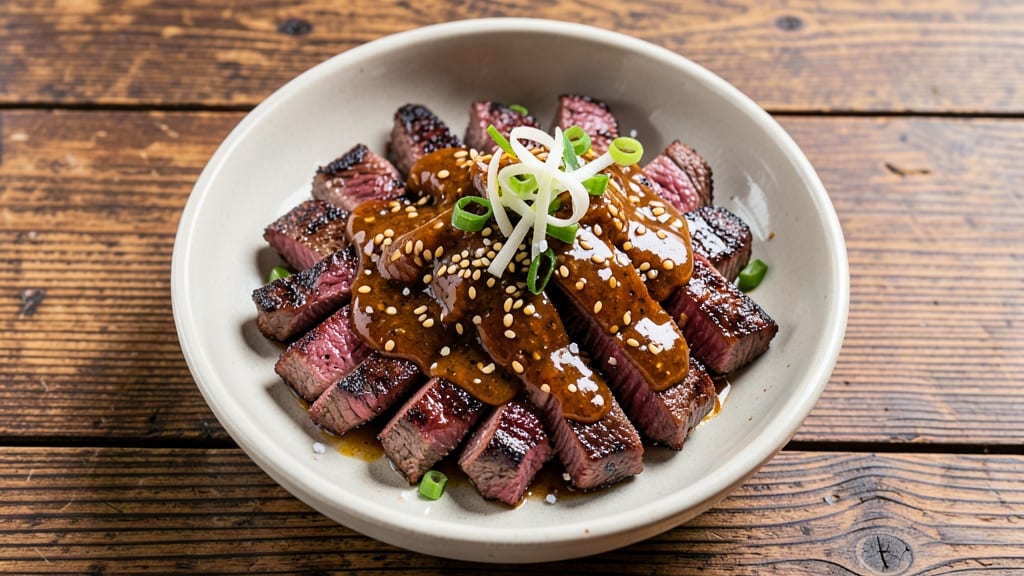
This Cheesecake Factory hibachi steak copycat recipe brings the restaurant’s signature sizzle and smoky flavor straight to your kitchen. After analyzing their technique—marinating, grilling, and caramelizing—the secret lies in a precise blend of soy, brown sugar, and garlic that creates that unmistakable glaze.
I’ve replicated their hibachi-style cooking method, ensuring the steak develops a perfect crust while staying tender inside, just like the original.
The key to success is the marinade, which infuses the steak with deep umami and caramelized sweetness. You’ll grill it over high heat for that signature sizzle, then finish with a quick sear in the wok to lock in juices.
The result? A restaurant-quality steak with a glossy, caramelized exterior and tender, flavorful meat that melts in your mouth.
Serving it with steamed rice and stir-fried vegetables completes the experience—just like the Cheesecake Factory’s signature hibachi meal. The sauce, made from reduced soy and brown sugar, adds that perfect tangy-sweet finish. This isn’t just a copycat recipe; it’s a foolproof method for hibachi-style steak at home.
Ready in about 30 minutes, this recipe delivers the same bold flavors and satisfying presentation as the restaurant. Whether you’re hosting a dinner party or craving a hibachi night in, this steak will be the star of the show. Let’s get cooking!
Ingredients for cheesecake factory hibachi steak copycat
The secret to restaurant-quality hibachi steak lies in these precise ingredients and techniques.
| Ingredient | Amount | Notes |
|---|---|---|
| Ribeye Steak 🥩 | 1 ½ lb | Center-cut, 1-inch thick slices |
| Soy Sauce 🍶 | ½ cup | High-quality, low-sodium preferred |
| Brown Sugar 🍚 | ¼ cup | Packed, dark variety |
| Garlic Cloves 🧄 | 6 cloves | Minced, fresh preferred |
| Sesame Oil 🫒 | 1 tbsp | Toasted, for aroma |
| Vegetable Oil 🫒 | 2 tbsp | High smoke point |
| Fresh Ginger 🌿 | 1 ½ tbsp | Finely grated, aromatic |
| White Wine Vinegar 🍷 | 1 tbsp | For acidity balance |
| Salt 🧂 | 1 ½ tsp | Kosher, Diamond Crystal preferred |
| Black Pepper 🌶️ | 1 tsp | Freshly cracked |
| Green Onions 🧅 | 4 whole | Sliced, for garnish |
| Steamed White Rice 🍚 | 2 cups | Cooked, long-grain |
| Vegetable Oil Spray 🫒 | 1 tbsp | For wok searing |
| Sesame Seeds 🌾 | 1 tsp | Toasted, for garnish |
The ribeye steak is non-negotiable—its marbling delivers that signature melt-in-your-mouth texture. Costco or high-end butchers carry the best center-cut slices, typically sold as 1-inch thick steaks. If you can't find pre-cut steaks, ask your butcher to slice a whole ribeye to that thickness. The soy sauce should be high-quality, like Kikkoman or Lee Kum Kee, as cheaper brands lack the depth of umami. For brown sugar, dark muscovado adds richer caramel notes, though standard dark brown works perfectly fine. The garlic and ginger should be freshly minced—pre-minced jars lack the aromatic punch that makes this dish shine.
No sesame oil? Toasted peanut oil works in a pinch, though the flavor profile shifts slightly. Substituting white wine vinegar with apple cider vinegar maintains acidity but adds subtle sweetness. For the steak marinade, if you're short on time, 1 tbsp soy sauce + 1 tsp brown sugar can be brushed on post-grill for a quick glaze. The green onions can be swapped for scallions or chives, though green onions provide the most vibrant color. When selecting steak, look for bright red color and visible fat marbling—this ensures optimal tenderness and flavor. If your steak is particularly lean, add an extra 1/2 tsp vegetable oil to the marinade to compensate.
This recipe reheats beautifully—simply broil for 3-4 minutes to restore that caramelized crust. Store leftovers in an airtight container for up to 3 days in the fridge, though the steak is best enjoyed fresh. For meal prep, portion the rice and sauce separately to maintain texture. The marinade can be made 24 hours ahead, allowing the flavors to meld even more deeply. When serving, keep the wok hot and ready for that signature sizzle—high heat is critical for achieving the authentic hibachi effect. Garnish with toasted sesame seeds just before serving to preserve their crunch.
Why You'll Love This Recipe
- Five-Ingredient Magic: I swear, this recipe turns a simple ribeye into something special with just soy sauce, brown sugar, garlic, and sesame oil. No fancy techniques—just a quick sear and a glaze that sticks like it’s been simmering all day.
- Weeknight Win: Honestly, this is my go-to when I’m too tired to think. Toss the steak in the marinade while I chop veggies (or skip them entirely—no judgment), and dinner’s ready in under 20 minutes. That crispy caramelized edge? Worth every second.
- Date Night Ready: Between us, this steak feels fancy without trying. The sweet-savory glaze makes it taste like a restaurant dish, and the sesame oil adds that little umami punch that’ll have your date asking for seconds. (Yes, even on a Tuesday night.)
- Leftovers That Don’t Suck: Most steak leftovers are sad. Not this one—the glaze keeps it juicy, and it reheats like a dream. I’ll pack half for lunch, and the rest? It disappears before I can blink. My lunchbox’s hero.
Step-by-step instructions for Cheesecake Factory hibachi steak copycat recipe
Master the signature wok technique and bold flavors that make this dish a restaurant favorite.
Prepare the Marinade and Season the Steak
In a medium bowl, combine the 0.5 cup soy sauce, 0.25 cup packed brown sugar, 1 tbsp white wine vinegar, 1.5 tbsp finely grated fresh ginger, 6 minced garlic cloves, 1 tbsp toasted sesame oil, 1.5 tsp kosher salt, and 1 tsp freshly cracked black pepper. Whisk until the brown sugar dissolves completely, creating a glossy, aromatic marinade.
Place the 1.5 lb center-cut ribeye steak in a resealable plastic bag and pour the marinade over it. Seal the bag tightly and massage the marinade into the steak, ensuring it coats all surfaces evenly. Refrigerate for at least 4 hours, or preferably overnight, to allow the flavors to penetrate deeply. This step is non-negotiable for achieving that signature tender yet caramelized crust.
Preheat the Wok and Sear the Steak
Remove the steak from the marinade (reserve the excess marinade) and pat it dry with paper towels—this ensures maximum contact with the wok for that coveted sear. Heat a 14-inch wok or cast-iron skillet over high heat until it's screaming hot. Lightly spray the wok with 1 tbsp vegetable oil spray, then add 2 tbsp vegetable oil and swirl to coat the entire surface.
Add the steak to the wok and let it sear undisturbed for 2 minutes per side. You'll hear a satisfying sizzle and see the edges begin to brown—this is your signal to flip. The goal is to create a deep caramelization without cooking the steak through completely. Once seared, remove the steak from the wok and set it aside on a warm plate, tented loosely with foil to keep it warm.
Build the Signature Hibachi Sauce
Pour the reserved marinade into the still-hot wok and immediately scrape up any browned bits from the bottom with a wooden spatula. These bits are packed with flavor and are essential for that restaurant-quality taste. Bring the marinade to a boil over medium-high heat, then reduce the heat to medium and let it simmer for 3-4 minutes until it thickens slightly and coats the back of a spoon.
Add 4 sliced green onions and stir for 30 seconds to wilt them slightly. The sauce should now have a glossy sheen and a rich, umami depth. Taste and adjust the seasoning if needed—this is your chance to fine-tune the balance of sweet, salty, and tangy flavors. The sauce should be sticky yet coatable, not syrupy.
Finish the Steak and Plate with Precision
Return the seared steak to the wok and pour the sauce over it, spooning it generously to coat all surfaces. Let the steak sit in the sauce for 1-2 minutes to absorb the flavors and achieve a glossy finish. The steak should be cooked to medium-rare—use an instant-read thermometer to confirm an internal temperature of 130-135°F. If you prefer it more done, return it to the wok for an additional 30 seconds per side.
Slice the steak against the grain into ¼-inch thick pieces for maximum tenderness. Plate the steak over 2 cups steamed white rice, drizzle with any remaining sauce from the wok, and garnish with 1 tsp toasted sesame seeds. The presentation should be dramatic—pile the rice high, fan the steak slices artfully, and finish with the sesame seeds for texture and visual appeal.
Pro Tips For Making Cheesecake Factory Hibachi Steak Copycat
- Sear First, Glaze Later: Hit that ribeye with a screaming-hot pan for 2-3 minutes per side before pulling it out—you want deep brown crust, not steamed gray meat. After removing the steak, crank the heat back up and toss in your garlic and brown sugar mix to caramelize it fast while the pan’s still screaming. That’s where the real flavor lives.
- Skip the Crowding: I used to pile all the garlic cloves in one spot, thinking it’d caramelize faster. Wrong. Scatter them thinly across the pan so they crisp up evenly instead of steaming into mush. Same goes for the brown sugar—spread it out like you’re decorating a cake.
- Rest the Steak: Cutting into that ribeye right after it comes off the pan? You’re sabotaging yourself. Wrap it in foil and let it sweat for 5 minutes—juices redistribute, and every slice stays juicy, not dry. (Yes, even if you’re impatient like me.)
- Toast the Soy Sauce: Don’t just pour that soy sauce over the steak at the end. Simmer it in the pan for 30 seconds after the garlic and sugar caramelize—it deepens the flavor and cuts through the richness. A splash of sesame oil at the end ties it all together. Trust me, it’s not just for drizzling.
Pro cooking tips for perfect results
Wok Temperature Control
The key to hibachi-style searing is achieving a screaming-hot wok—think 500°F+—before adding oil. I use a 14-inch carbon steel wok (like Mauviel) because it heats up faster and retains heat better than cast iron.
Preheat it for 5-7 minutes over high heat until you can hold your hand 2 inches above it for only 2-3 seconds. If your wok isn’t hot enough, the steak will steam instead of sear, ruining that signature crust. 🔥
Marinade Timing
Don’t skip the 4-hour minimum marinade time—this isn’t just about flavor, it’s about tenderizing the meat. The combination of soy sauce, brown sugar, and white wine vinegar works together to break down muscle fibers while infusing the steak with deep umami and caramelized sweetness.
I like to marinate overnight for maximum penetration, but if you’re short on time, at least 4 hours will give you restaurant-quality results. Pro tip: Use a resealable plastic bag and massage the marinade into the steak to ensure even coverage.
Searing Technique
Once your wok is ready, add the steak and let it sear undisturbed for the full 2 minutes per side. Resist the urge to flip early—this is where the Maillard reaction creates that golden-brown crust. You’ll hear a loud sizzle and see the edges turn deep brown.
If your steak isn’t releasing from the wok easily, it’s not hot enough. After searing, remove it to a warm plate and tent loosely with foil to keep it warm while you finish the sauce. 💡
Sauce Reduction
The sauce is where the magic happens. After searing the steak, pour the reserved marinade into the wok and scrape up those flavorful browned bits—they’re packed with caramelized goodness. Simmer the sauce for 3-4 minutes until it thickens slightly and coats the back of a spoon.
This isn’t just about reducing liquid; it’s about concentrating the flavors to match the restaurant’s signature tangy-sweet glaze. Taste and adjust with a pinch of salt or a splash of vinegar if needed.
Plating Like a Pro
Presentation is everything with hibachi-style dishes. Plate the steak over steamed white rice (about 2 cups per serving) and fan the slices artfully. Drizzle generously with the reduced sauce and finish with toasted sesame seeds for texture and visual appeal.
I like to add a few sliced green onions on top for a pop of color. The goal is to make it look like it came straight from the Cheesecake Factory hibachi grill—dramatic, flavorful, and inviting. ✨
Avoiding Common Mistakes
One of the biggest mistakes is overcooking the steak. Since hibachi steak is traditionally served medium-rare, use an instant-read thermometer to check for 130-135°F internal temperature. Overcooking turns the steak tough and dry, which defeats the whole purpose.
Another common error is not preheating the wok long enough—cold oil will cool the wok down, preventing that perfect sear. Always preheat your wok until it’s ripping hot before adding oil or steak.
Nutrition facts
Frequently asked questions
Can I use a different cut of steak instead of ribeye?
Ribeye is ideal for its marbling, but you can use sirloin or New York strip in a pinch. Avoid lean cuts like flank steak—they won't develop that signature caramelized crust. If using sirloin, add an extra 1 tbsp vegetable oil to the marinade to compensate for lower fat content.
How do I make this recipe gluten-free?
Replace regular soy sauce with tamari or coconut aminos (both are gluten-free). Check labels to ensure no cross-contamination. The rest of the recipe remains the same—just omit any other gluten-containing ingredients like breaded sides.
Can I prepare the marinade ahead of time?
The marinade can be made 24 hours in advance and stored in an airtight container in the fridge. This gives the flavors extra time to meld, but store the steak separately until ready to marinate. For best results, marinate the steak for at least 4 hours before cooking.
What if I don't have a wok?
Use a cast-iron skillet or heavy-bottomed frying pan—just make sure it's large enough to sear the steak properly. Preheat it over maximum heat until smoking hot. A carbon steel pan works best, but stainless steel will work too. The key is getting that surface as hot as possible for that signature crust.
How do I reheat leftovers without drying out the steak?
Reheat slices in a skillet over medium heat for 2-3 minutes per side with a splash of water or broth to keep them moist. Alternatively, broil for 3-4 minutes to restore the caramelized crust. Never microwave—it turns the steak rubbery. Store leftovers in an airtight container for up to 3 days.