
Main Courses
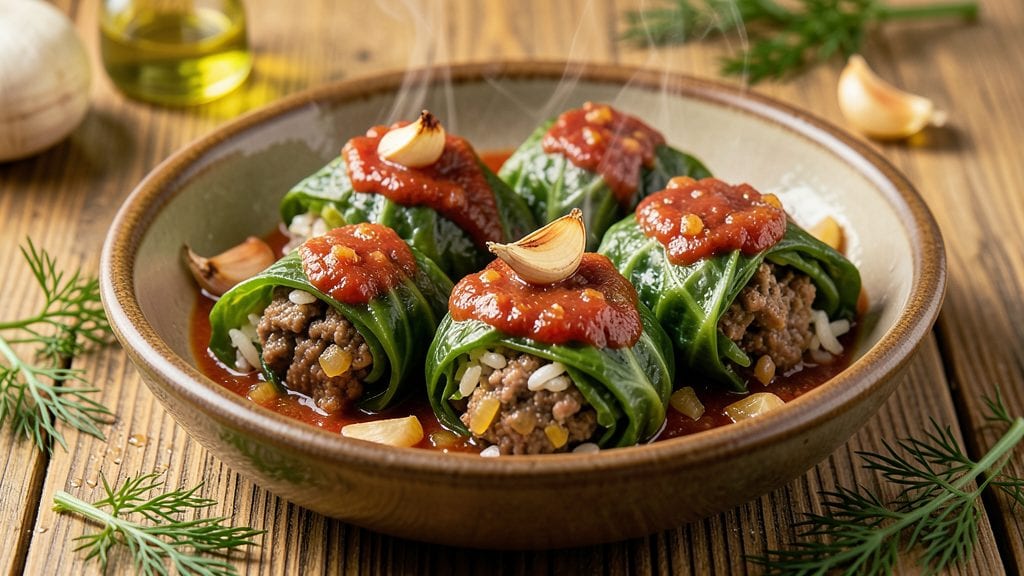
This one-pot stuffed cabbage rolls recipe transforms traditional dolmas into a modern, hands-off meal that delivers restaurant-quality results without the fuss.
Standing on a step stool in my grandmother's kitchen in Sicily, I learned how tender cabbage leaves and herby fillings create dishes that feed the soul—and this version keeps all that heart while making it simpler.
The secret lies in parboiling the cabbage just enough to soften it without losing structure, then filling with a savory mix that simmers into perfect tenderness in one pot.
The filling is where this recipe shines—ground meat (or plant-based crumbles) blended with rice, aromatics, and herbs that build flavor as they cook. Unlike traditional recipes that require rolling each leaf individually, this method uses pre-softened cabbage that holds its shape while absorbing the rich, herby filling.
Ready in just 45 minutes, it delivers the same comforting flavors I remember from Nonna's table, but with a technique that works for busy weeknights.
What you'll end up with is a pot of golden, fragrant cabbage rolls swimming in a velvety tomato sauce that's rich enough to stand alone or pair perfectly with crusty bread.
The cabbage leaves stay tender yet hold their shape, while the filling transforms from raw ingredients into a harmonious blend of textures and flavors. This is the kind of dish that tastes like home—whether you're feeding a family or treating yourself to a comforting meal.
For those who prefer plant-based options, simply swap the meat for finely chopped mushrooms, lentils, or walnuts—no one will miss the difference. The one-pot method means less cleanup, and the flavors only deepen as it sits, making it perfect for meal prep.
Here's how to make it—just like Nonna would, but with a modern twist.
Ingredients for stuffed cabbage rolls
One cabbage head, ground beef, and herbs—this one-pot recipe delivers Nonna's flavors with modern ease.
| Ingredient | Amount | Notes |
|---|---|---|
| Green Cabbage 🥬 | 1 whole | Heads weighing 1.5-2 lbs |
| Ground Beef 🥩 | 1 ½ lb | 80% lean, finely ground |
| Long-Grain White Rice 🍚 | 1 cup | Uncooked, converted rice |
| Tomato Sauce 🍅 | 2 cups | Canned, San Marzano preferred |
| Yellow Onion 🧅 | 1 whole | Medium size, diced |
| Garlic Cloves 🧄 | 4 cloves | Fresh, minced |
| Fresh Parsley 🌿 | ¼ cup | Chopped, stems removed |
| Fresh Dill 🌿 | ¼ cup | Chopped, stems removed |
| Extra-Virgin Olive Oil 🫒 | 2 tbsp | High quality, fruity |
| Salt 🧂 | 1 ½ tsp | Diamond Crystal preferred |
| Black Pepper 🌶️ | ½ tsp | Freshly ground |
| Bay Leaves 🌿 | 2 whole | Dried, crushed |
| Water 💧 | 1 ½ cups | For rice cooking |
The cabbage is your canvas here. Look for heads with tightly packed leaves and no yellowing—the outer leaves get trimmed away, so focus on the inner quality. Whole Foods or local farms often carry fresher cabbage than grocery stores, but any green cabbage works. For the beef, 80% lean ground chuck gives the best texture, though ground turkey or plant-based crumbles work equally well. The herbs? Fresh parsley and dill are ideal, but dried at one-third the amount keeps this doable on busy days. I always double-check my herbs smell fresh—no mustiness, please.
No San Marzano tomatoes? Any quality canned tomato sauce works—just look for no added salt. The rice can be converted or jasmine, but white rice is standard for this dish. Short on dill? Substitute with Italian seasoning or more parsley. The bay leaves are non-negotiable for depth, but if you're out, a pinch of cinnamon adds warmth. For plant-based versions, I've had great success with walnuts or finely chopped mushrooms—just pulse them in a food processor for that meaty texture. The olive oil matters too—use something fruity and peppery, not the mild stuff.
This dish tastes even better the next day, so make extra—it keeps for 5 days in the fridge or 3 months frozen. For freezing, portion into individual containers before sealing. The cabbage leaves stay tender when reheated gently—just cover with a damp paper towel. The filling can be prepped ahead and stored separately for 2 days before assembling. Leftovers reheat beautifully in a skillet with a splash of water to restore moisture.
Why You'll Love This Recipe
- One-Pan Magic: I swear by this trick—just brown the beef and onions, mix in the rice and sauce, then stuff the cabbage leaves right on the same pan. No extra pots, no mess, and honestly? The flavors meld better that way.
- Meat-and-Cabbage Harmony: That crisp-tender cabbage wrapped around juicy beef and fluffy rice? It’s like a hug in food form. The onion adds a sweet depth, while the tomato sauce ties everything together—simple, but ridiculously satisfying.
- Leftovers? Please.: These stay perfect for days, whether reheated or tossed cold into salads. Between us, I make a double batch on Sundays because my kids beg for them all week—no sad, dried-out leftovers here.
- Budget Dinner Done Right: Ground beef, rice, and a head of cabbage stretch for a whole family. I’ll be real: it’s my go-to when groceries are tight, but somehow it still feels like a special meal. (Yes, even on a Tuesday night.)
Step-by-step instructions for one-pot stuffed cabbage rolls
This method delivers tender, flavorful cabbage rolls without the fuss of individual wrapping.
Prepare the Cabbage Leaves
Core the 1 whole green cabbage by removing the hard stem at the base. Place it in a large pot and cover with cold water. Bring to a boil over high heat, then immediately reduce to medium-high and simmer for 5-7 minutes until the leaves soften and become pliable. Drain and set aside.
While the cabbage cooks, separate the leaves carefully, removing any tough outer layers. You should have enough leaves to make 4 large rolls. Keep them covered with a damp towel to prevent drying. The goal is to create tender, flexible leaves that won't tear when stuffed—this is where the one-pot magic begins.
Cook the Filling Mixture
In the same pot (no need to clean it), heat the 2 tablespoons extra-virgin olive oil over medium heat. Add the diced 1 whole yellow onion and cook for 5 minutes until translucent. Add the 4 minced garlic cloves and cook for 30 seconds until fragrant.
Add the 1.5 pounds ground beef and cook for 5-7 minutes, breaking it apart with a wooden spoon, until it loses its raw color. Drain any excess fat if needed. Stir in the 1 cup long-grain white rice, 1.5 teaspoons salt, 0.5 teaspoon black pepper, and the 2 crushed bay leaves. Cook for 2 more minutes to toast the rice slightly.
Assemble the Rolls in One Pot
Remove the pot from heat and stir in the 2 cups tomato sauce, 0.25 cup chopped fresh parsley, and 0.25 cup chopped fresh dill. The sauce will help bind the filling and keep everything moist during cooking. Return the pot to medium heat and bring the mixture to a gentle simmer.
Working quickly, place 1-2 tablespoons of filling onto each pliable cabbage leaf. Fold the sides inward and roll tightly from the stem end, tucking in the sides as you go. Place each completed roll seam-side down in the pot. You'll have enough filling for 4 rolls.
Simmer Until Tender
Pour the 1.5 cups water into the pot, ensuring the rolls are partially submerged. Bring to a gentle boil, then reduce heat to low, cover with a tight-fitting lid, and simmer for 45-50 minutes. The rolls are done when the rice is tender and the cabbage leaves are soft but still hold their shape.
Check occasionally to ensure the water level doesn't drop below the rolls. If needed, add a splash of water to prevent sticking. The aroma will fill your kitchen—this is the moment you know it's working. The one-pot method ensures everything cooks evenly with maximum flavor.
Pro Tips For Making Stuffed Cabbage Rolls
- Parboil Cabbage Leaves: Drop whole cabbage heads into boiling water for 3-4 minutes—just until the leaves soften enough to separate easily. I used to tear them raw and they’d turn to mush; this keeps them sturdy enough to hold filling without falling apart. Drain and cool on a towel before stuffing.
- Brown the Beef First: Cook the ground beef until it’s deeply browned, not just pink—this builds flavor that weak tomato sauce can’t hide. I learned this the hard way: skipping this step leaves you with bland filling. Drain fat but leave a teaspoon behind for moisture.
- Use Day-Old Rice: Cold, dry rice absorbs sauce better and won’t turn your rolls into soggy dumplings. Cook rice a day ahead, spread it on a tray to cool, then mix with filling. Fresh rice? You’ll regret it—your rolls will steam apart before they brown.
- Layer Sauce Under Rolls: Spread a thin layer of tomato sauce in the pot before adding rolls—it prevents sticking and ensures even cooking. I used to just dump sauce over the top, and half the rolls would stick like glue. A spoonful in the bottom makes all the difference.
Common mistakes when making this dish
Overcooking Cabbage
I’ve seen this happen more times than I can count—cabbage leaves that turn mushy and fall apart like soggy paper. The key is timing: parboil for only 5-7 minutes over medium-high heat, no longer. If you overcook, the leaves lose their structure and won’t hold the filling.
Pro tip: Test one leaf by pressing it gently—it should bend without tearing. If it’s still stiff, give it another minute. Overcooked cabbage ruins the whole dish, so keep an eye on that pot! 🥬
Skipping the Rice Toast
Some recipes just toss in the raw rice without toasting it first, but that’s a missed opportunity for flavor. When you cook the rice with the meat for 2 minutes before adding liquid, it absorbs the meaty juices and aromatics, creating a deeper, more complex filling.
I learned this trick from my Nonna—she’d always say, "Aromas build flavor, Melanie." Trust me, those 2 minutes make a difference. 🌶️
Using Tough Outer Leaves
This is a rookie mistake that drives me crazy—I’ve seen people use the outer, thick cabbage leaves straight from the head. Those leaves are too tough to roll properly and won’t soften even after simmering. Always trim away the outer 2-3 layers of leaves before using the inner, tender ones.
They’re the ones that’ll hold the filling beautifully and stay intact while cooking. Think of it like peeling an onion—you want the sweetest, most pliable layers! 🌿
Not Enough Liquid
One of the biggest reasons stuffed cabbage rolls turn out dry is not adding enough liquid. The rolls need to be partially submerged in the simmering liquid to cook evenly. If the water level drops below the rolls, they’ll steam instead of simmer, leading to tough, dry cabbage.
I always add 1.5 cups of water and check halfway through—if it’s evaporated, add a splash more. This keeps everything moist and flavorful. 💧
Rushing the Simmer Time
Patience is key here—45-50 minutes of gentle simmering is non-negotiable. I’ve seen people pull the rolls out too soon because they’re in a hurry, and the result is undercooked rice and tough cabbage. The rolls need time to absorb the flavors and become tender.
If you’re short on time, start with pre-cooked rice in the filling, but don’t skimp on the simmering. Good things take time, just like Nonna always said. ⏰
Ignoring the Damp Towel
Here’s a pro move I picked up from my grandmother: keep the cabbage leaves covered with a damp towel while you prep the filling. This prevents them from drying out before you roll them up. Dry leaves crack when stuffed and fall apart during cooking.
A damp towel keeps them flexible and ready to roll. It’s a small detail, but it makes all the difference in the world. Trust me, your rolls will thank you! 🧻
Nutrition facts
Frequently asked questions
Can I make stuffed cabbage rolls without meat?
For a vegetarian version, swap the ground beef for 1 cup cooked lentils, 1 cup finely chopped mushrooms, or 1 cup walnuts pulsed in a food processor. The texture stays hearty and absorbs flavors beautifully. Just ensure your filling is packed tightly into the leaves for structure.
How do I store leftover stuffed cabbage rolls?
Store in an airtight container in the fridge for up to 5 days. For freezing, portion into individual containers before sealing—they keep for 3 months. Reheat gently in a skillet with a splash of water or microwave covered with a damp paper towel to restore moisture. The flavors actually deepen over time!
Why do my cabbage leaves tear when rolling?
This usually happens when leaves aren't softened enough or are dry. Parboil for exactly 5-7 minutes over medium-high heat, then keep them covered with a damp towel while working. If leaves still crack, try a larger spoon to spread filling thinner or use slightly bigger leaves. Patience is key—don't force them!
Can I use red cabbage instead of green?
Red cabbage works but has a stronger color that may bleed into the filling. For best results, stick with green cabbage for traditional flavor and texture. If you must use red, parboil for 3-5 minutes less to prevent over-softening. The color contrast is pretty, but green cabbage delivers the classic taste!
What's the secret to keeping the rolls intact while cooking?
Roll them tightly with the seam-side down in the pot and ensure they're partially submerged in liquid. Never skip the 1.5 cups water—this prevents drying. If rolls unravel, it's usually from insufficient liquid or under-stuffed leaves. The one-pot method keeps everything cohesive when done right!