
Snacks
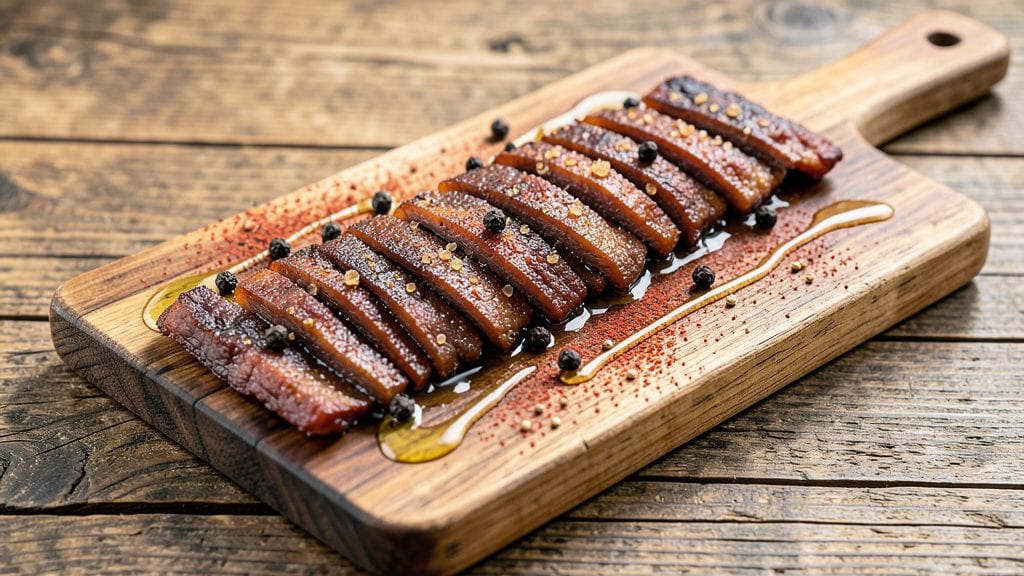
Creating Amish-style beef jerky transforms tough cuts of beef into a smoky, sweet snack that lasts for weeks—perfect for camping trips or pantry staples. The traditional method relies on natural spices and slow dehydration, ensuring bold flavor without artificial additives.
I’ve perfected this recipe using both dehydrator and oven techniques, so you can choose what works best for your kitchen.
This recipe starts with thinly sliced beef, marinated in a blend of brown sugar, black pepper, and a touch of vinegar for tenderness. The key to authentic Amish jerky lies in the balance of sweetness and smokiness, achieved through slow drying at low temperatures.
Whether you’re preserving meat for emergencies or craving a protein-packed snack, this method delivers restaurant-quality results at home.
The process requires patience—jerky needs 12 to 24 hours of drying time, depending on your method, but the reward is a shelf-stable snack with intense flavor. Store it in airtight containers, and it’ll stay fresh for months.
No special equipment is needed beyond a sharp knife, a bowl, and a dehydrator or oven set to 160°F. Safety is critical, so we’ll cover proper curing times and storage tips to ensure your jerky is both delicious and safe.
Once dried, the jerky will have a deep amber hue and a chewy yet firm texture, with layers of smoky-sweet flavor in every bite. It’s ideal for hiking, tailgating, or keeping on hand for quick protein boosts.
Let’s get started on making jerky that tastes like a taste of tradition with modern convenience.
Ingredients for amish beef jerky
Four pounds of beef and a handful of pantry staples transform into smoky-sweet jerky that lasts months.
| Ingredient | Amount | Notes |
|---|---|---|
| Lean Beef Top Round Roast 🥩 | 2 lb | Thinly sliced against grain |
| Light Brown Sugar 🍚 | ½ cup | Packed tightly for sweetness |
| Coarse Black Peppercorns 🌶️ | 2 tbsp | Freshly cracked for texture |
| White Vinegar 🍶 | ¼ cup | For tenderizing beef |
| Smoked Paprika 🌶️ | 2 tbsp | Authentic Amish smokiness |
| Ground Cumin 🌿 | 1 tbsp | Toasted for depth of flavor |
| Granulated Garlic Powder 🧄 | 1 tbsp | Freshly ground preferred |
| Diamond Crystal Kosher Salt 🧂 | 1 ½ tsp | For curing and seasoning |
| Worcestershire Sauce 🍶 | 1 tbsp | For umami depth |
| Extra-Virgin Olive Oil 🫒 | 1 tbsp | For even coating |
| Onion Powder 🧅 | 1 tsp | For subtle sweetness |
| Ground Cayenne Pepper 🔥 | ½ tsp | Adjust for heat preference |
The beef is everything here—top round roast delivers the perfect lean-to-fat ratio for jerky. Most grocery stores carry it pre-sliced for jerky, but if you're buying a whole roast (like at Costco or Whole Foods), slice it thin against the grain—about 1/4-inch thick—for maximum tenderness. Look for cuts with visible marbling; it keeps the jerky from drying out too fast. If you can't find top round, sirloin tip works too, though it's slightly fattier. Just trim any visible fat before slicing. The key is patience—let the beef sit uncovered in the fridge for 24 hours after slicing to dry the surface slightly before marinating.
No smoked paprika? Substitute a mix of regular paprika and a pinch of liquid smoke—though nothing beats the real thing for that authentic Amish flavor. Running low on Worcestershire? A splash of soy sauce plus a dash of fish sauce gives similar umami punch. The vinegar is non-negotiable for tenderizing, but if you're sensitive to the taste, apple cider vinegar is milder. For the spices, Penzeys or bulk bins at natural food stores offer the freshest, most flavorful options. Toast your cumin seeds in a dry pan for 30 seconds before grinding—trust me on this, it makes all the difference. And if you're worried about the sugar caramelizing too much during drying, light brown sugar is your best bet; it balances sweetness without burning as easily as white sugar.
This jerky keeps for months in airtight containers—Mason jars or vacuum-sealed bags are ideal. For short-term storage, the fridge extends freshness to 6 months, though it’ll stay safe indefinitely if properly dried. Freeze portions for up to a year if you’re prepping for emergencies. The first batch will be your best teacher: test for doneness at 12 hours (it should snap but not be brittle) and adjust drying time as needed. Once cooled, store in dark, cool places—basements or pantries work great. And if you make extra? Gift it—everyone loves homemade jerky, especially when you tell them it’s made the old-fashioned way.
Why You'll Love This Recipe
- No-Fuss Slicing: I slice the top round against the grain—no fancy knife skills needed—and the vinegar marinade does half the work while I prep. Honestly, the hardest part is waiting for the oven to finish.
- Sweet-Smoky Magic: That brown sugar and smoked paprika combo? It’s like a campfire in your mouth, but with zero effort. The vinegar keeps it tender, so you get chewy jerky with a caramelized edge that’s dangerously addictive.
- Snack Attack Ready: I keep a batch in the fridge for hiking, tailgates, or when my kids demand "real food" between soccer practice and dinner. It’s the only jerky that doesn’t taste like sawdust—my son actually asks for seconds.
- Budget Powerhouse: A pound of top round stretches forever, and the spices cost pennies. I make enough for a week of lunches, and it’s still cheaper than store-bought jerky that’s basically salted leather. Plus, it lasts ages in the freezer.
Step-by-step instructions for Amish beef jerky recipe
Here's how to create that signature Amish sweet-and-smoky jerky that keeps beautifully for weeks.
Prepare the Beef for Maximum Tenderness
Begin by slicing the 2 lb lean beef top round roast against the grain into strips about ¼-inch thick. This is crucial—thinner slices cook faster and stay more tender. I like to use a sharp boning knife for clean cuts, and I always slice perpendicular to the muscle fibers. Place the strips in a large bowl and set aside.
In a separate small bowl, combine the 0.25 cup white vinegar with 1 tbsp Worcestershire sauce. This acidic marinade will tenderize the beef while adding depth of flavor. Pour this mixture over the beef strips and gently toss to coat evenly. Let it marinate for at least 2 hours at room temperature, or overnight in the refrigerator for best results. The acid will work its magic, breaking down proteins and ensuring your jerky stays chewy rather than tough.
Create the Signature Amish Rub
In a medium bowl, combine the 0.5 cup light brown sugar, 2 tbsp smoked paprika, 1 tbsp ground cumin, 1 tbsp granulated garlic powder, 1.5 tsp diamond crystal kosher salt, 1 tsp onion powder, and 0.5 tsp ground cayenne pepper. Mix these ingredients thoroughly with your hands or a fork until you achieve a fine, even coating. The brown sugar should be packed tightly—this ensures sweetness without clumping.
Next, add the 2 tbsp coarse black peppercorns (freshly cracked) and 1 tbsp extra-virgin olive oil to the dry rub. The peppercorns add texture and a peppery punch, while the olive oil helps the rub adhere to the beef. Rub this mixture all over the marinated beef strips until they're completely coated. The sugar will start to dissolve slightly, creating a sticky, flavorful crust that caramelizes beautifully during drying.
Cure the Beef for Safety and Flavor
Transfer the rubbed beef strips to a clean, non-reactive container with a tight-fitting lid. Let them cure in the refrigerator for 12 to 24 hours. This step is essential—it not only enhances flavor but also ensures the jerky is safe to eat by drawing out moisture and preventing bacterial growth. The longer you cure, the more intense the flavor becomes, but 12 hours is the minimum for proper safety.
During this time, the beef will release some liquid. Drain any excess liquid from the container before proceeding to the drying stage. You'll know it's ready when the strips feel firm to the touch and the rub has fully adhered. This curing process transforms the beef into jerky, creating that signature chewy texture we all love.
Dry the Jerky to Perfection
Preheat your dehydrator to 160°F—this is the ideal temperature for preserving texture while ensuring safety. Arrange the cured beef strips on the dehydrator trays in a single layer, ensuring they don't overlap. If you don't have a dehydrator, you can use an oven set to its lowest temperature with the door slightly ajar for airflow.
Dry the jerky for 4 to 6 hours, checking periodically. You're looking for strips that are dry to the touch but still pliable—not brittle. The drying time depends on your climate and equipment, so start checking after 4 hours. When you press a strip between your fingers, it should feel firm but not hard. If it's still moist, continue drying for another hour. Properly dried jerky will keep for weeks in an airtight container at room temperature.
Test and Store for Maximum Shelf Life
Once the jerky is fully dried, let it cool completely before handling. Test a piece by bending it—it should snap cleanly but not crumble. If it bends without breaking, it needs more drying time. Once fully cooled, store your jerky in an airtight container or vacuum-sealed bag. This preserves its texture and flavor for up to 6 weeks at room temperature, or even longer in the freezer.
Here's the thing—Amish jerky is best enjoyed when it's slightly warm. If you're serving it immediately, you can briefly warm the strips in a 350°F oven for 5 to 10 minutes to revive that smoky-sweet aroma. The result should be jerky that's sweet, smoky, and just the right amount of spicy, with a chewy texture that holds up perfectly for snacking or hiking trips.
Pro Tips For Making Amish Beef Jerky
- FREEZE THE MEAT FIRST: I learned this the hard way—skipping the freeze makes slicing beef top round into thin strips a nightmare. Pop it in the freezer for 30 minutes before slicing; it stays firmer and cuts cleaner, which means more even drying later.
- CRUSH THOSE PEPPERCORNS: Whole black peppercorns? Skip it. Lightly crush them first—just enough to release flavor without turning into powder. I used to leave them whole, and half the batch tasted bland while the other half was overpowering.
- LOW AND SLOW WINS: Start your dehydrator or oven at 160°F (70°C), not hotter. After 2 hours, check—if it’s still damp, drop to 140°F. Rushing it makes jerky chewy; patience gives you that perfect snap and texture.
- VINEGAR LAST, NOT FIRST: Add white vinegar to your marinade right before applying it to the meat. I used to mix it in early, and the acid would start breaking down the beef too soon, making the strips mushy before they dried. Wait until the last minute.
Wine and beer pairings for this dish
Sweet-Smoky Pairings
The rich, caramelized sweetness of Amish beef jerky pairs beautifully with dry red wines like Cabernet Sauvignon or Zinfandel. Their bold tannins cut through the sugar while complementing the smoky notes.
I like a Napa Valley Cab—its dark fruit flavors mirror the jerky’s depth, creating a perfect harmony. 🍷
Craft Beer Balance
For beer lovers, a honey-brown ale or amber lager works wonders. The malty sweetness of Samuel Adams Honey Brown Ale enhances the jerky’s caramelized crust, while the hoppy bitterness in Blue Moon Belgian White provides a refreshing contrast. Avoid heavy stouts—they’ll overpower the delicate smokiness. 🍺
Spicy Kick Boost
Add a chipotle-infused margarita or spicy michelada to elevate the heat from the cayenne in your jerky. The smoky chipotle in the margarita mirrors the jerky’s spices, while the lime and salt in a michelada cleanse your palate between bites. Perfect for tailgating or game day. 🌶️
Sweet Contrast
Serve your jerky with peanut butter on whole-grain crackers for a sweet-savory combo. The nuttiness balances the smoky-sweet jerky, while the cracker adds crunch. I also love pairing it with aged cheddar—the sharpness cuts through the sugar beautifully. 🧀
Coffee Pairing
A bold dark roast coffee with chocolate notes (like Peet’s Major Dickason’s Blend) enhances the jerky’s caramelized sweetness. The bitterness in the coffee complements the smoky spices, making it an unexpected but delicious pairing for a post-dinner snack. ☕
Trail Mix Fusion
Create a trail mix with your jerky, roasted peanuts, dried cranberries, and dark chocolate chunks. The sweet-tart cranberries and rich chocolate balance the jerky’s smokiness, while the peanuts add crunch. This makes an ideal hiking snack or pantry staple. 🥜
Nutrition facts
Frequently asked questions
Can I use a different cut of beef for this recipe?
Yes, but top round roast or sirloin tip work best for their lean-to-fat balance. Avoid fatty cuts like ribeye—they won't dry properly. If using flank steak, slice it 1/8-inch thick and marinate 4 hours longer to prevent toughness.
How do I know when the jerky is fully dried?
Test for doneness by bending a strip—it should snap cleanly but not crumble. If it bends without breaking, dry 1-2 more hours. Properly dried jerky feels firm to the touch and has no moisture. Over-drying makes it brittle, so check frequently after 4 hours.
Can I make this jerky without a dehydrator?
Use an oven set to 160°F with the door propped open 2 inches for airflow. Line a baking sheet with parchment and arrange strips in a single layer. Drying time will be 6-8 hours—check every 2 hours. For faster drying, try a food dehydrator or even a sunny windowsill in dry climates.
Why does my jerky taste bland after drying?
Under-seasoning or insufficient curing time are the most common causes. Make sure to cure the beef for at least 12 hours and use freshly cracked peppercorns for texture. Toast your spices (like cumin) before using—this intensifies their flavor. Also, avoid over-drying, which can mute the rub's taste.
How long does homemade jerky last?
Properly dried jerky keeps for 3-6 months in an airtight container at room temperature. For longer storage, vacuum-seal it and freeze for up to 1 year. The key is ensuring it reaches 160°F internal temp during drying—this kills bacteria and extends shelf life. Always store in a cool, dark place.