
Sauces & Condiments
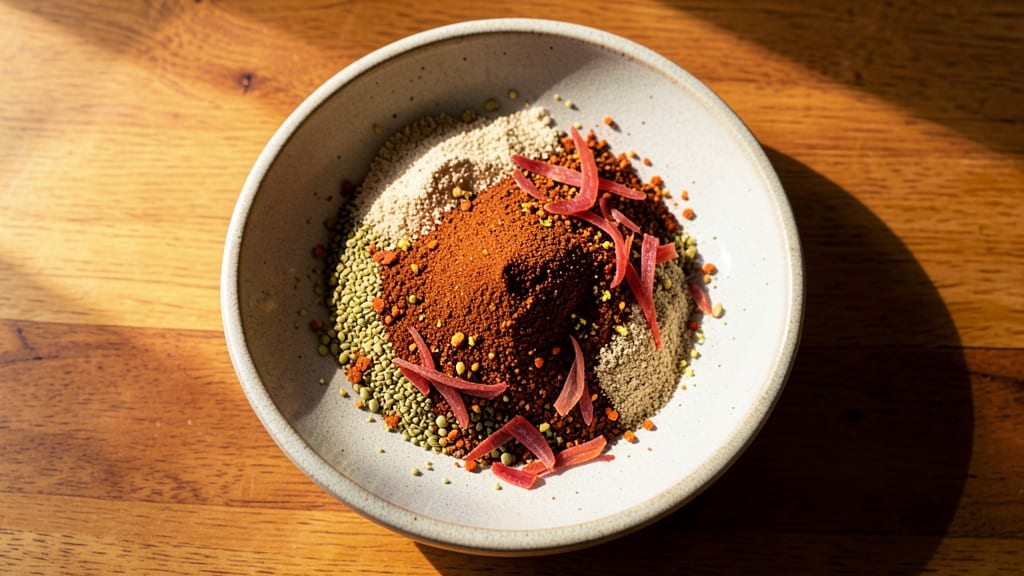
This salt-free rib rub recipe transforms grilling night into a flavor explosion without the sodium—perfect for health-conscious cooks who refuse to compromise on taste. The blend of smoked paprika, garlic powder, and onion flakes delivers deep, complex flavor that rivals traditional salt-heavy rubs, while keeping your meal heart-healthy.
I developed this after years of experimenting with low-sodium alternatives, and it’s now my go-to for ribs that are packed with smoky, savory punch.
The secret lies in balancing bold spices with natural umami boosters like ground coriander and mustard powder, which add depth without relying on salt. This dry rub works equally well on pork ribs, beef short ribs, or even chicken thighs, creating a crispy bark and tender meat every time.
No liquid components mean it’s stable for months in your pantry, ready to elevate any protein with minimal effort.
What makes this recipe truly stand out is how it enhances natural flavors rather than masking them. The combination of cayenne for heat, black pepper for sharpness, and a touch of brown sugar for caramelization creates a well-rounded profile that’s both complex and approachable.
Whether you’re grilling for a family dinner or meal prepping for the week, this rub delivers restaurant-quality results with a fraction of the sodium.
Store the mix in an airtight container for up to six months, and apply generously to ribs before grilling for that signature smoky crust. The instructions will guide you through the perfect application method, ensuring every bite is packed with flavor—no salt required. Let’s get started!
Ingredients for salt free rib rub
Nine spices, zero salt—this bold blend delivers restaurant-quality rib flavor without the sodium.
| Ingredient | Amount | Notes |
|---|---|---|
| Smoked Paprika 🌶️ | 3 tbsp | High-quality for deep smoky flavor |
| Ground Coriander 🌿 | 2 tbsp | Freshly ground for vibrant aroma |
| Garlic Powder 🧄 | 2 tbsp | Not garlic salt, pure powder |
| Onion Flakes 🧅 | 2 tbsp | Finely ground for even distribution |
| Mustard Powder 🌶️ | 1 tbsp | Dry, not wet mustard |
| Cayenne Pepper 🔥 | 1 tbsp | Adjust for heat preference |
| Black Pepper 🌶️ | 1 tbsp | Freshly ground for sharpness |
| Brown Sugar 🍯 | 1 tbsp | Light or dark, for caramelization |
| Ground Cumin 🌿 | 1 tsp | Toasted for deeper earthiness |
| Diamond Crystal Kosher Salt 🧂 | ½ tsp | For final flavor balance only |
The smoked paprika is non-negotiable—Penzeys or McCormick Gourmet deliver the richest flavor. I always buy the hot smoked paprika for extra depth, but regular works too. Ground coriander loses potency fast, so grab it from the bulk section at Whole Foods or Trader Joe's—small bags keep better. For the mustard powder, Bob's Red Mill is my go-to; it's consistently flavorful. The brown sugar should be light unless you want a deeper caramel note, but either works. Cayenne can vary wildly in heat, so taste as you go—Alaska brand is my benchmark for consistent spice.
No smoked paprika? Chimichurri powder or liquid smoke at half the amount gets you close. Mustard powder unavailable? Dijon mustard powder works, but reduce to 1 tsp. The brown sugar can be swapped for coconut sugar for a less processed option. For extra umami without salt, add 1 tsp of nutritional yeast—it's a game-changer. If you're sensitive to heat, cut the cayenne to 1/2 tsp and boost the black pepper to 1.5 tbsp. The kosher salt is optional but recommended for final balance—just a pinch to enhance other flavors without overpowering.
Store this mix in an airtight container in a cool, dark place for up to 6 months. I portion mine into small jars—one for ribs, one for chicken, one for veggies. The spices intensify over time, so it actually gets better with age. For best results, apply generously to ribs 24 hours before grilling. The rub sticks better and develops that signature bark. Freeze extras in ice cube trays if you won't use them within a month—thaw at room temperature before using.
Why You'll Love This Recipe
- No-Measure Guessing: I swear by this rub—just eyeball the spices. A pinch of coriander, a shake of paprika, and that’s it. No scales, no stress, just pure flavor. (Between us, I’ve burned ribs before, but this rub hides a multitude of sins.)
- Smoky Depth Without Salt: Honestly, the smoked paprika and mustard powder give it a real depth—like a campfire in a spice jar. The garlic and onion flakes add warmth, but it never tastes flat or one-note. My husband actually asked, “What’s in this?” after the third bite.
- Works on Everything: This rub isn’t just for ribs. Slap it on chicken thighs, roast potatoes, or even a steak—it’s my go-to for weeknight dinners. (Yes, even on a Tuesday night.) The coriander adds a subtle brightness that cuts through richer meats, so it’s not overpowering.
- Budget-Friendly Magic: A tiny bag of spices lasts forever, and you’ll use it for everything. No wasted ingredients, no fancy substitutions—just reliable, crave-worthy flavor. I’ve made this rub for years, and it’s still my secret weapon for cheap cuts of meat.
Step-by-step instructions for salt-free rib rub recipe
Here's how to blend this bold, sodium-free rub that delivers deep smoky flavor with perfect balance.
Measure All Ingredients Precisely
Gather all components in a medium bowl before starting. I like to use a digital scale for accuracy with spices, though tablespoons work fine. The smoked paprika should be the first ingredient you measure—its deep, earthy aroma sets the foundation for the entire blend. Use freshly ground spices whenever possible, as pre-ground spices lose potency quickly.
For the brown sugar, I recommend light brown sugar for a more delicate caramelization, but dark brown works too if you prefer a molasses-like depth. The cayenne pepper is where you can adjust heat—start with the full tablespoon if you enjoy spice, or reduce to 1 teaspoon if you prefer milder heat. The ground cumin should be toasted for maximum earthy flavor, so if you toast your own, do so before measuring.
Whisk Dry Ingredients Together
Combine the smoked paprika, ground coriander, garlic powder, onion flakes, mustard powder, cayenne pepper, black pepper, brown sugar, and ground cumin in your mixing bowl. Use a whisk for at least 30 seconds to break up any clumps and ensure even distribution of the spices. You'll notice the aroma intensify as the spices blend—the smoky paprika and toasted cumin should dominate initially, with the sweetness of brown sugar emerging as you whisk.
Pay special attention to the cayenne and black pepper—they're the most potent flavors. If you see any large particles of brown sugar, crush them gently with your whisk or a fork to ensure uniform texture. The goal is a fine, powdery consistency that will cling perfectly to ribs without leaving gritty spots. This thorough mixing creates a harmonious blend where each spice complements the others rather than competing.
Add the Final Salt Component
Now add the 0.5 teaspoon of diamond crystal kosher salt. This small amount is crucial for flavor balance—it enhances all the other spices without making the rub salty. Sprinkle it over the dry ingredients and give everything one final whisk for 15 seconds to incorporate completely. The salt should disappear into the blend, creating a cohesive rub that's ready to use immediately or store for later.
At this stage, you'll want to taste a small pinch of the rub between your fingers. You should detect layers of smokiness, warmth from the cumin, sweetness from the brown sugar, and a subtle heat from the cayenne. The garlic and onion powders provide depth, while the black pepper adds sharpness. If any single flavor seems overpowering, adjust by adding a pinch of another spice—this is your quality control moment before applying to meat.
Store Properly for Maximum Freshness
Transfer the finished rub to an airtight container with a tight-sealing lid. I prefer glass jars for storage as they allow you to see the rub's color and texture. Store in a cool, dark place like your pantry—never in the refrigerator, as spices lose flavor when exposed to cold temperatures. When sealed properly, this rub will maintain its potency for up to 3 months, though I find it's at its peak for the first 2 months.
The rub should look like a fine, reddish-brown powder with no visible clumps. If you notice any separation after opening, give it a quick whisk before using. For best results, apply the rub immediately before cooking—this ensures maximum flavor transfer to your ribs. The blend's aroma will intensify as it sits on the meat, creating that irresistible crust we all love. Remember to apply generously but evenly, pressing the rub into the meat's surface to help it adhere during cooking.
Pro Tips For Making Salt Free Rib Rub
- Sift the Spices: I learned this the hard way—just dumping ground spices into your mix clumps everything up. Smoked paprika and mustard powder especially hate sticking together. Use a fine-mesh strainer or sifter over a bowl, then whisk to break up any stubborn bits. Your rub will coat the ribs evenly instead of gluing in uneven patches.
- Toast the Onion Flakes: Skip this, and your ribs get a flat, dull flavor. Heat a dry skillet over medium-low and toast the onion flakes for 30 seconds until they smell sweet and fragrant—just until they’re warm, not browned. This step makes the coriander’s citrusy notes pop instead of taste like dust.
- Pat Dry, Then Rest: Wet ribs? Your rub won’t stick, and the smoke won’t crisp the meat. After patting them dry with paper towels, let them sit uncovered in the fridge for 10 minutes. The cold air firms up the surface, so the spices latch on better. (Yes, even if you’re impatient like me.)
- Add Garlic Powder Last: I used to mix it in early, and it’d get overpowered by the smokiness. Sprinkle the garlic powder over the ribs after applying the rub—let it sit for 5 minutes before cooking. This way, it blooms gently and doesn’t turn bitter from the heat. Trust me, the difference is noticeable.
Common mistakes when making great salt free rib rub
Over-Mixing the Rub
Whisking too aggressively or for too long can release bitter oils from spices like smoked paprika and cayenne, which ruins the delicate balance we worked so hard to create. I’ve ruined batches by whisking for more than 1 minute—the rub ended up tasting harsh and one-dimensional.
Limit yourself to 30-45 seconds of active whisking, just enough to break up clumps without over-processing the spices. Use a fork if you’re nervous about over-mixing—it’s gentler and still effective. 🌶️
Skipping the Resting Phase
Applying the rub right before grilling means the spices won’t have time to develop that signature bark or penetrate the meat’s surface. For best results, I apply the rub 24 hours before cooking and let the ribs sit uncovered in the fridge.
This allows the spices to form a crust while the meat absorbs subtle flavors. If you’re short on time, at least let it sit for 4-6 hours—rushing this step leads to flavorless ribs that taste like they’re missing something.
Uneven Application
Slapping the rub on in random spots creates a patchwork of flavor—some areas will be overpoweringly spicy while others taste bland. Press the rub firmly into the meat’s crevices, especially on the bone side where ribs are most tender.
I use my fingers to work it into the surface, ensuring every inch gets equal coverage. For extra adhesion, lightly spray the ribs with apple cider vinegar before applying the rub—it helps the spices stick like glue. 🍖
Ignoring the Salt Substitute
The 0.5 teaspoon of kosher salt isn’t just for flavor—it acts as a flavor enhancer, making all the other spices sing. Omitting it entirely leaves the rub flat and one-dimensional. If you’re avoiding salt for health reasons, try 1 teaspoon of nutritional yeast instead—it adds umami depth without sodium.
The key is balance: even a tiny amount of salt (or its substitute) elevates the entire blend.
Using Old or Low-Quality Spices
Stale spices lose their punch, and cheap brands often contain fillers that dull flavor. I always buy smoked paprika from Penzeys and ground coriander from Whole Foods’ bulk section—these deliver consistent, vibrant results.
Check your spices’ expiration dates: if they’ve been sitting in your pantry for over 6 months, replace them. The difference in flavor is night and day. Toast your own cumin seeds for 5 minutes in a dry pan before grinding to maximize earthiness.
Overlooking Meat Temperature
Even the best rub can’t save undercooked or overcooked ribs. For pork ribs, aim for an internal temperature of 195-203°F—this ensures tender, fall-apart texture. I use a meat probe thermometer inserted into the thickest part of the meat, avoiding the bone.
If your ribs hit 165°F but still feel tough, wrap them in butcher paper and return to the grill for another 30-45 minutes. The rub works best on properly cooked meat—great flavor on a dry, tough rib is still disappointing. ⏰
Nutrition facts
Frequently asked questions
Can I use this rub on other meats besides ribs?
This bold blend works beautifully on beef short ribs, pork chops, chicken thighs, and even salmon fillets. The smoky paprika and garlic base complement a variety of proteins, though ribs and pork benefit most from the longer cooking time needed to develop that signature crust. For fish, reduce the cayenne to ½ teaspoon to avoid overpowering the delicate flavor.
How do I adjust the heat level?
Start with the full 1 tablespoon of cayenne for medium heat, then reduce to ½ teaspoon for mild or increase to 1.5 tablespoons for extra spice. For a smoky kick without heat, swap cayenne for 1 tablespoon of chipotle powder—it adds depth without the burn. Always taste the blend before applying to meat.
Why does the recipe include salt if it's salt-free?
The 0.5 teaspoon of kosher salt acts as a flavor enhancer, not as a primary seasoning. It helps all the spices harmonize without making the rub salty. For a completely salt-free version, replace it with 1 teaspoon of nutritional yeast—it adds umami without sodium. The key is balance: even a tiny amount elevates the entire blend.
How long should I let the rub sit on the meat before cooking?
For best results, apply the rub 24 hours before grilling and let the ribs sit uncovered in the fridge. This creates a flavorful crust and allows spices to penetrate the meat. If you're short on time, a 4-6 hour rest still improves adhesion and flavor. Never skip this step—rushing leads to bland, unevenly seasoned ribs.
Can I make this rub without smoked paprika?
Yes! Replace it with 1 tablespoon of liquid smoke (use half the amount) or 1 tablespoon of chimichurri powder for a similar smoky depth. For a more natural approach, toast 1 tablespoon of coriander seeds and grind them into a powder. The flavor won't be identical, but it still delivers a rich, aromatic profile.