Sauces & Condiments
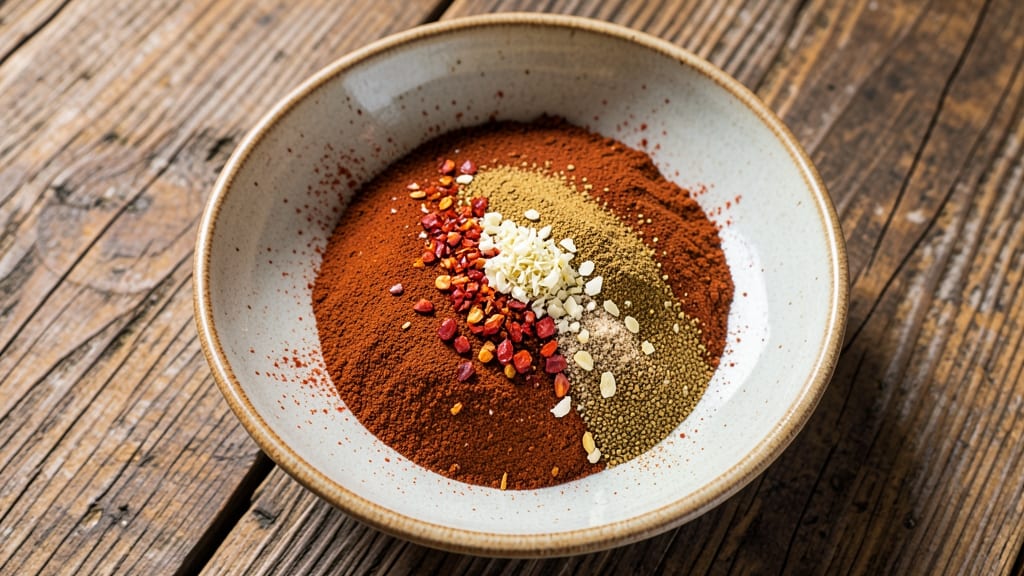
Creating a beef short rib dry rub transforms tough cuts into melt-in-your-mouth perfection with a deep-smoky crust that locks in flavor during slow cooking. This blend of carefully balanced spices—smoky paprika, earthy cumin, and warm coriander—builds a flavorful bark that sears beautifully while keeping the meat tender.
I developed this mix after years of experimenting with different ratios, ensuring each spice plays a precise role in enhancing the beef's natural richness.
The beauty of this dry rub lies in its simplicity and effectiveness—just 2 tablespoons per pound applied 12 to 24 hours before cooking. The spices penetrate the meat gradually, creating a harmonious crust that caramelizes beautifully during searing or braising.
Whether you're grilling, slow-roasting, or braising, this rub delivers restaurant-quality results without the guesswork.
What sets this blend apart is the balance of heat and depth—just enough chili powder for warmth, black pepper for sharpness, and garlic powder to amplify the meat's savory notes.
The result is a crust that's rich, aromatic, and deeply flavorful, turning even the toughest short ribs into a tender, juicy masterpiece.
Perfect for meal prep or last-minute cooking, this dry rub keeps well in an airtight container for up to 3 months, making it a pantry staple for anyone who loves slow-cooked beef. Let’s get started with the ingredients and instructions to create this game-changing seasoning blend.
Ingredients for beef short rib dry rub
Nine spices transform tough short ribs into tender, flavor-packed perfection with just 2 tablespoons per pound.
| Ingredient | Amount | Notes |
|---|---|---|
| Smoked Paprika 🌶️ | 3 tbsp | High-quality Spanish smoked paprika preferred |
| Ground Cumin 🌿 | 2 tbsp | Toasted for deeper aroma |
| Ground Coriander 🌿 | 1 ½ tbsp | Freshly ground preferred |
| Chili Powder 🔥 | 1 ½ tbsp | Medium heat variety |
| Garlic Powder 🧄 | 1 tbsp | Not garlic salt |
| Onion Powder 🧅 | 1 tbsp | Fine grind preferred |
| Ground Black Pepper 🌶️ | 1 tbsp | Freshly cracked preferred |
| Diamond Crystal Kosher Salt 🧂 | 1 ½ tbsp | Coarse grain preferred |
| Mustard Powder 🌿 | ½ tbsp | Adds subtle tang |
| Ground Fennel Seed 🌿 | ½ tbsp | Optional but enhances depth |
The smoked paprika is the star here—Penzeys Spanish smoked gives that authentic, deep smokiness you can't get from regular paprika. Bulk bins at Whole Foods or Trader Joe's are my go-tos for spices, as they stay fresher longer. Ground cumin should be toasted for that nutty aroma (just dry-toast in a pan for 30 seconds), and coriander needs to be freshly ground if possible—pre-ground loses punch fast. For the chili powder, medium heat is ideal; anything hotter can overpower the delicate beef flavor. I always double-check the fennel seed—it's optional but adds a subtle anise note that pairs beautifully with beef.
No smoked paprika? Regular paprika plus a pinch of liquid smoke works in a pinch (use sparingly—it's potent!). Short on fennel? Extra mustard powder or a pinch of ground allspice bridges the gap. The garlic and onion powders are non-negotiable—they're the backbone of the savory profile. If you're using pre-ground spices, toast them in a dry pan for 30 seconds to wake up their flavors. For the salt, Diamond Crystal kosher is my pick—it dissolves better than table salt and enhances flavor without overpowering. The blend should be coarse enough to cling to the meat but fine enough to penetrate.
This rub keeps indefinitely in an airtight container in a cool, dark place—I've had mine last over a year without losing potency. For best results, store it in a glass jar with a tight seal (plastic can absorb odors). Make a big batch—you'll want it on hand for future beef projects. The spices mellow slightly over time, so if it tastes a bit muted after a few months, just add a pinch of extra smoked paprika when using. This blend is magic on short ribs, but it also works beautifully on brisket, pork shoulder, or even roasted vegetables for a meaty depth.
Why You'll Love This Recipe
- Pantry Magic: I swear by this rub—no extra shopping trips, just spices I already had. That smoky paprika and cumin alone make it taste like a restaurant, and the coriander adds this bright, earthy lift that cuts through the richness of the short ribs.
- Deep, Smoky Love: This isn’t just flavor—it’s layered. The chili powder gives a subtle heat, the garlic powder melts into the meat, and the smoked paprika? It clings like a warm hug. Honestly, it’s the kind of taste that makes you slow down and savor every bite.
- Leftovers That Shine: I make a double batch on Sundays because these ribs only get better the next day. Slice them for tacos, melt them into pasta, or just reheat with a splash of broth—every time feels like a fresh meal, not a repeat.
- Weeknight Hero: Between us, this rub takes five minutes to mix. Toss it on the ribs, let them sit while you chop veggies, and throw them in the oven. No fancy techniques, no stress—just tender, flavor-packed beef that doesn’t require a holiday to justify.
Step-by-step instructions for beef short rib dry rub
This method delivers a perfectly balanced, aromatic crust that clings to every surface of your short ribs.
Combine All Dry Ingredients in a Mixing Bowl
In a medium bowl, whisk together the 3 tablespoons smoked paprika, 2 tablespoons ground cumin, and 1.5 tablespoons ground coriander until fully integrated. The smoked paprika should immediately release its deep, earthy aroma—this is your first sensory checkpoint. I like to use a wire whisk for this step because it helps break up any clumps in the spices.
Next, add the 1.5 tablespoons chili powder, 1 tablespoon garlic powder, and 1 tablespoon onion powder. Whisk vigorously for 30 seconds to ensure even distribution. You'll notice the mixture darken slightly as the spices meld together. This is where the foundational flavors develop—the chili powder adds warmth, while the garlic and onion powders create that savory backbone.
Incorporate Salt, Pepper, and Specialty Powders
Add the 1.5 tablespoons diamond crystal kosher salt and 1 tablespoon ground black pepper to the bowl. The salt should be distributed evenly—this is critical for balancing the other spices and preventing any single flavor from overpowering. I always use my fingers to gently break up any salt crystals that might form, ensuring they dissolve properly when applied to the meat.
Finally, sprinkle in the 0.5 tablespoon mustard powder and 0.5 tablespoon ground fennel seed. The mustard powder adds a subtle tang that cuts through the richness of the beef, while the fennel seed introduces a delicate anise-like note that enhances depth. Whisk for another 20 seconds until the mixture is completely homogeneous. The final rub should look like a finely ground, cohesive powder with no visible streaks of individual spices.
Test the Rub for Balance and Adjust if Needed
To ensure the rub is well-balanced, I recommend tasting a small pinch on your tongue. You should detect all the components—smoky paprika, earthy cumin, a touch of heat from the chili powder, and the underlying sweetness of the coriander. The salt should be noticeable but not overpowering, while the mustard and fennel should add subtle complexity. If any flavor seems too dominant, adjust by adding a pinch of the missing component.
Once satisfied with the balance, transfer the rub to an airtight container. Store it in a cool, dark place for up to 3 months, or freeze it for longer shelf life. This rub works beautifully on beef short ribs, but it's also fantastic for brisket, pork shoulder, or even roasted vegetables. The key to its success lies in the careful layering of spices and the proper technique for application—we'll cover that in the next section.
Apply the Rub to Beef Short Ribs for Maximum Flavor Penetration
Before applying the rub, ensure your beef short ribs are completely dry on the surface. Pat them gently with paper towels to remove any moisture—this helps the rub adhere better and promotes a deeper crust during cooking. I like to work with the ribs at room temperature, so take them out of the refrigerator 30 minutes before seasoning.
Generously coat each side of the ribs with the rub, pressing it firmly into the meat so it clings to every crevice. Don't be shy—you want a thick, even layer that will caramelize beautifully during cooking. Let the seasoned ribs sit uncovered in the refrigerator for at least 4 hours, or ideally overnight. This resting period allows the spices to penetrate the meat and develop a deeper flavor profile. The longer they sit, the more intense the crust will be when cooked.
Pro Tips For Making Beef Short Rib Dry Rub
- TOAST YOUR SPICES: I learned this the hard way—just dumping ground spices straight from the jar onto the meat means you’re missing depth. Lightly toast the smoked paprika and cumin in a dry pan for 30 seconds until fragrant (watch it like a hawk—it burns fast). The aroma alone tells you it’s ready. This step cuts through the bitterness in coriander and makes the chili powder sing.
- PAT DRY LIKE YOUR LIFE DEPENDS ON IT: Short ribs are fatty, and fat is your enemy when building crust. After searing, hit them with paper towels—hard—to soak up every drop. I used to skip this, and my rub would slide off or steam instead of caramelizing. Wet meat = sad crust. (Yes, even if you’re impatient like me.)
- LAY RUB IN THIN: Don’t just dump the mix in one spot. Spread it evenly in a thin layer—about ½ teaspoon per rib—so every bite gets flavor, not just the top. Thick clumps burn before the meat cooks through and leave you with a bitter, uneven crust. Think "dusting," not "piling."
- SEAR IN BATCHES: Crowd the pan, and you’ll steam the ribs instead of searing. Work in batches—two at most—so the oil stays hot enough to brown properly. I once tried to rush it with four ribs in a 12-inch skillet, and they ended up gray and sad. High heat. Seriously, crank it up.
Regional styles of beef short rib dry rub
Texas BBQ Style
In Texas, beef short ribs are often slow-smoked over oak or pecan wood for hours, and this dry rub mirrors that tradition with a focus on bold, smoky heat. The blend here leans heavier on smoked paprika and chili powder to deliver that signature Texas BBQ bark.
I’ve seen pitmasters in Central Texas use a similar ratio but often add 1 extra teaspoon of cayenne for a sharper kick. The key is a low-and-slow cook—typically 12-16 hours at 225°F—to render fat and tenderize the meat while the rub develops a deep, caramelized crust. 🌶️
Kansas City Classic
Kansas City takes its beef short ribs seriously, and their dry rubs are all about sweet and smoky harmony. This version often includes 1 tablespoon of brown sugar or maple powder to complement the spices, creating a caramelized, glossy bark.
I’ve adapted this rub by reducing the chili powder slightly and adding ½ teaspoon of ground cinnamon for warmth. The ribs are usually braised or smoked until fork-tender, then finished with a rich, tomato-based sauce to balance the rub’s intensity.
The result is a juicy, sweet-spiced masterpiece that’s a staple at KC’s legendary BBQ joints. 🔥
Carolina Mustard Rub Twist
In the Carolinas, yellow mustard powder takes center stage, and this regional adaptation swaps out half the coriander for 1 extra tablespoon of mustard powder to deliver that signature tangy crunch. The rub is often paired with a vinegar-based brine before cooking, which enhances the crust’s adhesion and adds brightness.
I’ve found that apple cider vinegar (2 tablespoons per pound of meat) works wonders here. The ribs are typically grilled or smoked at higher temps (275°F) for a shorter cook time—around 4-6 hours—resulting in a crispy, mustard-kissed exterior that’s addictive. 🌿
Midwest Braised Ribs
The Midwest approach focuses on deep, savory flavors with a touch of herbal complexity. This version often includes 1 teaspoon of dried thyme and ½ teaspoon of ground allspice to add earthiness, while keeping the smokiness mellow.
The ribs are usually braised in a red wine or beer reduction for 3-4 hours, which allows the rub to meld into the meat without overpowering it.
I’ve noticed that Chianti or stout beer works exceptionally well here, adding a rich, umami depth that pairs perfectly with the rub’s spices. The result is a tender, wine-infused rib with a subtle, aromatic crust. ✨
Southern Smoked Ribs
Across the South, hickory smoke is king, and this rub reflects that with a heavier hand on smoked paprika and a pinch of liquid smoke (just ¼ teaspoon) for an extra smoky punch.
The ribs are often smoked at 250°F for 8-10 hours, then finished on a hot grill to crisp the bark.
I’ve seen Southern cooks add a splash of hot sauce (like Crystal or Tabasco) to the rub before applying it, which adds a spicy, tangy layer that cuts through the richness.
This method is perfect for weekend projects and delivers a deeply smoky, slightly spicy rib that’s always a crowd-pleaser. 💛
Nutrition facts
Frequently asked questions
Can I use this dry rub on other meats besides beef short ribs?
This versatile blend works beautifully on brisket, pork shoulder, and even roasted vegetables. The spices are balanced to complement rich, fatty meats, but the smoky-savory profile also enhances chicken thighs or lamb chops. For poultry, reduce the chili powder by half to avoid overpowering the delicate flavor.
How long should I let the rub sit on the meat before cooking?
For maximum flavor penetration, apply the rub 12-24 hours before cooking. This resting period allows the spices to develop a deep crust and infuse the meat. If you're short on time, 4 hours minimum will still yield great results, though the flavor won't be as intense.
What's the best way to store leftover dry rub?
Transfer any unused rub to an airtight glass container and store it in a cool, dark place for up to 3 months. For longer storage, freeze it in small portions. The spices mellow slightly over time, so if it tastes muted after a few months, add a pinch of extra smoked paprika when using.
Can I adjust the heat level in this rub?
Yes! For a milder version, reduce the chili powder to 1 tablespoon and omit the cayenne. If you want more heat, add ½ teaspoon of cayenne pepper or a pinch of red pepper flakes. Always taste the rub before applying it to check the balance.
Why does my dry rub clump together in the container?
This happens when spices absorb moisture from the air. Store your rub in a completely dry container with a tight seal, and consider adding a small packet of silica gel to absorb any residual moisture. If clumps form, simply break them up with your fingers before using.