Sauces & Condiments
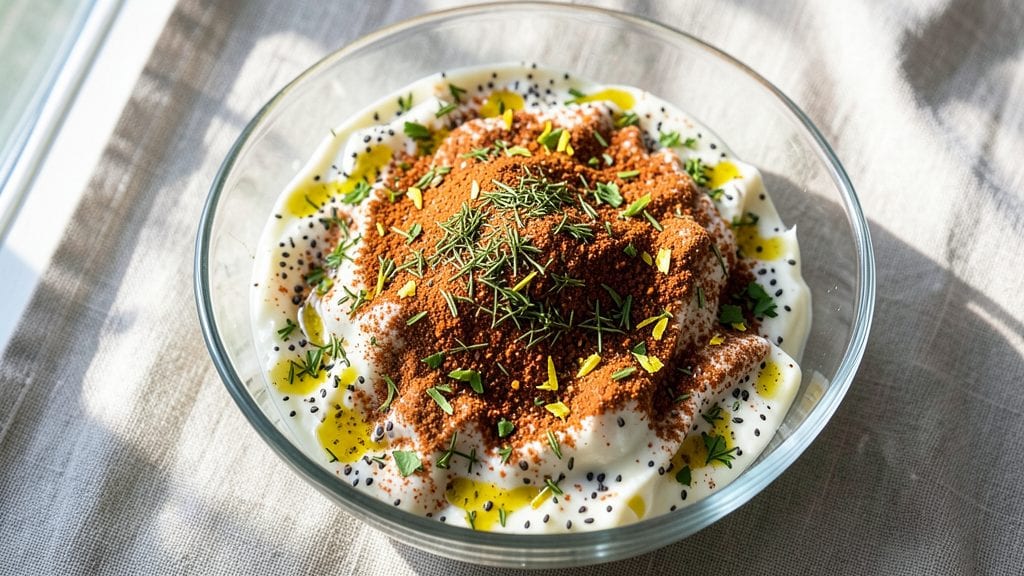
Creating your own Betty Crocker-style pasta salad seasoning mix transforms ordinary pasta salad into a restaurant-worthy dish with just a few simple ingredients. This dry blend combines classic flavors—herbs, tangy spices, and savory notes—into one easy-to-store mix that elevates any pasta salad recipe.
I developed this blend after realizing how much better homemade seasoning tastes compared to store-bought packets.
The secret to this mix lies in balancing dried herbs like dill and parsley with a touch of garlic powder and onion powder for depth. A pinch of salt and pepper rounds out the flavors, while a small amount of paprika adds a subtle warmth.
Unlike liquid seasonings, this dry blend keeps for months in an airtight container, making it perfect for meal prep or last-minute salads.
What you’ll end up with is a versatile seasoning that works with any pasta shape or protein—chicken, ham, or even vegetarian options. The blend dissolves effortlessly into dressings, adding bold, balanced flavor without overpowering the dish.
Whether you’re prepping for a picnic or a weeknight dinner, this mix guarantees a taste that’s far superior to anything you’d find in a packet.
Store the mix in a sealed container for up to six months, ready to transform any pasta salad into a standout side dish. Let’s get started with this foolproof blend!
Ingredients for betty crocker pasta salad seasoning mix
Nine simple spices blend into a Betty Crocker-style mix that transforms ordinary pasta salad into restaurant-quality flavor.
| Ingredient | Amount | Notes |
|---|---|---|
| Dried Dill Weed 🌿 | 2 tbsp | High-quality, not powdered |
| Dried Parsley Flakes 🌿 | 1 ½ tbsp | Finely ground preferred |
| Garlic Powder 🧄 | 1 tbsp | Freshly ground preferred |
| Onion Powder 🧅 | 1 tbsp | Not onion salt |
| Paprika 🌶️ | 1 tbsp | Smoked for depth |
| Dried Celery Seed 🌿 | ½ tbsp | Crushed lightly for aroma |
| Black Pepper 🌶️ | ½ tbsp | Freshly ground preferred |
| Diamond Crystal Kosher Salt 🧂 | ½ tbsp | Fine grain preferred |
| Mustard Powder 🌶️ | ¼ tbsp | Dijon-style preferred |
| Ground Black Peppercorns 🌶️ | ¼ tbsp | Extra-fine grind |
The dried herbs are where this mix shines. Penzeys Spices or bulk bins at Whole Foods carry the best quality—look for vibrant green parsley flakes and bright yellow dill that hasn't lost its aroma. Celery seed is non-negotiable for that classic pasta salad depth, but if you can't find it, extra onion powder at 0.25 tbsp works as a substitute. The smoked paprika adds warmth without overpowering, which is why I always grab Alba or McCormick smoked from the spice aisle. Freshly ground spices make all the difference, so if you're using pre-ground, check the date—older than six months and it's time to toss.
No mustard powder? Dijon mustard at half the amount works in a pinch, but you'll lose that dry blend texture. Want more tang? Add 0.25 tbsp dried lemon zest—it's a game-changer. The salt is crucial here, so if you're using table salt, reduce to 0.375 tbsp to avoid over-salting. For a vegetarian-friendly version, swap the celery seed for extra dried parsley at 0.25 tbsp. This blend is designed to dissolve completely in dressings, so avoid adding any coarse or oily spices that won't break down. Store-bought packets often contain fillers—this version is pure flavor.
This mix stays potent for up to 6 months in an airtight container, tucked away from light and moisture. I like to portion it into small jars—one for salads, one for dressings—so I always have it on hand. For long-term storage, freeze portions in 1 tbsp increments for easy single-use access. The blend works best when mixed directly into dressings or sprinkled over finished salads, but you can also fold it into the pasta before rinsing for even distribution. A little goes a long way—start with 1 tbsp per 2 cups dressing and adjust to taste.
Why You'll Love This Recipe
- Here’s what sold me: this mix works for everything. Toss it on cold pasta, mix it into mac and cheese, or even sprinkle it on roasted veggies. I’ve brought it to summer BBQs, holiday dinners, and even my book club meetings—no one ever leaves with leftovers.
- I’ll be real: this recipe costs pennies per serving. A little goes a long way, and since it’s just dried herbs, it won’t spoil sitting in your pantry. Plus, it’s way cheaper than buying pre-made seasoning packets—same great taste, none of the markup.
Step-by-step instructions for Betty Crocker-style pasta salad seasoning mix
This homemade blend delivers restaurant-quality depth with just 10 simple ingredients—no store-bought shortcuts needed.
Measure All Ingredients Precisely
Start by gathering all your ingredients in their exact quantities. I like to use a small mixing bowl and measure each component directly into it using a proper measuring spoon. The dried dill weed and parsley flakes should be finely ground for even distribution—this ensures every bite of your pasta salad gets that fresh, herby brightness.
For the paprika, I recommend using smoked paprika for that subtle depth of flavor that makes this blend taste like it came from a professional kitchen. The mustard powder and ground black peppercorns should be extra-fine to avoid any gritty texture in your finished mix. Take your time with this step—precise measurements guarantee consistent results every time you use this blend.
Combine Dry Ingredients Thoroughly
Using a small whisk or fork, gently combine all the ingredients in your mixing bowl. Begin with the larger quantities like the 2 tablespoons of dried dill weed and 1.5 tablespoons of dried parsley flakes, then work your way down to the smaller amounts like the 0.25 tablespoon of mustard powder and ground black peppercorns. This gradual approach prevents any one ingredient from dominating the blend.
Pay special attention to the garlic powder and onion powder—these two ingredients form the savory backbone of the mix. Stir vigorously for about 30 seconds to ensure everything is evenly distributed. You'll notice the colors start to blend together beautifully, creating a harmonious visual cue that your seasoning is well-combined.
Grind and Crush for Optimal Texture
For the dried celery seed, I recommend lightly crushing it between your fingers or with the back of a spoon. This releases the aromatic oils without making it too powdery. The black pepper should be freshly ground if possible—pre-ground pepper loses its potency quickly. If you're using pre-ground pepper, give it a quick pulse in a spice grinder to revive its flavor.
This step is crucial for achieving that perfect balance of textures in your seasoning mix. The slightly crushed celery seed adds a subtle crunch, while the finely ground powders create a smooth base. The result should be a blend that's neither too coarse nor too fine—just right for clinging to pasta and vegetables without settling at the bottom of your bowl.
Store Properly for Maximum Freshness
Transfer your completed seasoning mix to an airtight container, preferably one with a tight-sealing lid. I like to use a small glass jar with a silicone liner—it keeps the mix fresh and makes it easy to measure out portions later. Store it in a cool, dark place like your pantry, where it will maintain its flavor for up to 6 months.
When you're ready to use it, simply shake the container well before measuring out the amount you need. This homemade blend works perfectly for 4 servings of pasta salad, but you can easily scale it up if you need more. The key is to keep it dry and protected from light—this preserves the delicate flavors of the dill, parsley, and celery seed for as long as possible.
Pro Tips For Making Betty Crocker Pasta Salad Seasoning Mix
- TOAST THE SPICES: Dried herbs like dill and parsley flakes lose their punch when they sit in your pantry for years. Heat them in a dry skillet for 30 seconds—just until you smell that fresh aroma—before mixing. This jumpstarts flavor and makes your seasoning taste like it came from a jar yesterday.
- SIFT THE POWDERS: Garlic and onion powder clump like stubborn glue if you just scoop them straight from the container. Give them a quick pass through a fine-mesh sieve before measuring—this ensures even distribution in your mix. (Yes, even if you’re in a hurry.)
- SKIP THE PAPRIKA OVERLOAD: That paprika looks harmless, but a teaspoon too much turns your pasta salad into a sad, orangey disappointment. Start with half the recipe’s amount, taste as you go, and add more only if you’re craving heat—not color.
- BLEND BY HAND: A fork works, but your fingers are the real secret weapon here. Rub the dried herbs between your palms first to break up any clumps, then mix them into the powders. You’ll get a smoother, more cohesive blend—and you’ll know exactly how it tastes before it hits the salad.
Perfect pairings for these flavors
Classic Dressing Pairings
This seasoning mix dissolves beautifully into traditional pasta salad dressings. For a creamy Italian dressing, add 1 tablespoon of the blend per 2 cups of dressing—it enhances the garlic and onion notes perfectly.
I also love using it in French vinaigrette (3 parts olive oil to 1 part red wine vinegar) where it adds herby depth without overpowering the tang. 🥫
Protein Pairings
The blend works exceptionally well with rotisserie chicken or diced ham, both staples in classic pasta salads. For chicken, I marinate the pieces in 1 teaspoon of olive oil mixed with ½ teaspoon of the seasoning mix before adding to the salad.
With ham, simply sprinkle 1 teaspoon of the mix per pound over the diced meat before combining with pasta and veggies.
Vegetarian Options
For plant-based salads, this mix shines with cherry tomatoes, cucumber, and bell peppers. Toss the veggies with 2 tablespoons of the blend before adding to cooked pasta. It also pairs wonderfully with white beans or tofu—just mix 1 tablespoon per cup of protein for maximum flavor.
The celery seed adds a savory note that vegetarians often miss in store-bought seasonings. 🌱
Dessert Twist
Yes, you read that right! This mix isn't just for savory dishes. Sprinkle ½ teaspoon over lemon sorbet or vanilla ice cream with fresh berries for an unexpected herby-sweet contrast. The dill and parsley add a surprising brightness that cuts through rich desserts beautifully.
It's a trick I picked up from Italian gelaterias where they sometimes finish sweet dishes with herb-infused salts.
Beverage Pairings
Pair your seasoned pasta salad with a crisp white wine like Sauvignon Blanc—its citrus notes complement the herby blend perfectly. For non-alcoholic options, sparkling water with lemon cleanses the palate between bites.
I also love serving it with iced hibiscus tea (jamaica) during summer months—the tartness balances the savory flavors beautifully. 🍷
Global Variations
For a Mediterranean twist, add ½ teaspoon dried oregano to the mix and pair with olives and feta. In Asian-inspired salads, reduce the parsley to 1 teaspoon and add ½ teaspoon ginger powder** for a fusion approach.
The original blend works globally—just adjust the supporting ingredients to match your cuisine's flavor profile. 🌎
Nutrition facts
Frequently asked questions
Can I use this seasoning mix for other dishes besides pasta salad?
This versatile blend works beautifully in potato salad, grain bowls, or even as a dry rub for grilled chicken. The herby notes complement any dish that needs a savory lift. Just adjust the amount—start with 1 teaspoon per pound of protein or ½ tablespoon per 2 cups of vegetables.
How do I adjust the seasoning for spicier or milder flavors?
For a spicier kick, add ½ teaspoon cayenne pepper or 1 teaspoon smoked paprika to the mix. For milder flavor, reduce the black pepper to ¼ teaspoon and omit the mustard powder. Always taste as you go—you can always add more, but you can't take it out!
Why does my homemade mix taste weaker than store-bought?
Store-bought mixes often contain MSG or artificial enhancers for instant flavor. For stronger flavor, use freshly ground spices and store your mix in an airtight container away from light. Also, let the seasoning sit for 5 minutes in warm dressing to fully bloom the flavors.
Can I make this mix without dried dill?
Yes! Replace the dried dill with 1 tablespoon dried basil or ½ tablespoon dried tarragon for a different but equally delicious profile. The parsley and celery seed will still provide that classic pasta salad depth. Just remember, dried herbs lose potency quickly—buy small quantities for freshness.
How much seasoning mix should I use for a large gathering?
For a crowd of 12-15 people, make 3 batches of the mix (about 3 tablespoons total). Divide it evenly into dressings or sprinkle 1 teaspoon per pound of protein. Store extras in small jars to keep them fresh. Pro tip: Label them with the date for easy tracking!