
Breakfast & Brunch
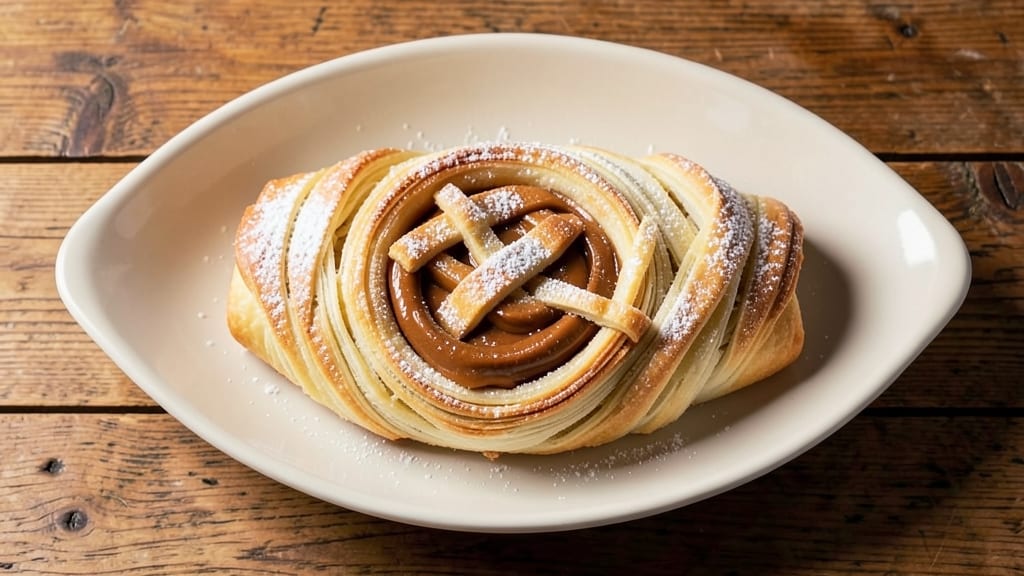
This biscuit roll recipe delivers the perfect balance of flaky layers and buttery swirls that make every bite irresistible. The secret lies in precise layering and cold butter, which creates those signature delicate sheets and rich pockets of flavor.
I've perfected this technique over years of baking, ensuring each roll achieves that restaurant-quality texture without requiring advanced skills.
What makes these biscuit rolls truly special is their foolproof method that yields tender, flaky layers with a golden-brown crust. The dough comes together quickly with simple ingredients, and the butter swirls add that luxurious touch that elevates them beyond basic biscuits.
Ready in just 30 minutes, these rolls are perfect for breakfast or brunch gatherings where presentation matters.
By following this precise technique, you'll achieve biscuit rolls with perfectly crisp edges and tender, melt-in-your-mouth centers. The buttery swirls inside create pockets of flavor that make each bite feel like a little treat.
Whether you're serving them warm with jam or using them as a base for breakfast sandwiches, these rolls will become a staple in your morning routine.
These biscuit rolls are versatile enough for any occasion—pair them with gravy for a hearty breakfast or serve them alongside eggs and bacon for a complete meal. The recipe scales easily, so you can make a batch for the whole family or freeze extras for quick mornings ahead.
Let's get started on creating these perfect biscuit rolls!
Ingredients for biscuit roll
Twelve simple ingredients transform into golden, flaky biscuit rolls with buttery swirls inside.
| Ingredient | Amount | Notes |
|---|---|---|
| All-Purpose Flour 🌾 | 4 cups | Sifted for light texture |
| Cold Unsalted Butter 🧈 | 1 cup | Cut into small cubes |
| Granulated Sugar 🍚 | ⅛ cup | For subtle sweetness |
| Baking Powder 🧂 | 1 tbsp | Freshly opened for lift |
| Salt 🧂 | ½ tsp | Fine sea salt preferred |
| Whole Milk 🥛 | ¾ cup | Cold for tender dough |
| Vanilla Extract 🍯 | 1 tsp | Pure vanilla preferred |
| Cold Unsalted Butter 🧈 | ½ cup | For swirls, cut into pieces |
| Powdered Sugar 🍚 | ¼ cup | For dusting and swirls |
| Ground Cinnamon 🌿 | 1 tsp | Optional for warmth |
| Egg Yolk 🥚 | 1 whole | For egg wash |
| Coarse Sugar 🍚 | 2 tbsp | For topping |
The butter is non-negotiable here—European-style unsalted butter gives the best flavor and texture. Grab it from the refrigerated section at Whole Foods or Trader Joe's if you want the creamiest option. Keep it stone-cold when cutting into cubes—warm butter = tough biscuits. For the powdered sugar, Domino brand works perfectly, but avoid the super-fine kind meant for baking cakes. The cinnamon? Penzeys or any good grocery store brand—just make sure it smells fresh, not dusty. Flour matters too; King Arthur or Gold Medal are my go-tos for reliable results.
No powdered sugar? Granulated sugar works in a pinch—just blend it in a food processor first. Short on butter? Vegetable shortening keeps things flaky, but you'll lose that rich flavor. The egg wash can be skipped if you're in a hurry, but trust me, that golden sheen is worth the extra minute. For the cinnamon swirl, mix it with the powdered sugar before adding to the butter—it distributes better. And if you're making these ahead, freeze the shaped rolls on a tray before baking for perfect texture later.
These rolls keep beautifully—3 days at room temperature in an airtight container, or up to 2 weeks in the fridge. For freezing, wrap individually in plastic wrap, then toss in a bag. Thaw overnight in the fridge before reheating. The best part? They reheat perfectly in a 350°F oven for 5-10 minutes—just until warm and crisp. Double the batch and freeze half; you'll thank me when Monday mornings roll around.
Why You'll Love This Recipe
- Fewer Ingredients, More Magic: I swear by this—just five staples (flour, butter, sugar, baking powder, salt) transform into something golden and flaky. No fancy pantry trips, no stressing over missing herbs or spices.
- Sweet Butter Bliss: That cold, cubed butter gets tucked into the dough like little flavor bombs. One bite of that buttery, slightly crispy roll? Honestly, it’s the kind of taste that makes you pause mid-morning coffee.
- Breakfast or Snack Hero: I keep these on hand for lazy Sundays, quick lunches, or even as a dessert with jam. They reheat in seconds—perfect for when I’m scrambling to feed kids or guests who show up unannounced.
- Budget-Friendly Staple: A whole batch costs me less than takeout, and they freeze like a dream. My go-to when I’m broke but still want something that feels special—no one ever guesses they’re this cheap.
Step-by-step instructions for biscuit rolls with buttery swirls
Creating these flaky, swirled biscuit rolls is easier than you think—just follow these precise steps.
Cut and Mix the Cold Butter Into the Dry Ingredients
Place the 1 cup cold unsalted butter (cut into small cubes) in a large bowl. Add the 4 cups sifted all-purpose flour, 0.125 cup granulated sugar, 1 tablespoon baking powder, and 0.5 teaspoon salt. Using a pastry cutter or your fingers, work the butter into the flour mixture until you have pea-sized crumbs with some larger butter pieces remaining—this creates those signature flaky layers.
Real talk: Don't overwork the dough here. You want to keep the butter cold and in chunks as much as possible. If the mixture feels too dry, it's okay—just don't add liquid yet. We'll incorporate that in the next step. The key to flaky biscuits is keeping everything cold and handling the dough minimally.
Add Milk and Vanilla to Form the Dough
Pour in the 0.75 cup cold whole milk and 1 teaspoon vanilla extract, then gently stir with a fork or wooden spoon until the dough just comes together. The dough should be soft but not sticky—if it feels too dry, add 1 teaspoon more milk at a time until it holds together when pressed.
Once combined, turn the dough out onto a lightly floured surface and knead it just 4-5 times until smooth. This light kneading ensures the gluten develops enough to hold the shape but not so much that the biscuits turn tough. Shape the dough into a 1-inch thick rectangle, wrap it in plastic wrap, and refrigerate for 30 minutes—this chilling step is crucial for preventing spreading in the oven.
Roll Out and Create the Swirls
After chilling, roll the dough into a 12x16-inch rectangle on a floured surface, keeping the thickness even at about ¼ inch. In a small bowl, mix together the 0.25 cup powdered sugar, 1 teaspoon ground cinnamon, and 0.5 cup cold unsalted butter (cut into small pieces) until crumbly. Spread this mixture evenly over the rolled-out dough, leaving a ½-inch border uncovered.
Starting from the long side, tightly roll the dough into a log, pinching the seam to seal. This creates those beautiful swirls when sliced. Wrap the log in plastic wrap and refrigerate for another 20 minutes—this extra chilling ensures clean slices and prevents the butter from melting prematurely.
Slice, Arrange, and Bake to Golden Perfection
Preheat your oven to 375°F and line a baking sheet with parchment paper. Using a sharp knife, slice the chilled dough log into 12 equal pieces (about 1-inch thick). Arrange them on the prepared baking sheet, leaving 1 inch between each roll for even browning. Brush the tops with the 1 whole egg yolk mixed with 1 tablespoon milk, then sprinkle evenly with the 2 tablespoons coarse sugar for a sweet, caramelized finish.
Bake for 18-22 minutes until the rolls are golden brown and the edges are set. The centers should still look slightly soft—they'll firm up as they cool. For that perfect flaky texture, I like to open the oven door just a crack after 15 minutes to let any steam escape, which helps create those crispy layers. Let the rolls cool on the baking sheet for 5 minutes before transferring to a wire rack.
Serve Warm for Maximum Flakiness
Serve these biscuit rolls warm, straight from the oven, so the layers stay crisp and the butter remains soft. The swirls inside should be gooey with cinnamon-sugar goodness, and each bite should deliver that melt-in-your-mouth flakiness we're after. If you're making them ahead, store in an airtight container at room temperature for up to 2 days—just reheat in a 350°F oven for 5-10 minutes to restore that fresh-baked texture.
Here's the thing—these biscuit rolls are even better the second day when the flavors have had time to meld. The butter swirls become more pronounced, and the cinnamon-sugar topping caramelizes slightly, adding depth to every bite. Trust the process, and you'll have restaurant-quality biscuit rolls right in your own kitchen!
Pro Tips For Making Biscuit Roll
- Cut Butter Like Ice: Use a bench scraper or knife to slice cold butter into tiny cubes—think rice grains, not pea-sized. I learned this the hard way when my biscuits turned out greasy instead of flaky. The smaller the pieces, the more even distribution and that perfect layering.
- Weigh Your Flour: Ditch the scooping—use a kitchen scale for the flour. A cup of flour varies wildly by brand and packing, and your biscuits will either be dense or crumbly if you’re off. Two hundred grams is your target; trust the scale, not your eyes.
- Don’t Overwork the Dough: Once you mix in the butter, stop. Just two or three turns with a fork or your hands is all it takes. I used to think more kneading meant better texture, but that’s how you end up with tough, chewy biscuits instead of light, tender rolls.
- Roll Thin, Cut Small: Keep the dough about ½-inch thick when rolling—any thicker and your rolls won’t bake evenly. Cut them into 1-inch squares or rectangles; smaller pieces bake faster and get that golden crust without burning the centers. (Yes, even if you’re impatient like me.)
Dietary considerations for this biscuit roll
Gluten-Free Adaptation
For a gluten-free version, swap the all-purpose flour for a 1:1 gluten-free baking flour blend like Bob's Red Mill or King Arthur. These blends contain xanthan gum, which mimics gluten's structure.
You'll need 4 cups of the blend, but add ½ teaspoon xanthan gum extra if your blend doesn't include it. Keep all other ingredients identical, including the cold butter technique. Chill the dough for 45 minutes instead of 30 to compensate for the different texture. 🌾
Dairy-Free Options
Replace the butter with dairy-free margarine like Earth Balance or Miyoko's, keeping it cold when cutting into cubes. For the milk, use unsweetened almond milk or oat milk—just add 1 teaspoon cornstarch to thicken it slightly.
The egg wash can be made with 1 tablespoon water instead of milk. These swaps maintain the flaky texture while accommodating dairy allergies. 🧈
Lower Sugar Version
Reduce the granulated sugar to 2 tablespoons and the powdered sugar to 2 tablespoons for a lighter sweetness. Skip the coarse sugar topping entirely or use 1 teaspoon cinnamon instead.
The cinnamon swirl still delivers warmth without extra sugar. For the egg wash, use 1 tablespoon water instead of milk to keep carbs minimal. 🍚
Nut-Free Considerations
This recipe is naturally nut-free, but always double-check your ingredients. The King Arthur flour and Domino powdered sugar are typically processed in nut-free facilities, but cross-contamination can occur. If you're highly sensitive, verify all brands or use certified nut-free products.
The cinnamon and vanilla extract should also be nut-free, but check labels if you're particularly cautious. 🌿
Egg-Free Alternative
Replace the egg yolk wash with 1 tablespoon water mixed with 1 teaspoon cornstarch for shine. For binding in the dough, add 1 tablespoon ground flaxseed to the milk before mixing—let it sit for 5 minutes to thicken.
This keeps the structure intact without eggs. The texture will be slightly less crisp, but still delicious. 🥚
Nutrition facts
Frequently asked questions
Why do my biscuit rolls turn out dense instead of flaky?
Overworking the dough or using warm butter are the most common culprits. Keep everything stone-cold and handle the dough minimally—just 4-5 kneads max. Also, ensure your butter stays in pea-sized chunks during mixing. If your oven runs hot, reduce temperature to 350°F for baking. Flaky layers come from proper layering and chilling!
Can I make these biscuit rolls ahead of time?
Shape the rolls and freeze them on a tray before baking. Once frozen solid, transfer to an airtight container. Bake straight from frozen at 375°F for 25-30 minutes, adding 1-2 tablespoons milk to the egg wash for extra moisture. They reheat beautifully—just warm in a 350°F oven for 5 minutes to restore crispness.
What's the secret to perfect swirls in the center?
Chilling is key—refrigerate the dough log for 20 minutes before slicing. Use a sharp knife and slice through the chilled log at a 45-degree angle for cleaner cuts. Keep the cinnamon-sugar mixture evenly spread, leaving that ½-inch border uncovered. The tighter the roll, the more pronounced the swirls!
Can I substitute butter with something else?
For flakiness, use vegetable shortening (same quantity) or cold coconut oil, though flavor will differ. Avoid margarine—it contains water that can make biscuits tough. If you must use margarine, reduce by 1 tablespoon and add 1 tablespoon extra flour to compensate. The cold temperature matters more than the fat type!
How do I prevent the tops from browning too quickly?
Arrange rolls with 1-inch spacing on the baking sheet and tent loosely with foil after 12 minutes of baking. For even browning, rotate the pan halfway through. If your oven runs hot, lower temperature to 350°F and bake for 2-3 extra minutes. The centers should stay soft while the tops crisp!