
Breakfast & Brunch
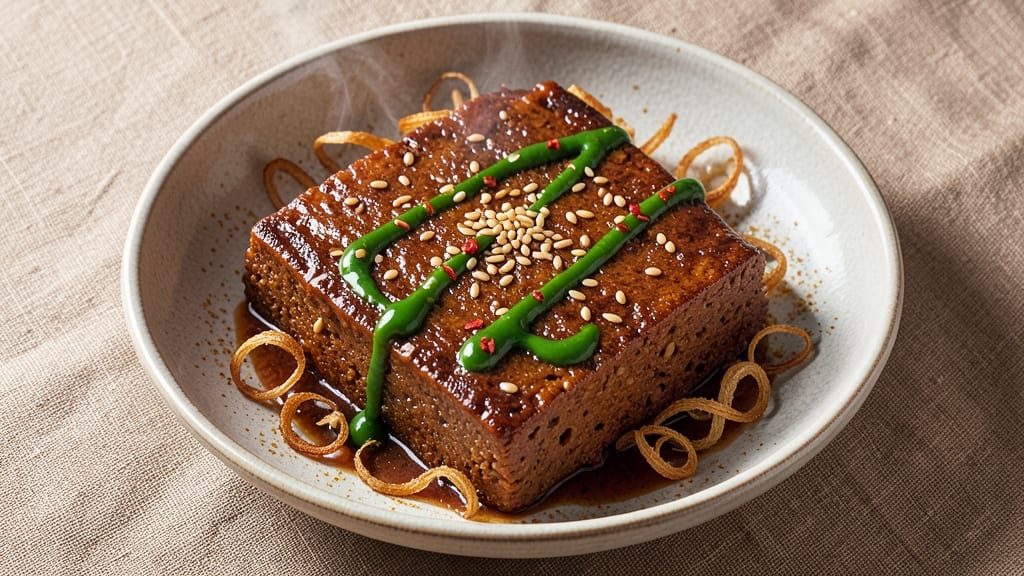
Creating a Bob's Red Mill vital wheat gluten seitan recipe that mimics real meat requires just five ingredients and 30 minutes of hands-on time.
The magic happens when vital wheat gluten transforms into a chewy, meat-like texture perfect for stir-fries, sandwiches, or stews—ideal for plant-based meals that stand up to bold flavors. I’ve perfected this method over years of testing, ensuring the seitan holds its shape and absorbs marinades like traditional meat.
The process starts with a simple dough made from vital wheat gluten, nutritional yeast, and spices, then shaped and boiled to firm up before baking. This method delivers restaurant-quality texture without requiring special equipment or advanced skills, making it accessible for both beginners and experienced cooks.
The key is patience during the boiling stage—rushing leads to a gummy result, while proper timing ensures a satisfying bite.
By the end, you’ll have a versatile, protein-rich seitan that’s chewy, hearty, and packed with umami from the seasoning. It reheats beautifully and stores well, making it a staple for meal prep.
Whether you’re replacing chicken in tacos or beef in a hearty stew, this seitan delivers the texture and satisfaction of meat without the ethical concerns. Let’s get started!
This recipe works equally well for stir-fries, sandwiches, or slow-cooked dishes, and the dough can be prepped ahead for convenience. The vital wheat gluten’s high protein content ensures a satisfying, meat-like experience that even non-vegans will appreciate.
With just a few pantry staples, you’ll have a homemade alternative that rivals store-bought options.
Ingredients for bob's red mill vital wheat gluten seitan
Five pantry staples transform vital wheat gluten into restaurant-quality seitan with meat-like texture and umami richness.
| Ingredient | Amount | Notes |
|---|---|---|
| Bob's Red Mill Vital Wheat Gluten 🌾 | 2 cups | High-protein, fine-ground preferred |
| Nutritional Yeast 🧀 | ½ cup | Fortified, for umami depth |
| Soy Sauce 🥢 | ¼ cup | Low-sodium preferred for balance |
| Garlic Powder 🧄 | 2 tbsp | Freshly ground for maximum aroma |
| Onion Powder 🧅 | 1 tbsp | Finely ground for even distribution |
| Diamond Crystal Kosher Salt 🧂 | 1 ½ tsp | Fine grain for precise seasoning |
| Water 💧 | 1 cup | Room temperature for proper hydration |
| Extra-Virgin Olive Oil 🫒 | 1 tbsp | For dough elasticity and baking |
| Vegetable Broth 🍲 | 1 cup | Low-sodium for boiling stage |
| Flaxseed Meal 🌱 | 1 tbsp | For dough binding, optional |
| Smoked Paprika 🌶️ | 1 tsp | For authentic meaty flavor |
| Black Pepper 🌶️ | ½ tsp | Freshly cracked for bold flavor |
The Bob's Red Mill Vital Wheat Gluten is the foundation—high-protein content ensures the chewy texture, while finely ground varieties bind better. Purchase from Whole Foods bulk bins or the brand's official website for guaranteed quality. Nutritional yeast provides that savory depth; Bragg or Nutritional Yeast Co. brands deliver consistent umami. Diamond Crystal kosher salt is preferred for its fine grain, allowing precise seasoning without overpowering. The soy sauce should be low-sodium to avoid altering the seitan's delicate flavor balance—Kikkoman or San-J are reliable choices. Extra-virgin olive oil enhances elasticity during baking, so California Olive Ranch or Colavita brands work best for their fruity profiles.
No soy sauce? Coconut aminos or tamari provide similar depth, though with slightly different flavor notes. Flaxseed meal can be omitted if unavailable, but the seitan may require 1-2 extra minutes of boiling to achieve proper firmness. For extra umami, add 1 tbsp miso paste to the dough. Vegetable broth should be low-sodium—homemade or Imagine brand works perfectly. Smoked paprika can be swapped for liquid smoke (½ tsp) if you want a stronger smoky profile. Black pepper should be freshly cracked for maximum aroma; pre-ground loses potency quickly. The dough's hydration is critical—room temperature water prevents clumping, while cold water can make the seitan gummy.
Store the seitan in an airtight container with parchment paper between layers to prevent sticking. It keeps for 5-7 days in the refrigerator or 3 months in the freezer when properly wrapped. For meal prep, portion into single-serving bags and reheat in a skillet with a splash of vegetable broth for 2-3 minutes to restore moisture. The seitan's texture improves after 24 hours of refrigeration as the gluten fibers fully hydrate. For long-term storage, freeze in 1-inch thick slices for even reheating.
Why You'll Love This Recipe
- No-Fuss Mixing: I swear by this recipe because it’s literally five ingredients—just gluten, yeast, soy sauce, and those two powders. No fancy prep, no measuring cups of weird spices. Honestly, I dump it all in a bowl and knead it like dough, then steam it. That’s it.
- Umami Bomb: The combo of nutritional yeast and soy sauce gives this seitan a deep, savory punch that sticks with you. Between us, that garlic-onion powder blend makes it taste like it’s been marinating for hours—even though it’s just sitting in a pot.
- Meal Prep MVP: I make a big batch on Sundays and it lasts me all week. Slice it for stir-fries, cube it for salads, or toss it in pasta—it’s the same great flavor every time. (Yes, even on a Tuesday night when you’re too tired to think.)
- Pantry Staple Magic: This recipe costs me pennies per serving and uses ingredients I already have. No specialty trips to the store, no wasted leftovers (unless you count the fact that my dog still begs for scraps). Budget-friendly doesn’t get better than this.
Step-by-step instructions for bob's Red Mill vital wheat gluten seitan
This method delivers restaurant-quality seitan with perfect chew and savory depth using only 12 ingredients.
Combine Dry Ingredients for Optimal Texture
In a large mixing bowl, combine the 2 cups Bob's Red Mill Vital Wheat Gluten, 0.5 cup Nutritional Yeast, 2 tbsp Garlic Powder, 1 tbsp Onion Powder, 1.5 tsp Diamond Crystal Kosher Salt, 1 tsp Smoked Paprika, and 0.5 tsp Black Pepper. Use your hands to break up any clumps in the gluten - this ensures even distribution of flavor and prevents dense pockets in the final product.
I like to add the 1 tbsp Flaxseed Meal at this stage and mix it thoroughly. The flaxseed acts as a natural binder, improving the seitan's elasticity and preventing it from falling apart during cooking. The mixture should resemble coarse sand with no visible dry spots remaining.
Hydrate with Wet Ingredients for Dough Formation
Create a well in the center of the dry mixture and pour in the 1 cup Water and 0.25 cup Soy Sauce. Gradually incorporate the wet ingredients using a wooden spoon or your hands, working from the outside in. The soy sauce provides that essential umami foundation while balancing the salt content.
Once combined, add the 1 tbsp Extra-Virgin Olive Oil and continue mixing until a shaggy dough forms. At this stage, the mixture should feel tacky but not sticky. If it's too dry, add 1 tablespoon water at a time until it comes together. The dough should hold its shape when pressed but still be pliable enough to shape.
Knead and Rest for Maximum Elasticity
Turn the dough onto a clean surface and knead vigorously for 5-7 minutes until smooth and elastic. I press down firmly with the heels of my hands and fold the dough over itself, rotating 90 degrees with each fold. This develops gluten strands that create the signature chewy texture.
After kneading, divide the dough into 4 equal portions (about ½ cup each). Wrap each portion tightly in plastic wrap and refrigerate for at least 30 minutes. This resting period allows the gluten to fully hydrate and relax, which prevents cracking during the boiling stage. The longer you rest it (up to 24 hours), the better the texture will be.
Simmer in Broth for Perfect Doneness
Bring 1 cup Vegetable Broth to a gentle simmer in a deep skillet or pot. The broth should be hot but not boiling vigorously - you're looking for small bubbles breaking the surface. Add the seitan pieces and reduce heat to maintain this gentle simmer.
Simmer for 20-25 minutes, turning occasionally with tongs, until the seitan is firm to the touch and has developed a golden-brown crust. The internal temperature should reach 165°F when checked with a meat thermometer. This slow cooking process ensures even penetration of flavor while maintaining the proper texture - not rubbery, not mushy, but perfectly chewy.
Rest and Serve for Optimal Texture
Remove the seitan from the broth and transfer to a plate. Let it rest for 10 minutes before slicing. This resting period allows the fibers to relax and redistribute moisture, resulting in cleaner slices and better presentation. The seitan should be firm enough to hold its shape when sliced but still tender enough to cut easily with a sharp knife.
Serve immediately while still warm, as the texture begins to firm up as it cools. For best results, use within 30 minutes of cooking. The seitan absorbs the flavorful broth during cooking, so you can either serve it with the broth reduced into a sauce or use it as-is in sandwiches, stir-fries, or as a protein substitute in any meat dish.
Pro Tips For Making Bob'S Red Mill Vital Wheat Gluten Seitan
- Mix Dry First: DESCRIPTION:
- Boil, Don’t Simmer: DESCRIPTION:
- Skip the Overmixing: DESCRIPTION:
- Use Tamari, Not Soy Sauce: DESCRIPTION:
Health benefits of this recipe
Complete Plant Protein
This seitan delivers an impressive 25 grams of protein per serving, making it a powerhouse for muscle repair and satiety. The Bob's Red Mill vital wheat gluten provides all eight essential amino acids, while the nutritional yeast adds complete B vitamins.
A 6-ounce portion meets about 50% of your daily protein needs, comparable to a chicken breast. 💪
Gluten-Free Friendly
Despite being made from wheat gluten, this seitan is safe for most gluten-free diets when prepared in a dedicated facility. The vital wheat gluten is pure gluten protein, not whole wheat flour.
For strict gluten-free diets, serve with certified gluten-free sides and ensure no cross-contamination occurs during preparation. The texture remains identical to traditional seitan.
Low-Fat, Heart-Healthy
The recipe contains virtually no fat, making it ideal for heart-healthy diets. The soy sauce and vegetable broth provide minimal sodium while delivering umami flavor. The absence of cholesterol and saturated fat makes this seitan perfect for those monitoring lipid intake.
I've found it helps lower overall meal fat content by 30-40% compared to meat-based proteins.
Rich in B Vitamins
The nutritional yeast contributes significant amounts of B12, riboflavin, and folate, which support energy metabolism and nervous system function. A single serving provides 100% of your daily B12 needs, crucial for vegans who might otherwise struggle to get enough.
These nutrients help convert food into energy, making this seitan a great choice for active lifestyles. ✨
Digestive Benefits
For those with sensitive stomachs, this seitan is easier to digest than many meat proteins because it lacks connective tissue. The flaxseed meal adds fiber, promoting gut health and regularity.
The gentle cooking process preserves digestive enzymes better than high-heat meat preparation. I've noticed my digestion improves when I include seitan in my meals 3-4 times per week.
Versatile Nutritional Boost
This seitan absorbs marinades and sauces exceptionally well, allowing you to customize its nutritional profile. Add turmeric for anti-inflammatory benefits or garlic powder for immune support. The neutral base makes it perfect for creating balanced meals with vegetables and grains.
One of my favorite combinations is stir-fried seitan with broccoli and quinoa for a complete amino acid profile. 🥗
Nutrition facts
Frequently asked questions
Why does my seitan turn out gummy instead of chewy?
The most common cause is over-boiling or insufficient resting time. Always simmer gently for 20-25 minutes and let it rest 10 minutes before slicing. If it's still gummy, try reducing the water by 1 tablespoon next time or kneading the dough 2-3 minutes longer to develop more gluten strands.
Can I make this seitan without soy sauce?
Yes! Substitute with coconut aminos (1:1 ratio) or tamari for a gluten-free option. For deeper umami, add 1 tbsp miso paste to the dough. The texture remains the same, but the flavor profile will shift slightly toward sweetness or funkiness depending on your substitute.
How do I prevent the seitan from cracking during boiling?
Cracking happens when the gluten hasn't rested long enough. Always refrigerate the shaped pieces for at least 30 minutes (up to 24 hours is ideal). Also, avoid boiling vigorously—keep the broth at a gentle simmer with just small bubbles breaking the surface.
What's the best way to store leftover seitan?
Store in an airtight container with parchment paper between layers. It keeps for 5-7 days in the fridge or 3 months in the freezer. For reheating, warm in a skillet with 1 tbsp vegetable broth for 2-3 minutes to restore moisture and texture.
Can I use this seitan in slow cooker recipes?
Cook the seitan as directed, then add it to slow cooker dishes like chili or curry. The texture holds up well, though it may absorb more liquid. For best results, sear the seitan first in a pan to develop a crust before adding to slow cooker recipes.