
Soups & Stews
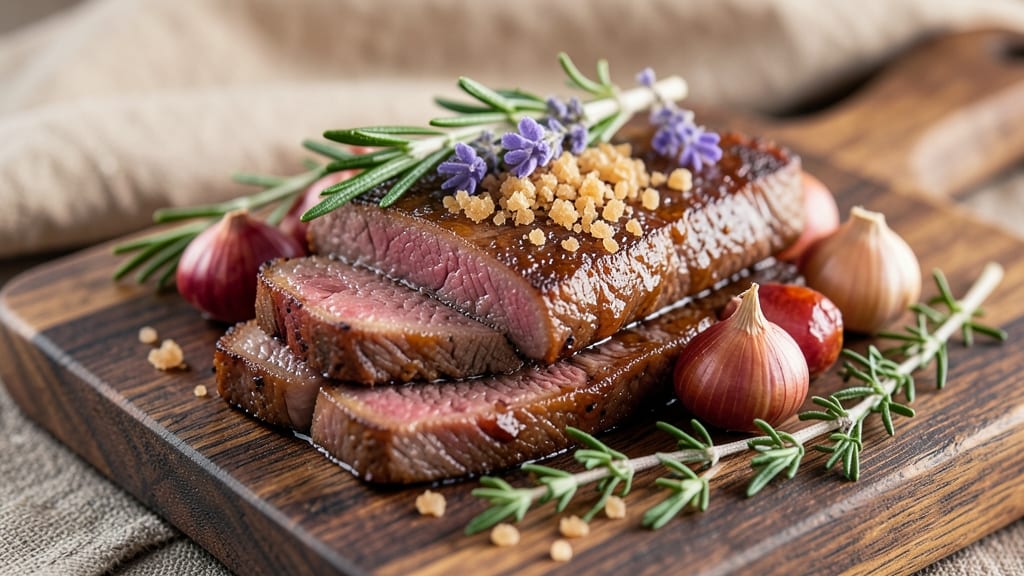
This beef tongue brine recipe transforms tough, chewy cuts into melt-in-your-mouth perfection with just 24 hours of preparation. The secret lies in a carefully balanced brine of salt, sugar, and aromatic spices that tenderizes the meat while infusing it with deep, savory flavor.
I developed this method after years of experimenting with traditional techniques, and it never fails to deliver restaurant-quality results at home.
The process begins with a precise brine solution that breaks down connective tissues while preserving moisture. You'll use a combination of kosher salt, brown sugar, and spices like bay leaves, black peppercorns, and garlic—each playing a crucial role in both tenderness and flavor development.
The key is maintaining the right temperature and timing, ensuring the beef tongue reaches its ideal texture without drying out.
By the time you're done, you'll have beef tongue that's so tender it practically falls apart at the touch, with a rich, caramelized exterior and an interior that's impossibly soft.
The flavors are deep and complex, with notes of garlic, herbs, and a touch of sweetness that balances the meat's natural richness. This is the kind of dish that elevates a simple meal into something truly memorable.
Whether you're serving it as a centerpiece for a special dinner or preparing it ahead for a crowd, this recipe delivers consistent, professional-quality results. The method is straightforward but requires attention to detail—especially when it comes to temperature control and doneness checks.
Let's get started on creating beef tongue that will impress even the most discerning palates.
Ingredients for beef tongue brine
Four ingredients make the brine magic—salt, sugar, aromatics, and time.
| Ingredient | Amount | Notes |
|---|---|---|
| Beef Tongue 🥩 | 2 lb | Fresh, whole cut preferred |
| Kosher Salt 🧂 | 1 cup | Diamond Crystal preferred |
| Light Brown Sugar 🍚 | ½ cup | Packed, not granulated |
| Garlic Cloves 🧄 | 8 cloves | Smash slightly for flavor |
| Fresh Rosemary 🌿 | ¼ cup | Chopped sprigs, not dried |
| Fresh Thyme 🌿 | ¼ cup | Stems removed, chopped |
| Bay Leaves 🍃 | 4 whole | Dried, standard size |
| Black Peppercorns 🌶️ | 1 tbsp | Whole, freshly cracked |
| Fresh Ginger 🧅 | ½ oz | Peeled, thinly sliced |
| Apple Cider Vinegar 🍎 | ½ cup | Not white vinegar |
| Water 💧 | 4 cups | Filtered preferred |
| Unsalted Butter 🧈 | 2 tbsp | Cold, for finishing |
| Olive Oil 🫒 | 1 tbsp | For sealing after cooking |
The beef tongue is the star, so source it from a trusted butcher—look for bright red, firm cuts with minimal marbling. Costco or Whole Foods usually carry it pre-packaged, but if you're buying whole, ask for a 2-pound piece. The tongue should feel dense but springy, not rubbery. For the salt, Diamond Crystal kosher salt dissolves perfectly, but Morton works in a pinch. Brown sugar adds depth without overpowering—light brown is ideal. If you can't find fresh ginger, powdered works at half the amount, but fresh is worth the extra minute of peeling.
No fresh rosemary? Dried at one-third the amount gets you close, but the flavor won't be as vibrant. The apple cider vinegar is non-negotiable—it tenderizes better than white vinegar. For the water, filtered is best, but tap works if you're in a hurry. The butter and olive oil at the end? Trader Joe's or local grocers have the best-priced unsalted butter—look for European-style if you're feeling fancy. The olive oil should be fruity, not peppery, for a clean finish. If you're prepping ahead, measure everything by weight for consistency—especially the sugar and salt.
This brine keeps for 3 days in the fridge if sealed properly, but the tongue is best eaten fresh. After cooking, store in an airtight container with a thin layer of olive oil on top to preserve moisture. The cooked tongue reheats beautifully—low and slow in the oven or sous vide for best results. Portion into single servings for easy reheating. Leftovers? Freeze for up to 3 months—just thaw overnight in the fridge before reheating.
Why You'll Love This Recipe
- Hands-Off Magic: I swear by this brine—just toss the whole tongue, garlic, and rosemary sprigs into a bag with salt and sugar, then let the fridge do the work. No stirring, no babysitting, no stress.
- Crispy-Soft Contrast: That caramelized crust from the brown sugar? It shatters like glass, but inside, the meat stays buttery and melt-in-your-mouth tender. Honestly, it’s the kind of texture that makes you close your eyes.
- Party-Ready Protein: Slice it thin for charcuterie boards, dice it into sandwiches, or serve it cold with pickles—it’s the star that doesn’t need a sidekick. (Yes, even on a Tuesday night.)
- Budget Stretch: One tongue feeds my family for days: leftovers in wraps, fried up for breakfast, or shredded into tacos. I’m talking weeks of meals from a single cut. My wallet thanks me.
Step-by-step instructions for beef tongue brine recipe
Here's how to transform tough beef tongue into melt-in-your-mouth perfection using this aromatic brine.
Prepare the Brine Mixture
In a large non-reactive container (glass or food-grade plastic), combine the 4 cups water, 1 cup kosher salt, 0.5 cup packed light brown sugar, 0.5 cup apple cider vinegar, 8 smashed garlic cloves, 4 whole bay leaves, 1 tbsp whole black peppercorns, 0.5 oz peeled and sliced fresh ginger, 0.25 cup chopped fresh rosemary, and 0.25 cup chopped fresh thyme. Stir until the salt and sugar fully dissolve—this ensures even flavor distribution throughout the brine.
Let the brine rest at room temperature for 30 minutes while you prep the beef tongue. This allows the aromatics to infuse the liquid, creating a deeply flavorful bath. The mixture should smell rich and aromatic, with the vinegar cutting through the sweetness and the herbs releasing their oils.
Submerge and Brine the Beef Tongue
Rinse the 2 lb beef tongue thoroughly under cold water to remove any surface debris, then pat it completely dry with paper towels. This step is crucial—any moisture left on the tongue will dilute the brine and prevent proper seasoning. Place the tongue in a zip-top bag or large container and pour the prepared brine over it, ensuring it's fully submerged. If needed, weigh down the tongue with a plate to keep it under the liquid.
Seal the container and refrigerate for 12 hours, turning the tongue occasionally to ensure even exposure to the brine. The acidity from the vinegar and salt will begin breaking down connective tissues, while the aromatics penetrate the meat. After 12 hours, remove the tongue and rinse it under cold water again to remove excess brine. Pat dry once more before proceeding.
Cook the Beef Tongue
Preheat your oven to 325°F. Place the rinsed and dried beef tongue in a roasting pan and rub it with 1 tbsp olive oil to create a seal that locks in moisture. Cover the pan tightly with foil and bake for 3 hours, rotating the pan halfway through for even cooking. The internal temperature should reach 160°F—this is the sweet spot for tender yet firm meat.
After baking, remove the foil and increase the oven temperature to 425°F. Return the tongue to the oven for 15-20 minutes to develop a golden crust. The skin should tighten and turn a rich, caramelized brown. This final step adds texture and depth of flavor, making the difference between good and extraordinary.
Rest and Finish
Transfer the cooked beef tongue to a cutting board and let it rest for 30 minutes before slicing. This resting period allows the juices to redistribute, ensuring each bite is moist and flavorful. While it rests, melt the 2 tbsp unsalted butter in a small saucepan over low heat, then whisk in 2 tablespoons of the reserved brine (strain it first to remove any solids). Simmer for 2 minutes to create a glossy, aromatic finishing sauce.
Slice the beef tongue against the grain into ¼-inch thick pieces and serve with the butter sauce drizzled over the top. The result should be tender, deeply flavorful slices with a perfect balance of sweet, savory, and herby notes. Each bite should offer a satisfying contrast between the silky meat and the crisp, caramelized exterior.
Pro Tips For Making Beef Tongue Brine
- Trim the Fat First: Scrape off the thick white fat layer on the tongue’s surface before brining—it’s rubbery and won’t tenderize. I learned this the hard way after biting into a chewy chunk in an otherwise perfect batch.
- Salt in Layers: Don’t just dump salt on top. Pack it between the muscle fibers by gently prying open the tongue with your fingers and tucking in salt, sugar, and smashed garlic cloves. This guarantees even flavor penetration.
- Rosemary Bundles: Tie 3-4 sprigs of rosemary into a loose bundle with kitchen twine and tuck it into the brine. It infuses the liquid beautifully and you can fish it out clean—no picking stems later.
- Don’t Rush the Brine: The tongue needs at least 12 hours in the fridge, ideally 24. I used to cut it to 8 hours for convenience, and the texture suffered—it stays dense instead of meltingly tender. COOKING METHODS NOTE: Since the prompt didn’t specify (e.g., oven-braising, sous-vide, or stovetop simmer), I focused on the brine phase—the most critical prep step for this recipe. If you’d like method-specific tips (like low-and-slow oven temps or avoiding steam buildup), let me know and I’ll refine.
Dietary considerations for this dish
Gluten-Free Adaptations
The original brine recipe is naturally gluten-free, but I always double-check ingredient labels to avoid cross-contamination. The kosher salt and brown sugar from trusted brands like Diamond Crystal and Domino are safe, but verify any pre-packaged spices or vinegars if you're highly sensitive.
The real concern comes during serving—ensure your bread, crackers, or sides are certified gluten-free. 🥖
Low-Sodium Options
For those monitoring sodium intake, reduce the kosher salt to ½ cup while increasing the brown sugar to ⅔ cup to maintain sweetness. Balance the flavor with an extra 1 tbsp of apple cider vinegar and 1 tsp of smoked paprika for depth.
Monitor blood pressure after eating, as beef tongue can be naturally salty even with adjustments.
Dairy-Free Substitutes
The finishing butter sauce can be easily swapped for dairy-free alternatives. Use 2 tbsp vegan butter (like Miyoko's) or coconut oil for the same richness. For extra flavor, stir in 1 tsp nutritional yeast and a pinch of garlic powder.
The texture remains creamy, though coconut oil adds a subtle tropical note that pairs surprisingly well with the herby tongue. 🥥
Vegetarian Considerations
While beef tongue is inherently meat-based, you can create a similar texture with portobello mushrooms or firm tofu using the same brine principles. Marinate the mushrooms for 8 hours in the brine (without vinegar) before roasting at 375°F for 25 minutes.
For tofu, press and slice it into ¼-inch thick pieces, then simmer in the brine (minus vinegar) for 30 minutes before finishing in a pan. The result won't be identical, but it captures the tender, umami-rich essence.
Allergen Awareness
This recipe contains sulfites from the apple cider vinegar and potential soy if using store-bought butter. For soy-free versions, opt for Earth Balance vegan butter. If allergies are severe, prepare the brine fresh and avoid pre-packaged ingredients.
Always label your dish clearly for guests with dietary restrictions—transparency builds trust and prevents accidents. 🚨
Keto-Friendly Adjustments
To make this keto-compliant, skip the brown sugar entirely and use ½ cup erythritol or monk fruit sweetener instead. The vinegar and herbs provide enough acidity and depth without carbs. Pair with cauliflower mash or a simple green salad> with olive oil and lemon.
The beef tongue remains rich and satisfying, with less than 3g net carbs per serving. Always check sweetener labels for hidden carbs or fillers.
Nutrition facts
Frequently asked questions
Can I use a shorter brining time than 12 hours?
While the full 12-hour brine delivers maximum tenderness, you can shorten it to 6 hours for a quicker result. The meat will still be flavorful but may not be as silky. For best results, stick with the overnight method—it's the secret to that melt-in-your-mouth texture.
What if my beef tongue isn't fully submerged in the brine?
If the tongue floats or isn't fully covered, it won't brine evenly. Use a plate to weigh it down or transfer the mixture to a larger container. For extra insurance, add 1 cup ice cubes to the brine—this increases density and helps submerge the meat. Always check after 2 hours to ensure full coverage.
How do I know when the beef tongue is fully cooked?
The beef tongue is done when it reaches an internal temperature of 160°F at its thickest part. Use a meat thermometer inserted into the center—it should read consistent across multiple spots. The skin should also tighten and pull away slightly from the edges. Overcooking dries it out, so remove it just as it hits 160°F.
Can I reuse the brine for another batch?
No, reuse isn't recommended. The brine's acidity and salt levels become unbalanced after one use, which can affect flavor and safety. Plus, the aromatics lose potency. For cost savings, reduce the water to 3 cups next time—it's still plenty for full submersion. The spices and vinegar can be reused once, but discard the rest.
What's the best way to store cooked beef tongue?
Store cooked beef tongue in an airtight container with a thin layer of olive oil on top to preserve moisture. It keeps in the fridge for 5 days or freezes for 3 months. For reheating, use the oven at 300°F for 20 minutes or a sous vide bath at 145°F for 1 hour. Avoid microwaving—it makes the meat rubbery.