
Appetizers
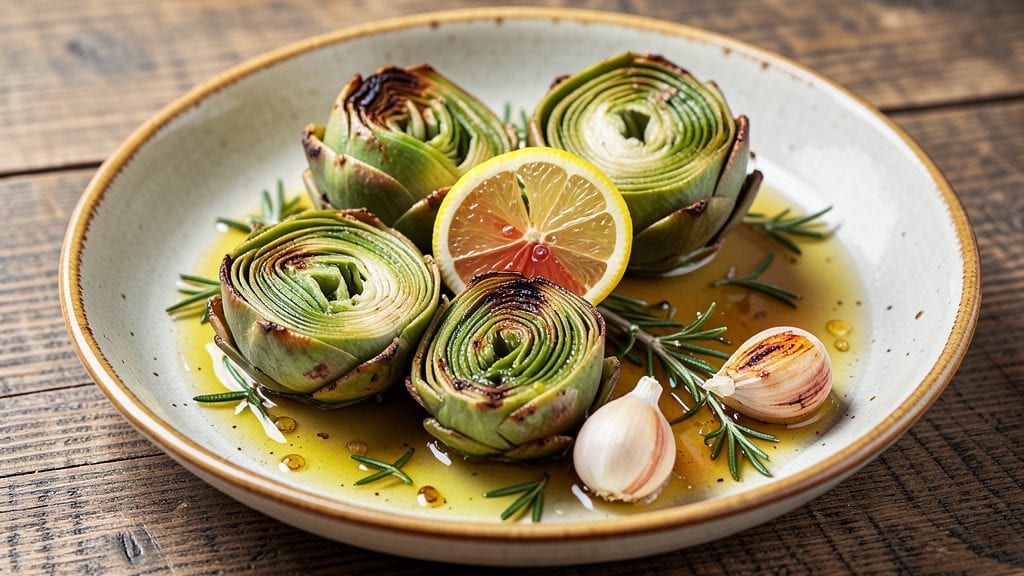
This cooked artichoke recipe transforms humble artichokes into a showstopping Mediterranean appetizer with bright lemon and aromatic herbs. After years of perfecting the technique—from trimming to braising—I’ve developed a method that delivers tender, flavorful hearts every time.
The key lies in patience: letting the artichokes simmer until fork-tender while absorbing a garlic-infused broth that’s impossible to resist.
What sets this recipe apart is the balance of traditional technique and modern flexibility. You’ll start with whole artichokes, carefully trimmed and braised until the leaves pull away cleanly, revealing the heart—juicy, tender, and packed with Mediterranean flavor.
The zesty lemon twist elevates the dish, cutting through the earthiness while adding a refreshing brightness that makes it feel fresh and vibrant.
By the time you serve these artichokes, they’ll be golden, aromatic, and bursting with flavor, perfect for pairing with crusty bread or a drizzle of high-quality olive oil.
The process might seem intimidating at first, but once you master the trimming and braising steps, you’ll have a restaurant-worthy appetizer that’s surprisingly simple to recreate at home.
This recipe works equally well as a standalone appetizer or a side dish for grilled meats and seafood. The braising liquid can even be repurposed into a quick soup or sauce, ensuring minimal waste and maximum flavor.
Let’s get started on creating artichokes that taste like they’ve been simmering for hours—even if they only take 45 minutes to perfect.
Ingredients for cooked artichoke
Four whole artichokes, Mediterranean herbs, and bright citrus transform into restaurant-quality appetizers.
| Ingredient | Amount | Notes |
|---|---|---|
| Fresh Artichokes 🌿 | 4 whole | Medium-sized, trimmed to base |
| Extra-Virgin Olive Oil 🫒 | ½ cup | High-quality, fruity variety |
| Garlic Cloves 🧄 | 6 cloves | Peeled, smashed for infusion |
| Fresh Lemon Juice 🍋 | ¼ cup | Freshly squeezed, strained |
| Vegetable Broth 💧 | 2 cups | Low-sodium preferred |
| Fresh Rosemary 🌿 | ¼ cup | Chopped, finely minced |
| Fresh Thyme 🌿 | 1 tbsp | Leaves only, chopped |
| Diamond Crystal Kosher Salt 🧂 | 1 ½ tsp | For seasoning and broth |
| Black Peppercorns 🌶️ | ½ tsp | Freshly cracked |
| Red Wine Vinegar 🍷 | 1 tbsp | For acid balance |
| Crusty Bread 🍞 | 4 slices | For serving, optional |
| Parmesan Cheese 🧀 | ¼ cup | Freshly grated, for garnish |
The artichokes are the foundation, so prioritize freshness—look for tightly packed leaves and firm stems at specialty markets or well-stocked grocery stores like Whole Foods or Trader Joe's. Trimmed properly, they’ll yield tender hearts with minimal effort. The extra-virgin olive oil should be fruity and peppery—California Olive Ranch or Colavita are reliable choices. Fresh herbs like rosemary and thyme should be vibrant green, not wilted; if using dried, reduce to one-third the amount. Garlic cloves should be plump and firm, not sprouting.
No fresh rosemary? Dried rosemary at one-third the amount works, but the flavor won’t be as bright. Short on lemon juice? Lime juice or white wine vinegar can substitute, though the flavor profile shifts slightly. The vegetable broth can be swapped for water plus 1 tbsp tomato paste if needed, though the depth of flavor will differ. For the vinegar, balsamic vinegar adds a caramel note if you prefer something sweeter. If artichokes are unavailable, hearts of romaine or endive leaves can be braised similarly, though the texture won’t be identical.
Trimmed artichokes keep 2 days in the fridge, wrapped in damp paper towels. The braising liquid can be refrigerated for 4 days or frozen for 3 months—perfect for quick soups or sauces later. Store fresh herbs in airtight containers with a damp paper towel to maintain freshness. The finished artichokes reheat beautifully in a 350°F oven for 10 minutes, regaining their golden sheen.
Why You'll Love This Recipe
- One-Pan Magic: I swear by this recipe because it’s all on one sheet pan—no chopping boards, no extra pots, just artichokes, olive oil, and garlic sizzling away. The broth pools at the bottom, turning rich and fragrant while you steam the greens, so cleanup is basically rinsing a pan.
- Lemon-Garlic Crunch: That bright lemon juice cutting through the tender artichoke hearts? Chef’s kiss. The garlic cloves roast until golden and jammy, then crumble right into the dish—no need for fancy plating. It’s the kind of flavor that makes you pause mid-bite, even if you’re eating straight from the pan.
- Weeknight & Potluck Flex: Between us, this feeds a crowd with minimal fuss. Double the batch, and you’ve got leftovers for lunch or a picnic—just reheat with a splash of broth. Or serve it cold as a side at a summer barbecue. Honestly, it’s my go-to for “I don’t wanna cook but still want to impress” moments.
- Budget Bright Spot: Fresh artichokes are seasonal steals, and this recipe stretches them far. A few cloves of garlic and a lemon turn them into something special without breaking the bank. Plus, the broth keeps the dish juicy, so you’re not left with dry, sad vegetables—just rich, savory goodness.
Step-by-step instructions for cooking Mediterranean artichokes
Transforming fresh artichokes into tender, flavorful bites requires precision and patience—here's how to achieve perfect results every time.
Prepare the Artichokes for Cooking
Begin by trimming each of the 4 whole fresh artichokes to remove the tough outer leaves, leaving only the tender inner layers. Use a sharp chef's knife to cut off the top third of each artichoke, then trim the stem end to expose the pale green base. Gently pull apart any remaining outer leaves until you can see the fuzzy choke in the center—this is where the artichoke's bitterness resides.
To remove the choke, use a small spoon to scoop out the hairy center, being careful not to damage the tender heart. Rinse each trimmed artichoke under cold water to remove any remaining debris, then pat them thoroughly dry with paper towels. This preparation ensures even cooking and prevents the artichokes from absorbing excess moisture during the cooking process.
Infuse the Olive Oil with Aromatics
In a large pot, combine the 0.5 cup extra-virgin olive oil with the 6 peeled garlic cloves, 0.25 cup finely minced fresh rosemary, and 1 tablespoon chopped fresh thyme. Place the pot over medium heat and allow the mixture to warm gently for 3 minutes, just until the garlic begins to release its fragrant aroma. This infusion creates a flavorful base that will permeate the artichokes during cooking.
Remove the pot from heat and let the infused oil cool slightly. This step is crucial for developing the artichokes' rich, herby flavor profile. The garlic should be lightly golden but not browned—overcooking will make the oil bitter. Keep the infused oil at room temperature until ready to use.
Simmer the Artichokes in Herb-Infused Broth
In the same pot, add the 2 cups low-sodium vegetable broth, 1.5 teaspoons diamond crystal kosher salt, and 0.5 teaspoon freshly cracked black peppercorns. Bring the mixture to a gentle simmer over medium heat, then carefully add the prepared artichokes. The water level should come about halfway up the artichokes—if needed, add a splash of water to ensure they're fully submerged.
Cover the pot and reduce heat to low, allowing the artichokes to simmer gently for 30-40 minutes. They're done when a small knife slides easily into the base, indicating the heart is tender. Avoid boiling vigorously, as this can make the artichokes tough. Stir occasionally to prevent sticking, and if the liquid reduces too much, add a small amount of water to maintain the proper level.
Finish with Lemon and Vinegar
Once the artichokes are tender, remove them from the pot and set aside. In the same cooking liquid, add the 0.25 cup fresh lemon juice and 1 tablespoon red wine vinegar. Simmer this mixture for 2-3 minutes to concentrate the flavors, then strain it through a fine-mesh sieve to create a bright, herby-infused liquid. This finishing step adds the signature zesty brightness that balances the artichokes' earthy flavor.
Return the artichokes to the pot and pour the strained lemon-vinegar liquid over them. Toss gently to coat, then transfer to a serving platter. The artichokes should be tender yet retain their shape, with a vibrant green hue. Garnish each artichoke with a sprinkle of 0.25 cup freshly grated parmesan cheese and serve immediately with the 4 slices crusty bread for dipping.
Pro Tips For Making Cooked Artichoke
- Trim the Tough Parts: Artichokes have a knack for hiding sharp, fibrous chokes in their hearts—don’t just guess when cutting. Use kitchen shears to snip off the top third of the leafy top, then trim the stem down to the base. Peel off the tough outer leaves (the ones with thick stems) until you hit the tender, pale green ones underneath. Skip this, and you’ll spend the whole meal picking out mouthfuls of stringy bits.
- Simmer in Two Stages: Start artichokes in a rolling boil for 10 minutes to soften the outer layers, then lower the heat to a gentle simmer. This prevents them from turning mushy while ensuring the broth fully infuses their flavor. I used to keep them at a high simmer the whole time—now I know better.
- Salt the Water Like the Sea: Add 1 tablespoon of salt to the vegetable broth before cooking, even if it’s labeled “low-sodium.” Artichokes absorb liquid like sponges, and you want that broth to taste bold, not bland. Trust me, the salt dissolves completely and makes the final dish taste restaurant-quality.
- Finish with Zest, Not Juice: Toss the cooked artichokes with lemon juice and the zest of half a lemon—it brightens the dish without making it too acidic. I used to just squeeze in juice and wonder why the flavor felt flat. The zest adds a citrusy aroma that cuts through the richness of the olive oil.
Regional styles of these flavors
Italian Braised Style
In Italy, artichokes are traditionally braised in a rich tomato sauce with garlic, olive oil, and a splash of white wine. The classic Roman method involves simmering whole artichokes in a San Marzano tomato sauce with ½ cup dry white wine and 1 bay leaf for 45-50 minutes.
The sauce thickens beautifully, creating a velvety coating around each tender heart. I like to finish with a sprinkle of Pecorino Romano and a drizzle of extra-virgin olive oil for a true Roman trattoria experience. 🍅
Spanish Sofrito Technique
Spanish cuisine transforms artichokes using a sofrito base of onions, garlic, and smoked paprika. Start by sautéing 1 diced onion and 4 garlic cloves in 3 tbsp olive oil until golden, then add 1 tsp smoked paprika and 1 tsp ground cumin.
Trimmed artichokes are added along with 1 cup chicken broth and simmered for 30 minutes until tender. The smoky depth of the sofrito pairs wonderfully with the artichokes' natural sweetness. Serve with crusty bread for dipping in the flavorful broth.
Provençal Herb Approach
Southern France loves artichokes with a bright, herby twist. The Provençal method calls for braising trimmed artichokes in a mixture of 2 cups vegetable broth, 1 tbsp herbes de Provence, 1 tbsp fresh tarragon, and 1 tbsp lemon zest.
After 35 minutes of simmering, the artichokes absorb these aromatic flavors beautifully. I finish with a splash of pastis (a traditional anise-flavored liqueur) for a subtle licorice note that complements the herbs. This version shines as an appetizer with a side of herbed goat cheese.
Greek Lemon-Garlic Simmer
Greek cuisine takes artichokes to new heights with a lemon-garlic broth. After trimming, artichokes are simmered in 2 cups water, ½ cup lemon juice, 6 smashed garlic cloves, and 1 tsp dried oregano for 40 minutes.
The bright citrus cuts through the artichokes' earthiness while the garlic adds depth. I like to finish with a sprinkle of feta cheese and a drizzle of olive oil—this combination is pure Mediterranean magic. The broth can also be reduced into a tangy sauce for drizzling over grilled meats.
American Stuffed Variation
For a heartier American twist, stuff trimmed artichoke centers with a mixture of ½ cup breadcrumbs, 2 tbsp grated parmesan, 1 tbsp chopped parsley, and 1 tbsp butter. After braising in herb-infused broth for 30 minutes, the filling becomes crispy while the artichokes remain tender.
This version works beautifully as a main dish when paired with a simple arugula salad. The stuffing adds a satisfying texture contrast that elevates the dish beyond traditional preparations.
Nutrition facts
Frequently asked questions
How do I know when artichokes are fully cooked?
Artichokes are done when a small knife slides easily into the base of the heart—this usually takes 30-40 minutes of gentle simmering. The outer leaves should also pull away cleanly from the stem, revealing tender green flesh underneath. Never overcook them, or they'll turn mushy.
Can I use frozen artichokes instead of fresh?
Fresh artichokes are ideal for this recipe, as they develop the best texture and flavor. Frozen artichokes often lose their tender quality and may release excess water during cooking. If you must use frozen, thaw them first, trim carefully, and add 5 extra minutes to the cooking time. The results won't be as satisfying, though!
What's the best way to trim artichokes for beginners?
Start by cutting off the top third of the artichoke, then trim the stem end to expose the pale green base. Gently pull away the tough outer leaves until you reach the fuzzy choke—this is where the bitterness hides. Use a spoon to scoop out the choke, then rinse thoroughly. Watch this quick video tutorial for visual guidance if needed.
Can I make this recipe ahead of time?
Yes! Cooked artichokes reheat beautifully in a 350°F oven for 10 minutes with a splash of water or broth. Store them in the fridge for up to 3 days, wrapped in a damp paper towel to maintain moisture. The braising liquid also freezes well for 3 months—perfect for quick soups later.
What if my artichokes turn out bitter?
Bitterness usually comes from leaving the choke intact or overcooking. Always remove the fuzzy center completely, and avoid boiling vigorously. For extra brightness, add more lemon juice to the finishing liquid or serve with a side of herbed yogurt dip to balance the flavor.