
Side Dishes
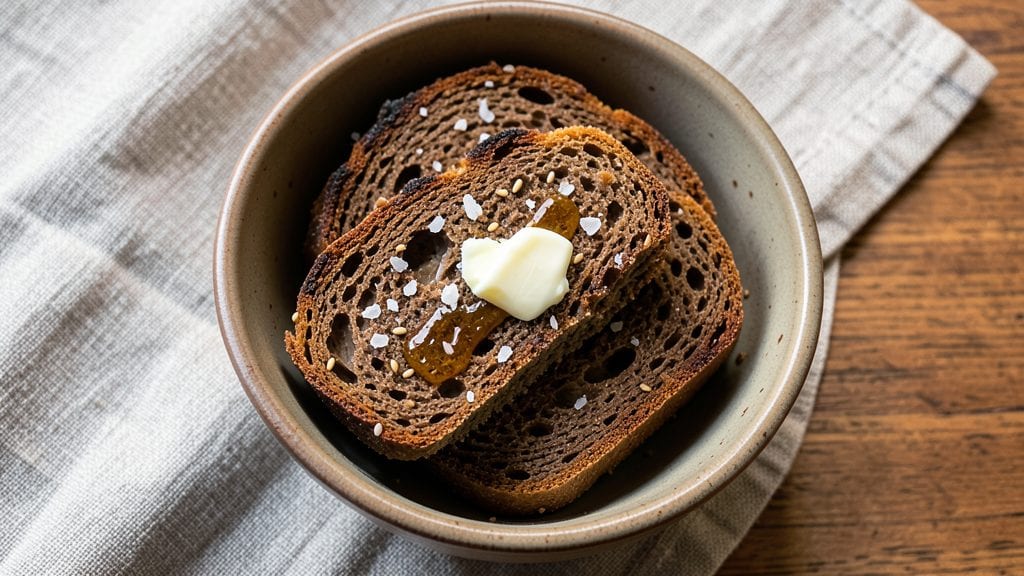
America's Test Kitchen deli rye bread recipe delivers that perfect balance of no-knead simplicity and deep malty flavor—just like your favorite bakery loaf, but made at home. The secret lies in precise ingredient ratios and a slow fermentation that develops complex, caramelized notes without requiring hours of kneading.
I’ve baked countless loaves using this method, and the results consistently impress with their crusty exterior and tender, slightly dense crumb.
This recipe uses a hybrid rye blend—a mix of rye flour and all-purpose flour—to achieve the right texture and flavor without the bitterness of 100% rye.
The dough rests overnight in the refrigerator, allowing the yeast and enzymes to work their magic, creating that signature deep, toasty aroma and rich, slightly sweet taste. No special equipment is needed beyond a loaf pan and a kitchen scale for accuracy.
The baking process is where the magic happens: a steam bath ensures a crisp, golden crust, while the interior remains soft and moist.
Once baked, the bread develops an intense malty flavor that only improves over the next few days as it stales slightly—just like artisanal bread from a deli counter. This recipe is perfect for sandwiches, toast, or simply enjoying with butter and jam.
For added texture, you can incorporate seeds, nuts, or whole grains into the dough before baking, though the core recipe remains simple and foolproof. The key to success is patience—letting the dough ferment properly is what transforms basic ingredients into something extraordinary.
Let’s get started on your first restaurant-quality loaf.
Ingredients for america's test kitchen deli rye bread
Precision-mixed flours, slow fermentation, and a steam bath create artisanal deli rye without kneading.
| Ingredient | Amount | Notes |
|---|---|---|
| Dark Rye Flour 🌾 | 2 cups | Purchased from King Arthur Baking |
| All-Purpose Flour 🌾 | 1 cup | Unbleached preferred for texture |
| Active Dry Yeast 🍞 | ¼ oz | Freshly measured from 7g packet |
| Granulated Sugar 🍚 | 1 tbsp | White cane sugar preferred |
| Diamond Crystal Kosher Salt 🧂 | 1 ½ tsp | Morton not recommended for accuracy |
| Unsalted Butter 🧈 | ¼ cup | Cold, cubed, unsalted preferred |
| Whole Milk 🥛 | ¾ cup | Room temperature for activation |
| Water 💧 | 1 ¼ cups | Lukewarm, 90°F preferred |
| Honey 🍯 | 1 tbsp | Wildflower preferred for depth |
| Cornmeal 🌽 | ¼ cup | For dusting loaf pan |
| Ice Cubes ❄️ | 4 pieces | For steam bath |
The rye flour is non-negotiable for authentic flavor—King Arthur Baking or Bob’s Red Mill deliver consistent results. For the all-purpose flour, unbleached prevents graying. Yeast must be fresh: test by dissolving in warm water with sugar—foaming indicates viability. The butter and milk should be cold but pliable; Plugrá butter works best for richness. Honey adds subtle sweetness while feeding fermentation—wildflower has more complexity than clover. Measure all ingredients by weight for accuracy, except liquids which should be eyeballed for dough consistency.
No dark rye flour? Pumpernickel flour at double the amount mimics the depth, though bitterness increases. Substitute whole wheat flour for all-purpose if needed, but expect a denser crumb. Yeast issues? Instant yeast works at 70% the quantity. For dairy-free, unsweetened almond milk replaces whole milk, though texture may vary slightly. Honey unavailable? Maple syrup at equal measure preserves fermentation. The cornmeal can be swapped for semolina if preferred, though it lacks the same texture. Always use a kitchen scale—volume measurements risk inconsistent hydration.
Store the dough in an airtight container for up to 24 hours in the refrigerator before baking. Once baked, wrap the loaf in beeswax wrap to retain moisture for 5-7 days at room temperature. For longer storage, freeze the cooled loaf wrapped in foil for up to 3 months. Reheat slices in a 350°F oven for 5 minutes to restore freshness. The bread improves with age—slice and toast when fully stale for maximum malty flavor. Avoid plastic bags which trap moisture and accelerate staling.
Why You'll Love This Recipe
- No-Knead Magic: I swear by this trick—just mix the dark rye flour with warm water, yeast, and a pinch of sugar, then let it rise overnight. No punchy arms, no failed kneading attempts, just that perfect dense crumb when you bake it.
- Crispy Yet Crumbly: That dark rye flour packs a punch—earthy, slightly sweet, with a crackly crust that shatters like a dream. The all-purpose flour keeps it tender inside, so you get the best of both worlds.
- Sandwich Hero: Honestly, this bread is my go-to for lunch. The sturdy slice holds up to turkey, Swiss, and mustard without turning to mush, and it’s the star of my meal-prep sandwiches all week.
- Budget Stretch: A loaf costs me pennies to make, and it lasts forever—freeze slices for toast or reheat leftovers for open-faced sandwiches. Plus, using kosher salt (not table salt) makes every bite taste like you spent hours baking.
Step-by-step instructions for america's test kitchen deli rye bread
Mastering this no-knead method yields a crust with satisfying crunch and a dense crumb packed with malty depth.
Activate the Yeast and Combine Wet Ingredients
In a large mixing bowl, whisk together the 1.25 cups water (warmed to 90°F) with the 1 tbsp granulated sugar and 1 tbsp honey until fully dissolved. Sprinkle the 0.25 oz active dry yeast over the surface and let sit for 5-10 minutes until the mixture becomes frothy and bubbles form. This confirms the yeast is active and ready to work.
Add the 0.75 cup whole milk and 0.25 cup unsalted butter (cold, cubed) to the yeast mixture. Whisk gently until the butter melts completely and the mixture is smooth. The butter should emulsify rather than separate, creating a stable foundation for the dough. Keep this mixture at room temperature for now—cold ingredients slow fermentation, while warm ingredients speed it up.
Mix Dry Ingredients and Hydrate the Dough
In a separate bowl, combine the 2 cups dark rye flour, 1 cup all-purpose flour, and 1.5 tsp diamond crystal kosher salt. Whisk thoroughly to distribute the salt evenly, preventing pockets of concentrated saltiness in the final loaf. Gradually pour the flour mixture into the wet ingredients while stirring with a wooden spoon.
Mix just until combined—you should have a thick, sticky dough that clings to the spoon. Overmixing develops gluten, which we want to minimize in this dense rye bread. The dough will be shaggy and wet, but that's expected. Cover the bowl loosely with plastic wrap and let rest at room temperature for 1 hour. This allows the flour to hydrate fully and the gluten to relax slightly before shaping.
Shape and Cold Proof the Dough
Lightly dust a clean work surface with 0.25 cup cornmeal to prevent sticking. Transfer the dough to the surface and gently shape it into a 9x5-inch loaf by folding and pressing the edges toward the center. The dough will be very sticky—wet your hands if needed to handle it without tearing. Place the shaped loaf seam-side down in a 9x5-inch loaf pan that has been lightly greased with butter.
Cover the pan with plastic wrap and refrigerate for 12-16 hours. This cold proofing step is critical—it allows the yeast to ferment slowly, developing deep flavor while maintaining a tight crumb structure. The dough should rise noticeably but remain compact. If it rises too much, it may overflow the pan during baking, so monitor it periodically after the first 8 hours.
Create Steam and Bake for Crust Development
Preheat your oven to 375°F with a baking stone or inverted baking sheet on the lower rack. Place 4 pieces ice cubes in a small heatproof bowl and position it on the oven's lower rack when you're ready to bake. This creates a steam bath that promotes oven spring and crust development.
Remove the dough from the refrigerator and carefully transfer the loaf pan to the preheated oven. Bake for 50-55 minutes until the internal temperature reaches 205°F and the crust is deep golden brown with a satisfying crackly texture. The bread should pull away slightly from the edges of the pan, indicating proper oven spring. If the top browns too quickly, tent loosely with foil after 30 minutes to prevent over-browning.
Cool and Slice for Maximum Flavor
Remove the bread from the pan and place it on a wire rack to cool completely for at least 1 hour. This resting period allows the internal structure to set and prevents a gummy crumb. The bread will continue to firm up as it cools, developing its characteristic dense yet tender texture.
Slice with a sharp serrated knife for clean cuts that reveal the dense, malty crumb. The crust should offer satisfying resistance when bitten into, while the interior should be moist and slightly chewy. Store wrapped at room temperature for up to 3 days or freeze for longer storage. The flavor actually improves over time as the rye develops further.
Pro Tips For Making America'S Test Kitchen Deli Rye Bread
- Measure Salt Precisely: Diamond Crystal kosher salt is not the same as table salt—this recipe counts on its exact volume. Use the included measuring cup (or a standard 1/2-teaspoon measure) and don’t eyeball it. I once skipped this and ended up with a bread that tasted flat and dull, like someone forgot the soul.
- Autolyse Before Kneading: Mix the dark rye flour, all-purpose flour, and water first, then let it sit for 20–30 minutes before adding yeast and salt. This relaxes the gluten and makes kneading easier—no, it won’t turn you into a dough artist, but your arms will thank you later.
- Don’t Rush the Proof: The dough needs time—at least 1.5 hours, up to 2—until it’s puffy and springs back slowly when poked. I learned this the hard way by checking too soon; the bread rose unevenly and collapsed in the oven. Patience here = a proper sandwich loaf.
- Use a Digital Thermometer: The oven’s dial isn’t your friend. Preheat to 375°F, then bake until the internal temp hits 190–195°F—this guarantees a fully baked crumb without overcrusting. My first loaf came out gummy because I relied on time alone. Trust the thermometer.
Flavor customization for this recipe
Sweet Variations
Add 1-2 tbsp molasses (like Grandma's Molasses) to the wet ingredients for a deeper, caramel-like sweetness that complements the rye's natural bitterness. For a lighter touch, swap the honey for 1 tbsp maple syrup—it adds subtle earthiness while keeping the bread's rustic profile.
I recommend using dark amber maple syrup for the most complex flavor. 🍯
Spiced Additions
Infuse the dough with warmth by incorporating 1 tsp ground cinnamon or ½ tsp cardamom into the dry ingredients. For a Scandinavian twist, add ½ tsp anise seeds or a pinch of fennel pollen—these spices pair beautifully with rye’s malty notes.
Toast the spices lightly in a dry pan before mixing to deepen their aroma. 🌶️
Seed and Nut Mix-Ins
Boost texture and nutrition by folding in ¼ cup toasted sesame seeds or ½ cup chopped walnuts before shaping the dough. For a savory-sweet combo, try 1 tbsp sunflower seeds mixed with 1 tbsp poppy seeds.
Press the seeds lightly into the dough’s surface before baking for extra crunch. I love using Penzeys Spices for high-quality seeds. 🌰
Herb-Enhanced Crust
Brush the baked loaf with 1 tbsp melted butter infused with 1 tsp dried rosemary or ½ tsp thyme while still warm for an aromatic crust. For a fresh finish, sprinkle 1 tsp chopped chives or dill on top before baking.
These herbs add a bright contrast to the bread’s deep, earthy flavor. 🌿
Whole Grain Boost
Replace ½ cup all-purpose flour with ½ cup whole wheat flour or ¼ cup cracked wheat berries for added heartiness. For a nutty depth, substitute ½ cup buckwheat flour—it mimics rye’s density while introducing a toasty, slightly bitter note.
Soak the cracked wheat or buckwheat in warm water for 30 minutes before mixing to improve hydration. 🌾
Cheese and Onion Twist
Create a savory variation by folding ½ cup shredded sharp cheddar and 2 tbsp finely chopped red onion into the dough. The cheese adds richness, while the onion caramelizes during baking for a sweet-savory punch. This works especially well for sandwiches or as a side with soups. 🧀
Nutrition facts
Frequently asked questions about america's test kitchen deli rye bread
Why does this recipe use both rye and all-purpose flour?
The hybrid blend balances rye's intense flavor with all-purpose flour's lighter texture. Pure rye creates a dense, bitter loaf, while too much all-purpose weakens the signature malty taste. This ratio delivers the perfect crusty exterior and tender crumb of artisanal deli bread.
Can I make this bread without a loaf pan?
Yes! Shape the dough into a round boule or batard instead of a loaf. Use a banneton basket lined with a floured towel for shaping, then bake on a preheated stone with steam. The crust will be thinner but equally flavorful. For a freeform loaf, simply place the dough on parchment paper.
What if my dough doesn't rise during cold proofing?
Check your yeast first—it may be old or inactive. Warm the dough to 75°F for 1-2 hours to activate fermentation, then return to the fridge. Avoid overproofing by monitoring after 8 hours. If still flat, your kitchen may be too cold—try a slightly warmer spot near the oven.
How do I get a crispier crust like bakery bread?
Boost steam by placing a baking stone on the lower rack and adding 1 cup boiling water to the oven floor when baking. Brush the baked loaf with melted butter while warm for extra shine. For maximum crispness, bake at 400°F for the first 10 minutes before reducing to 375°F.
Can I make this bread without honey?
Yes, but the flavor will be slightly less complex. Substitute with 1 tbsp molasses for deeper sweetness or 1 tbsp maple syrup for a milder touch. Omit entirely only if avoiding all sweeteners—it helps feed yeast fermentation. The bread will still taste great but may have a slightly sharper rye flavor.