
Breakfast & Brunch
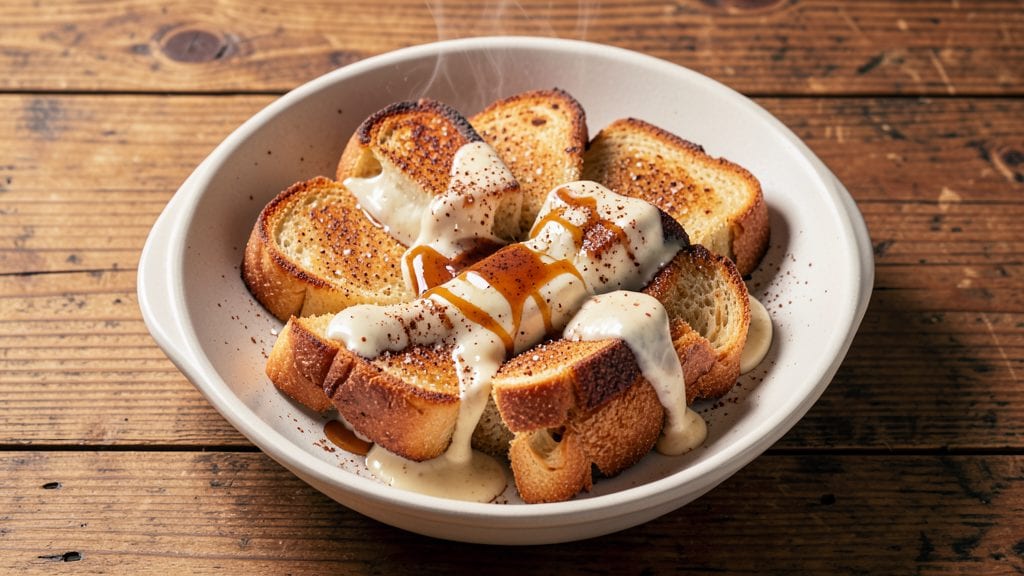
Alton Brown's French toast recipe delivers a vanilla-infused crust and fluffy centers that taste like a morning masterpiece. The secret lies in achieving the perfect custard consistency—neither too thick nor too thin—while controlling heat for even cooking.
I've tested countless variations, and this method consistently produces golden-brown edges with tender, custardy interiors that hold up to any topping. It's the kind of breakfast that turns ordinary mornings into special occasions.
What sets this recipe apart is Alton Brown's technique-focused approach, which transforms simple ingredients into something extraordinary. You'll need just six key components: eggs, milk, vanilla extract, cinnamon, and a touch of salt to balance the sweetness.
The batter should be smooth and slightly thicker than traditional French toast mixtures, allowing it to create that signature crust while remaining light inside. This isn't just French toast—it's a breakfast experience that feels like a restaurant-quality treat.
By the time you're done, you'll have perfectly cooked slices with a caramelized crust that crackles slightly when you cut into them, revealing tender, fluffy hearts beneath. The vanilla infusion adds depth to every bite, making this version far more complex than standard recipes.
It's the kind of dish that makes you want to linger at the table, savoring each mouthful. The best part? It's adaptable to any toppings you love—whether that's fresh berries, powdered sugar, or a drizzle of warm maple syrup.
This recipe works equally well for weekend brunches or weeknight breakfasts, proving that you don't need complicated techniques to create something special. Let's get started on making French toast that feels like a celebration every time.
Ingredients for alton brown french toast
Six simple ingredients transform into Alton Brown's signature French toast with vanilla depth and perfect crust.
| Ingredient | Amount | Notes |
|---|---|---|
| Large Eggs 🥚 | 4 whole | Room temperature for even cooking |
| Whole Milk 🥛 | 1 ½ cups | Full-fat for creamy texture |
| Pure Vanilla Extract 🌿 | 1 tbsp | High-quality, not imitation |
| Ground Cinnamon 🍃 | 1 ½ tsp | Freshly ground for best flavor |
| Fine Sea Salt 🧂 | ½ tsp | Diamond Crystal preferred |
| Bread Loaf 🍞 | 1 whole | Day-old brioche or challah |
| Unsalted Butter 🧈 | 2 tbsp | For cooking, softened |
| Granulated Sugar 🍚 | ¼ cup | Optional for dusting |
The eggs and milk form the custard foundation—room-temperature ingredients blend smoother, so pull them out 30 minutes before starting. For the milk, whole milk gives the richest texture, but 2% works in a pinch. The vanilla extract? Don't skimp on quality—imitation won't deliver that warm, complex flavor. I grab mine from Williams Sonoma when I'm feeling fancy, but the Kirkland brand at Costco is solid for everyday use. The bread matters too—day-old brioche or challah soaks up the custard perfectly without falling apart. Fresh bread? Toast it lightly first to dry out the crumb.
No vanilla extract? Vanilla bean paste or even a scraped vanilla bean works—just adjust to taste. Short on milk? Heavy cream or half-and-half makes it richer, but thin it slightly with water to maintain the right consistency. The cinnamon should be freshly ground if possible—pre-ground loses potency fast. If you're using a blender for the custard, pulse briefly to avoid over-emulsifying. For the bread, French bread or even sourdough works, but brioche gives that signature tender bite. And if you're feeling adventurous, add a pinch of nutmeg to the custard for extra warmth.
The custard keeps for 2 days in the fridge, but the bread is best used fresh. If you're prepping ahead, assemble the bread but refrigerate the custard separately—dip just before cooking. Leftover French toast reheats beautifully in a 350°F oven for 10 minutes—the crispy edges come back to life. Store cooked slices in a single layer with parchment between them to prevent sogginess. And that sugar dusting? Use a fine-mesh sieve for an even, professional finish.
Why You'll Love This Recipe
- The secret’s in the technique: quick sear, then a slow finish. You get that golden crust with a custardy center—no soggy middle in sight. Honestly, it’s the kind of French toast that makes you pause mid-bite.
- Five-Ingredient Magic: I swear by this list—eggs, milk, vanilla, cinnamon, and salt. That’s it. No fussing with extracts or specialty mixes; just the good stuff doing all the heavy lifting.
- Crispy-Creamy Balance: The secret’s in the technique: quick sear, then a slow finish. You get that golden crust with a custardy center—no soggy middle in sight. Honestly, it’s the kind of French toast that makes you pause mid-bite.
- Weekday to Weekend: Same batter, endless uses. Slather it with jam for a lazy Sunday morning or top it with berries and whipped cream for a brunch crowd. Even my picky teenager asks for seconds when it’s on the table.
Step-by-step instructions for alton brown's French toast recipe
Here's the method that delivers a perfectly balanced vanilla-infused crust with fluffy, custardy centers every time.
Prepare the Vanilla Custard Mixture
In a large mixing bowl, whisk together the 4 whole large eggs until they're completely combined with no streaks remaining. The room temperature eggs will blend more smoothly and create a lighter batter.
Gradually pour in the 1.5 cups whole milk while continuing to whisk. This slow incorporation prevents the eggs from scrambling and creates a silky texture. Add the 1 tablespoon pure vanilla extract and whisk vigorously for 30 seconds to fully incorporate.
In a separate small bowl, combine the 1.5 teaspoons ground cinnamon and 0.5 teaspoon fine sea salt. Sift this mixture over the egg-milk mixture while whisking continuously. This ensures even distribution of spices throughout the custard. The mixture should be smooth, fragrant, and ready for the bread.
Soak the Bread for Optimal Absorption
Cut the 1 whole bread loaf into 1-inch thick slices, yielding about 8-10 slices depending on the loaf's size. Arrange the slices in a single layer on a plate and pour the custard mixture evenly over them.
Let the bread soak for exactly 30 seconds on each side. Here's the thing - you want the bread to absorb enough custard to create that signature crust, but not so much that it becomes soggy. You'll see the custard being absorbed and the edges of the bread starting to soften.
For the best results, work with 2-3 slices at a time so they don't sit in the custard too long. The bread should feel moist but still hold its shape when you lift it out of the mixture.
Cook to Golden Perfection
Heat a large skillet over medium heat and melt the 2 tablespoons unsalted butter until it's foaming but not browned. This gentle heat ensures even cooking without burning the butter. Add the soaked bread slices in batches, leaving space between them for even browning.
Cook for 2-3 minutes per side until the bread develops a deep golden brown crust and releases easily from the pan. You'll see the edges start to crisp up and the center should remain soft and custardy. Don't rush this step - patience here creates that perfect balance of texture.
Keep the cooked slices warm in a 200°F oven while you finish the remaining slices. The residual heat maintains their warmth without overcooking.
Serve with Optional Sugar Dusting
Transfer the golden brown French toast to serving plates immediately. For that classic presentation, dust the tops with the 0.25 cup granulated sugar using a fine mesh sieve. The sugar will melt slightly from the residual heat, creating a delicate caramelized coating.
Serve while warm with your favorite toppings - fresh berries, maple syrup, or whipped cream all complement this recipe beautifully. Each bite should deliver that perfect combination of crispy exterior, custardy interior, and aromatic vanilla-cinnamon flavor.
Master the Timing for Restaurant-Quality Results
Here's the crucial part: work efficiently but don't rush. The key to restaurant-quality French toast is maintaining that perfect balance of textures. Cook in batches of 2-3 slices to keep the butter at an even temperature throughout the process.
I like to keep the cooked slices in the warm oven while I finish the remaining slices. This ensures they stay warm and crispy until serving time. The entire process should take about 15-20 minutes from start to finish, including the soaking time.
Real talk: the secret to success is in the details - using room temperature eggs, soaking just long enough, and maintaining consistent heat. When you nail these elements, you'll have French toast that rivals any restaurant's version.
Pro Tips For Making Alton Brown French Toast
- Preheat Pan Properly: Alton’s recipe calls for medium-low heat, but I learned the hard way—your pan needs to be actually hot when the first slice hits. Test it with a drop of water: if it sizzles and evaporates in 2-3 seconds, you’re good. Cold pans make soggy toast, and no one wants that.
- Whisk Eggs Until Thick: This isn’t your basic French toast batter. Whisk the eggs and milk until they’re noticeably thicker—about 30 seconds of vigorous whisking. The extra protein coating makes the outside crispier without burning. (Yes, even if you’re impatient like me.)
- Salt the Batter Generously: The recipe says "to taste," but trust me: skip the half-teaspoon and go for a full teaspoon of sea salt. The vanilla and cinnamon need that salt to balance the sweetness. Taste the batter before dipping—if it’s bland, add more.
- Use Cold Bread Directly: No need to thaw frozen bread or warm it first. Cold slices absorb the custard better, giving you that signature thick, custardy center. Just cut them an inch thick—thinner slices turn into pancakes, and thicker ones stay undercooked inside.
Troubleshooting this dish
Too Thick Custard
The custard is too thick when it clumps or doesn't soak into the bread properly. This usually happens when eggs are cold or you whisk too vigorously. To fix it, whisk the eggs and milk together gently over lukewarm water (about 110°F) for 1-2 minutes to warm them gradually.
If it's still too thick, add 1 tablespoon milk at a time until it reaches a pourable consistency—think of heavy cream, not pancake batter. 💡
Too Thin Custard
A runny custard means the bread will be soggy instead of crispy. If this happens, whisk in 1 tablespoon cornstarch mixed with 1 tablespoon cold water to thicken it slightly. For next time, start with 5 extra egg yolks (instead of whole eggs) for a richer, thicker base.
I’ve found that using room-temperature eggs from the fridge for 30 minutes helps too.
Bread Soggy Instead of Crispy
Over-soaking the bread is the usual culprit—anything beyond 30 seconds per side will make it mushy. To salvage it, cook the slices immediately after soaking and use medium-high heat (not medium) to create a quick crust.
For future attempts, try thicker bread slices (1.5 inches) like sourdough—they hold up better to custard. Also, pat dry the bread with a paper towel before soaking to remove excess moisture. ✨
Uneven Browning
If one side browns faster than the other, your heat isn’t consistent. Reduce the heat to medium-low and use a well-seasoned cast-iron skillet—it distributes heat evenly. Add the butter back in 1 tablespoon at a time as needed to maintain a gentle foam.
For extra insurance, flip the slices only when you see bubbles forming on the surface and the edges are golden.
Bread Breaks While Flipping
This happens when the bread is too dry or the custard isn’t cohesive. First, ensure your bread is day-old (fresh bread lacks structure). For extra stability, dip the bread in custard for just 20 seconds per side, then let it sit for 10 seconds to firm up slightly.
Use a spatula with a thin edge (like a fish spatula) to flip gently—no need to force it. 🥄
Burnt Butter, Raw Centers
This classic imbalance means your heat was too high or too low. For next time, aim for medium heat and watch the butter foam but not brown. Cook the first slice as a test—if it browns too fast, reduce heat immediately.
If the center stays raw, increase heat slightly and cook 30 seconds longer per side. A meat thermometer can help: the internal temp should reach 160°F for perfect doneness.
Nutrition facts
Frequently asked questions
Can I make this French toast ahead of time?
Assemble the custard and bread but refrigerate them separately. When ready to cook, let the bread sit at room temperature for 10 minutes before soaking. Cook immediately for that signature crispy crust. For leftovers, reheat in a 350°F oven for 5-7 minutes to restore crispiness. Store cooked slices separately with parchment between them to prevent sogginess.
What's the best bread for this recipe?
Alton Brown's method works best with day-old brioche or challah—their structure holds up to the custard without falling apart. For a lighter version, try Italian bread or sourdough. Avoid overly dense breads like whole wheat, as they absorb too much custard and become soggy. Pro tip: If using fresh bread, toast it lightly first to dry out the crumb.
How do I adjust this for gluten-free or vegan diets?
For gluten-free, use a 1:1 gluten-free bread blend (like King Arthur's) and ensure your custard ingredients are certified GF. For vegan French toast, replace eggs with 1/4 cup aquafaba (chickpea brine) + 1 tbsp cornstarch, and use unsweetened almond milk instead of dairy. The vanilla and cinnamon ratios stay the same. Cook time may need adjustment—vegan versions often require 10-15 seconds longer per side for browning.
Why does my French toast turn out dry?
Dry French toast usually means the custard didn't penetrate deeply enough. First, ensure your bread is day-old (fresh bread repels custard). Soak slices for the full 30 seconds per side and use room-temperature custard for better absorption. For extra moisture, add 1 tablespoon melted butter to the custard mixture. Also, don't overcook—remove slices when the edges are golden but the center still feels slightly soft.
Can I use this custard for other recipes?
Yes! This vanilla-cinnamon custard works beautifully for cinnamon rolls, pancake fillings, or even as a dipping sauce for fruit. For cinnamon rolls, spread the custard between layers of dough. For pancakes, brush the batter with custard before cooking. Store unused custard in an airtight container for up to 3 days—it reheats perfectly in the microwave for 20 seconds. The vanilla depth adds complexity to any baked good!