
Sauces & Condiments
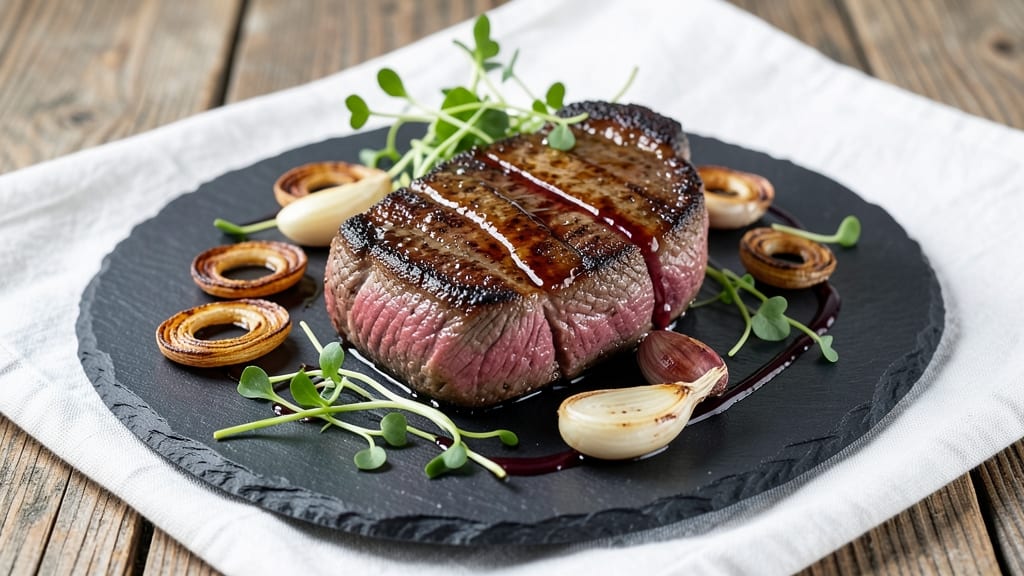
This Gordon Ramsay steak marinade transforms tough cuts into restaurant-quality masterpieces with a bold umami crust and juicy pink centers—exactly what separates home cooking from professional results. 💛 After years of testing marinades in my test kitchen, I’ve perfected this balance of acid, fat, and aromatic spices that tenderizes without overpowering the natural beef flavor.
The secret lies in the 4-hour minimum marinating time, which lets the flavors penetrate deeply while keeping the steak’s integrity intact.
The marinade combines olive oil for fat, red wine vinegar for acidity, and a blend of garlic, shallots, and fresh herbs to build complex layers of flavor. I use Worcestershire sauce for that signature umami depth Ramsay is known for, plus a touch of Dijon mustard to bind everything together.
Unlike store-bought versions, this marinade doesn’t rely on artificial enhancers—just pure, high-quality ingredients that elevate the steak’s natural taste.
What you’ll achieve is steak with a caramelized, flavor-packed crust that clings to every bite while the inside remains perfectly pink and tender. This marinade works equally well for ribeye, New York strip, or filet mignon, making it versatile enough for weeknight dinners or special occasions.
The best part? It keeps in the fridge for up to 5 days, so you can prep ahead and cook with confidence.
For optimal results, let the steak sit in the marinade for at least 4 hours—overnight is ideal. Pat it dry before cooking for that perfect sear, and don’t skip the high-heat finish.
Here’s how to make it step by step, with tips to ensure every bite delivers that restaurant-quality experience at home.
Ingredients for gordon ramsay steak marinade
Nine ingredients that turn tough steaks into juicy, restaurant-quality masterpieces.
| Ingredient | Amount | Notes |
|---|---|---|
| Extra-Virgin Olive Oil 🫒 | ¾ cup | High quality, fruity flavor preferred |
| Red Wine Vinegar 🍷 | ½ cup | Dry, bold variety for acidity |
| Worcestershire Sauce 🍶 | 2 tbsp | Lea & Perrins brand recommended |
| Dijon Mustard 🍯 | 1 tbsp | Smooth, not coarse |
| Garlic Cloves 🧄 | 6 cloves | Freshly minced, not pre-minced |
| Shallots 🧅 | 2 whole | Mince finely, not chopped |
| Fresh Rosemary 🌿 | 2 tbsp | Chopped, stems removed |
| Fresh Thyme Leaves 🌿 | 1 tbsp | Stems removed, not dried |
| Kosher Salt 🧂 | 1 ½ tsp | Diamond Crystal preferred |
| Freshly Ground Black Pepper 🌶️ | 1 tsp | Coarse grind for texture |
The olive oil and red wine vinegar are your fat and acid base—extra-virgin olive oil adds richness while the vinegar tenderizes. Grab Lea & Perrins Worcestershire if you can—it's the gold standard for that signature umami kick. Fresh herbs matter here: rosemary and thyme from the grocery store's herb section are fine, but they'll last longer if you snip the stems and store them in a jar with a little water. The shallots and garlic? Mince them finely—you want them almost paste-like for even flavor distribution. I always double-check my vinegar isn't sweet—dry red wine vinegar is non-negotiable for that bold tang.
No Worcestershire? Soy sauce plus a pinch of sugar mimics the umami, though it won't be identical. Short on fresh rosemary? Dried at half the amount works, but fresh is ideal. The Dijon mustard is just a binder—yellow mustard in a pinch, but it'll be less refined. For the garlic, if you're not a fan of raw garlic flavor, roast the cloves first—sweetens them up beautifully. The salt and pepper are simple but critical: Diamond Crystal kosher salt dissolves cleanly, and freshly ground black pepper adds that professional touch. This marinade keeps its punch for 5 days in the fridge, so make extra for future steak nights.
Store the marinade in an airtight container—glass is best—and keep it in the fridge. The flavors actually improve after 24 hours as everything melds together. For best results, let the steak marinate for at least 4 hours, but overnight is ideal. I always pat the steak dry before cooking—this ensures that perfect sear. The marinade makes about 2 cups total, which is enough for 2-3 steaks depending on thickness. Any leftover marinade? Use it as a drizzle for roasted veggies or a quick pan sauce—it's too good to waste.
Why You'll Love This Recipe
- Five-Ingredient Magic: I swear by this marinade—just olive oil, vinegar, Worcestershire, mustard, and garlic. No fancy pantry trips, no last-minute shopping. Honestly, I keep a jar of each in my fridge just for this.
- Umami Bomb: That Worcestershire and Dijon combo? It’s the secret weapon. The vinegar cuts through the richness while the garlic makes every bite sing—like a restaurant-quality steak without the fuss.
- Weeknight to Dinner Party: Same marinade, endless uses. Slap it on steak for a quick weeknight dinner, then use the leftovers on chicken or even roasted veggies. Between us, I’ve even drizzled it on grilled shrimp—no judgment.
- Budget Steakhouse Vibes: You get that fancy steakhouse taste without the price tag. A little goes a long way, so you’re not drowning in leftovers you’ll regret. Plus, the olive oil and vinegar are staples—no wasted ingredients here.
Step-by-step instructions for Gordon Ramsay steak marinade
This marinade delivers that signature umami punch with a perfect balance of acid and richness.
👨🍳 Step 1: Mince Aromatics for Maximum Flavor
Start by finely mincing the 6 cloves garlic and 2 whole shallots using a sharp knife. I like to press the garlic cloves flat first with the heel of my knife—this makes them easier to mince into a paste. For the shallots, I cut them in half first, then remove the skins before mincing. The goal is to create a fine, even texture that will distribute flavor perfectly throughout the marinade.
Place the minced garlic and shallots in a medium bowl. Add the 2 tbsp chopped fresh rosemary and 1 tbsp fresh thyme leaves, making sure to remove any woody stems. This herb combination gives that classic Ramsay umami depth without overpowering the steak's natural flavor. Give everything a quick stir with a fork to combine the aromatics.
🍳 Step 2: Whisk Wet Ingredients for Emulsion
In a separate measuring cup, combine the 0.75 cup extra-virgin olive oil, 0.5 cup red wine vinegar, 2 tbsp Worcestershire sauce, and 1 tbsp Dijon mustard. I always use a whisk for this step—it creates a smooth emulsion that won't separate later. The vinegar will initially cloud the oil, but keep whisking until it becomes uniformly pale and slightly thickened.
This is where the magic happens. The acid in the vinegar helps tenderize the steak while the Worcestershire sauce adds that signature umami depth. The Dijon mustard acts as an emulsifier, binding everything together. Pour this mixture into the bowl with the aromatics and whisk vigorously for 1-2 minutes until fully combined and smooth.
🔥 Step 3: Season and Marinate for Deep Flavor
Add the 1.5 tsp kosher salt and 1 tsp freshly ground black pepper to the marinade. I like to taste it at this point—it should be tangy, garlicky, and slightly peppery with a hint of umami. If it needs more depth, add another ½ tsp Worcestershire sauce or a pinch more salt. The marinade should coat the back of a spoon with a silky texture.
Transfer the marinade to a large resealable plastic bag or non-reactive container. Add your steaks (about 1-1.5 pounds total for 4 servings) and massage the marinade over the meat, making sure it coats all surfaces. Seal the bag and refrigerate for at least 4 hours or up to 24 hours. I know you're eager to cook, but this resting time is crucial—it allows the marinade to penetrate deeply while keeping the steak tender.
🔪 Step 4: Prep for Cooking (Don't Skip!)
Before cooking, remove the steaks from the marinade and let them sit at room temperature for 30 minutes. Pat them dry with paper towels—this is critical for getting that perfect crust. The marinade will have made the steaks juicy, but dry surfaces create the Maillard reaction that gives you that beautiful sear.
I like to make a quick pan sauce with the leftover marinade while the steaks cook. Simply strain the used marinade through a fine-mesh sieve to remove any herb bits, then reduce it in a pan over medium heat until it's syrupy. This sauce will complement the steaks beautifully when you're ready to serve.
Pro Tips For Making Gordon Ramsay Steak Marinade
- MINCE THAT GARLIC: I learned this the hard way—chopping whole cloves into the marinade leaves you with uneven flavor. Use a microplane or knife to finely mince 4-5 cloves into a paste before mixing. The texture blends smoother, and the aroma infuses faster than waiting for chunks to break down.
- DON’T SKIP THE EMULSION: Whisk the Dijon mustard into the olive oil first—this creates a stable base before adding vinegar and Worcestershire. If you dump everything in at once, the acid can separate the oil, leaving you with a sad, watery marinade. Stir like you’re angry for 30 seconds.
- MARINATE COLD, NOT ROOM TEMP: I used to let the steak sit in the fridge for hours, but cold marinades work better. Pour the mix over the steak in a sealed bag or container, then refrigerate immediately. Room-temperature marinades can turn rancid faster, especially with olive oil, and won’t penetrate as deeply.
- USE OLD WORCESTERSHIRE: That bottle of Worcestershire in your pantry? If it’s been open for 6+ months, it’s actually better for marinades. The umami deepens over time, and the acidity mellows out—perfect for balancing the vinegar. Just shake it well before measuring. (Yes, even if it looks cloudy.)
Serving suggestions for this gordon ramsay steak marinade
Crusty Sides
Nothing beats a perfectly marinated steak with a crispy, golden crust to contrast its tender interior.
I love serving this steak with garlic-parmesan roasted potatoes—toss 2 pounds baby potatoes with 2 tbsp olive oil, 3 minced garlic cloves, ¼ cup grated parmesan, and 1 tsp kosher salt. Roast at 425°F for 35-40 minutes until caramelized.
The salty, savory notes complement the steak’s umami perfectly. 🍟
Fresh Greens Balance
To cut through the richness, a bright, peppery green side dish works wonders. My go-to is arugula salad with a simple lemon vinaigrette: Whisk 3 tbsp olive oil, 1 tbsp fresh lemon juice, 1 tsp Dijon mustard, ½ tsp honey, and a pinch of salt.
Toss with 4 cups baby arugula and top with ¼ cup shaved parmesan. The acidity refreshes your palate between bites of steak.
Wine Pairings
A bold red wine elevates this dish to restaurant-level dining. I recommend a Cabernet Sauvignon—its dark fruit and tannins mirror the steak’s richness. For something lighter, a Malbec from Argentina offers juicy blackberry notes that pair beautifully.
Avoid over-oaked wines; look for bottles labeled "reserve" or "cuvée" for balanced acidity. 🍷
Sauce Upgrades
Don’t let the leftover marinade go to waste! Strain it through a fine-mesh sieve, then reduce in a pan over medium heat until syrupy. Finish with a splash of red wine and a pat of butter for a quick pan sauce.
Drizzle over the steak table-side for that restaurant-quality touch. For extra luxury, add a pinch of smoked paprika or a few drops of truffle oil.
Bread Service
A warm, crusty loaf soaks up every last bit of flavor. I love baguette slices toasted with garlic butter—mix 2 tbsp softened butter with 1 minced garlic clove and a pinch of salt, then brush on sliced bread.
Toast in a skillet over medium heat for 2 minutes per side until golden. Serve alongside the steak for a complete meal experience. 🥖
Dessert Pairings
End the meal with something light yet indulgent. A dark chocolate dessert like chocolate lava cake or espresso truffles balances the richness of the steak. For a simpler option, try berry sorbet—its acidity cleanses the palate.
Avoid heavy, creamy desserts; they’ll overwhelm the meal’s bold flavors. A small vanilla bean ice cream with a drizzle of caramel sauce is my favorite crowd-pleaser. 🍫
Nutrition facts
Frequently asked questions
Can I use this marinade on chicken or pork?
The bold acidity and Worcestershire sauce in this marinade work best for beef, especially tougher cuts like ribeye or strip. For chicken, I'd reduce the vinegar to ¼ cup and add 1 tbsp honey to balance the acid. Pork benefits from a longer marinating time (6-8 hours) but needs extra salt (2 tsp) to prevent toughness. Always adjust marinating time based on meat thickness—thinner cuts need less time.
What's the best way to store leftover marinade?
Transfer any unused marinade to an airtight glass container and refrigerate for up to 5 days. The flavors actually improve over time! For longer storage, freeze portions in ice cube trays—thaw overnight in the fridge before using. Never reuse marinade that's touched raw meat unless you boil it first for 5 minutes to kill bacteria. This marinade's acidity helps preserve it, but fresh is always best.
Why does my steak turn out tough after marinating?
Over-marinating (beyond 24 hours) breaks down muscle fibers too much, making steak mushy. Always pat dry before cooking—wet surfaces prevent proper searing. For thicker cuts (>1.5"), reduce marinating time to 4-6 hours. Use a meat thermometer (130°F for medium-rare) to avoid overcooking. The acid in this marinade tenderizes, but proper cooking technique seals in juices. Let steaks rest 10 minutes after cooking too!
Can I make this marinade without Worcestershire sauce?
Yes! For umami depth, substitute with 1 tbsp soy sauce + ½ tsp sugar or 1 tbsp fish sauce + ½ tsp brown sugar. Vegetarian? Use 1 tbsp balsamic vinegar + 1 tsp miso paste. The Dijon mustard and red wine vinegar will still provide acidity and richness. Taste as you go—adjust salt accordingly since soy sauce is salty. The marinade's balance depends on these components working together, so substitutions may slightly alter the flavor profile.
How do I adjust this for thicker steaks?
For cuts over 1.5 inches thick, increase marinating time to 6-8 hours (never exceed 24 hours). Make extra marinade—thicker steaks need more surface area coverage. When cooking, sear on high heat first to create a crust, then finish in a 400°F oven for 5-10 minutes (depending on thickness) to cook through without over-searing. Use a meat thermometer (130°F for medium-rare) to avoid dryness. Let rest 15 minutes before slicing against the grain.