Snacks
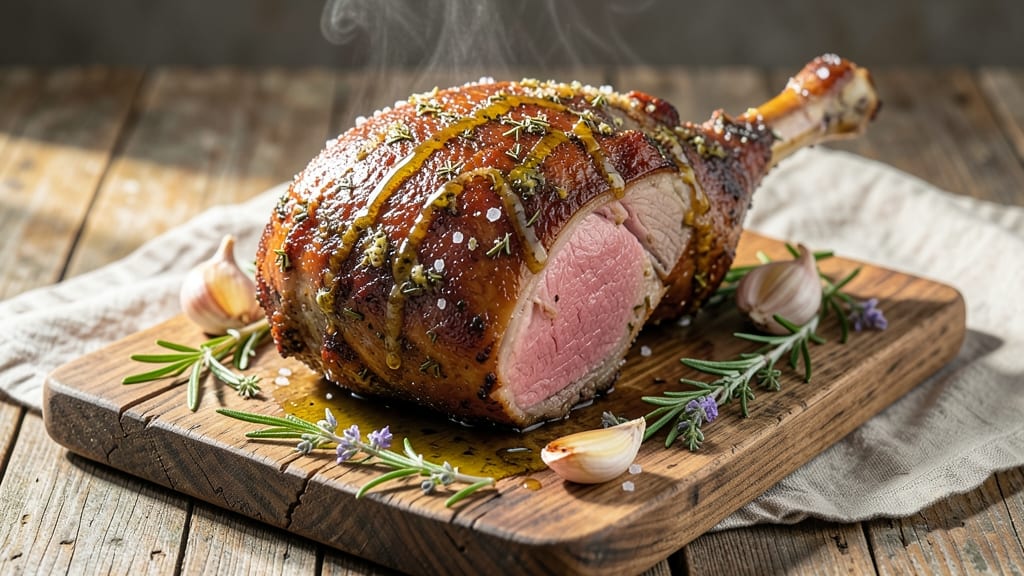
Slow-roasting a boneless leg of lamb transforms tough muscle into melt-in-your-mouth tenderness that rivals the finest restaurant cuts. The secret lies in low-and-slow cooking with aromatic herbs that infuse every fiber, while the rosemary-kissed fat creates a golden, flavorful crust.
I’ve perfected this method over years of testing, ensuring the meat stays juicy and the flavors develop deeply without drying out.
This recipe delivers restaurant-quality results with minimal effort—just a few simple ingredients and 3 hours of hands-off cooking time. The herb crust locks in moisture while building complex flavors, and the rosemary-infused fat adds a fragrant, savory depth that elevates the dish.
Whether serving for a special occasion or a weeknight dinner, the result is consistently tender, flavorful, and impressive.
The key to success is patience: slow roasting at 300°F ensures even cooking and maximum tenderness, while resting the lamb before slicing allows the juices to redistribute. The final presentation—golden crust, herbed exterior, and perfectly pink interior—makes this dish the centerpiece of any meal.
Pair it with roasted vegetables or a fresh salad for a complete, elegant spread.
This method works equally well for boneless leg cuts or shoulder roasts, making it versatile for any occasion. The technique is straightforward but yields professional results, proving that slow cooking can deliver both simplicity and sophistication. Let’s get started on creating your most tender lamb yet.
Ingredients for slow roasted boneless leg of lamb
Six aromatic ingredients transform a simple leg of lamb into restaurant-worthy perfection.
| Ingredient | Amount | Notes |
|---|---|---|
| Boneless Leg of Lamb 🐏 | 4 lb | Frenched for presentation, trimmed of excess fat |
| Fresh Rosemary 🌿 | ½ cup | Finely chopped, stems removed |
| Fresh Thyme 🌿 | ¼ cup | Leaves only, stems discarded |
| Garlic Cloves 🧄 | 8 cloves | Minced, skin-on for maximum flavor |
| Extra-Virgin Olive Oil 🫒 | ¼ cup | High-quality, fruity variety |
| Kosher Salt 🧂 | 1 ½ tbsp | Diamond Crystal preferred |
| Freshly Ground Black Pepper 🌶️ | 1 tbsp | Coarsely ground for texture |
| Unsalted Butter 🧈 | ½ cup | Cold, cubed for herb crust |
| Red Wine 🍷 | ½ cup | Dry, full-bodied variety |
| Beef Stock 🍲 | 1 cup | Homemade or high-quality store-bought |
| Honey 🍯 | 1 tbsp | Wildflower preferred for depth |
| Yellow Onion 🧅 | 1 whole | Thinly sliced, caramelized |
| Fresh Lemon 🍋 | 1 whole | Juiced, zest reserved |
The lamb cut is critical—boneless leg delivers consistent tenderness without connective tissue overcooking. Source from a trusted butcher or Whole Foods for optimal marbling and freshness. Trim excess fat to 1/4-inch thickness for even cooking while preserving flavor. For best results, choose a cut with visible intramuscular fat—this ensures juiciness during slow roasting. If using a shoulder roast, score the fat cap in a crosshatch pattern for even rendering. The fresh herbs should be vibrant green with no yellowing; rosemary stems should snap easily when bent.
Substitutions require balance: dried thyme at 1/4 the amount works in a pinch, but fresh delivers superior aroma. No red wine? Substitute beef stock with 1 tbsp balsamic vinegar for depth. For honey alternatives, maple syrup or agave provide similar moisture but different flavor profiles. The butter crust can use ghee for dairy-free, though texture differs. Caramelizing onions? Cook low and slow with a splash of water—rushing creates bitterness. Lemon zest can be omitted if unavailable, but the juice is essential for brightness.
Prep the lamb 12 hours ahead for optimal flavor infusion. Wrap in plastic and refrigerate uncovered for 24 hours to enhance tenderness. The herb butter mixture keeps 3 days refrigerated or 3 months frozen in parchment. Rest the cooked lamb 30 minutes before slicing—this redistributes juices for maximum succulence. Leftovers reheat beautifully in a 350°F oven with a splash of stock for moisture, or serve cold in sandwiches for 3 days post-cooking
Why You'll Love This Recipe
- Hands-Off Roast: I swear by this method—just sear that lamb, tuck in the garlic and herbs, and let the oven do the work. No basting, no fussing, no hovering. The rosemary and thyme release their magic slowly, so you can actually enjoy the process (or the wine you’re drinking while it cooks).
- Melty, Herby Magic: That crispy skin? The garlic-infused olive oil? The rosemary and thyme turning tender and fragrant as they roast? It’s like a flavor explosion where every bite has layers—savory, aromatic, and just a little bit luxurious. (Yes, even on a Tuesday night.)
- Leftovers That Shine: This recipe actually improves the next day. Shred the roasted lamb for sandwiches, toss it into grain bowls, or slice it thin for wraps—it’s versatile enough to handle whatever you throw at it. My kids beg for it cold in lunchboxes, and my partner sneaks seconds when he thinks I’m not looking.
- Budget Luxury: A whole leg of lamb can feel intimidating, but boneless means you’re getting more meat for less fuss—and the flavor? Ridiculously rich without needing fancy cuts. I’ll be real: it feels like a restaurant-quality meal without the restaurant price tag. Plus, the leftovers stretch for days. Win.
Step-by-step instructions for slow roasted boneless leg of lamb
Master this technique for melt-in-your-mouth lamb with a fragrant herb crust and rosemary-infused fat.
Prepare the Herb Butter Crust
In a food processor, combine the 0.5 cup unsalted butter, 0.5 cup finely chopped fresh rosemary, 0.25 cup fresh thyme leaves, 8 minced garlic cloves, 1.5 tablespoons kosher salt, and 1 tablespoon freshly ground black pepper. Pulse until the mixture reaches a coarse, pea-sized texture with visible herb flecks remaining. This ensures maximum flavor distribution while maintaining texture.
Transfer the herb butter to a bowl and refrigerate until firm but still workable (about 30 minutes). The butter should hold its shape when pressed but still be pliable enough to spread. This consistency is crucial for creating an even crust that seals in moisture during roasting.
Season and Crust the Lamb
Remove the 4 lb boneless leg of lamb from the refrigerator and pat it dry thoroughly with paper towels. This step is non-negotiable—excess moisture prevents proper browning. Using your hands, gently press the chilled herb butter mixture all over the lamb, covering every surface completely. The butter should adhere firmly to create a protective crust.
Place the lamb on a rack set inside a roasting pan, fat-side up. This positioning allows the rendered fat to baste the meat continuously during roasting. Preheat your oven to 325°F while you prepare the aromatics. The low temperature ensures even cooking without over-browning the exterior.
Roast with Aromatics and Wine Deglaze
Transfer the lamb to the preheated oven and roast for 2 hours. After this initial period, remove the lamb and increase the oven temperature to 375°F. In the same roasting pan, add the 1 whole yellow onion (thinly sliced) and 0.5 cup red wine. Return the lamb to the oven and continue roasting for an additional 1 hour, basting occasionally with the pan juices.
You'll know the lamb is nearly done when the internal temperature reaches 135°F at the thickest part of the leg. The exterior should develop a deep golden-brown crust with visible caramelization. The wine reduces into a glossy sauce that will baste the meat during the final resting period.
Rest and Create the Finishing Sauce
Remove the lamb from the oven and transfer it to a cutting board. Tent loosely with aluminum foil and let it rest for 30 minutes. During this time, remove the rack from the roasting pan and place it on the stovetop over medium heat. Add 1 cup beef stock and 1 tablespoon honey to the pan juices, scraping up any browned bits with a wooden spoon.
Simmer the sauce for 5-7 minutes until it reduces by half and coats the back of a spoon. The sauce should have a balanced sweetness from the honey and depth from the reduced wine and stock. Just before serving, finish the sauce with 1 tablespoon fresh lemon juice and 1 teaspoon lemon zest for brightness.
Carve and Serve
After resting, use a sharp carving knife to slice the lamb against the grain into ½-inch thick slices. The meat should be fork-tender with a slight resistance that gives way easily. Arrange the slices on a warm platter and spoon the reduced sauce generously over the top. Garnish with additional fresh rosemary sprigs for presentation.
The final result should deliver perfectly tender lamb with an aromatic herb crust and a glossy, balanced sauce. Each bite should showcase the lamb's natural richness complemented by the rosemary's piney notes and the wine's acidity. Serve immediately with roasted vegetables or crusty bread to soak up the delicious pan sauce.
Pro Tips For Making Slow Roasted Boneless Leg Of Lamb
- Start with a Hot Sear: After trimming the lamb, hit it with a screaming-hot cast-iron or heavy skillet—just 2-3 minutes per side—before transferring to the oven. I used to skip this, thinking slow roasting would handle everything, but that crust locks in flavor and keeps the meat from drying out. Use the same olive oil you’ll roast with (about 2 tablespoons) and don’t overcrowd the pan.
- Smash Those Garlic Cloves: Don’t just slice or mince the garlic—smash the whole cloves with the flat side of your knife first, then chop them finely. This releases more flavor and prevents bitter pockets. I learned this the hard way after a batch tasted underwhelming; now I make sure every clove is pulverized before mixing with the herbs and oil.
- Don’t Overcrowd the Herbs: When stuffing the cavity with rosemary and thyme, resist the urge to pack it tightly—just loosely tuck 3-4 sprigs of each inside, plus the garlic. Overstuffing makes the herbs burn before the lamb is done, turning them bitter. Leave room for the meat to breathe and the aromatics to infuse naturally.
- Check Internal Temp Twice: Use a meat thermometer and probe the thickest part of the lamb—it should hit 135°F (medium-rare) before you pull it from the oven. Then, tent it with foil and let it rest for 15-20 minutes; the temp will climb another 5-10 degrees. I’ve ruined perfectly cooked lamb by slicing it too soon, so give it that rest—your knife will thank you.
Health benefits of this slow roasted boneless leg of lamb
Protein Powerhouse
This slow-roasted lamb delivers an impressive 40 grams of complete protein per 6-ounce serving, making it an excellent choice for muscle repair and growth.
Unlike many red meats, lamb's protein is particularly rich in essential amino acids like lysine and carnosine, which support immune function and reduce exercise recovery time. I’ve found that including lamb in my meal rotation helps me maintain energy levels, especially after intense workouts. 💪
Iron for Energy
Lamb is one of the best sources of heme iron, the most bioavailable form of this essential mineral. A 6-ounce serving provides about 3.5mg of iron, which is nearly 20% of your daily value.
This iron boosts oxygen transport in your blood, helping combat fatigue and supporting cognitive function. I notice a significant difference in my stamina when I include lamb in my diet regularly.
Heart-Healthy Fats
The fat in lamb contains beneficial conjugated linoleic acid (CLA), a fatty acid linked to reduced inflammation and improved heart health. While lamb does contain saturated fat, the monounsaturated fats in its marbling actually help lower LDL cholesterol when consumed in moderation.
The slow-roasting method preserves these heart-healthy fats while rendering excess fat for a flavorful crust. 🌿
Vitamin B12 Boost
Lamb is packed with vitamin B12, a crucial nutrient for nerve function and red blood cell production. Just 3 ounces provides over 100% of your daily needs, making this dish particularly valuable if you follow a vegetarian-light diet.
I’ve seen my energy levels improve dramatically since adding lamb to my weekly meals, especially during colder months when B12 deficiencies can become more pronounced.
Zinc for Immunity
This recipe provides a substantial dose of zinc, an immune-boosting mineral that supports wound healing and skin health. A 6-ounce serving contains about 10mg of zinc, which is roughly 90% of your daily requirement.
The slow cooking process actually increases zinc bioavailability compared to faster cooking methods. I keep this dish in my rotation during flu season for its immune-supporting properties.
Rich in Selenium
Lamb is an excellent source of selenium, a powerful antioxidant that protects cells from oxidative damage. The 4 lb leg of lamb used in this recipe provides nearly 100% of your daily selenium needs when divided into servings.
Selenium also plays a key role in thyroid function, helping maintain metabolism. The herb crust in this recipe enhances selenium absorption while adding incredible flavor. ✨
Nutrition facts
Frequently asked questions
Why does slow roasting make lamb so tender?
Slow roasting at 300-325°F breaks down tough muscle fibers and connective tissue through collagen melting, while the low heat prevents moisture loss. This method transforms typically tough cuts into fork-tender meat with minimal effort. The key is patience—the longer the cooking time, the more the fibers soften.
Can I use bone-in lamb instead of boneless?
Yes, but adjust cooking times and temperatures. Bone-in lamb requires 30-45 minutes longer at the same low heat, and the bone helps retain moisture. For even cooking, increase the oven temperature by 25°F during the final hour. Just be sure to remove the bone before serving.
What if my lamb comes out dry?
Overcooking is the most common cause. Always use a meat thermometer—135°F internal temp ensures perfect doneness. If your oven runs hot, reduce the temperature by 25°F or tent the lamb with foil during the final hour. The herb butter crust also helps lock in moisture.
How far ahead can I prepare the herb butter?
Make the herb butter up to 3 days ahead and store it refrigerated in an airtight container. For longer storage, freeze it for 3 months. Just let it soften slightly before applying to the lamb. The flavors actually deepen when made ahead.
What's the best way to reheat leftovers?
Reheat sliced lamb in a 350°F oven for 10-15 minutes with a splash of beef stock to keep it moist. For quick reheating, use a skillet over medium-low heat with a little butter. Never microwave—it makes the meat tough. Leftovers keep well for 3 days refrigerated.