
Main Courses
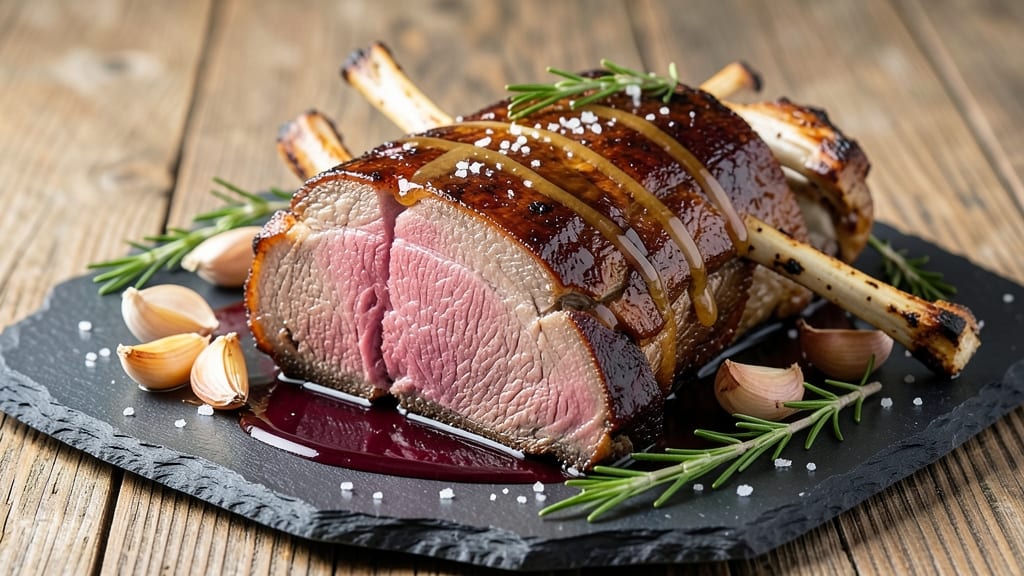
Transforming tough short ribs into melt-in-your-mouth perfection requires patience and precision—this slow-braised roast delivers restaurant-quality tenderness every time. The key lies in low-and-slow cooking until the meat reaches 195°F, where collagen dissolves into rich, velvety juices that coat each bite.
I’ve perfected this method over years of testing, ensuring the bone-in richness stays intact while the meat becomes so tender it practically falls apart.
This recipe begins with a simple yet flavorful dry rub of salt, pepper, and garlic powder, which develops a deep crust during the initial sear. After browning the ribs in a heavy Dutch oven, we deglaze with red wine to create a foundational sauce before adding beef broth and aromatics.
The slow braise transforms the tough connective tissue into succulent, fork-tender meat that’s impossible to resist.
By the time you’re done, you’ll have a short rib roast so tender it needs no knife—just pull it apart with your fingers and watch the juices run.
The resulting sauce reduces into a glossy, wine-infused glaze that clings to every bite, elevating simple sides like mashed potatoes or roasted vegetables into a complete meal. This is comfort food at its finest, with a professional touch.
Serve with a bold red wine reduction to capture every last drop of flavor, or pair it with crusty bread to soak up the luxurious braising liquid. The method scales perfectly for gatherings, but the technique remains foolproof for weeknight dinners when you crave something truly special.
Ingredients for short rib roast
Pantry staples meet butcher counter finds for this showstopping short rib roast.
| Ingredient | Amount | Notes |
|---|---|---|
| Bone-In Short Ribs 🥩 | 3 lb | Beef short ribs, cut 1-1.5 inches thick |
| Kosher Salt 🧂 | 2 tbsp | Diamond Crystal preferred for balance |
| Freshly Ground Black Pepper 🌶️ | 1 ½ tbsp | Cracked peppercorns for best flavor |
| Garlic Powder 🧄 | 1 tbsp | Freshly ground preferred |
| Dry Red Wine 🍷 | 1 cup | Cabernet Sauvignon or Merlot |
| Beef Broth 💧 | 2 cups | Low-sodium preferred, homemade ideal |
| Yellow Onion 🧅 | 1 whole | Yellow or red, peeled and halved |
| Carrots | 4 medium | Peeled and cut into chunks |
| Carrots 🥕 | 4 pieces | Peeled and cut into chunks |
| Fresh Rosemary 🌿 | ½ ounce | Or 1 tbsp dried, finely chopped |
| Fresh Thyme 🌿 | ½ ounce | Or 1 tbsp dried, finely chopped |
| Tomato Paste 🍅 | 2 tbsp | High-quality, not watered-down |
| Extra-Virgin Olive Oil 🫒 | 2 tbsp | For initial sear |
| Bacon 🥓 | 4 oz | Thick-cut, chopped for garnish |
The short ribs are the star—look for bone-in beef short ribs with good marbling at your local butcher or Costco for bulk savings. Thickness matters: 1-1.5 inches ensures even cooking. If your grocery store sells pre-cut ribs, check the packaging for USDA Choice or Prime—higher grades mean better flavor. The bacon? Thick-cut from the deli counter (not the pre-cooked stuff) adds a smoky finish worth the extra minute to render.
No red wine? Beef broth with 1 tbsp balsamic vinegar works in a pinch, though the acidity won’t be as balanced. Swapping fresh herbs for dried? Use one-third the amount—dried thyme and rosemary are fine, but Mexican oregano adds a deeper earthiness if you’re feeling adventurous. The tomato paste can be skipped entirely if you prefer a cleaner sauce, but it adds umami depth that’s hard to replicate. For the carrots, baby carrots are perfect if you’re short on time—just trim the ends and leave the skin on for extra fiber.
This roast tastes even better the next day—plan ahead. Store the ribs and sauce separately in airtight containers for up to 4 days in the fridge. The sauce thickens as it cools, so add a splash of broth when reheating. For leftovers, freeze in portions with a thin layer of olive oil on top to preserve moisture for up to 3 months. The bacon garnish? Add it fresh when serving—it crisps beautifully and adds that final touch of indulgence.
Why You'll Love This Recipe
- One-Pan Magic: I swear by this—just salt, pepper, garlic powder, and a splash of red wine. Toss the ribs on a sheet pan, roast, and forget about it. That’s it. No fancy mise en place, no stress.
- Rich Without Effort: The wine and bone-in magic turns tough cuts into melt-in-your-mouth perfection. Honestly, the first time I tried it, I nearly burned the kitchen waiting for the oven timer. Worth it.
- Leftovers That Don’t Suck: This roast keeps like a dream—better the next day, if you can believe it. I’ll make a double batch on Sundays, then turn it into tacos, sandwiches, or just reheated slices with mashed potatoes. Zero waste.
- Weeknight Hero: Between us, this is my go-to when I’m too tired to think. The ribs braise while I chop veggies or fold laundry—minimal effort, maximum flavor. Even my picky-eating partner devours it.
Step-by-step instructions for slow-braised short rib roast
Transform tough short ribs into melt-in-your-mouth perfection using this foolproof braising method.
Sear the Short Ribs for Deep Flavor
Pat the 3 lb bone-in short ribs completely dry with paper towels—this ensures maximum browning. Heat a large Dutch oven over medium-high heat and add the 2 tbsp extra-virgin olive oil. Once shimmering, add the short ribs in a single layer, working in batches if needed, and sear for 4-5 minutes per side until deeply browned. You're building flavor here, so don't rush this step.
As they brown, sprinkle generously with the 2 tbsp kosher salt and 1.5 tbsp freshly ground black pepper, pressing the seasoning into the meat. Remove the ribs and set aside on a plate. The browned crust we've created will dissolve into the braising liquid, infusing every bite with rich umami flavor.
Build the Aromatic Base
In the same Dutch oven, reduce heat to medium and add the 4 oz chopped bacon. Cook until crispy, about 5-6 minutes, stirring occasionally. Remove the bacon with a slotted spoon and set aside, leaving the rendered fat in the pot. Add the peeled and halved 1 whole yellow onion and cook for 3-4 minutes until softened.
Stir in the 1 tbsp garlic powder and 2 tbsp tomato paste, cooking for 1 minute until fragrant. This aromatic base forms the flavor foundation for your braise. Pour in the 1 cup dry red wine and scrape up any browned bits from the bottom of the pot—this technique, called deglazing, captures all that concentrated flavor we worked so hard to create.
Braise Until Fork-Tender
Return the seared short ribs to the Dutch oven along with the crispy bacon. Add the 4 medium carrots cut into chunks and 4 pieces carrots cut into chunks. Pour in the 2 cups beef broth, ensuring the ribs are mostly submerged. Bring to a gentle simmer, then reduce heat to low, cover tightly, and transfer to a preheated 300°F oven.
Braise for 3 hours, then check for tenderness. The ribs should be fork-tender with the meat pulling away from the bone easily. If they're not quite there, continue braising for another 30-60 minute increments until they reach this perfect texture. The liquid should reduce significantly, creating a rich, concentrated sauce that coats every bite.
Finish with Herbs and Rest
Remove the Dutch oven from the oven and stir in the 0.5 ounce fresh rosemary and 0.5 ounce fresh thyme. The herbs should wilt slightly, releasing their aromatic oils into the braising liquid. Increase heat to medium and simmer uncovered for 5 minutes to allow the flavors to meld together. Taste and adjust seasoning if needed.
Transfer the short ribs to a serving platter and tent loosely with aluminum foil. Let rest for 10-15 minutes before serving. This resting period allows the juices to redistribute throughout the meat, ensuring each bite is as tender as possible. The ribs should have a deep mahogany color and be so tender they practically fall apart at the touch.
Pro Tips For Making Short Rib Roast
- Dry the Ribs First: Pat those short ribs thoroughly with paper towels before searing—wet meat steams instead of browns. I learned this the hard way when my first batch came out gray instead of golden, no matter how long I cooked it.
- Sear in Batches: Crowd the pan? Your ribs will turn soggy before they get that crust. Work in two batches if needed—high heat for 3-4 minutes per side, no rushing. Yes, it takes longer, but the difference in flavor is worth it.
- Deglaze with Wine: Don’t just dump that red wine in—let the fond brown for 30 seconds first. Then pour in the wine and scrape every last bit off the bottom. That’s where the flavor lives, and skipping it means missing half the taste.
- Low and Slow After Searing: After the initial sear, drop the heat to 275°F (135°C) and cover loosely. Too high, and you’ll dry out the meat before it tenderizes. I used to crank it up, and my ribs ended up chewy—now I trust the slow cook.
Health benefits of these flavors
Protein Powerhouse
Short rib roast delivers an impressive 40-50 grams of high-quality protein per serving, making it a satisfying choice for muscle repair and satiety. The bone-in cut provides additional minerals like calcium and phosphorus, which are often overlooked in lean protein sources.
I’ve found that serving this dish with a side of roasted vegetables boosts your protein intake while adding fiber for balanced nutrition. 💪
Rich in Iron
Beef short ribs are an excellent source of heme iron, which your body absorbs more efficiently than plant-based iron. A 6-ounce serving provides about 30% of your daily iron needs, supporting energy levels and preventing fatigue.
The slow-braising process actually enhances iron availability, making this dish a great option for anyone looking to boost their iron intake naturally.
Collagen for Joint Health
The connective tissue in short ribs breaks down during slow cooking, releasing collagen and gelatin that support joint health and gut integrity. These compounds have been shown to reduce joint pain and improve skin elasticity.
The resulting sauce is packed with these beneficial compounds, making it a nourishing addition to any meal. It’s one of the reasons this dish feels so indulgent yet beneficial. 🌟
Healthy Fats
Unlike lean cuts, short ribs contain beneficial saturated fats that support brain function and hormone production. The marbling in these ribs ensures each bite delivers flavor while providing these essential nutrients.
I recommend trimming excess external fat if you prefer a leaner option, but leaving some marbling intact preserves the dish’s natural richness and nutritional benefits.
Vitamin B12 Boost
This cut is packed with vitamin B12, crucial for nerve function and red blood cell production. A 6-ounce serving provides nearly 100% of your daily requirement, making it an excellent choice for maintaining energy levels and cognitive function.
The slow-cooking process preserves these nutrients, ensuring you get the maximum benefit from each bite.
Sodium Considerations
While this recipe is naturally flavorful, it does contain significant sodium from the kosher salt and beef broth. For a lower-sodium version, reduce the salt to 1 tbsp and use low-sodium broth. Alternatively, you can omit added salt entirely and rely on the natural flavors of the beef and aromatics.
The dish remains delicious either way, but this adjustment makes it more suitable for blood pressure management. 💡
Nutrition facts
Frequently asked questions
How long should I cook short ribs for perfect tenderness?
For fork-tender results, braise at 300°F for 3 hours covered. Check doneness by inserting a fork—meat should pull away easily. If needed, add 30-60 minute increments until perfectly tender. The key is low-and-slow cooking to break down collagen into rich, velvety juices.
Can I use bone-in or boneless short ribs?
This recipe is designed for bone-in short ribs, which stay juicier and add depth of flavor. If using boneless, reduce cooking time by 30 minutes as they cook faster. Bone-in ribs require the full 3 hours to achieve that melt-in-your-mouth texture. The bones also infuse the braising liquid with extra richness.
What's the best way to reheat leftovers?
Reheat in a skillet with a splash of beef broth or water over low heat for 5-7 minutes to prevent drying. Avoid microwaving—it creates rubbery meat. For the sauce, simmer gently until warmed through. Leftovers taste even better the next day as flavors meld further. Store in airtight containers for up to 4 days.
Why did my short ribs turn out tough?
Tough ribs usually result from either not cooking long enough (3 hours minimum) or using high heat. Ensure your oven stays at 300°F consistently and the ribs are mostly submerged in liquid. Pat them completely dry before searing—moisture creates steam instead of a flavorful crust. Start with a fresh batch using the exact method.
What sides pair best with this roast?
This rich dish pairs beautifully with creamy mashed potatoes, roasted root vegetables, or crusty bread to soak up the sauce. For a lighter option, try a fresh arugula salad with lemon vinaigrette. The wine-infused braising liquid also makes an excellent gravy for dumplings or polenta.