Main Courses
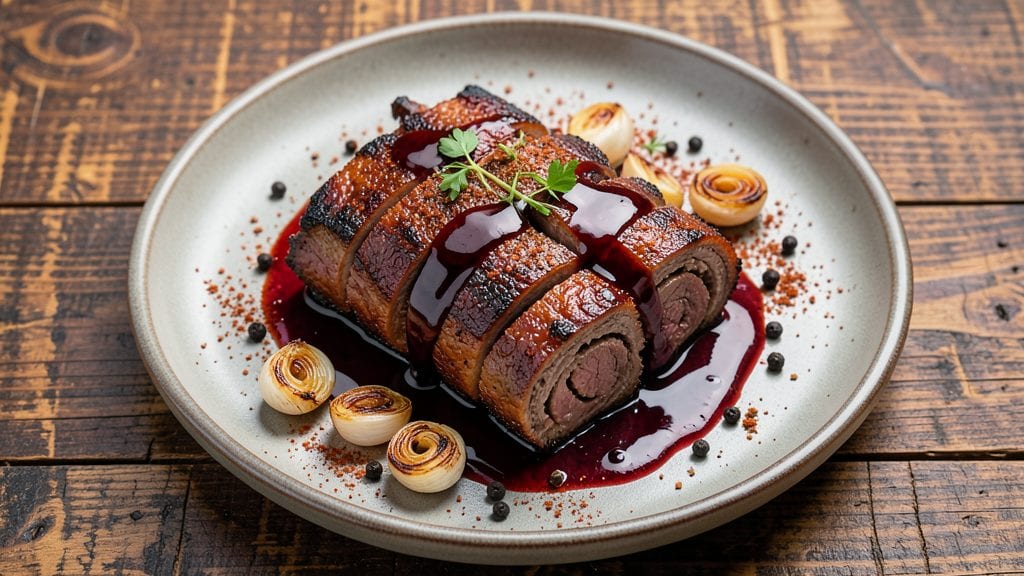
Mastering a rib eye roll recipe transforms tough cuts into a luxurious centerpiece with a smoky-spiced crust and juicy pink centers—the kind of dish that elevates any dinner from ordinary to extraordinary.
This technique builds on classic beef preparation methods while incorporating modern precision to ensure consistent results every time. The secret lies in proper seasoning, precise rolling, and controlled cooking temperatures that guarantee tender meat without drying it out.
What sets this rib eye roll apart is the balance between technique and simplicity. You'll work with a single large cut of beef, transforming it through careful seasoning, strategic slicing, and either grilling or pan-searing to develop that coveted crust.
The internal temperature guidelines ensure perfect doneness, while optional basting techniques add an extra layer of richness. This method delivers professional-quality results without requiring specialized equipment, making it accessible for home cooks.
By the time you serve this dish, you'll have a beautifully rolled steak with a deeply caramelized exterior that crackles with each bite and tender, flavorful meat inside. The smoky spices infuse every layer, creating a dish that pairs beautifully with red wine or a bold craft cocktail.
Whether you're cooking for a special occasion or simply treating yourself, this recipe delivers restaurant-worthy satisfaction at home.
The versatility of this technique means you can adapt it to different cooking methods—grill for outdoor gatherings, sear in a cast-iron skillet for weeknight dinners, or even use a slow cooker for hands-off preparation.
The key is maintaining control over temperature and timing to preserve that essential juiciness. Let's get started on creating your perfect rib eye roll.
Ingredients for rib eye roll
Transform tough beef into a luxurious centerpiece with these carefully selected ingredients.
| Ingredient | Amount | Notes |
|---|---|---|
| Rib Eye Roast 🥩 | 3 lb | Center-cut, even thickness preferred |
| Kosher Salt 🧂 | 2 tbsp | Diamond Crystal preferred for precision |
| Freshly Ground Black Pepper 🌶️ | 1 ½ tbsp | Coarse grind for texture |
| Smoked Paprika 🌶️ | 1 tbsp | High-quality for smoky depth |
| Garlic Powder 🧄 | 1 tbsp | Freshly toasted preferred |
| Onion Powder 🧅 | 1 tbsp | For aromatic balance |
| Extra-Virgin Olive Oil 🫒 | ½ cup | High smoke point for searing |
| Fresh Thyme Leaves 🌿 | ¼ cup | Stems removed, finely chopped |
| Fresh Rosemary 🌿 | ¼ cup | Needles finely chopped |
| Unsalted Butter 🧈 | ½ cup | Cold, cubed for basting |
| Red Wine 🍷 | ¼ cup | Cabernet Sauvignon preferred |
| Beef Tallow 🧈 | 2 tbsp | Optional for extra richness |
| Fresh Parsley 🌿 | ⅛ cup | Chopped, for garnish |
The rib eye roast is the foundation—look for a center-cut with even thickness (about 1.5 inches) to ensure even cooking. Whole Foods or high-end butchers carry the best quality, but most grocery stores stock it too. Avoid cuts with excessive marbling near the edges, as they can burn before the interior cooks through. If you're unsure, ask the butcher to trim any large fat deposits. For this recipe, the 3-pound roast yields perfect portions for four, with generous leftovers for sandwiches or reheating. The key is selecting a cut with good marbling but not so much that it interferes with crust formation.
No smoked paprika? Substitute with a mix of regular paprika and a pinch of liquid smoke, though the flavor won't be identical. Fresh thyme and rosemary can be swapped for dried at one-third the amount, but the aroma won't be as vibrant. Red wine can be omitted entirely if you prefer, though it adds depth—beef broth with a splash of balsamic works as a neutral substitute. The beef tallow is optional but recommended for that extra layer of richness; if unavailable, extra butter or duck fat will suffice. For the olive oil, use a high smoke point variety like avocado or refined olive oil if searing at high heat.
Store the rib eye roast, unseasoned, in the coldest part of your fridge for up to 5 days before cooking. Once seasoned, it's best prepared immediately, but you can refrigerate it for 12 hours if needed. The seasoning blend keeps well in an airtight container for 3 months, and the fresh herbs can be stored in a damp paper towel-lined bag for 5 days. Leftover cooked rib eye roll reheats beautifully—warm in a 350°F oven for 10-15 minutes with a splash of beef broth to retain moisture, or slice thinly for quick reheating in a skillet.
Why You'll Love This Recipe
- Foolproof Seasoning: I swear by this combo—just salt, pepper, smoked paprika, and garlic powder rubbed right on the roast. No fancy marinades, no guesswork. That dry rub clings perfectly to the rib eye’s surface, so every bite gets that savory punch without overpowering the beef.
- One-Pan Magic: Honestly, this is my lazy-day hero. Toss the rib eye roll on a sheet pan, roast it until it’s juicy and caramelized, then slice it up. No chopping veggies, no multiple pans—just meat, heat, and done. Even my husband (who fancies himself a chef) doesn’t complain about the cleanup.
- Weeknight to Weekend: Between us, this recipe works everywhere. Weeknight dinners? Check. Sunday family roasts? Even better. The leftovers? Slice them thin, toss in a pan with some butter, and boom—you’ve got rib eye sandwiches for lunch the next day. Not the prettiest, but the taste makes up for it.
- Budget Beef Boost: Here’s what sold me—you’re getting a whole roast for a fraction of the price of steak cuts. That rib eye roll delivers serious flavor without breaking the bank, and it actually feeds people. I’ve made this for six with leftovers to spare, and no one ever asks for takeout after.
Step-by-step instructions for rib eye roll recipe
Mastering this technique delivers a perfectly balanced roast with a smoky crust and tender pink centers every time.
Prepare the Dry Rub and Herb Paste
In a small bowl, combine the 2 tablespoons kosher salt, 1.5 tablespoons freshly ground black pepper, 1 tablespoon smoked paprika, 1 tablespoon garlic powder, and 1 tablespoon onion powder. Mix thoroughly to create an even seasoning blend. This dry rub will form the foundation of your crust, so ensure all spices are well distributed.
In a separate bowl, finely chop the 0.25 cup fresh thyme leaves and 0.25 cup fresh rosemary (stems removed). Add 0.5 cup extra-virgin olive oil and mix until you achieve a thick, paste-like consistency. The oil helps the herbs adhere to the meat while adding moisture during cooking. This herb paste will be rubbed directly onto the roast for maximum flavor penetration.
Season and Rest the Rib Eye Roast
Pat the 3 lb rib eye roast completely dry with paper towels, removing any excess moisture from the surface. This step is crucial for developing a proper crust. Using your hands, press the dry rub evenly over all sides of the roast, including the fat cap. Then, spread the herb paste generously over the entire surface, ensuring complete coverage.
Place the seasoned roast on a wire rack set inside a shallow baking dish. Cover loosely with plastic wrap and refrigerate for at least 24 hours (or up to 48 hours). This long resting period allows the seasonings to penetrate deeply and the meat to dry out slightly on the surface, which is essential for that coveted smoky crust. The cold temperature also helps the meat cook more evenly.
Sear and Baste for Maximum Flavor
Remove the roast from the refrigerator 1 hour before cooking to bring it to room temperature. Preheat your oven to 250°F and place a large oven-safe skillet (preferably cast iron) over medium-high heat. Add 2 tablespoons beef tallow and let it melt completely, then add 0.5 cup unsalted butter and allow it to foam and bubble.
Carefully place the roast in the skillet, fat-side down. Sear for 5 minutes until the fat renders and the surface develops a deep golden-brown crust. Flip the roast and repeat on the other side. Then, transfer the skillet to the preheated oven. Pour 0.25 cup red wine into the skillet, scraping up any browned bits from the bottom. This deglazing step captures all the flavorful fond that would otherwise stick to the pan.
Slow Roast to Perfect Doneness
Roast the rib eye roast for 3 to 3.5 hours, basting with the rendered fat and pan juices every 45 minutes. The low temperature ensures even cooking while allowing the fat to render slowly, keeping the meat incredibly juicy. You'll know it's ready when an instant-read thermometer inserted into the thickest part (avoiding the bone) reads 125°F for medium-rare—this is the ideal internal temperature for a juicy, pink center.
During the last 30 minutes of cooking, increase the oven temperature to 375°F to help develop a crispier crust. If the roast begins to brown too quickly, tent it loosely with aluminum foil. Remove from the oven and let it rest for 20 minutes before slicing. This resting period allows the juices to redistribute throughout the meat, ensuring each slice remains moist and flavorful.
Slice and Garnish for Presentation
Using a sharp carving knife, slice the roast against the grain into ½-inch thick slices. The grain direction will be visible on the cut surface, and slicing perpendicular to it creates tender, bite-sized pieces. Arrange the slices on a warm platter, fanning them slightly for an attractive presentation.
Garnish with the 0.125 cup chopped fresh parsley and drizzle any remaining pan juices over the top. The parsley adds a fresh contrast to the rich, smoky flavors, while the juices enhance the overall moisture. Serve immediately with roasted vegetables or a simple side salad to complement the bold flavors of the rib eye roll.
Pro Tips For Making Rib Eye Roll
- Trim the Fat Cap: That thick layer of fat on the rib eye roll? Don’t just leave it—score it in a crosshatch pattern with a sharp knife. It renders faster and crisps into a flavorful crust instead of turning into a greasy mess that steams your meat.
- Salt the Night Before: I used to salt the rib eye right before cooking, but it never got that deep, juicy seasoning. Now I salt it 12–24 hours ahead—let it sit uncovered in the fridge. The salt breaks down the muscle fibers, and the crust forms before you even turn on the heat.
- Sear in Batches: Crowding the pan? Big mistake. Sear the rib eye roll in one layer over screaming-hot cast iron—no overlapping—until deep brown. Then move it to a cooler spot on the pan to finish. Rushing this step means a pale, bland crust that won’t hold up to slicing.
- Use a Meat Thermometer: No guessing. Pull the rib eye roll at 120°F for medium-rare—it’ll carryover to 125°F. If you’re slicing it thin, aim for 115°F internal; if you’re serving thick, go 130°F. Overcooking turns that tender roll into shoe leather, and we’re not here for that.
Serving suggestions for this rib eye roll
Plating Presentation
For a restaurant-worthy presentation, arrange your rib eye roll slices in a fan shape on a warm platter. Use a black slate board or dark ceramic dish to make the rich red meat stand out dramatically.
I like to sprinkle the slices with flaky sea salt and freshly cracked black pepper right before serving to enhance the visual appeal. 💫
Sauce Pairings
A red wine reduction made from the pan drippings elevates the dish effortlessly. Simmer the leftover juices with 1 tablespoon balsamic glaze and 1 teaspoon honey for 5 minutes until slightly thickened.
Drizzle generously over each slice before serving. For a lighter option, a creamy horseradish sauce adds a sharp contrast to the richness.
Side Dish Harmony
Roasted garlic mashed potatoes with crispy bacon bits provide the perfect creamy counterpoint to the smoky beef. I also recommend sautéed green beans with toasted almonds and lemon zest for a bright, crunchy element.
For a heartier meal, add creamy polenta or buttery egg noodles to soak up those delicious pan juices.
Beverage Pairings
A bold Cabernet Sauvignon from Napa Valley complements the rib eye's richness beautifully. For a non-alcoholic option, try a smoky cherry soda with a splash of bourbon—the tartness cuts through the fat while enhancing the smoky notes.
A dark beer like a stout or porter also works well for those who prefer beer pairings. 🍷
Garnish Finishing Touches
Add microgreens or edible flowers for an elegant touch that brightens the plate. A dusting of smoked paprika along the edges adds visual interest and reinforces the dish's signature flavor. For extra drama, place a rosemary sprig on the side—its piney aroma ties everything together. 🌿
Leftovers Strategy
Slice any remaining rib eye roll into ½-inch thick pieces and store in an airtight container with a splash of beef broth to keep it moist. Reheat in a skillet over medium-low heat for 5-7 minutes until warmed through.
For sandwiches, layer on toasted brioche with caramelized onions and Gruyère cheese for a decadent open-faced option. 💡
Nutrition facts
Frequently asked questions
How do I know if my rib eye roast is the right cut for rolling?
Look for a center-cut rib eye roast with even thickness (about 1.5 inches) and minimal fat deposits. The ideal cut should have visible marbling but not so much that it interferes with crust formation. Ask your butcher for a "ribeye roast" or "ribeye roll" specifically—this ensures the bone structure supports rolling without breaking.
Can I cook this rib eye roll in a slow cooker instead of the oven?
Yes! Sear the roast first in a skillet, then transfer it to a slow cooker with 0.5 cup beef broth and 1 tablespoon smoked paprika. Cook on low for 6-8 hours until it reaches 125°F internally. The slow cooker keeps the meat incredibly tender, though you'll lose some crust development. Finish with a quick sear in a hot pan for color.
What's the best way to reheat leftover rib eye roll?
Slice leftovers into ½-inch thick pieces and reheat in a skillet over medium-low heat for 5-7 minutes with a splash of beef broth. For sandwiches, warm slices on a toasted brioche bun with Gruyère cheese and caramelized onions. Never microwave—it makes the meat tough and dry.
Why did my rib eye roll turn out dry?
Overcooking is the most common cause—rib eye should never exceed 130°F internally for medium-rare. Use a meat thermometer and remove it 5°F below your target temp, then let it rest. Also, avoid cutting into the meat immediately after cooking; always rest for 20 minutes to redistribute juices.
Can I substitute beef tallow with something else?
Use extra butter, duck fat, or lard for searing—they all add richness. For a leaner option, olive oil works but lacks the same depth of flavor. The key is using enough fat to create a flavorful crust during the high-heat sear.