Appetizers
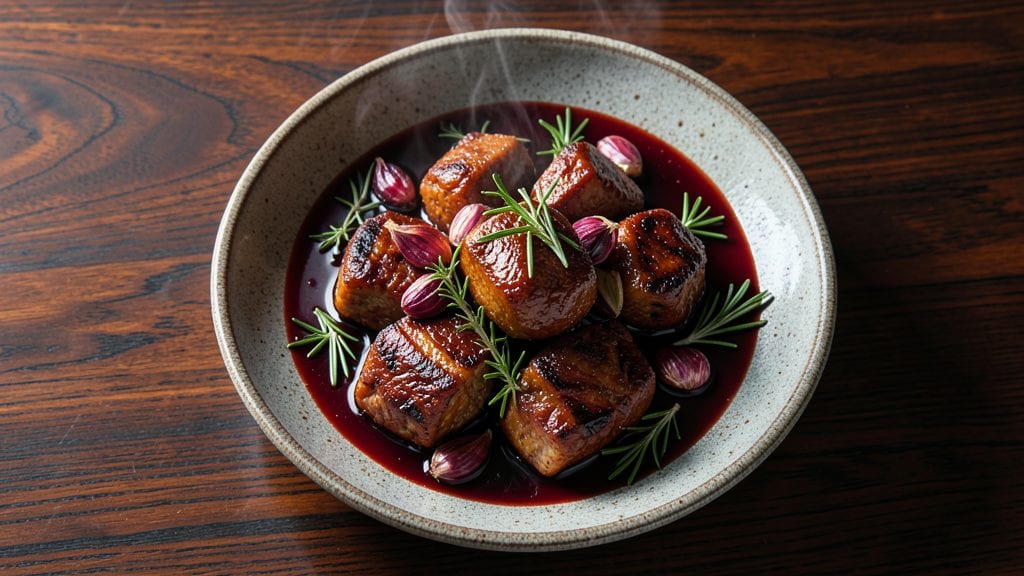
This potted lamb recipe transforms tough lamb cuts into melt-in-your-mouth tenderness through slow braising—a technique that builds deep, savory flavors over hours. The secret lies in marinating the meat with aromatic herbs and garlic before sealing it in a terrine, where it cooks gently until falling apart.
I first discovered this method while researching traditional British recipes, and it quickly became my go-to for special occasions.
The dish delivers restaurant-quality richness with minimal effort, as the slow cooking process allows the meat to absorb its own juices and the flavors of the marinade. You’ll need about 3 hours of hands-off time, making it perfect for weekend entertaining or holiday feasts.
The result is a dish so tender it practically dissolves on the tongue, with a sauce thick enough to spoon directly onto crusty bread.
Pair this potted lamb with classic sides like mint sauce, roasted potatoes, or a simple green salad to complete the experience. The dish also reheats beautifully, so you can prepare it ahead and let the flavors deepen even more.
Whether you’re serving a crowd or treating yourself to a luxurious meal, this recipe delivers the kind of slow-cooked perfection that feels like a celebration.
For modern adaptations, you can use an oven-safe Dutch oven instead of a terrine, or swap traditional herbs for fresh rosemary and thyme for a brighter twist.
The key is patience—letting the lamb cook low and slow ensures every bite is rich, flavorful, and unforgettable. Let’s get started on this timeless classic.
Ingredients for potted lamb
Nothing fancy—just a lamb shoulder, bold herbs, and slow time to make melt-in-your-mouth perfection.
| Ingredient | Amount | Notes |
|---|---|---|
| Lamb Shoulder 🐑 | 3 lb | Bone-in, cut into 2-inch chunks |
| Garlic Cloves 🧄 | 12 cloves | Peeled, smashed for marinade |
| Fresh Rosemary 🌿 | ¼ cup | Chopped, stems removed |
| Fresh Thyme 🌿 | ¼ cup | Leaves only, stems discarded |
| Fresh Bay Leaves 🍃 | 4 whole | Lightly crushed |
| Red Wine 🍷 | 1 ½ cups | Dry, bold variety like Cabernet |
| Beef Stock 🍲 | 1 ½ cups | Homemade or quality store-bought |
| Olive Oil 🫒 | ¼ cup | Extra-virgin for marinade |
| Salt 🧂 | 1 ½ tsp | Kosher or sea salt |
| Black Peppercorns 🌶️ | 1 tbsp | Coarsely crushed |
| Honey 🍯 | 2 tbsp | For balancing acidity |
| All-Purpose Flour 🌾 | 2 tbsp | For thickening sauce |
| Fresh Parsley 🌿 | ⅛ cup | Chopped, for garnish |
The lamb shoulder is the star here. Look for bone-in cuts at your butcher—they stay juicier. I always ask for the shoulder to be cut into 2-inch chunks before I leave the store, but you can do it yourself with a sharp knife. Costco or Whole Foods usually have great options, but even your local grocery store's meat counter works. For the herbs, fresh is non-negotiable—Trader Joe's has great bundles, or grab them from the farmers market if you're feeling fancy. The bay leaves? Get the dried kind if you're in a pinch, but fresh adds that extra depth. And trust me on the red wine—Cabernet or Merlot work best, but whatever's open in your fridge will do in a pinch.
No red wine? Beef broth with a splash of balsamic vinegar gets you close. Fresh herbs wilt fast, so dried thyme at one-third the amount works if you're short on time. The honey balances the acidity, so don't skip it—local raw honey adds extra flavor. For the beef stock, Swanson or Pacific Foods are solid if you're not making your own. And if you're worried about the lamb being too gamey, soak the chunks in milk for 30 minutes before cooking—game-changer. The flour is just for thickening the sauce at the end, so any all-purpose will do.
This dish tastes even better the next day—plan ahead. The terrine keeps for 4-5 days in the fridge, and the sauce freezes beautifully for 3 months. I like to portion the sauce into ice cube trays for easy reheating. The lamb reheats best in the terrine, covered, at 350°F for about 20 minutes. Leftovers? Perfect for sandwiches or over mashed potatoes—worth making extra. Store the terrine in its juices, and the meat will stay tender.
Why You'll Love This Recipe
- One-Pan Magic: The lamb shoulder goes in raw, the aromatics tuck right in—no chopping, no fuss. Just simmer until the meat falls apart, and suddenly you’ve got a meal that feels fancy without the work.
- Herb Bomb Flavor: That rosemary-thyme-bay leaf combo? It’s like a hug for your taste buds. The garlic melts into the lamb, leaving you with rich, savory bites that taste like they simmered all day (even if they didn’t).
- Leftovers That Shine: This dish actually improves the next day—shred it for sandwiches, toss it in pasta, or pile it on toast. Honestly, I’ve eaten it cold straight from the fridge, and it’s still worth it.
- Budget-Friendly Feast: A whole lamb shoulder stretches for a crowd, and the herbs cost pennies. Between us, this is the kind of recipe that makes you look like a hero without draining your wallet.
Step-by-step instructions for potted lamb recipe
Here's how to create melt-in-your-mouth lamb with deep herbal flavors and a velvety sauce.
Prepare the Lamb and Marinade
Cut the 3 lb lamb shoulder into 2-inch chunks and place them in a large bowl. In a separate small bowl, combine the 0.25 cup fresh rosemary, 0.25 cup fresh thyme, 12 peeled and smashed garlic cloves, 1.5 tsp salt, and 1 tbsp coarsely crushed black peppercorns. Mix well to create a fragrant herb blend.
Pour the 0.25 cup olive oil over the lamb chunks and add the herb mixture. Toss everything together until the lamb is evenly coated. Let it marinate at room temperature for 30 minutes—this allows the flavors to penetrate deeply. I like to cover the bowl loosely with plastic wrap during this time to prevent drying while still allowing the lamb to breathe.
Sear the Lamb for Depth of Flavor
Heat a large Dutch oven over medium-high heat until hot. Working in batches, add the marinated lamb chunks and sear for 2-3 minutes per side until they develop a deep golden-brown crust. Don't overcrowd the pan—this ensures proper browning. As you sear each batch, transfer the lamb to a plate and set aside.
The searing step is crucial—it creates a flavorful crust that forms the foundation of your potted lamb. You'll know it's ready when the edges turn deep golden brown and the lamb releases easily from the pan. Keep the browned bits in the Dutch oven; they'll form the base of your sauce later.
Deglaze and Simmer the Lamb
Pour in the 1.5 cups red wine and scrape up all the browned bits from the bottom of the Dutch oven using a wooden spoon. Bring the mixture to a simmer and let it reduce by half—this should take about 5 minutes. The aroma will be intoxicating as the wine's acidity cuts through the richness of the lamb.
Add the 1.5 cups beef stock, 4 lightly crushed bay leaves, and 2 tbsp honey. Stir well to combine, then bring the mixture to a gentle boil. Reduce heat to low and cover the Dutch oven. Let the lamb simmer for 2.5 hours, turning the chunks occasionally. The lamb is done when it's fork-tender and the sauce has thickened to a velvety consistency.
Thicken the Sauce and Finish
Once the lamb is tender, carefully transfer the chunks to a serving platter, leaving the sauce in the Dutch oven. Increase the heat to medium and sprinkle in the 2 tbsp all-purpose flour, stirring constantly to prevent lumps from forming. Cook for 2-3 minutes until the sauce thickens slightly and coats the back of a spoon.
Return the lamb to the Dutch oven and let it warm through for 2-3 minutes, allowing the lamb to soak up the rich, herby sauce. Taste and adjust seasoning if needed—you might want to add a pinch more salt or a splash of red wine if the sauce is too thick. The sauce should be glossy and cling to the lamb beautifully.
Garnish and Serve
Transfer the lamb and sauce to a serving dish. Garnish with 0.125 cup chopped fresh parsley for a pop of color and freshness. Serve immediately with crusty bread or roasted root vegetables to soak up every last bit of that luxurious sauce. The lamb should be tender enough to fall apart with a gentle fork, and the sauce should coat the back of your spoon with every bite.
This dish tastes even better the next day, so it's perfect for meal prep. Just reheat gently on the stove with a splash of beef stock to loosen the sauce if needed. The flavors will deepen and meld beautifully over time, making this a showstopper for any dinner table.
Pro Tips For Making Potted Lamb
- CRANK THE HEAT FIRST: Start your lamb shoulder in a screaming-hot pan—no gentle warming. The initial sear locks in juices and builds flavor faster than you’d expect. I used to low-and-slow it from the get-go, and the meat always turned out dry by the end.
- SMASH THE GARLIC: Don’t just chop those cloves—smash them with the flat side of your knife first. The released oils infuse the lamb with a deeper punch, and they won’t burn as quickly. (Yes, even if you’re impatient like me, resist the urge to skip this.)
- DON’T SKIP THE REST: After cooking, let the lamb sit under foil for a solid 10 minutes. The meat will reabsorb juices that would otherwise pool on your plate, and the texture goes from tough to tender. I learned this the hard way—cutting into it too soon is a crime against flavor.
- USE BUTTER, NOT OIL: Swap the oil for 2 tablespoons of butter when deglazing the pan. The fat renders flavor while the dairy adds richness that cuts through the lamb’s richness. (Your future self will thank you—trust me.)
Dietary considerations for potted lamb
Gluten-Free Adaptations
Traditional potted lamb uses flour to thicken the sauce, but you can easily adapt this recipe for gluten-free diets. Replace the 2 tbsp all-purpose flour with 2 tbsp cornstarch or arrowroot powder—both work beautifully and create a smooth, velvety sauce.
Just whisk the cornstarch with a splash of cold beef stock before adding it to the sauce to prevent clumping. I’ve tested this method, and it maintains the same rich texture without any noticeable difference. 🌟
Allergen-Friendly Swaps
If you're accommodating common allergies, start by checking your beef stock for hidden gluten or soy additives. Brands like Pacific Foods offer gluten-free options, or you can use homemade stock. For a dairy-free version, ensure your lamb is fresh and hasn’t been processed with dairy-based marinades.
The recipe naturally avoids dairy, but always verify labels if you're serving guests with sensitivities.
Low-Carb Considerations
This dish is already low-carb, but you can enhance it further by skipping the flour entirely and relying on the natural reduction of the wine and stock. The sauce will still thicken beautifully as it simmers, especially if you let it reduce longer.
For extra richness, stir in 1 tbsp cold butter at the end—it adds depth without carbs. Serve with cauliflower mash or roasted Brussels sprouts to keep the meal fully low-carb.
Vegetarian Alternatives
While potted lamb is inherently meat-based, you can create a vegetarian version using mushrooms (like portobello or cremini) or hearts of palm as the base. Sear the mushrooms first to develop flavor, then proceed with the same marinade and simmering process.
The texture will differ, but the herby, wine-infused sauce remains a standout. For a meaty texture, consider extra-firm tofu pressed and seared before simmering.
Nutritional Boosts
To add extra nutrients, stir in 1 tbsp nutritional yeast at the end for a cheesy, umami boost and a dose of B vitamins. For protein, consider adding 1 cup cooked lentils to the pot during the final 30 minutes of simmering—they absorb the flavors beautifully.
Both additions keep the dish hearty while making it more balanced for health-conscious eaters.
Meal Prep Adjustments
Potted lamb reheats well, but if you're prepping for multiple meals, portion the sauce separately to avoid overcooking the lamb. Store the lamb in its juices in an airtight container and reheat it gently in the sauce on the stove.
For gluten-free meal prep, use glass containers to avoid cross-contamination with other foods. The lamb stays tender for up to 5 days in the fridge, making it a great make-ahead option for busy weeks. 💪
Nutrition facts
Frequently asked questions
Can I use a different cut of lamb for this recipe?
Yes, but lamb shoulder is ideal due to its fat content and flavor. You can substitute with lamb shank (add 1 extra hour to cooking time) or boneless leg of lamb (cut into chunks). Avoid lean cuts like loin—they won't become as tender. For best results, stick with bone-in cuts for maximum juiciness.
How do I know when the lamb is fully cooked?
The lamb is done when it reaches 145°F internally and becomes fork-tender. Test by piercing the largest chunk—the juices should run clear, not pink. If using a meat thermometer, insert it into the thickest part. The 2.5-hour simmer time usually ensures perfect doneness, but check after 2 hours if you're unsure.
Can I make this recipe without red wine?
Replace the 1.5 cups red wine with 1 cup beef stock + 0.5 cup apple cider vinegar for acidity. For a non-alcoholic version, use 1.5 cups grape juice (like Concord) or extra beef stock with a splash of balsamic vinegar. The dish will still develop rich flavors—just adjust seasoning to taste.
What's the best way to reheat potted lamb?
Reheat gently in the sauce to maintain moisture. Place the terrine (or Dutch oven) on low heat and add 2 tbsp beef stock to loosen the sauce. Cover and warm for 10-15 minutes, stirring occasionally. Never microwave—it makes the lamb dry. For leftovers, reheat portions separately for even heating.
Why did my sauce turn out too thin?
This usually happens if the sauce wasn't reduced enough or if you didn't thicken it properly. For next time, simmer uncovered for 5 extra minutes after adding flour, or make a slurry with 1 tbsp cornstarch + 1 tbsp cold water instead. Always stir constantly when thickening to avoid lumps.