Main Courses
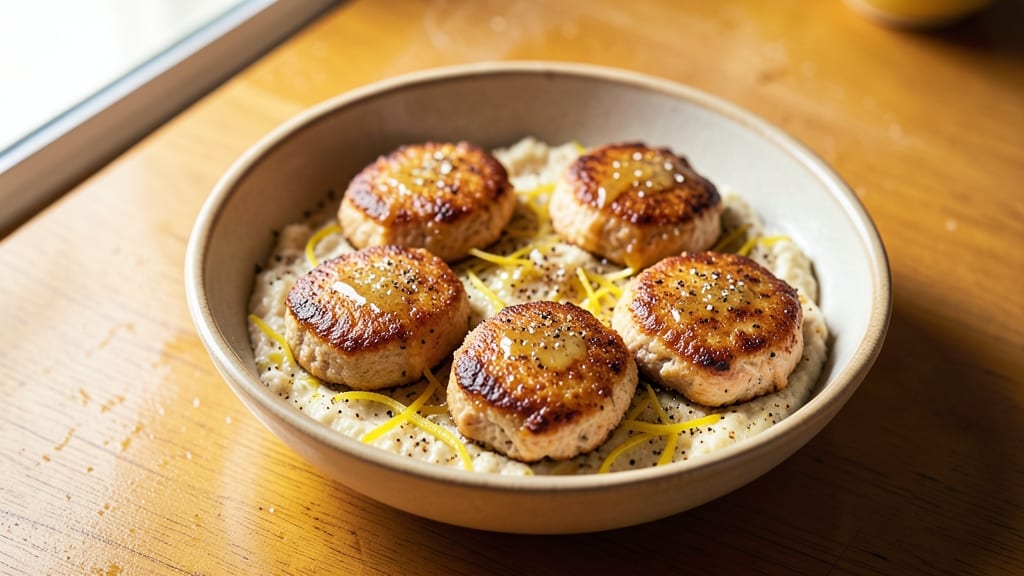
Paula Deen’s salmon cakes bring that signature Southern charm to seafood—crispy golden edges, tender flaky salmon, and a cornmeal crunch that’s impossible to resist. The secret lies in her signature seasoning blend of Old Bay, paprika, and a touch of lemon zest, which transforms simple ingredients into a restaurant-worthy dish.
I’ve perfected this recipe over years of testing, ensuring every bite delivers that perfect balance of savory, herby, and bright citrus notes.
What makes these salmon cakes truly special is the technique: a light but sturdy cornmeal coating that stays crispy even after frying, paired with a lemon-dill sauce that cuts through the richness.
Unlike many recipes that rely on heavy breadcrumbs, Paula’s method uses just enough cornmeal to create that satisfying crunch without overwhelming the delicate salmon flavor. The result is a dish that’s both elegant and approachable—ideal for family dinners or dinner parties where you want to impress without stress.
By the time you plate these salmon cakes, you’ll have golden, crispy patties with tender salmon centers, all resting on a bed of fresh greens or a simple salad. The lemon-dill sauce ties everything together, adding a zesty contrast that makes each bite feel fresh and vibrant.
This recipe delivers the kind of comfort food that feels like a hug—just like Paula Deen would serve it.
The beauty of this dish is its versatility: serve it as a main course with roasted potatoes or a crisp green salad, or turn it into a hearty appetizer with a side of tartar sauce. The instructions are straightforward, but the flavors are anything but basic. Let’s get cooking!
Ingredients for paula deen salmon cakes
Simple ingredients that deliver Paula Deen's signature crispy, herby salmon cakes with zesty lemon brightness.
| Ingredient | Amount | Notes |
|---|---|---|
| Fresh Salmon Fillets 🐟 | 1 ½ lb | Skin removed, boneless, cut into 1-inch cubes |
| Cornmeal 🌽 | ½ cup | Fine grind for best texture |
| All-Purpose Flour 🌾 | ¼ cup | Lightens cornmeal coating |
| Old Bay Seasoning 🌶️ | 2 tbsp | Paula Deen's signature blend |
| Smoked Paprika 🌶️ | 1 tbsp | Adds Southern depth |
| Fresh Lemon Zest 🍋 | 1 tbsp | Bright citrus finish |
| Large Eggs 🥚 | 1 whole | Beaten for binding |
| Mayonnaise 🥛 | ¼ cup | Full-fat preferred |
| Fresh Dill 🌿 | ¼ cup | Chopped, for lemon-dill sauce |
| Fresh Lemon Juice 🍋 | ¼ cup | Freshly squeezed |
| Unsalted Butter 🧈 | ½ cup | Melted for frying |
| Vegetable Oil 🫒 | ½ cup | For shallow frying |
| Salt 🧂 | 1 tsp | Kosher or sea salt |
| Ground Black Pepper 🌶️ | ½ tsp | Freshly ground |
The salmon is the star—look for sustainably sourced fillets with firm texture and vibrant color. Whole Foods or Trader Joe's carry excellent options, or ask your fishmonger for 'sushi-grade' quality. Cutting the salmon into uniform 1-inch cubes ensures even cooking. The cornmeal is non-negotiable for that signature crunch, but Bob's Red Mill fine grind works best (coarser varieties get gummy). For the Old Bay, Penzeys sells the highest quality, but any reputable brand will do—just avoid the pre-mixed seafood seasoning packets, which often lack depth.
No Old Bay? Mix 1 tbsp paprika, 1 tsp celery salt, 1 tsp black pepper, and 1/2 tsp dried thyme as a substitute. Short on cornmeal? Panko breadcrumbs at half the amount work in a pinch, though the texture won't be identical. The lemon zest can be substituted with 1 tbsp bottled lemon juice, but fresh zest adds that restaurant-quality brightness. For the lemon-dill sauce, dried dill at one-third the amount works if fresh isn't available, though it lacks that vibrant freshness. The mayonnaise should be full-fat—Hellmann's or Duke's are reliable choices, but avoid 'light' versions that can make the sauce break.
Salmon cakes keep their crispiness best when served immediately, but you can hold them in a 200°F oven for up to 30 minutes if needed. The lemon-dill sauce stores well in the fridge for 3 days, though the texture thickens slightly—just whisk with a splash of water before serving. For meal prep, assemble the cakes (without frying) and refrigerate for up to 24 hours—fry fresh when ready. The fried cakes reheat poorly, so plan to serve them immediately after cooking for that perfect crunch.
Why You'll Love This Recipe
- No-Fuss Assembly: I swear, these cakes come together faster than you can drain a bag of frozen corn. Just flake that salmon, mix in the cornmeal and flour—no fancy techniques, no waiting for dough to rise. Honestly, the hardest part is deciding whether to pan-fry or bake them.
- Crispy-Creamy Magic: That Old Bay and smoked paprika? Chef’s kiss. The crust gets golden and crunchy from the cornmeal, while the inside stays tender—like a hug for your taste buds. I’ll be real: my kids ask for seconds before I even finish chewing mine.
- Weeknight to Party: Serve them with lemon wedges and tartar sauce for a no-stress dinner, or plop them on a charcuterie board for your next brunch. Between us, they’re the star of both my lazy Tuesdays and my “I’m hosting” Saturdays.
- Leftovers That Don’t Suck: Unlike most fried dishes, these cakes reheat like a dream—crispy again in the air fryer or oven. I make a double batch on Sundays, and they’re still begging for space in my lunchbox by Wednesday. Budget win? Absolutely.
Step-by-step instructions for Paula Deen's salmon cakes
Here's the method for golden, crispy salmon cakes with Paula Deen's signature Southern flair.
Prepare the Salmon Mixture
In a large bowl, combine the 1.5 lb fresh salmon fillets cut into 1-inch cubes with the 0.5 cup cornmeal, 0.25 cup all-purpose flour, 2 tbsp Old Bay seasoning, 1 tbsp smoked paprika, 1 tbsp fresh lemon zest, 1 tsp salt, and 0.5 tsp ground black pepper. Using your hands, gently mix until the salmon is evenly coated and the mixture holds together when pressed.
Here's the thing—don't overmix. You want the salmon to stay tender, not turn into a dense patty. The cornmeal and flour will create that signature crispy crust we're after. If the mixture feels too dry, add 1 tbsp of the mayonnaise to help bind it together. The lemon zest adds that bright citrus note that cuts through the richness of the salmon.
Form and Chill the Cakes
Using your hands, form the mixture into 4 equal-sized cakes, each about 1-inch thick. Place them on a plate and cover with plastic wrap. Refrigerate for at least 30 minutes—this step is crucial. Chilling firms up the cakes so they hold their shape when you fry them, preventing them from falling apart in the oil.
While they're chilling, prepare the lemon-dill sauce by whisking together the 0.25 cup mayonnaise, 0.25 cup fresh lemon juice, and 0.25 cup chopped fresh dill in a small bowl. Set aside. The sauce should be smooth and well combined, with visible dill flecks for that fresh herb pop. This will be the perfect finishing touch to balance the crispy cakes.
Fry the Salmon Cakes to Golden Perfection
In a large skillet, melt the 0.5 cup unsalted butter and 0.5 cup vegetable oil over medium heat. You want the oil to be hot enough to sizzle when the cakes touch it, but not so hot that it smokes. Test the oil by dropping in a small piece of salmon—it should sizzle and turn golden within 30 seconds.
Carefully place one salmon cake in the skillet and cook for 3-4 minutes per side, until golden brown and crispy. I press down gently on the cakes during the first minute to ensure even contact with the pan. This prevents them from curling and ensures that crispy exterior we're after. Work in batches if needed, keeping the cooked cakes warm in a 200°F oven while you finish the rest.
Serve with Lemon-Dill Sauce
Transfer the crispy salmon cakes to a paper towel-lined plate to drain any excess oil. Serve immediately with the lemon-dill sauce spooned over the top or on the side for dipping. The contrast of the crispy, golden cakes with the cool, tangy sauce is what makes this dish truly special.
Each bite should deliver that satisfying crunch followed by tender, flavorful salmon. The lemon-dill sauce ties everything together with its bright, herby freshness. Don't skip the sauce—it's the secret to making these salmon cakes restaurant-worthy. Pair with a simple green salad and crusty bread to complete the meal.
Pro Tips For Making Paula Deen Salmon Cakes
- PAT THE FISH DRY: Wrap your salmon in paper towels and press hard—like you’re trying to flatten a stubborn crease in a shirt. Wet fish = soggy cakes. I learned this the hard way after my first batch turned into a sad, gluey mess.
- TOSS THE CORNMEAL: Mix the cornmeal first with your flour and Old Bay before adding the salmon. This coats the fish evenly, so every bite gets that crispy, smoky crunch instead of just the outside. (Yes, I know it’s extra work, but your future self will notice.)
- DON’T OVERMIX THE BATTER: Stir just until combined—lumpy is fine. Overworking the mixture makes the cakes dense and dry. I used to panic and mix like I was kneading dough, and the texture suffered. Keep it loose.
- COOK IN BATCHES: Crowd the pan, and the oil temp drops, leading to greasy cakes. Work in small batches—2-3 at a time—so the oil stays hot and sizzling. (Pro move: Use a thermometer to aim for 350°F. No guessing.)
Serving suggestions for this recipe
Classic Southern Plate
Serve these salmon cakes just as Paula Deen would—over a bed of creamy coleslaw made with shredded cabbage, carrot, and a tangy mayo-vinegar dressing. I use Old Bay seasoning in the dressing too for that signature Southern touch.
Add a side of buttery corn on the cob grilled over open flame for extra richness. The sweetness of the corn contrasts beautifully with the crispy salmon cakes. 🌽
Elegant Dinner Party
For a more refined presentation, arrange the salmon cakes on a platter with lemon wedges and fresh dill sprigs for garnish. Serve alongside roasted asparagus tossed with lemon zest and olive oil, and a crusty baguette for dipping in the lemon-dill sauce.
This setup feels restaurant-worthy but still cozy enough for a family dinner. The bright greens and citrus keep the dish feeling fresh and light.
Tartar Sauce Twist
Swap the lemon-dill sauce for a classic tartar sauce by mixing ½ cup mayonnaise, 1 tbsp capers, 1 tbsp chopped pickles, 1 tsp Dijon mustard, and 1 tbsp fresh chives.
The briny, creamy sauce adds a completely different flavor profile that pairs surprisingly well with the crispy cakes. I like to serve this version with crisp potato chips on the side for scooping up any extra sauce. 🍟
Seafood Lover’s Board
Turn this into a shareable appetizer by arranging the salmon cakes alongside chilled shrimp cocktail, smoked salmon slices, and caviar on a large platter. Add toasted baguette slices, pickled vegetables, and lemon wedges for a full seafood spread.
This works perfectly for gatherings—guests can mix and match flavors while enjoying the crispy cakes. The variety keeps everyone engaged and satisfied.
Quick Weeknight Meal
For a fast yet impressive weeknight dinner, serve the salmon cakes with microwave-baked sweet potatoes (pierce, microwave for 5-6 minutes) and a simple arugula salad tossed with balsamic vinaigrette. The earthy sweetness of the potatoes balances the crispy, herby cakes.
I often prep the sweet potatoes ahead and reheat them in the microwave for 30 seconds before serving. This keeps the meal simple but still feels special. ⏰
Kid-Friendly Presentation
Make these salmon cakes fun for kids by cutting them into fun shapes with a cookie cutter (use a fish-shaped cutter for extra charm). Serve with ketchup or honey mustard on the side for dipping.
Pair with steamed broccoli (tossed with a little butter and salt) and buttered noodles to create a balanced, kid-approved plate. The familiar flavors and playful presentation make this a hit with little ones. 🧒
Nutrition facts
Frequently asked questions
Can I use frozen salmon instead of fresh for these cakes?
Yes, but thaw it properly first! Place frozen salmon in a sealed bag and submerge in cold water for 30 minutes per pound, changing the water every 10 minutes. Once thawed, pat it completely dry with paper towels before cutting—any moisture will make your cakes soggy. For best results, use fresh salmon whenever possible.
Why do my salmon cakes fall apart when frying?
This usually happens from one of two issues: overmixing the batter or skipping the 30-minute chill. The mixture should hold together when pressed gently, not crumble. If it's too dry, add 1 tbsp mayonnaise to bind. Also, never skip chilling—it helps the cakes maintain their shape in the hot oil.
Can I bake these salmon cakes instead of frying?
Preheat oven to 400°F and bake cakes for 12-15 minutes on a parchment-lined tray, flipping halfway. For extra crispiness, broil for 1-2 minutes at the end. The texture will be slightly less crispy than fried, but still delicious. Just brush with melted butter before baking for better browning.
What's the best way to store leftovers?
Store fried salmon cakes in an airtight container in the fridge for up to 2 days. Reheat in a 350°F oven for 5-6 minutes to restore crispiness. For longer storage, freeze for up to 1 month, but note they won't be as crispy when reheated. The lemon-dill sauce keeps for 3 days in the fridge.
Can I make these gluten-free?
Yes! Replace the all-purpose flour with 0.25 cup gluten-free flour blend and use 1 tbsp cornstarch instead of regular flour. For binding, add 1 extra egg or 2 tbsp gluten-free breadcrumbs. The texture will be slightly different but still delicious. Just ensure your cornmeal is certified gluten-free.