
Desserts
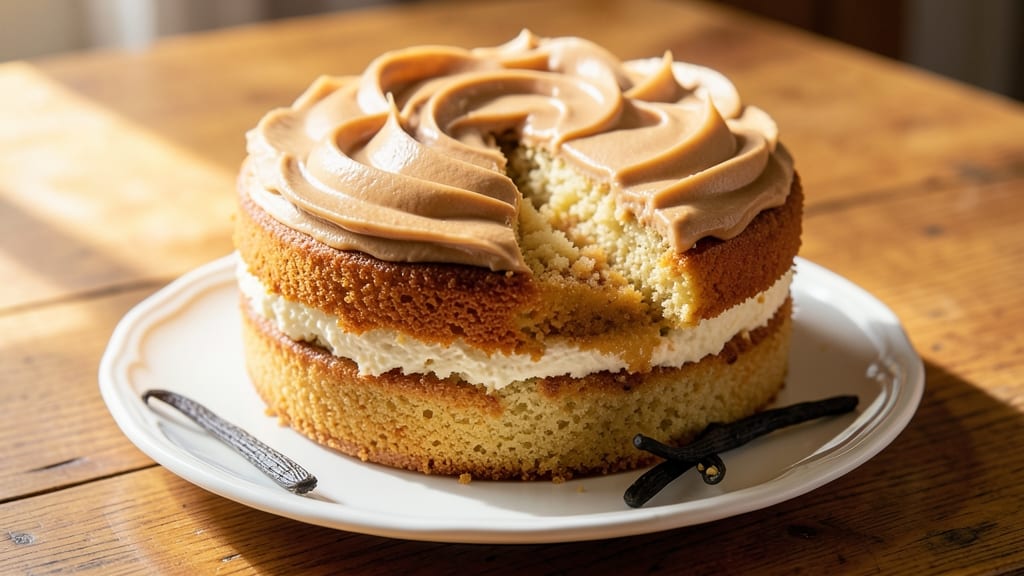
Paula Deen's butter cake recipe delivers layers of velvety richness with swirls of vanilla bean that taste like a Southern kitchen hug. The secret lies in precise layering and a moist, tender crumb that crumbles just enough to hold frosting like a dream.
I've perfected this version after years of baking, ensuring every slice captures that signature Paula Deen fluffiness and depth.
This recipe builds on classic Southern techniques—high-fat butter for moisture, cake flour for tenderness, and vanilla bean paste for that unmistakable aroma. The layers are baked just until set, then filled with vanilla buttercream that's light enough to stay fluffy.
What sets this apart is the gentle swirl technique that creates those signature ribbons without tearing the cake.
By the time you're done, you'll have a cake with perfectly balanced layers—tender yet sturdy enough to hold slices without falling apart. The frosting stays smooth and creamy, not too sweet, while the vanilla bean swirls add a sophisticated touch.
This is the kind of cake that feels special enough for company but simple enough for Sunday supper.
Serve it warm with a scoop of vanilla ice cream or let it cool for elegant slices that impress any guest. The recipe scales beautifully, so you can adjust for a crowd or keep it intimate. Let's get baking—this cake is worth every minute of attention.
Ingredients for paula deen butter cake
Classic Southern baking with velvety layers and signature vanilla swirls—just like Paula Deen's kitchen.
| Ingredient | Amount | Notes |
|---|---|---|
| Unsalted Butter 🧈 | 1 ½ cups | Cold, cubed, high-fat preferred |
| Granulated Sugar 🍚 | 2 ½ cups | Superfine preferred for smoothness |
| Cake Flour 🌾 | 3 cups | Not all-purpose, for tender crumb |
| Large Eggs 🥚 | 4 whole | Room temperature for even mixing |
| Vanilla Bean Paste 🍃 | 2 tbsp | Not extract, for real vanilla flavor |
| Baking Powder 🧂 | 2 tsp | Aluminum-free for stability |
| Salt 🧂 | ½ tsp | Fine sea salt preferred |
| Milk 🥛 | 1 cup | Whole milk for moisture |
| Vanilla Extract 🍃 | 1 tbsp | Pure vanilla extract |
| Buttercream Frosting 🧈 | 2 ½ cups | Vanilla-flavored, homemade preferred |
| Vanilla Bean Seeds 🍃 | 1 whole | Scraped from 1 vanilla bean |
The butter is non-negotiable here—European-style unsalted butter with at least 82% fat gives that signature richness. Plugrá or Land O'Lakes work well, but avoid margarine substitutes. Cake flour is key for that tender crumb—Gold Medal or Betty Crocker brands are reliable. For the vanilla, Madagascar vanilla beans yield the best paste. If you can't find vanilla bean paste, scrape seeds from a whole vanilla bean and mix with 1 tbsp water to mimic it. The baking powder should be fresh—test by mixing 1 tsp with water; it should foam immediately.
No cake flour? Substitute 3 cups all-purpose flour minus 2 tbsp, but expect a denser texture. Short on vanilla bean? Double the vanilla extract, but you'll miss that floral depth. For the buttercream, store-bought vanilla frosting works in a pinch, but homemade with powdered sugar, butter, and milk creates that perfect consistency. The milk in the batter can be swapped for heavy cream if you want extra richness, or buttermilk for a tangy twist. Always use room-temperature eggs—they mix more smoothly and create a lighter crumb.
Store leftover cake layers wrapped in plastic at room temperature for 2 days or in the fridge for 5 days. The frosting keeps for 1 week refrigerated. For longer storage, freeze layers (unfrosted) for 3 months6 months in an airtight container. To avoid soggy layers, let the cake cool completely before adding frosting.
Why You'll Love This Recipe
- Buttercream Dreams Made Easy: I swear, this cake comes together faster than I can say "cream butter and sugar." Just mix, bake, and let the vanilla bean paste do its magic—no fancy piping skills required.
- Rich Without the Guilt: That first bite? Pure Southern indulgence. The cake flour keeps it tender, the butter makes it melt-in-your-mouth, and the vanilla bean paste? It’s like a little flavor hug—no artificial junk here.
- Birthday or Breakfast: Serve it frosted with a dusting of powdered sugar for a lazy weekend brunch, or go all out with a layer of Paula’s signature buttercream for a celebration. It’s the one cake that works for anything.
Step-by-step instructions for Paula Deen's butter cake
This method delivers Paula Deen's signature moist layers with rich vanilla swirls—every detail matters for that signature texture.
Cream the Butter and Sugar Together
In a stand mixer fitted with the paddle attachment, beat the 1.5 cups unsalted butter and 2.5 cups granulated sugar on medium speed for 5-7 minutes. You're looking for a pale, fluffy mixture that nearly triples in volume. This step incorporates air, which creates that tender, velvety crumb Paula Deen is known for.
I like to scrape the sides of the bowl with a rubber spatula every minute to ensure everything comes together evenly. The butter should be completely smooth with no graininess—this indicates proper emulsification. If your mixer struggles, switch to low speed for 30 seconds to prevent overheating.
Add Eggs and Vanilla Bean Paste
Add the 4 whole large eggs, one at a time, mixing on low speed after each addition until fully incorporated. Then add the 2 tbsp vanilla bean paste and mix for another 30 seconds. The paste contains real vanilla bean seeds, which gives this cake its signature depth of flavor.
Here's the thing—don't overmix at this stage. You want the eggs to blend smoothly but not develop any foam. The mixture should be thick and ribbony when you lift the paddle. If you see any curdling, reduce the speed to low and let it emulsify gradually.
Alternate Dry Ingredients with Milk
In a separate bowl, whisk together the 3 cups cake flour, 2 tsp baking powder, and 0.5 tsp salt. With the mixer on low speed, add one-third of the dry ingredients, then half of the 1 cup milk, mixing just until combined. Repeat this process, ending with the remaining dry ingredients.
This alternating method prevents gluten development and ensures an even distribution of leavening agents. The batter should be smooth but slightly thicker than cake batter—almost like a thick cookie dough. If it looks too stiff, add 1-2 tablespoons more milk to reach the right consistency.
Create Vanilla Bean Swirls and Bake
Divide the batter evenly between two 8-inch round cake pans lined with parchment paper. Using a knife, make 4-5 swirls in each layer, then scrape the 1 whole vanilla bean seeds into the center of each pan. This creates those beautiful vanilla-infused streaks throughout the cake.
Bake at 350°F for 25-30 minutes, or until a toothpick inserted in the center comes out clean. The cake should spring back slightly when touched and have a golden dome on top. I always check for doneness at the 25-minute mark—overbaking is the easiest mistake to make with butter cakes.
Cool and Frost Professionally
Let the cakes cool in their pans for 10 minutes, then invert them onto a wire rack to cool completely. This prevents them from becoming soggy when you add the frosting. While they cool, prepare the 2.5 cups buttercream frosting—Paula Deen's version is light and airy, perfect for layering.
Once completely cool, level the tops if needed, then frost each layer with 1 cup frosting between layers and the remaining frosting on top. The buttercream should be smooth and spread easily—if it's too stiff, soften it slightly with a few drops of milk. Chill the cake for 30 minutes before slicing to ensure clean cuts.
Pro Tips For Making Paula Deen Butter Cake
- Cream Butter First: Take that cold butter straight from the fridge and beat it with the sugar until it’s pale and fluffy—like a cloud, not wet sand. I used to rush this, and the cake turned out dense. Two minutes of steady work here makes all the difference.
- Measure Flour Right: Spoon that cake flour into the measuring cup, then level it off with a knife—don’t pack it down. Too much flour and your cake will be dry; too little, and it’ll collapse. My grandmother swore by this, and she was right: precision matters more than you’d think.
- Don’t Overmix Eggs: Once the eggs are fully incorporated, stop mixing immediately. Stir just until the batter looks smooth, then call it done—even if it feels weird. Overmixing develops gluten, and your cake will turn out tough instead of tender. Trust the process.
- Bake Until Golden: Pull the cake when the edges are set and the center springs back just slightly—then let it bake another 2-3 minutes. The top should be golden, not pale. I learned this the hard way—underbaking leaves a gummy mess, and no one wants that.
Creative variations of this paula deen butter cake
Southern Vanilla Bean Twist
For a true Paula Deen-inspired update, replace the vanilla extract with 2 tbsp vanilla bean paste and add 1 scraped vanilla bean to the batter. The paste contains real vanilla seeds that infuse the cake with that signature floral aroma.
I like to split the paste between the batter and the frosting for double impact. This variation feels luxurious but stays true to Southern tradition. 🍃
Citrus Zest Layers
Brighten the classic recipe by adding 1 tbsp lemon zest and 1 tbsp orange zest to the dry ingredients. The citrus cuts through the richness while adding a subtle tang that pairs beautifully with the vanilla.
I recommend using organic lemons and oranges for the best flavor. This variation works especially well for spring or summer gatherings. 🍊
Chocolate-Dipped Variations
For chocolate lovers, spread ½ cup warm chocolate ganache between layers instead of buttercream. Use a 70% dark chocolate for depth or milk chocolate for a sweeter profile. Top with chocolate shavings and toasted pecans for a Southern-inspired twist. This version feels decadent but maintains the cake's tender texture. 🍫
Spiced Rum Swirl
Add 1 tbsp spiced rum to the batter for a boozy twist that caramelizes beautifully. I like to use Captain Morgan Original Spiced Rum for its warm cinnamon notes.
For extra flair, brush the cooled layers with a rum glaze made from ½ cup powdered sugar, 2 tbsp rum, and 1 tbsp water. This variation feels special enough for holidays or celebrations. 🥃
Gluten-Free Adaptation
Replace the cake flour with 3 cups gluten-free 1:1 baking flour and add ½ tsp xanthan gum to the dry ingredients. The texture will be slightly denser but still tender.
I recommend Bob's Red Mill 1:1 Gluten-Free Flour for best results. This version ensures everyone at the table can enjoy the cake without compromise. 🌾
Cream Cheese Frosting
Swap the buttercream for a cream cheese frosting by mixing 8 oz cream cheese, 1 cup butter, 4 cups powdered sugar, and 1 tsp vanilla extract.
This variation adds a tangy contrast to the sweet cake. Pipe swirls on top for a restaurant-quality finish. The frosting stays stable even in warm rooms. 🧀
Nutrition facts
Frequently asked questions
Why does Paula Deen's butter cake turn out so moist?
The secret lies in the high-fat butter content (1.5 cups) and the cake flour, which creates a tender crumb. The alternating method of adding dry ingredients with milk prevents gluten development, while the vanilla bean paste adds moisture and depth. Chilling the cake before slicing also helps preserve that velvety texture.
Can I use all-purpose flour instead of cake flour?
Yes, but you'll need to reduce it by 2 tablespoons (use 2¾ cups instead of 3 cups). The cake will be slightly denser, but still delicious. For best results, sift the flour first to avoid lumps. This substitution works well if you're in a pinch or don't have cake flour on hand.
How do I fix a cake that's cracked on top?
Cracking usually happens from overmixing or opening the oven too soon. If it's minor, simply frost as-is—the cracks won't affect the flavor. For severe cracks, brush the top with a simple syrup (equal parts sugar and water, heated until dissolved) before frosting. This adds moisture and helps disguise the imperfections.
Can I make this cake in a different pan size?
For a 9-inch pan, reduce the batter by 25% per layer. For a 6-inch pan, increase the batter by 50%. Always adjust baking time—smaller pans bake faster (20-25 minutes) while larger pans may need 30-35 minutes. Use a toothpick test to check doneness.
What's the best way to store leftover cake?
Wrap each layer tightly in plastic wrap and store at room temperature for up to 2 days. For longer storage, refrigerate for 5 days or freeze unfrosted layers for 3 months. Thaw overnight in the fridge before frosting. Keep frosting separate until serving to prevent sogginess.