
Sauces & Condiments
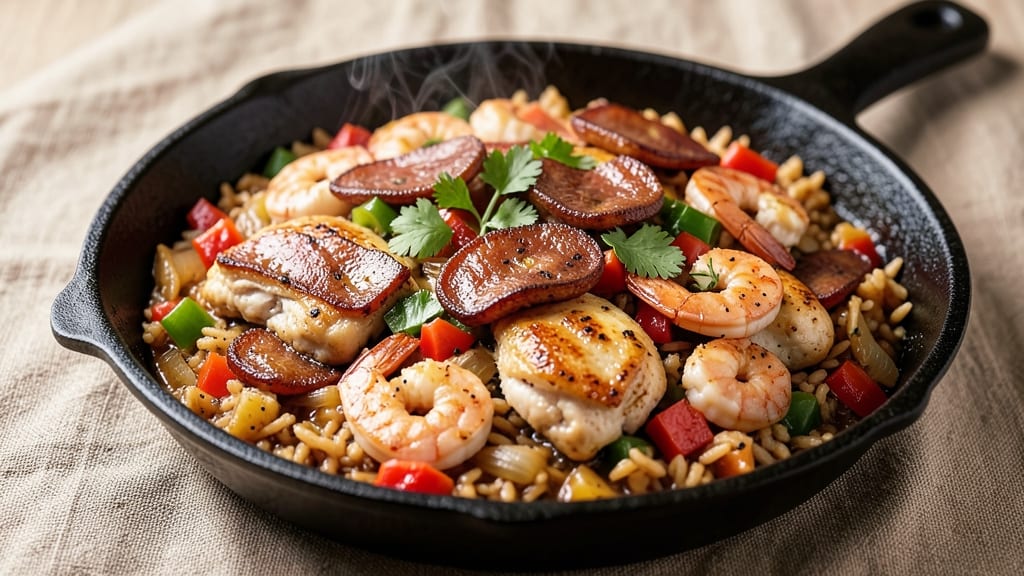
This original jambalaya recipe captures the soul of Cajun cooking in one smoky, spiced pot, where the holy trinity of onions, bell peppers, and celery builds flavor layers that transform simple ingredients into something unforgettable.
I first made this version after years of experimenting with shortcuts that missed the mark—until I committed to the slow, layered approach that makes jambalaya legendary. The key isn’t just the spices; it’s the balance of textures: tender chicken, crispy sausage, plump shrimp, and perfectly cooked rice all working together.
The foundation starts with a deep, aromatic base where onions, bell peppers, and celery cook until soft and sweet, forming the backbone of every bite. From there, we add andouille sausage for smoky depth, chicken thighs for hearty substance, and shrimp that cooks just until pink—no overcooking allowed.
The rice absorbs the rich, spiced broth as it simmers, creating a dish that’s as satisfying as it is flavorful. This isn’t just a recipe; it’s a technique that rewards patience with restaurant-quality results at home.
What you’ll end up with is a one-pot wonder that’s hearty enough for a family dinner but elegant enough for company. The aroma alone—smoky, spiced, and slightly sweet—will have everyone gathering around the table.
Each bite delivers layers of flavor: the heat of cayenne, the richness of the holy trinity, the tenderness of the proteins, and the perfect bite of rice. It’s the kind of dish that feels like a hug in a bowl, and it’s easier to make than you’d think.
Whether you’re serving it with crusty bread to soak up the sauce or as a standalone meal, this jambalaya delivers bold, authentic Cajun flavor without the fuss. The best part?
It tastes even better the next day, making it perfect for meal prep or a Sunday supper that lasts. Let’s get cooking—your taste buds will thank you.
Ingredients for original jambalaya
The holy trinity trio plus smoky sausage and tender proteins—this is jambalaya done right.
| Ingredient | Amount | Notes |
|---|---|---|
| Yellow Onion 🧅 | 1 ½ lb | Diced, medium dice preferred |
| Green Bell Pepper 🌶️ | 2 whole | Diced, seeds removed |
| Celery Stalks 🥬 | 4 whole | Diced, includes leaves |
| Andouille Sausage 🌭 | 1 lb | Sliced into 1/2-inch rounds |
| Boneless Chicken Thighs 🍗 | 1 ½ lb | Skin-on, cut into bite-size pieces |
| Large Shrimp 🦐 | 1 lb | Peeled, deveined, tails on |
| Long-Grain White Rice 🍚 | 2 cups | Uncooked, converted from 1 lb |
| Chicken Broth 💧 | 3 cups | Low-sodium preferred |
| Cayenne Pepper 🔥 | 1 tsp | Adjust for heat preference |
| Smoked Paprika 🌶️ | 1 tbsp | Sweet or hot variety |
| Garlic Cloves 🧄 | 6 cloves | Minced, fresh preferred |
| Dried Thyme 🌿 | 1 tsp | Or 1 tbsp fresh thyme |
| Bay Leaves 🍃 | 2 whole | Remove before serving |
| Tomato Sauce 🍅 | 14 ½ oz | Canned, no salt added |
| Green Onions 🧅 | 3 whole | Sliced, for garnish |
| Salt 🧂 | 1 ½ tsp | Kosher or sea salt |
| Black Pepper 🌶️ | ½ tsp | Freshly ground preferred |
The holy trinity—yellow onion, green bell pepper, and celery—is non-negotiable here. Grab the freshest you can find (the grocery store produce section works, but farmers' markets have better flavor). For the sausage, andouille is a must—the smoky, spiced kind you can find at Whole Foods or specialty markets. If you're short on time, pre-diced veggies save steps, but chopping them yourself lets you control the texture. The shrimp? Buy frozen if fresh isn't available—just thaw in cold water before using. And don't skip the skin-on chicken thighs—they stay juicier than breasts.
No andouille? Kielbasa or spicy Italian sausage works in a pinch, but it won't have that same smoky depth. Fresh thyme is ideal, but dried works at one-third the amount. The tomato sauce can be homemade or quality canned—Muir Glen or Rao's are solid choices. Short on bell peppers? Substitute with 1 cup diced zucchini (it absorbs flavors well). The cayenne is where you control the heat—start with 1/2 tsp if you're sensitive. And for the rice, jasmine or basmati adds a nice aroma, but long-grain white is classic for this dish.
This jambalaya tastes even better the next day—make extra and portion it out for easy lunches. Store in an airtight container for up to 5 days in the fridge, or freeze for 3 months. The flavors meld beautifully overnight, so plan ahead if you can. Garnish with green onions and a sprinkle of smoked paprika right before serving—it adds a pop of color and freshness that makes the dish look as good as it tastes.
Why You'll Love This Recipe
- One-Pot Magic: I swear by this for lazy nights—just chop the holy trinity (onion, bell pepper, celery), brown the chicken and sausage, then dump in the rice and stock. No extra pans, no stress.
- Smoky Soul Food: That andouille sausage? It’s the star—crispy edges and smoky depth that cuts through the chicken’s richness. Honestly, the first bite makes me question why I ever bought pre-made jambalaya.
- Leftovers That Win: This recipe doubles easily, and the flavors get better the next day. Pack it for lunches or freeze portions—my freezer’s always stocked with it because reheating tastes like a hug.
- Budget-Friendly Feast: Chicken thighs and andouille stretch over rice, and the veggies add freshness without breaking the bank. Between us, this is my go-to when I need to feed a crowd without emptying my wallet.
Step-by-step instructions for original jambalaya recipe
Here's how to build that smoky, flavor-packed jambalaya with layers of texture and depth.
Sauté the Holy Trinity to Perfection
Heat a large, heavy-bottomed pot over medium heat until hot. Add the 1.5 lb diced yellow onion, 2 diced green bell peppers, and 4 diced celery stalks (including leaves). Cook for 8-10 minutes until the vegetables soften and release their juices, stirring occasionally. You'll know they're ready when they're tender but still hold their shape—this is the foundation of your flavor.
I like to press down gently on the vegetables during the first few minutes to help them release moisture and prevent burning. The goal is to develop a deep, sweet base that will carry through the entire dish. If the vegetables start to stick, add a splash of water and scrape up any browned bits from the bottom of the pot—these bits are pure flavor.
Brown the Sausage and Chicken
Push the vegetable mixture to one side of the pot and add the 1 lb sliced andouille sausage to the empty space. Cook for 4-5 minutes until the sausage begins to brown and release its smoky, spicy oils. Then, add the 1.5 lb bite-size chicken thighs to the pot and spread them out evenly.
Cook the chicken for 5-6 minutes, stirring occasionally, until it develops a golden-brown crust. This step is crucial for building depth of flavor—don't rush it. If the pot gets too crowded, work in batches to ensure everything gets properly browned. Once the chicken is nicely seared, stir everything together and add the 6 minced garlic cloves, 1 tbsp smoked paprika, 1 tsp dried thyme, 1.5 tsp salt, and 0.5 tsp black pepper. Stir well to coat the chicken and sausage in the spice blend.
Simmer the Base with Tomato and Broth
Pour in the 14.5 oz tomato sauce and 3 cups chicken broth, then add the 2 whole bay leaves. Stir everything together and bring the mixture to a gentle boil. Once boiling, reduce the heat to low and let it simmer uncovered for 15 minutes, stirring occasionally. This allows the flavors to meld and the sauce to thicken slightly.
After 15 minutes, taste the mixture and adjust the seasoning if needed. Add a pinch more cayenne pepper if you want extra heat, or a bit more salt if the flavors need balancing. The sauce should be rich, slightly thick, and packed with smoky, savory notes. This is where the magic happens—don't skip the simmering step, as it develops the depth of flavor that makes jambalaya unforgettable.
Add Rice and Cook Until Tender
Rinse the 2 cups long-grain white rice under cold water until the water runs clear, then add it to the pot. Stir gently to distribute the rice evenly throughout the liquid. Bring the mixture back to a gentle boil, then immediately reduce the heat to low and cover the pot with a tight-fitting lid. Let it cook undisturbed for 20 minutes.
After 20 minutes, check the rice for doneness. It should be tender but still have a slight bite—this is the perfect texture for jambalaya. If the rice is still firm, cover the pot and cook for another 5 minutes. If it's too soft, you might need to adjust the cooking time next time, as rice absorbs liquid at different rates depending on your stove. The rice should be cooked through but still hold its shape, with plenty of liquid clinging to it.
Fold in Shrimp and Finish
Gently fold the 1 lb peeled and deveined large shrimp into the rice mixture, being careful not to break them. Cover the pot again and cook for an additional 5-7 minutes, just until the shrimp turn pink and opaque. The shrimp should cook quickly in the hot rice—overcooking will turn them rubbery, so keep an eye on them.
Once the shrimp are done, remove the pot from the heat and let it sit covered for 5 minutes. This resting period allows the flavors to settle and the rice to absorb any remaining liquid. Before serving, discard the 2 bay leaves and stir in the 3 sliced green onions. Taste and adjust the seasoning one final time, adding more salt, pepper, or cayenne pepper if needed. Serve immediately with crusty bread or over a bed of fluffy white rice if you prefer a lighter base.
Pro Tips For Making Original Jambalaya
- CRANK THE HEAT FIRST: Don’t start slow with the trinity (onion, bell pepper, celery)—get that pot screaming hot before adding anything. I used to simmer gently, and my jambalaya would taste dull. Now I blast it for 2-3 minutes until the onions are caramelized and the peppers start to blister. That’s where the deep, smoky flavor hides.
- SALVAGE SOFT ANDOUILLE: If your andouille sausage feels rubbery or undercooked, don’t toss it. Slice it thin, pat it dry, and sear it in a separate pan with a splash of oil until it’s crispy. The contrast of crispy edges and tender jambalaya makes it work—trust me, I’ve ruined batches this way.
- DON’T SKIP THE CHICKEN REST: Once your chicken thighs hit 165°F, pull them out and let them rest under foil for 5-10 minutes. I learned this the hard way—carrying the pot to the table with raw chicken in it is a recipe for dry, stringy meat. The rest time keeps them juicy while the flavors meld.
- SWAP THE PEPPER FOR JALAPEÑO: Bell peppers add color but not heat. If you want real kick, swap half the green bell pepper for finely diced jalapeño (seeds in for extra spice). It’s a quick upgrade that cuts through the richness of the andouille and chicken fat—no extra prep, just better flavor.
Health benefits of this original jambalaya
Protein Powerhouse
This jambalaya packs a serious protein punch with chicken thighs, andouille sausage, and shrimp, delivering a complete amino acid profile that keeps you full and energized.
The 1.5 lb chicken thighs provide about 60 grams of protein per serving, while the 1 lb shrimp adds 36 grams—all without the heavy saturated fat of red meat. The sausage contributes flavor and iron, making this a balanced meal that supports muscle repair and immune function. 💪
Complex Carbs for Energy
The 2 cups long-grain white rice in jambalaya serves as a slow-release energy source, thanks to its complex carbohydrates that fuel your body for hours. Unlike refined grains, whole-grain rice (or brown rice) would add even more fiber, but traditional jambalaya relies on white rice for its perfect texture.
Each serving provides about 45 grams of carbs, which is ideal for active days or post-workout recovery. The rice also helps stabilize blood sugar levels when paired with the protein and healthy fats from the sausage.
Spice Benefits for Digestion
The smoked paprika, cayenne, and thyme in this recipe aren’t just for flavor—they’re digestive aids! Cayenne contains capsaicin, which stimulates digestion and may help reduce bloating. Smoked paprika adds antioxidants that combat inflammation, while thyme has antimicrobial properties that support gut health.
Together, these spices create a warming, metabolism-boosting effect that makes jambalaya both delicious and functional. 🌶️
Low-Fat, High-Flavor Meal
Unlike many comfort foods, jambalaya is surprisingly low in saturated fat when made with lean proteins like shrimp and skinless chicken. The andouille sausage adds richness without excessive fat, and the tomato-based broth keeps the dish light.
This makes it a heart-healthy option compared to fried or creamy dishes. The fiber from the holy trinity veggies also helps lower cholesterol, balancing out the meal’s indulgent flavors.
Vitamin Boost from Veggies
The holy trinity—onions, bell peppers, and celery—packs a vitamin punch with vitamin C, vitamin K, and folate. Bell peppers are especially high in vitamin A, which supports vision and immune function, while onions provide quercetin, an antioxidant that fights inflammation.
These veggies also add fiber and water content, making jambalaya more satiating and nutrient-dense than it appears. 🥬
Meal Prep Friendly
Jambalaya’s balanced macros make it perfect for meal prep—protein, carbs, and healthy fats in one pot. The dish reheats well, retaining its flavor and texture, and the spices actually deepen overnight.
Portion it into airtight containers with a side of greens for a complete, balanced lunch that keeps you full for hours. The low glycemic index of the rice and protein combo also helps curb cravings, making it a smart choice for busy weeks.
Nutrition facts
Frequently asked questions
What's the difference between jambalaya and gumbo?
While both are Cajun classics, jambalaya starts with rice cooked in the pot, while gumbo is a soup with roux-thickened broth served over rice. Jambalaya has a more one-pot feel with all ingredients simmering together, whereas gumbo layers flavors separately. Also, jambalaya often includes tomato sauce (like this recipe), while gumbo typically doesn't.
Can I make this jambalaya in a slow cooker?
Brown the sausage, chicken, and holy trinity first in a skillet, then transfer everything to your slow cooker. Add the remaining ingredients and cook on low for 6-7 hours or high for 3-4 hours. The shrimp should be added during the last 30 minutes to avoid overcooking. The flavors will meld beautifully, though the texture might be slightly softer than stovetop.
How can I make this recipe vegetarian?
Swap the chicken and sausage for 1.5 lb firm tofu or tempeh, cut into cubes, and press for extra flavor. Use 1 lb mushrooms (like cremini or portobello) instead of shrimp for umami depth. Increase the smoked paprika to 2 tbsp and add 1 tsp liquid smoke for that smoky jambalaya essence. The holy trinity and tomato base will still shine!
Why does my jambalaya turn out dry?
Dry jambalaya usually means the rice absorbed too much liquid. Start with 1/2 cup more broth than called for, and cook the rice uncovered for the first 10 minutes to let excess moisture evaporate. Also, avoid stirring the rice too much—this breaks the grains and makes them absorb liquid faster. If it's still dry, add a splash of broth or water before serving.
Can I freeze jambalaya?
Yes! Let it cool completely, then store in airtight containers for up to 3 months. The flavors actually improve after freezing. To reheat, thaw overnight in the fridge, then warm on the stovetop with a splash of water or broth. For best texture, add fresh green onions and a pinch of cayenne after reheating to revive the flavors.