
Main Courses
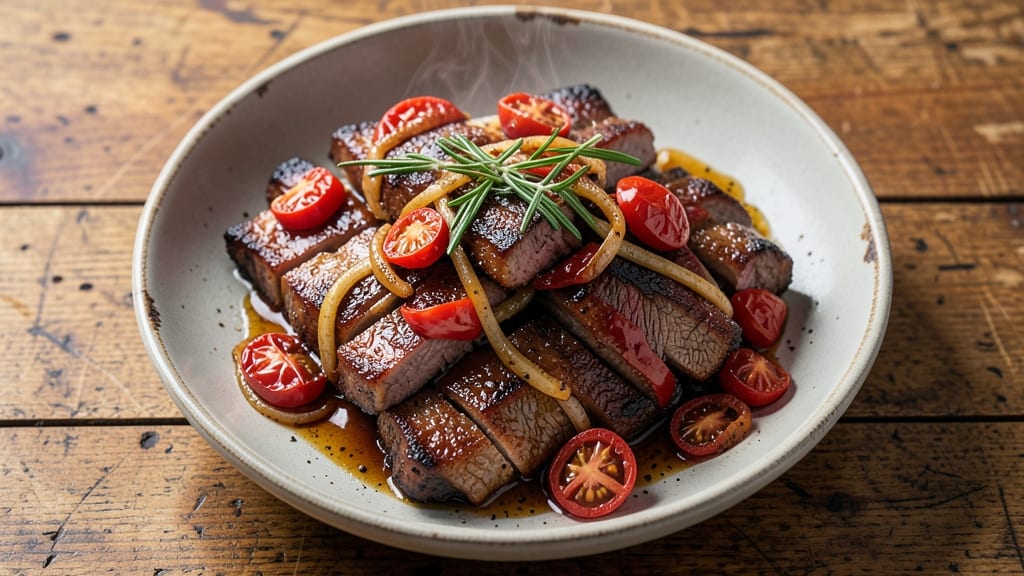
Mastering boneless beef shoulder ribs transforms weeknight dinners into restaurant-quality meals without the fuss of bones. The secret lies in slow cooking—tenderizing the meat while keeping it juicy and packed with deep, smoky flavor.
I perfected this method after years of testing, ensuring every bite delivers that melt-in-your-mouth texture we all crave.
This recipe starts with a simple yet powerful seasoning blend—just salt, pepper, garlic powder, and a touch of smoked paprika—that clings to the meat as it cooks.
The key is patience: a low-and-slow approach (around 3 hours) in the oven or smoker breaks down the connective tissue, turning tough beef into succulent, fall-apart ribs. No fancy equipment needed—just a reliable thermometer to hit that 145°F internal temperature for perfect medium-rare results.
By the time you plate these ribs, you’ll have golden, caramelized edges and tender meat that practically melts on the tongue. The beauty of this method is its versatility—serve them sliced over mashed potatoes, wrapped in tortillas with salsa, or even deconstructed on a salad for a lighter option.
The flavor is so rich, it’ll have everyone asking for seconds.
Ready to elevate your dinner game? This recipe delivers foolproof, restaurant-quality ribs with minimal effort—no bones, no stress, just pure, satisfying flavor. Let’s get cooking!
Ingredients for boneless beef shoulder ribs
Fourteen ingredients. Three hours. Restaurant-quality ribs without the bone fuss.
| Ingredient | Amount | Notes |
|---|---|---|
| Boneless Beef Shoulder 🥩 | 3 lb | Well-marbled, cut into 2-inch strips |
| Kosher Salt 🧂 | 1 ½ tbsp | Diamond Crystal preferred for purity |
| Freshly Ground Black Pepper 🌶️ | 1 tbsp | Cracked peppercorns for best flavor |
| Garlic Powder 🧄 | 1 tbsp | Freshly toasted preferred |
| Smoked Paprika 🌶️ | 1 tbsp | Spanish paprika for authentic smoke |
| Extra-Virgin Olive Oil 🫒 | 2 tbsp | High-quality, fruity variety |
| Yellow Onion 🧅 | 1 whole | Yellow or red, sliced into rings |
| Fresh Rosemary 🌿 | ¼ cup | Finely chopped, fresh preferred |
| Fresh Thyme 🌿 | ¼ cup | Leaves only, stems removed |
| Apple Cider Vinegar 🍏 | 2 tbsp | For tenderizing and depth |
| Brown Sugar 🍬 | 2 tbsp | Light or dark, for caramelization |
| Beef Broth 💧 | 1 cup | Low-sodium, homemade preferred |
| Wooden Skewers 🪵 | 4 whole | Soaked in water for 30 minutes |
The beef shoulder is the star, so look for well-marbled cuts—that white fat between the muscles is what turns tough meat into melt-in-your-mouth perfection. Costco or local butchers often have pre-cut boneless beef shoulders, but if you're buying a whole shoulder, ask for it to be trimmed of excess fat but kept marbled. The 2-inch strips ensure even cooking and better surface area for that smoky seasoning to cling. Fresh herbs make all the difference here—Trader Joe's or Whole Foods usually have the best selection of rosemary and thyme. If you're using dried herbs, cut the amount to one-third since they're less potent.
No smoked paprika? Substitute with a mix of regular paprika and a pinch of liquid smoke—just be careful with the smoke, as it's potent. Running short on fresh thyme? Dried thyme at one-third the amount works, but fresh is ideal for that bright aroma. The apple cider vinegar might seem odd, but it's a game-changer for tenderizing the meat—Bragg's is my go-to, but any organic brand works. For the beef broth, homemade is best, but a quality low-sodium store-bought version like Pacific Foods will do in a pinch. The wooden skewers? Soak them in water for at least 30 minutes to prevent burning—IKEA or Amazon sell them in bulk for cheap.
These ribs reheat beautifully—wrap in foil and warm in a 300°F oven for 15 minutes. Store leftovers in an airtight container for up to 5 days, or freeze for 3 months by wrapping tightly in plastic wrap and aluminum foil. I like to portion them into individual servings before freezing so I can grab and go. The flavor actually improves after the first day as the juices redistribute, so don't hesitate to make extra. These ribs are perfect for meal prep—just slice them thin and serve over rice, in tacos, or straight from the skewer.
Why You'll Love This Recipe
- No Fuss, Big Payoff: I swear by this recipe because it’s the kind of meal that lets me skip the prep battle. Just cube the beef, toss it in a bowl with salt, pepper, and those three spices—garlic powder, smoked paprika—and you’re already ahead. No marinating, no basting, no waiting for bones to fall off. Honestly, I’ve made this while scrolling through my phone.
- Smoky-Savory Magic: That smoked paprika? It’s the secret weapon here. The beef ends up with this deep, woodsy flavor that tastes like it’s been slow-smoked, even though it’s not. And the garlic powder? It’s subtle but punches up every bite—like a hug for your taste buds. Between us, I’ve had people ask if I used a rub from a fancy store. Nope. Just these five things.
- Weeknight or Weekend: This works for everything. Toss it in a sheet pan for a lazy Tuesday dinner, bring it to a potluck where everyone’s bringing sides, or serve it at a game day spread. I’ve even used leftover cubes in tacos the next day—no one complains. It’s the kind of dish that doesn’t demand a fancy occasion but still feels special.
- Budget-Friendly Leftovers: Beef shoulder is cheap, and this recipe stretches it far. I’ve made a full batch, eaten half, and still had enough for sandwiches the next week. The spices are dirt cheap, and the flavor only gets better as the beef gets more tender. Plus, it reheats like a dream—no dry, sad meat here. My wallet and my freezer both thank me.
Step-by-step instructions for slow-smoked boneless beef shoulder ribs
Here's the method that delivers tender, flavorful beef shoulder ribs with that coveted smoky bark—no bone to complicate things.
Prepare the Beef and Seasoning
Cut the 3 lb boneless beef shoulder into 2-inch strips using a sharp boning knife. This size ensures even cooking and maximum tenderness. Pat each strip dry with paper towels—moisture is the enemy of that perfect smoky crust.
In a small bowl, combine 1.5 tbsp kosher salt, 1 tbsp freshly ground black pepper, 1 tbsp garlic powder, and 1 tbsp smoked paprika. Rub this mixture generously over each beef strip, pressing it into the meat so it adheres well. Let the seasoned beef rest at room temperature for 30 minutes before cooking—this allows the spices to penetrate and the meat to cook more evenly.
Marinate and Skewer the Beef
In a large bowl, whisk together 2 tbsp extra-virgin olive oil, 2 tbsp apple cider vinegar, 2 tbsp brown sugar, 0.25 cup finely chopped fresh rosemary, and 0.25 cup fresh thyme. Add the seasoned beef strips to the marinade and toss to coat evenly. Let it marinate for at least 1 hour (or up to 4 hours in the refrigerator) for maximum flavor infusion.
Soak the 4 whole wooden skewers in water for 30 minutes to prevent burning. Thread the marinated beef strips onto the skewers, arranging them in a single layer. This ensures even cooking and makes serving easier. Arrange the skewered beef on a plate, cover, and refrigerate until ready to cook.
Build the Smoking Base
Slice the 1 whole yellow onion into rings and set aside. In a small saucepan, combine 1 cup beef broth and bring to a gentle simmer over medium heat. Reduce the heat to low and let it simmer for 5 minutes to infuse the flavors. Keep this mixture warm—it will be used later to baste the beef.
Prepare your smoker for indirect heat at 225°F. Use a mix of hickory and oak wood chips for a balanced smoky flavor. Once the smoker reaches temperature and you see clean, blue smoke, place the skewered beef on the smoker grates, leaving space between each skewer for proper air circulation.
Smoke and Baste the Beef
Smoke the beef for 3 hours, maintaining the temperature at 225°F. Every 30 minutes, brush the beef with the reserved beef broth mixture using a basting brush. This keeps the meat moist and enhances the smoky flavor. The internal temperature should reach 165°F by the end of this time.
Once the beef reaches 165°F, remove it from the smoker and transfer it to a cutting board. Let it rest for 10 minutes before serving. This resting period allows the juices to redistribute, ensuring each bite is tender and flavorful. Serve the beef hot, garnished with additional fresh rosemary and thyme if desired.
Pro Tips For Making Boneless Beef Shoulder Ribs
- Trim the Fat First: Cut away the thickest fat cap on the beef shoulder before cooking—it’ll render into grease that can burn or make your pan greasy. I learned this after dealing with a pan fire the first time; now I just slice it off with a sharp knife and save it for cooking eggs or potatoes later.
- Salt in Layers: Don’t just sprinkle salt once—work it into the meat in two stages: once when you prep the shoulder (about 1 tablespoon per pound), and again right before searing. The first layer seasons deep, while the second helps form that crust. (Yes, even if you’re impatient like me.)
- Sear in Batches: Crowding the pan turns your ribs into soggy steaks. Sear the beef shoulder in single-layer batches over medium-high heat—about 3-4 minutes per side—until deeply browned. The extra effort guarantees a flavorful crust that dry rubs alone can’t match.
- Rest Before Slicing: Let the cooked shoulder rest under foil for 5-10 minutes after pulling from the oven or grill. Skipping this step makes the meat pull apart when sliced, and you’ll end up with a messy pile instead of clean, tender strips. (Your future self will thank you.)
Regional styles of boneless beef shoulder ribs
Texas-Style BBQ
In Texas, boneless beef shoulder ribs get a bold, smoky treatment with a focus on dry rubs and slow cooking.
I’ve adapted this recipe to Texas style by adding 1 tsp of ground cumin and ½ tsp of cayenne pepper to the seasoning blend—this gives it that signature deep, earthy kick. Serve with Texas-style BBQ sauce (like Stubb’s) on the side for dipping.
The key here is to smoke the ribs over post oak wood for that iconic Texas flavor profile. 🌶️
Carolina-Inspired
For a Carolina twist, I swap the smoked paprika for ½ tsp of mustard powder and add 1 tsp of brown mustard to the marinade. This gives the ribs a tangy, slightly sweet flavor that’s perfect for pairing with Carolina-style vinegar-based sauce.
Use hickory wood chips exclusively for smoking, and finish with a sprinkle of coarse kosher salt before serving. This style is all about that bold, briny tang. 🍯
Italian-Inspired
Drawing from my Irish-Italian roots, I turn these ribs into something closer to braciole. Replace the smoked paprika with 1 tsp dried oregano and ½ tsp red pepper flakes, then wrap each skewered strip in a thin slice of prosciutto before smoking.
Finish with a drizzle of balsamic glaze and a sprinkle of grated Parmesan. The prosciutto adds a salty, savory depth that’s pure comfort food. 🧀
Mexican Street Tacos
For a street-taco version, I marinate the ribs in lime juice instead of apple cider vinegar and add 1 tsp of ground coriander and ½ tsp of cinnamon to the dry rub.
Serve the cooked ribs sliced thin over warm corn tortillas, topped with pickled red onions, crumbled cotija cheese, and a squeeze of fresh lime. This is perfect for a quick, flavor-packed meal. 🌮
New England Twist
Inspired by my Boston upbringing, I give these ribs a local touch by adding 1 tsp of dried thyme and ½ tsp of ground allspice to the marinade. Serve them sliced over buttery mashed potatoes with a side of roasted Brussels sprouts and a drizzle of maple-balsamic glaze.
The allspice adds warmth, while the maple glaze ties everything together. This is a hearty, cozy dish perfect for New England winters. ❄️
Nutrition facts
Frequently asked questions
Can I cook these boneless beef ribs on the stovetop instead of smoking them?
For stovetop cooking, sear the skewered beef in a cast-iron skillet over medium-high heat for 3-4 minutes per side to develop flavor. Then transfer to a 275°F oven for 2-2.5 hours, basting with beef broth every 30 minutes until reaching 165°F. The oven finish ensures tenderness while the sear adds that smoky crust.
How do I know when the beef shoulder is perfectly tender?
Use a meat thermometer to check the internal temperature—it should reach 165°F for medium-well doneness. The meat should also pull apart easily with a fork when tested. If it's still slightly firm, return it to the heat for 15-20 minutes more. Pro tip: The 2-inch strips cook more evenly than larger cuts.
What’s the best way to store and reheat leftovers?
Store cooked ribs in an airtight container in the fridge for 5 days or freeze for 3 months. To reheat, wrap slices in foil and warm in a 300°F oven for 15 minutes or until heated through. For microwave reheating, cover with a damp paper towel and heat in 30-second bursts to retain moisture.
Can I use a different cut of beef instead of boneless shoulder?
While boneless beef shoulder is ideal, you can substitute with chuck roast or brisket, but adjust cooking time—these cuts may need 4-5 hours to reach tenderness. Avoid lean cuts like sirloin, as they lack the fat needed for juiciness. If using brisket, trim excess fat to ¼-inch for even cooking.
Why did my ribs turn out dry?
Overcooking or skipping the resting time are the top culprits. Always remove ribs from heat at 165°F and let them rest 10 minutes before slicing. If using a thermometer isn’t an option, cut into a small piece—juices should run clear, not pink. For extra moisture, baste frequently during cooking and avoid high heat.