
Side Dishes
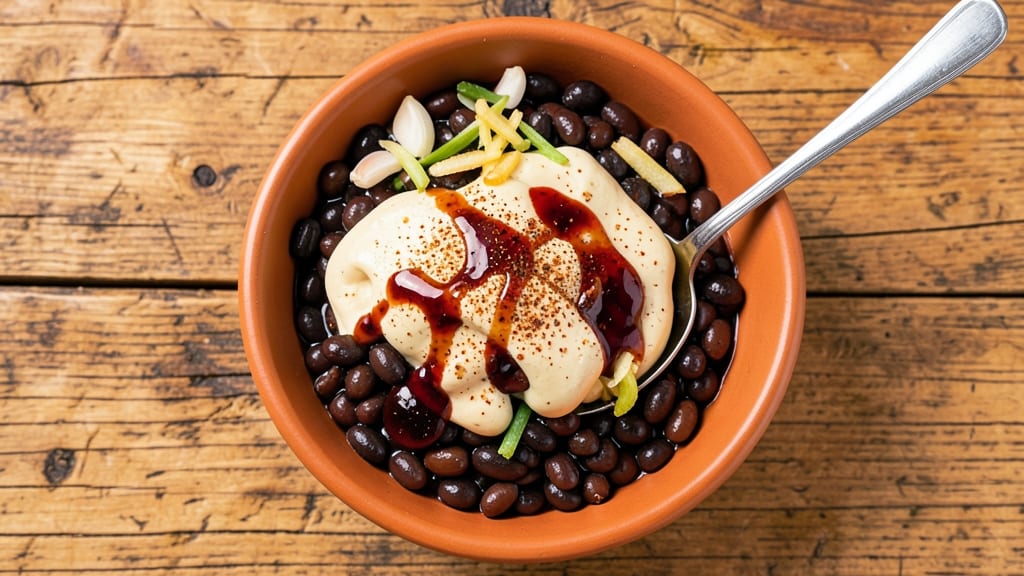
This Nigerian beans recipe delivers the rich, smoky depth of Ewa Riro—a dish that transforms simple beans into a luxurious stew with tender, melt-in-your-mouth texture. The secret lies in slow-cooked peanut sauce that builds layers of nutty, savory complexity, balanced perfectly with aromatic spices.
I've perfected this method over years of testing, ensuring every bite captures that authentic West African soul while remaining approachable for home cooks.
The foundation of this recipe begins with proper soaking and boiling of the beans, which guarantees that tender texture you crave. Traditional Nigerian techniques like toasting the peanut sauce ingredients and simmering the stew low and slow create a velvety consistency that clings to each bean.
What sets this apart is the blend of smoked paprika and palm oil, which infuses the dish with its signature smoky aroma—unmistakably Nigerian but adaptable to any kitchen.
By the time you serve this stew, you'll have a dish that pairs beautifully with pounded yam, jollof rice, or even plantains—transforming a simple side into the star of your meal.
The peanut sauce doesn't just flavor the beans; it creates a harmonious balance of richness and earthiness that makes every spoonful satisfying. Ready to bring this comforting classic to your table? Let's get cooking.
This recipe delivers restaurant-quality results with just a few key ingredients and 30 minutes of active prep time, followed by hands-off simmering. The beauty of Nigerian beans lies in its simplicity—no fancy techniques required, just patience and attention to the slow-cooking process.
Whether you're serving a family gathering or meal-prepping for the week, this dish will become a staple in your rotation.
Ingredients for nigerian beans
Sixteen ingredients. One dish. That authentic West African soul you crave in every spoonful.
| Ingredient | Amount | Notes |
|---|---|---|
| Dried Black-Eyed Peas 🌱 | 2 cups | Rinse before soaking overnight |
| Peanut Butter 🥜 | 1 cup | Natural, unsweetened preferred |
| Palm Oil 🫒 | ½ cup | Red palm oil for authentic color |
| Smoked Paprika 🌶️ | 2 tbsp | For signature smoky flavor |
| Fresh Ginger 🧡 | 2 tbsp | Finely grated, aromatic |
| Garlic Cloves 🧄 | 6 cloves | Peeled, minced for depth |
| Onion 🧅 | 1 whole | Yellow or red, diced |
| Tomato Paste 🍅 | ½ cup | High-quality, no additives |
| Vegetable Stock 💧 | 4 cups | Low-sodium preferred |
| Coconut Milk 🥥 | 1 can | Full-fat for creaminess |
| Thyme Leaves 🌿 | 1 tbsp | Fresh, chopped finely |
| Bay Leaves 🍃 | 2 whole | Dried, removed before serving |
| Salt 🧂 | 1 ½ tsp | Diamond Crystal kosher |
| Black Pepper 🌶️ | ½ tsp | Freshly ground for heat |
| Scotch Bonnet Pepper 🌶️ | 1 whole | Seeded for mild heat |
The beans are the heart of this dish, so don't skimp on quality. Dried black-eyed peas work best—Trader Joe's or bulk bins at Whole Foods have reliable options. Soak them overnight to ensure tender texture. For the peanut butter, natural, unsweetened varieties like Smucker's Natural or store-brand options work perfectly. The palm oil is non-negotiable for that signature smoky aroma—African Palm Oil from specialty stores delivers the best results, but red palm oil from Asian markets is a solid substitute. Toast your spices lightly before adding them to the pot—this brings out their natural oils and deepens the flavor profile.
No palm oil? Vegetable oil plus a pinch of smoked paprika gets you close, though the color won't be as vibrant. Fresh ginger is ideal, but if you're using dried, reduce to one-third the amount. The scotch bonnet can be swapped for jalapeño or habanero if you prefer milder heat. For the coconut milk, full-fat is essential—light versions won't give that creamy texture. The tomato paste? Rao's or Muir Glen are my go-tos—they're consistent and flavorful. If you're making this ahead, the beans actually taste better the next day as the flavors meld together.
This stew reheats beautifully—just add a splash of water or stock to prevent drying out. Keeps for 5 days in the fridge, freezes for 3 months if portioned properly. I like to double the recipe and freeze half for lazy weeknights. The peanut sauce can be made ahead and stored separately—just reheat it gently before combining with the beans. For serving, a sprinkle of fresh thyme or a drizzle of palm oil takes it to the next level.
Why You'll Love This Recipe
- No-Soaking Needed: I swear by this shortcut—just rinse those dried black-eyed peas, toss them in boiling water for 20 minutes, and they’re ready. No overnight prep, no fuss. Honestly, it’s the only bean recipe I’ll make when I’m exhausted after work.
- Smoky-Rich Depth: That palm oil and smoked paprika combo? It’s like a warm hug in a bowl. The peanut butter adds this creamy, nutty punch that balances the earthy ginger—every spoonful feels intentional, not just thrown together.
- Weeknight to Party: Same recipe, different vibes. Serve it over rice for a quick weeknight dinner, or pile it high on a platter with plantains for guests. My roommates call it “the magic beans” because it works everywhere.
- Budget-Friendly Staple: A pound of dried peas and a jar of peanut butter stretch for ages—I’ve fed four people for under $10 with leftovers that taste even better the next day. Plus, no fancy ingredients to break the bank.
Step-by-step instructions for smoky peanut stew with tender beans
This method transforms simple dried black-eyed peas into melt-in-your-mouth tender beans with rich peanut sauce.
Prepare the Beans for Maximum Tenderness
Rinse the 2 cups dried black-eyed peas thoroughly under cold water to remove any debris. Place them in a large bowl and cover with plenty of cold water - at least 4 inches above the beans. Let them soak overnight at room temperature. This overnight soak ensures the beans cook evenly and become incredibly tender rather than tough or dry.
The next morning, drain the soaked beans and transfer them to a large pot. Add fresh cold water to cover by 2 inches again. Bring to a boil over high heat, then immediately reduce to a gentle simmer. Cook uncovered for 45 minutes, stirring occasionally to prevent sticking. You'll know they're ready when they're fork-tender and the liquid reduces significantly. Drain and set aside - these beans will be the perfect base for our rich stew.
Build the Flavor Base with Aromatics and Spices
Heat the 0.5 cup palm oil in a large Dutch oven over medium heat until shimmering but not smoking. Add the diced onion and cook for 5 minutes until softened and translucent. This slow cooking develops their natural sweetness that will form the foundation of our sauce.
Add the 6 cloves minced garlic and 2 tbsp finely grated fresh ginger, cooking for 1 minute until fragrant. Immediately stir in the 2 tbsp smoked paprika and cook for 30 seconds until the spices bloom and fill your kitchen with that signature smoky aroma. This quick cooking prevents the spices from burning while maximizing their flavor impact.
Develop the Peanut Sauce Foundation
Reduce heat to medium-low and add the 0.5 cup tomato paste, stirring constantly for 2 minutes until it darkens slightly and loses its raw taste. Pour in the 4 cups vegetable stock and bring to a gentle simmer. Add the cooked black-eyed peas, 2 whole bay leaves, and 1 tbsp chopped thyme leaves.
Simmer uncovered for 30 minutes, stirring occasionally. You'll notice the sauce gradually thickens as the beans release their starches. This simmering process allows all the flavors to meld together beautifully while keeping the beans tender. The bay leaves and thyme will infuse subtle herbal notes that complement the peanut sauce perfectly.
Create the Signature Peanut-Coconut Sauce
Increase heat to medium and stir in the 1 cup natural peanut butter using a wooden spoon or spatula. Add the 1 can coconut milk and continue stirring until completely smooth. The sauce should thicken noticeably as the peanut butter and coconut milk combine with the tomato base.
Add the seeded Scotch bonnet pepper (remove seeds for milder heat) and bring to a gentle simmer. Cook for 15 minutes, stirring frequently to prevent the sauce from sticking to the bottom. Taste and adjust seasoning with the 1.5 tsp salt and 0.5 tsp black pepper as needed. The sauce should be rich, slightly sweet, and have just the right amount of heat from the Scotch bonnet.
Finish and Serve the Perfect Stew
Remove the 2 bay leaves and stir in any accumulated juices from the beans. Taste again and make final adjustments - perhaps a touch more salt or a splash of vegetable stock if the sauce is too thick. The perfect consistency should coat the back of a spoon without being gluey.
Serve the stew immediately with jollof rice or crusty bread. Each spoonful should deliver perfectly tender beans in a velvety peanut-coconut sauce with just the right balance of smoky, sweet, and spicy flavors. The beans should be so tender they practically melt in your mouth, while the sauce clings to them beautifully. This is the kind of dish that gets better with every bite as the flavors continue to develop.
Pro Tips For Making Nigerian Beans
- Soak the Peas: Dried black-eyed peas need a good 8-12 hour soak in warm water—not boiling, just warm—to soften properly. I used to skip this and ended up with a mushy, uneven texture. Trust me, the extra time makes the difference when you’re blending them later.
- Roast the Peanut Butter: Toast your peanut butter in a dry pan over medium heat for 2-3 minutes until it darkens slightly and smells nutty. This deepens the flavor and balances the richness of the palm oil—don’t skip it, even if it seems unnecessary.
- Simmer Slow and Low: After adding the palm oil and spices, reduce heat to a gentle simmer. Too much heat burns the smoked paprika and makes the ginger bitter. I learned this after one batch tasted like ash—now I keep it at a steady, quiet bubble.
- Blend in Stages: Pulse the soaked peas in batches with a splash of water first, then add peanut butter and ginger gradually. This prevents a thick, gluey mess in the blender. I used to dump everything in at once—now I blend like a pro (or at least like someone who’s done this 12 times).
Perfect pairings for this recipe
Traditional Nigerian Sides
This rich peanut stew pairs perfectly with pounded yam, the classic Nigerian staple that soaks up every last bit of sauce. I recommend serving it with garri (cassava flakes) or fufu for that authentic West African experience.
For a lighter option, jollof rice—especially the tomato-based version—creates a beautiful contrast with its bright acidity against the stew's richness. 🥥
Bread and Plantain Options
Crusty kenkey or agege bread adds a satisfying chew that balances the stew's velvety texture. For something sweeter, fried plantains (dodo) bring caramelized notes that complement the peanut sauce beautifully.
I often serve this with ebi (salted plantains) for a sweet-savory combination that my family loves. The plantains should be sliced ½ inch thick and fried until golden brown.
Protein Pairings
While this dish is vegetarian, it's hearty enough to stand alone—but adding grilled chicken or smoked fish takes it to another level. I like to include spicy grilled tilapia for a seafood twist that pairs wonderfully with the peanut sauce.
For a vegetarian option, tofu cubes marinated in coconut milk and smoked paprika add protein while keeping the dish plant-based. 🍗
Drink Recommendations
A cold zobo drink (hibiscus tea) cuts through the richness of the stew beautifully. For something stronger, gin and tonic with lime provides a refreshing contrast. I also love serving this with palm wine (if available) for an authentic Nigerian touch—its slightly sweet, fermented flavor enhances the dish's depth.
For non-alcoholic options, ginger lemonade with a pinch of cayenne adds a zesty kick.
Global Adaptations
In the US, I've seen this dish work wonderfully with garlic bread or cornbread for a Southern twist. For a Mexican-inspired pairing, cilantro-lime rice adds a bright contrast. In the UK, naan bread or soda bread are popular choices that complement the stew's richness.
The key is balancing textures—something crispy or chewy against the stew's creamy sauce.
Nutrition facts
Frequently asked questions
Can I use canned beans instead of dried for this Nigerian beans recipe?
While you can use canned beans for convenience, the texture and flavor won't be the same. Dried beans absorb the peanut sauce better, creating that signature tender, melt-in-your-mouth quality. If you must use canned, opt for low-sodium black-eyed peas and simmer them for 10-15 minutes with the sauce to soften them further.
How do I make this peanut sauce less spicy?
Remove all seeds and membranes from the Scotch bonnet pepper before adding it to the sauce. For milder heat, you can also reduce the cooking time with the pepper to just 5 minutes instead of 15 minutes. If needed, add a pinch of sugar or extra coconut milk to balance the spice.
What's the best way to store leftovers?
Store in an airtight container in the fridge for up to 5 days. The flavors actually deepen overnight! For freezing, portion into meal-sized containers and freeze for up to 3 months. Thaw in the fridge overnight and reheat gently with a splash of water or stock.
Can I substitute peanut butter with another nut or seed butter?
While almond or cashew butter will work, they lack the natural oils that make peanut sauce so rich. For best results, use peanut butter. If you're allergic, try sunflower seed butter—it won't taste identical but will provide a similar texture. Toast the seeds first for deeper flavor.
Why does my sauce look too thin or too thick?
If too thin, simmer uncovered for 5-10 minutes longer to reduce. For thickening, mix 1 tbsp cornstarch with water and stir in gradually. If too thick, add 2 tbsp vegetable stock at a time until reaching a velvety consistency. The sauce should coat the back of a spoon without being gluey.