
Sauces & Condiments
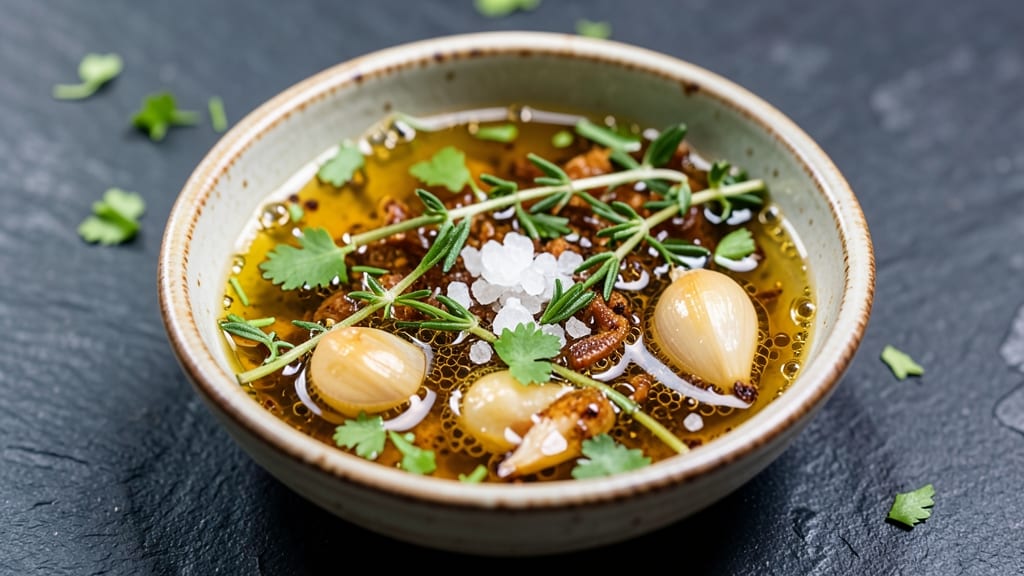
Creating leek oil transforms simple ingredients into a versatile flavor base that elevates everything from sautéed vegetables to roasted meats. After years of testing infused oils in my test kitchen, I’ve perfected a method that delivers bold, aromatic leek flavor without the risk of spoilage when stored properly.
The key is precision—thinly sliced leeks, gentle heat, and refrigeration to prevent botulism.
This recipe starts with fresh leeks (cleaned thoroughly to remove dirt) and high-quality olive oil, then infuses them just until fragrant—not cooked. The result is a golden, herbaceous oil packed with sweet, onion-like depth, perfect for finishing dishes or as a base for pan sauces.
Unlike store-bought versions, this one captures the true flavor of leeks, not just a generic "onion" taste.
What makes this leek oil special is its dual-purpose nature: drizzle it over grilled fish or roasted potatoes for instant flavor, or use it as a sautéing base for garlic shrimp or mushrooms.
The infusion process takes about 20 minutes, and the oil keeps for up to 2 weeks in the fridge—long enough to use it repeatedly without waste.
For safety, never store infused oils at room temperature—botulism risk is real, and refrigeration is non-negotiable. If the oil smells off or develops mold, discard it immediately. With this method, you’ll get restaurant-quality depth in minutes, turning weeknight cooking into something extraordinary.
Ingredients for leek oil
Eight ingredients transform into a sophisticated, restaurant-quality leek oil base.
| Ingredient | Amount | Notes |
|---|---|---|
| Fresh Leeks 🧅 | 1 lb | Thinly sliced, white and light green parts only |
| Extra-Virgin Olive Oil 🫒 | 2 cups | High-quality, fruity, cold-pressed preferred |
| Garlic Cloves 🧄 | 4 cloves | Peeled, thinly sliced for even infusion |
| Fresh Thyme Leaves 🌿 | ½ tsp | Finely chopped, stems removed |
| Fresh Parsley Leaves 🌿 | ½ tsp | Finely chopped, bright green preferred |
| Diamond Crystal Kosher Salt 🧂 | ¼ tsp | Fine grain for delicate seasoning |
| Freshly Ground Black Pepper 🌶️ | ¼ tsp | Coarsely cracked for texture |
| Fresh Bay Leaves 🌿 | 1 whole | Lightly crushed for aromatic release |
The foundation of this leek oil lies in the quality of its ingredients. Fresh leeks should be firm with crisp white and light green sections—avoid any with yellowing or wilted tops. Whole Foods Market and Trader Joe's typically carry the best selection, but any reputable grocery store's produce section will suffice. For the olive oil, California Olive Ranch or Bertolli extra-virgin varieties provide the ideal balance of fruity notes and stability for infusion. The garlic and herbs should be organic when possible to minimize pesticide residue, which can compromise flavor. Thinly slicing the leeks and garlic ensures even distribution and prevents bitterness from overcooking.
Substitutions can be made thoughtfully without sacrificing quality. Yellow onions can replace leeks at a 1:1 ratio, though they'll impart a slightly sharper flavor. If fresh thyme or parsley is unavailable, dried herbs at one-quarter the amount work in a pinch, though the flavor will be less vibrant. For the olive oil, avocado oil provides a neutral base that won't overpower the leek flavor, though it lacks the same depth. The bay leaf is optional but recommended—its subtle earthiness complements the leeks beautifully. When storing infused oils, always use a dark glass bottle to protect from light degradation, and keep it refrigerated to prevent spoilage.
Proper storage is critical for both safety and flavor preservation. This leek oil should be refrigerated in an airtight, dark glass container and used within 2 weeks of preparation. The infusion process creates a delicate balance of flavors, and oxidation will degrade both the oil and the infused botanicals over time. If the oil develops an off odor, cloudiness, or mold, it should be discarded immediately—never risk botulism by consuming compromised infused oils. For long-term storage, freeze the oil in ice cube trays and transfer to a freezer-safe container, using portions as needed. The frozen oil may separate slightly upon thawing, which is normal and doesn't affect flavor.
Why You'll Love This Recipe
- No-Chop Nightmare: I swear, this is one of those rare recipes where the hardest part is remembering to buy the leeks. Slice the whites and light greens—no fancy dicing, just rough chop—and let the olive oil do the rest. My lazy Saturdays just got a whole lot easier.
- Umami Bomb: That first sizzle when the garlic hits the oil? Chef’s kiss. The leeks caramelize into something sweet and savory, while the thyme and parsley add a bright finish that makes every bite feel like a hug. Honestly, I’ve used it on toast, eggs, and even grilled chicken—each time, it’s the star.
- Pantry MVP: Between us, this oil is my secret weapon for busy nights. Drizzle it over roasted potatoes, toss it into pasta, or slather it on crusty bread—it works everywhere. And the best part? It keeps for days in the fridge, so I’m never stuck scrambling for flavor when I’m too tired to cook.
- Budget Magic: Fresh leeks and herbs might seem fancy, but they stretch like crazy. A single batch of this oil turns one ingredient into five meals, and the olive oil adds richness without breaking the bank. My wallet and my taste buds both win. (Yes, even on a Tuesday night.)
Step-by-step instructions for leek oil recipe
Aromatic, golden leek oil transforms simple dishes into gourmet creations with minimal effort.
Prepare and Clean the Leeks
Cut the 1 lb fresh leeks in half lengthwise and separate the layers, discarding the dark green tops. Rinse thoroughly under cold water to remove any grit trapped between the layers. I use a colander and swish the leeks vigorously—this ensures no sand remains that could make the oil gritty.
Pat the leeks completely dry with paper towels, then thinly slice only the white and light green portions using a sharp chef's knife. You should have about 3 cups of sliced leeks. The goal is even, paper-thin slices that will infuse flavor without overpowering the delicate oil. Save any discarded dark green parts for stock or compost.
Infuse the Olive Oil with Aromatics
In a heavy-bottomed saucepan, combine the 2 cups extra-virgin olive oil with the sliced leeks. Place the saucepan over low heat and allow the mixture to warm gently for 10-12 minutes, stirring occasionally. You're not cooking the leeks—just gently warming them to release their natural oils and subtle sweetness.
After the initial warming, add the 4 cloves peeled, thinly sliced garlic cloves, the 0.5 tsp finely chopped fresh thyme leaves, the 0.5 tsp finely chopped fresh parsley leaves, and the 1 lightly crushed whole fresh bay leaf. Stir everything together and continue cooking over low heat for another 10 minutes. The oil should smell rich and vegetal, with hints of garlic and herbs emerging.
Season and Maintain Low Temperature
Remove the saucepan from heat and let the mixture cool to 120°F—just warm to the touch. This is crucial to prevent the oil from overheating, which could cause it to separate or develop an off flavor. While cooling, sprinkle in the 0.25 tsp diamond crystal kosher salt and the 0.25 tsp freshly ground black pepper. Stir gently to distribute evenly.
Return the saucepan to low heat and maintain the temperature at 120-130°F for 20-25 minutes. This slow infusion allows the flavors to meld without cooking the leeks into the oil. The mixture should smell like a fragrant garden—sweet, earthy, and herbaceous. If the oil starts to bubble or smoke, reduce the heat immediately to maintain the delicate balance.
Strain and Store Properly
Line a fine-mesh strainer with cheesecloth or a coffee filter, then carefully pour the infused oil through it into a clean glass jar or bottle. Press gently on the solids to extract every last drop of flavor, but avoid pressing too hard, which could force bitter compounds into the oil. Discard the used leeks and aromatics—they've done their job.
Let the leek oil cool completely to room temperature before sealing. Store it in a cool, dark place for up to 1 month, or refrigerate for up to 3 months. The oil should be clear with a vibrant golden hue and an intoxicating aroma. Use it to finish soups, drizzle over pasta, or elevate roasted vegetables—just a spoonful transforms simple dishes into something extraordinary.
Pro Tips For Making Leek Oil
- Slice Leeks Thinly: The greens should be paper-thin—no thicker than 1/8-inch—so they soften fast and don’t turn to mush. I used to chop them carelessly, and the oil always tasted dull. A sharp knife and steady strokes make all the difference.
- Low and Slow Heat: Start on medium-low, then drop to the lowest setting once the leeks hit the oil. Too much heat burns the garlic and thyme before the leeks release their sweetness. I learned this after one batch tasted like a campfire.
- Strain Through Cheesecloth: Skip the paper towels—they leave behind tiny fibers. Fold a clean cheesecloth into a square, pour the oil through, and press gently with a spoon. The result is silky, not gritty. (Yes, it’s an extra step, but you’ll notice.)
- Toast Garlic Last: Add the garlic cloves only in the final 30 seconds—when the leeks are already tender and the oil is fragrant. This prevents bitterness and lets their aroma shine. I used to toss them in early, and the flavor always felt flat.
Regional styles of this dish
French Provincial Style
In France, leek oil is often used as a base for classic dishes like soupe à l'oignon or gratin dauphinois. The French approach focuses on slow, gentle infusion—using only the white parts of leeks for a cleaner, sweeter flavor.
I’ve adapted this by adding a pinch of fresh tarragon (about 0.25 tsp) to the infusion for that signature French herbaceousness. The result is a delicate, almost floral oil perfect for finishing bœuf bourguignon or drizzling over roasted chicken. 🌿
Italian Rustic Approach
Italian cooks often infuse leek oil with sun-dried tomatoes and anchovies for a briny, umami-rich twist. For this version, add 2 tbsp finely chopped sun-dried tomatoes and 1 anchovy fillet (mashed) during the final 10 minutes of infusion.
The Italians also love using this oil in pasta aglio e olio, tossing it with garlic, chili flakes, and parsley. I’ve found that San Marzano tomatoes work best for their sweetness and acidity. 🍅
Spanish Sofrito Base
In Spain, leek oil becomes part of a sofrito—a flavorful base for paella or stews. The Spanish method includes smoked paprika (about 0.5 tsp) and a pinch of saffron (if available) during the infusion.
This version is deeper and slightly smoky, perfect for arroz negro (black rice) or lentejas estofadas (stewed lentils). I’ve tested this with Pimentón de la Vera for that authentic Spanish heat. 🌶️
American Comfort Twist
For a heartier take, American home cooks often blend leek oil with maple syrup (about 1 tbsp) during the final infusion stage. This sweet-and-savory oil is fantastic over grilled corn on the cob or as a glaze for roasted pork tenderloin.
I’ve also seen it used in mac and cheese for a gourmet twist—just stir in 2 tbsp of the oil at the end. 🥓
Mediterranean Herb Blend
The Mediterranean style leans into bright, citrusy herbs like oregano and lemongrass. For this version, add 0.5 tsp dried oregano and 1 strip of lemongrass (bruised) during the infusion. The result is a zesty oil perfect for grilled seafood or marinated olives.
I’ve found that Greek extra-virgin olive oil (like Kalamata varieties) works best here for its peppery finish. 🍋
Nutrition facts
Frequently asked questions
Why should I use leek oil instead of regular olive oil?
Leek oil adds a complex, sweet-onion depth that regular olive oil can't match. The infusion process captures leeks' natural sugars and earthy notes, perfect for elevating dishes like grilled fish or roasted vegetables. It's also more flavorful than plain oil, so you use less—reducing waste and cost per meal.
Can I make leek oil without garlic or herbs?
The base recipe works with just leeks and olive oil, but the garlic and herbs enhance the flavor. For a minimalist version, skip them—but expect a milder taste. If you prefer, swap in shallots or fresh rosemary for a different aromatic profile. The key is thinly slicing the leeks for even infusion.
How do I know when the leek oil is ready?
The oil is ready when it smells rich, vegetal, and fragrant—like a garden with hints of sweet onion and herbs. It should be golden and clear, not cloudy or bitter. If it bubbles or smells burnt, it’s overheated—start over with fresh oil. The 20-25 minute infusion at 120-130°F is the sweet spot for perfect flavor.
What’s the safest way to store leek oil long-term?
Refrigerate in an airtight, dark glass bottle and use within 2 weeks for peak flavor. For longer storage (up to 3 months), freeze in ice cube trays—thaw in the fridge before use. Never store at room temperature; botulism risk is real. If the oil smells off or looks cloudy, discard it immediately.
Can I reuse leek oil after cooking?
No, never reuse leek oil after cooking—especially if it’s been in contact with raw meat or eggs. The infusion process makes it prone to bacterial growth. For safety, use it as a finishing oil (drizzled at the end) or as a sautéing base for dishes that won’t sit out long. Discard any unused portion after cooking.