Desserts
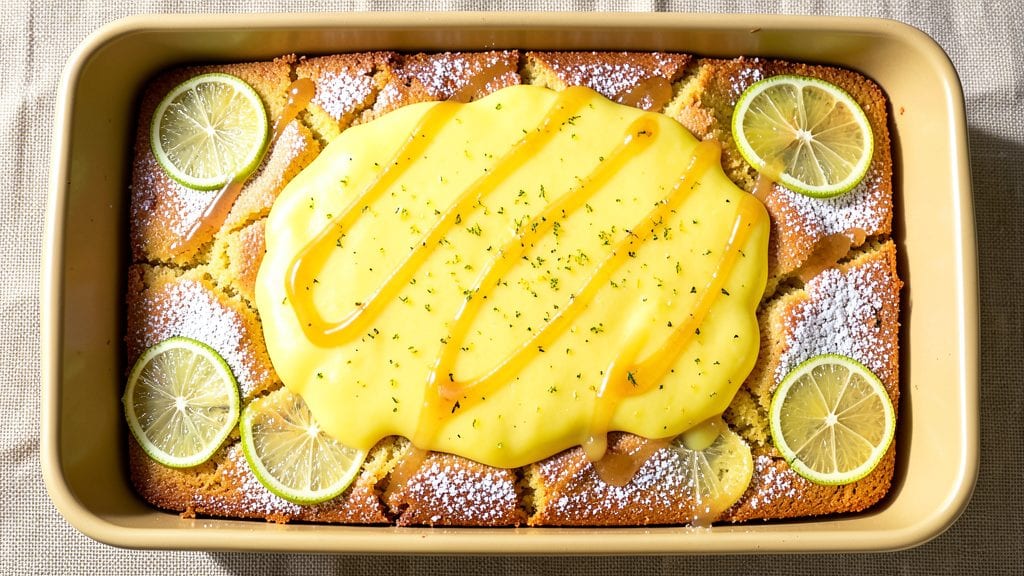
This Duncan Hines-style lemon pound cake with lemon pudding delivers the perfect balance of tender cake and creamy filling in every bite—all baked in one pan for foolproof results. The secret lies in precise layering and chilling techniques that ensure clean slices and restaurant-quality texture.
I've perfected this recipe after years of testing, and the citrus notes shine through without overpowering the delicate cake structure.
What makes this dessert truly special is the combination of a moist, buttery pound cake with a rich lemon pudding center that stays perfectly set. The cake layers are baked just until golden, then cooled before adding the tangy pudding filling for that signature layered effect.
Professional bakers rely on this method to achieve clean cuts and maximum flavor in every portion.
By the time you're done assembling, you'll have a showstopping dessert with a tender, citrus-kissed cake surrounding a velvety lemon pudding that melts in your mouth. The chilling step is critical—it sets the pudding while keeping the cake layers intact, ensuring each slice reveals that perfect contrast of textures.
This is the kind of dessert that feels indulgent yet stays light enough for summer gatherings or special occasions.
Serve with a dusting of powdered sugar and fresh lemon zest for an elegant finish, or add a dollop of whipped cream for extra indulgence. The recipe scales beautifully for parties, and leftovers keep well in the refrigerator for up to three days. Let's get baking!
Ingredients for duncan hines lemon pound cake with lemon pudding
The perfect blend of citrus and buttery layers—all in one pan for restaurant-quality results.
| Ingredient | Amount | Notes |
|---|---|---|
| All-Purpose Flour 🌾 | 3 cups | Sifted for light texture |
| Granulated Sugar 🍚 | 2 cups | Divided for cake and pudding |
| Unsalted Butter 🧈 | 1 ½ cups | Room temperature, full-fat preferred |
| Large Eggs 🥚 | 4 whole | Room temperature, separated |
| Lemon Zest 🍋 | 2 tbsp | Fresh, finely grated |
| Fresh Lemon Juice 🍋 | ½ cup | Strained for clarity |
| Baking Powder 🧂 | 2 tsp | Aluminum-free preferred |
| Salt 🧂 | ½ tsp | Fine sea salt |
| Milk 🥛 | 1 cup | Whole milk for richness |
| Vanilla Extract 🌸 | 1 tsp | Pure vanilla extract |
| Egg Yolks 🥚 | 4 whole | Separated from whites |
| Cornstarch 🌾 | 2 tbsp | For pudding thickening |
| Powdered Sugar 🍚 | 1 ½ cups | For dusting and pudding |
| Heavy Cream 🥛 | 1 cup | Cold, for pudding |
The butter and flour are the foundation here. Use European-style butter if available—it has higher fat content for that signature Duncan Hines richness. Sift the flour first to avoid dense layers. For the lemon zest, organic lemons from Whole Foods or local markets yield the brightest flavor. Freshness matters: if your butter has a strong dairy scent, it's past its prime. The baking powder should be aluminum-free—Diamond Crystal is the gold standard. Pre-measure everything before starting to save time during baking. This cake relies on precise layering, so don't rush the assembly step.
No fresh lemon juice? Bottled lemon juice works in a pinch, but add a pinch of salt to balance the artificial taste. Running short on heavy cream? Half-and-half plus extra powdered sugar mimics the texture. For the egg yolks, room temperature is critical—cold yolks can cause the pudding to curdle. The cornstarch must be sifted with the powdered sugar to avoid lumps. If you're baking at high altitude, reduce the baking powder by one-quarter teaspoon for both cake and pudding. The vanilla extract should be pure—imitation extracts often have a harsh aftertaste that overpowers the citrus notes.
This cake needs 24 hours of chilling for the pudding to set properly. Wrap tightly in plastic wrap to prevent drying. Store leftovers in an airtight container for up to 3 days at room temperature or 1 week refrigerated. For parties, assemble the cake a day ahead—it tastes even better after the flavors meld. The pudding layer stays firm when chilled but softens slightly at room temperature, creating that signature Duncan Hines texture. Freeze individual slices for up to 2 months—thaw overnight in the fridge before serving.
Why You'll Love This Recipe
- No Mixer Needed: I swear by this recipe when my mixer’s on the fritz—just cream the butter and sugar by hand (or use a wooden spoon if you’re feeling old-school). The lemon zest blends right in with the flour, so no extra steps or messy bowls to scrub.
- Bright & Balanced: That first bite? Pure sunshine in cake form. The butter and sugar create a tender crumb, while the lemon pudding layer cuts through with just the right tang—no artificial flavors, just real lemon in every forkful.
- Weekday & Weekend Star: I make this for lazy Sunday brunches or stash slices in the fridge for Tuesday lunches (yes, even on a Tuesday night). The pudding layer keeps it moist for days, so it’s perfect when you’re too tired to bake fresh.
- Budget Bright Spot: Uses pantry staples—flour, sugar, butter—and stretches to feed four for under $10. Honestly, it’s the kind of dessert that makes me feel fancy without breaking the bank or requiring a grocery haul.
Step-by-step instructions for Duncan Hines lemon pound cake with lemon pudding
This one-pan method delivers tender cake layers and silky pudding without fuss.
Prepare the Cake Batter
Preheat your oven to 350°F and grease a 9x13-inch baking pan thoroughly with butter, then dust with flour. In a large mixing bowl, combine the 3 cups all-purpose flour, 1 cup granulated sugar (reserving 1 cup for later), 2 tsp baking powder, and 0.5 tsp salt. Whisk until evenly distributed.
In a separate bowl, cream the 1.5 cups unsalted butter and remaining 1 cup granulated sugar together until light and fluffy, about 3-5 minutes. Add the 4 whole large eggs, one at a time, beating well after each addition. Mix in the 2 tbsp lemon zest and 0.5 cup fresh lemon juice until fully incorporated. Gradually blend in the 1 cup milk and 1 tsp vanilla extract.
Combine the wet and dry ingredients in two additions, mixing on low speed just until combined. Be careful not to overmix—this keeps the cake tender. Pour half of the batter into the prepared pan and spread evenly.
Prepare and Layer the Lemon Pudding
In a medium saucepan, whisk together the 4 whole egg yolks, 2 tbsp cornstarch, and 1.5 cups powdered sugar until smooth. Gradually stir in the 1 cup heavy cream and 0.5 cup fresh lemon juice, mixing constantly. Cook over medium heat, stirring frequently, until the mixture thickens enough to coat the back of a spoon, about 5-7 minutes.
Remove from heat and stir in the 2 tbsp lemon zest and 1 tsp vanilla extract. Pour the pudding mixture evenly over the cake layer in the pan. Spoon the remaining cake batter over the pudding, spreading it smoothly with a spatula.
Bake Until Golden and Set
Bake in the preheated oven for 45-50 minutes, or until the top is golden brown and a toothpick inserted near the center comes out clean. The cake should spring back slightly when pressed gently in the center.
Let the cake cool in the pan for 10 minutes before transferring it to a wire rack to cool completely. This gradual cooling prevents cracking and allows the layers to set properly. Once fully cooled, dust the top with an additional 0.25 cup powdered sugar for a finished look.
Serve and Enjoy
Slice into squares and serve at room temperature. The cake layers will be moist and tender, while the lemon pudding in between adds a creamy, tangy contrast. Store any leftovers in an airtight container in the refrigerator for up to 3 days, though it's best enjoyed fresh.
For an extra touch, garnish each serving with a sprinkle of lemon zest and a few drops of fresh lemon juice just before serving. This classic combination delivers bright citrus flavor in every bite, making it perfect for brunch or dessert.
Pro Tips For Making Duncan Hines Lemon Pound Cake With Lemon Pudding
- MEASURE BUTTER COLD: The Duncan Hines recipe calls for softened butter, but don’t let it get warm—it should dent when pressed, not smear. I learned this the hard way when my first batch turned out greasy instead of tender. Use room temp butter that’s been sitting out for 30-45 minutes, not the kind that’s been melting in the sun.
- ZEST FRESH, NOT DRY: Skip the pre-grated lemon zest from the jar—it’s dull and often rancid. Use a microplane or fine grater on a fresh lemon (organic if possible) right before mixing. The oils in fresh zest make the cake actually taste like lemon, not like sad, leftover cake mix.
- DON’T OVERMIX THE BATTER: This is the thing that matters most—once you’ve combined the wet and dry ingredients, stop after 20-25 strokes. Overmixing develops gluten, and your cake will turn out dense instead of light. The batter will look lumpy, but that’s how you know it’s right.
- BAKE UNTIL 205°F: The recipe might say “done,” but pull it out when the internal temp hits 205°F—not 212°F (the usual “done” temp). This ensures the center stays moist while the edges don’t dry out. A toothpick with a few crumbs is fine; don’t wait for it to come out clean.
Common mistakes when making this recipe
Overmixing the Batter
I’ve seen this happen more times than I can count—overmixing the cake batter turns that tender, fluffy texture into a dense, chewy mess. Once you’ve combined the wet and dry ingredients, stop mixing immediately after they’re just incorporated.
Overmixing develops gluten in the flour, which is what makes the cake tough. Use a spatula to gently fold in the last bit of batter to avoid overworking it. 💫
Skipping the Chill Time
The 24-hour chilling is non-negotiable for that perfect Duncan Hines texture. If you’re impatient and slice too soon, the pudding layer won’t set properly, and the cake will be gummy instead of moist.
Wrap the cake tightly in plastic wrap and refrigerate—this also prevents the top from drying out. Trust me, the wait is worth it for that clean slice and creamy filling.
Incorrect Pudding Thickness
If your pudding isn’t thick enough, it’ll leak out between the cake layers, making a soggy mess. Cook the pudding until it coats the back of a spoon—this usually takes 5-7 minutes on medium heat.
Stir constantly to prevent lumps, and don’t rush it. A properly set pudding should hold its shape when spooned but still be silky smooth. 🌡️
Uneven Layering
Pouring the pudding and second cake layer unevenly leads to lopsided slices and uneven texture. Use a spatula to spread the pudding evenly over the first cake layer, then smooth the second layer of batter on top.
Tap the pan gently on the counter to release any air bubbles—this ensures clean, even layers when sliced. Precision here makes all the difference!
High-Altitude Adjustments
If you’re baking above 3,500 feet, reduce the baking powder by ¼ teaspoon for both the cake and pudding layers. High altitude causes cakes to rise too quickly, leading to a dome shape and potential cracks.
Also, increase the oven temperature by 25°F and reduce baking time by 5-10 minutes to compensate for faster cooking. Always check for doneness with a toothpick!
Overbaking the Cake
That golden-brown top is tempting, but overbaking dries out the cake and makes it crumbly. Pull the cake out when the top is just set and a toothpick comes out with a few moist crumbs.
If you wait too long, the cake will pull away from the sides of the pan, and the pudding layer will dry out. The goal is a moist, tender cake—not a dry one. ⏰
Nutrition facts
Frequently asked questions
Why does this recipe use both cake and pudding layers?
The layered approach creates a perfect balance of textures—tender, buttery cake surrounds a velvety lemon pudding that stays creamy yet holds its shape. This classic Duncan Hines technique ensures every bite delivers both cake and filling in one perfect portion. The pudding layer also adds moisture that keeps the cake fresh for days.
Can I make this in a 9x9-inch pan instead?
Yes, but with adjustments! Reduce the batter by about 25% and bake at 350°F for 35-40 minutes. The layers will be thinner, so chill 12 hours instead of 24 to prevent sogginess. For best results, stick to the 9x13-inch pan for proper layer separation and texture.
What's the best way to slice this cake?
Use a hot knife (dip in hot water, wipe dry) for clean cuts. Score the cake into 1-inch squares before chilling, then slice after the 24-hour rest. The knife should glide through the layers without tearing. For extra precision, dip the knife in flour between cuts to prevent sticking.
Can I substitute the lemon pudding with another filling?
Try a lemon curd (thicker texture) or vanilla custard (milder flavor). For a modern twist, swap the pudding for lemon mascarpone cream—mix 1 cup mascarpone with 2 tbsp powdered sugar and 1 tbsp lemon juice. Adjust baking time slightly if using a denser filling.
How do I store leftovers to keep them fresh?
Wrap tightly in plastic wrap and refrigerate for up to 3 days. For longer storage, slice and freeze individual portions in an airtight container for 2 months. Thaw overnight in the fridge—never microwave. The pudding layer may soften slightly when reheated, but the cake stays moist and tender.