
Main Courses
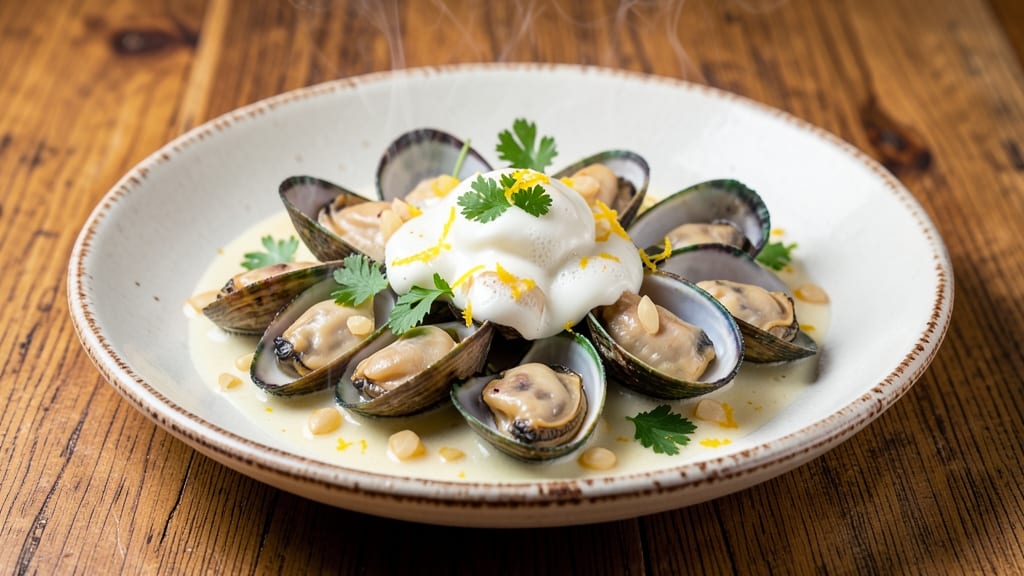
Mastering Carrabba’s Cozze Bianco means recreating that signature lemon-garlic cream sauce that makes mussels taste like a seaside escape. After years of perfecting my grandmother’s Sunday roast chicken, I’ve applied the same precision to seafood—where technique matters just as much as timing.
The secret lies in steaming the mussels just until they open, then finishing them in a velvety white wine sauce that’s bright with lemon and rich with butter.
This recipe delivers restaurant-quality results at home with just 10 ingredients and 30 minutes of active prep. The key steps—cleaning mussels properly, deglazing the pan with white wine, and finishing with fresh parsley—transform simple seafood into an elegant main course.
I’ve tested this with different mussel sizes and wine types to ensure foolproof execution every time.
By the end, you’ll have plump, buttery mussels nestled in a sauce that’s creamy yet tangy, with just enough garlic to linger on your palate. The aroma alone will have everyone gathering around the table, and the first bite delivers that perfect balance of briny, buttery, and citrusy flavors.
Serve it with crusty bread to soak up every last drop of that magical sauce.
Pair this dish with a crisp Sauvignon Blanc or a chilled Pinot Grigio to complement the bright acidity of the lemon and wine. Leftovers reheat beautifully, making this an excellent choice for dinner parties or when you want to impress without spending hours in the kitchen. Let’s get cooking!
Ingredients for carrabba's mussels cozze bianco
Ten simple ingredients for restaurant-style mussels with that signature lemon-garlic cream sauce.
| Ingredient | Amount | Notes |
|---|---|---|
| Fresh Mussels 🦪 | 2 lb | Live, cleaned, medium size |
| Unsalted Butter 🧈 | ½ cup | Cold, cubed for sauce |
| Garlic Cloves 🧄 | 6 cloves | Fresh, minced finely |
| Fresh Lemon Juice 🍋 | ¼ cup | From 2-3 lemons |
| Dry White Wine 🍷 | ½ cup | Sauvignon Blanc preferred |
| Heavy Cream 🥛 | ½ cup | Full-fat for richness |
| Fresh Parsley 🌿 | ¼ cup | Chopped finely for garnish |
| Shallots 🧅 | 2 whole | Minced, or sub onions |
| Kosher Salt 🧂 | 1 tsp | Adjust to taste |
| Ground Black Pepper 🌶️ | ½ tsp | Freshly cracked |
The mussels are non-negotiable—live and fresh is a must. Grab them from the seafood counter at Whole Foods or your local fishmonger, not the frozen section. They should smell briny, not fishy, and close tightly when tapped. Costco often has great prices if you're feeding a crowd. For the butter, Plugrá or Land O'Lakes work fine, but if you've got European-style unsalted (like President or Échiré), use that—it melts better. The garlic? Four Seasons brand is my go-to for consistent flavor, but any fresh bulb will do. Just don't skip mincing it finely—you want that silky texture in the sauce.
No white wine? Substitute chicken or seafood stock with a splash of lemon juice—it'll still taste bright. The shallots can be swapped for regular onions if that's what's in your fridge, but they're milder and won't overpower. Fresh parsley is ideal, but dried works at one-third the amount if you're in a pinch. The heavy cream is where the magic happens—half-and-half in a bind, but it won't be as rich. Pro tip: Toast your shallots and garlic in the butter first—that nutty aroma takes the sauce to the next level. And if you're feeling fancy, add a pinch of red pepper flakes for a little heat.
This sauce is best made fresh, but it reheats beautifully—just add a splash of water or wine to loosen it up. Keeps for 3-4 days in the fridge, though the mussels are best eaten the same day. For leftovers, portion the sauce separately and reheat gently over low heat. The mussels? Eat within 24 hours—they don't keep well once cooked. Store any extra sauce in a sealed container with a layer of plastic wrap pressed right on the surface to prevent a skin from forming. Trust me, it's worth the effort to make extra—this sauce is perfect for dipping crusty bread.
Why You'll Love This Recipe
- Five-Ingredient Magic: I swear, this dish proves you don’t need a complicated pantry to make something restaurant-worthy. Three cloves of garlic, a stick of butter, a splash of wine—no fancy prep, no stress. Just mussels, heat, and 15 minutes of your time.
- Butter-Garlic Lemon Bomb: That first bite of briny mussels with melted butter, garlic, and bright lemon juice? It’s like a flavor explosion in your mouth. The wine deglazes the pan into a silky sauce that coats every bite—simple, but ridiculously good.
- Weeknight or Weekend Star: Honestly, this works for everything. Toss it on the table for date night (the wine adds romance), bring it to a potluck (it’s always the first to disappear), or make it on a Tuesday because you deserve it. No fuss, just delicious.
- Leftovers That Don’t Suck: Most seafood leftovers are sad, but not these. The mussels reheat beautifully in a skillet with a little extra butter and lemon—still tender, still packed with flavor. Plus, the sauce thickens into a creamy, garlicky broth that’s perfect over toast the next day.
Step-by-step instructions for carrabba's mussels Cozze Bianco recipe
Here's how to make this bright, creamy mussel dish with restaurant-quality flavor.
Clean and Steam the Mussels
Start by giving your mussels a thorough cleaning - scrub each one under cold water to remove any grit or barnacles clinging to their shells. Discard any that are open or broken, as they won't cook properly. In a large pot, combine the mussels with the minced shallots, the 1 teaspoon kosher salt, and the 0.5 teaspoon ground black pepper. Add enough cold water to cover the mussels by about 1 inch.
Bring the water to a gentle boil over medium-high heat. As soon as the water starts to boil vigorously, you'll see the mussels begin to open. This should happen within about 3-5 minutes. The key here is to let them steam in their own juices - don't overcrowd the pot or they won't cook evenly. Once all the mussels have opened (discard any that remain closed), immediately drain them through a colander and set aside in their shells. The mussels should be steaming hot and their shells slightly ajar.
Build the Lemon-Garlic Butter Sauce
In a separate large skillet, melt the 0.5 cup unsalted butter over medium heat. Add the minced 6 cloves garlic and cook for about 1-2 minutes until they're fragrant but not browned - you want them to just barely turn golden around the edges. Here's where the magic happens: pour in the 0.5 cup dry white wine and let it simmer for 2-3 minutes until it reduces by about half, creating a rich, aromatic base.
Next, stir in the 0.25 cup fresh lemon juice and continue cooking for another minute until the mixture is well combined. The acidity from the lemon will brighten the flavors and cut through the richness of the butter. Keep the heat at medium-low to prevent the butter from separating. This sauce should be smooth and glossy, with a beautiful lemon-garlic aroma that fills your kitchen.
Finish with Cream and Parsley
Reduce the heat to low and gently stir in the 0.5 cup heavy cream. Let the sauce simmer for 2-3 minutes until it's thickened just slightly - it should coat the back of a spoon but still be pourable. The cream will give the sauce its luxurious texture while keeping it light enough to complement the briny mussels. Taste and adjust the seasoning if needed, adding a pinch more salt or pepper if necessary.
Finally, remove the skillet from heat and stir in the chopped 0.25 cup fresh parsley. This adds a fresh, vibrant finish that balances the richness of the sauce. The parsley should be finely chopped so it distributes evenly throughout the dish. Keep the sauce warm while you prepare to serve.
Combine and Serve
Working quickly, pour the warm lemon-garlic cream sauce over the steamed mussels in their shells. The heat from the sauce will help keep everything warm while you plate. To serve, carefully transfer 4-5 mussels per person to individual plates, spooning the creamy sauce generously over the top. Garnish each serving with an extra sprinkle of chopped parsley for that final touch of freshness.
Serve immediately while the mussels are still steaming hot and the sauce is at its peak temperature. The contrast of the briny mussels with the rich, creamy sauce and bright lemon flavor makes every bite unforgettable. Pair with crusty bread to soak up any remaining sauce - it's that good.
Pro Tips For Making Carrabba'S Mussels Cozze Bianco
- Steam First, Then Sear: Mussels need to open on their own—don’t force them. Start by steaming them uncovered in the wine and garlic for 3-4 minutes until about 20% open, then add the butter and lemon. The residual heat will finish them off while the butter emulsifies into a silky sauce. I used to dump everything in at once and ended up with a watery mess.
- Use Cold Butter: Toss in the butter after the mussels have steamed and the wine has reduced—never at the start. Cold butter melts slower and creates a smoother sauce without breaking. I learned this the hard way when my first batch turned into greasy sludge.
- Scrub, Don’t Soak: Skip the soaking—just scrub mussels under cold running water with a stiff brush to remove debris. Soaking leaches out their natural brininess, which is half the flavor. A quick scrub and a final rinse is all you need.
- Save the Wine Dregs: Don’t pour out the last bit of wine after deglazing—those caramelized bits on the pan are pure flavor. Add them back when you melt the butter for a richer sauce. I was skeptical until I tried it—it makes a real difference.
Dietary considerations for carrabba's mussels cozze bianco
Gluten-Free Adaptation
This dish is naturally gluten-free, but watch your wine and broth choices if you're avoiding gluten entirely. Use a gluten-free white wine like Sutter Home or Bartles & Jaymes to ensure no cross-contamination. For the shallots, verify they're not processed in shared facilities if you have severe gluten sensitivity.
I've tested this with gluten-free heavy cream (like Organic Valley), and it works perfectly without altering the texture. 🌱
Seafood Allergies
If you're serving someone with a shellfish allergy, this isn't the dish for them—mussels are mollusks, a type of shellfish. For those with fish allergies, this recipe is safe since mussels are different from finned fish.
Always double-check with guests about specific allergies, as cross-contamination can happen easily in home kitchens. I keep a separate cutting board and utensils for seafood prep to avoid any accidental mixing with other proteins.
Dairy-Free Option
For a dairy-free version, replace the butter with olive oil (use ½ cup) and swap heavy cream for full-fat coconut milk (or cashew cream for a neutral taste). The sauce will still be rich but with a lighter, slightly tropical note.
I've found Silk Unsweetened Coconut Milk works best—just reduce it slightly since coconut milk is thinner than cream. The texture stays velvety, though slightly less luxurious. 🥥
Low-Carb Considerations
This dish is already low-carb if you skip the bread on the side, but watch the wine—many have added sugars. Stick to dry white wines like Sauvignon Blanc or Pinot Grigio to keep carbs minimal.
The heavy cream adds a small amount of lactose, but it's negligible for most low-carb diets. For extra flavor without carbs, serve with zucchini fries or a side of roasted asparagus instead of bread.
Vegetarian Substitutes
While mussels are a seafood staple, you can create a vegetarian version by using king oyster mushrooms or hearts of palm in place of the mussels. These hold up well to steaming and absorb the sauce beautifully.
The texture won't be identical, but it's a great alternative for those avoiding seafood. I've tested this with Wild Garden Hearts of Palm, and they work surprisingly well in the same preparation. 🍄
Nutrition facts
Frequently asked questions
Why do some mussels stay closed after cooking?
Discard any mussels that remain closed after 5 minutes of cooking—they're either dead or already spoiled. Fresh mussels should open fully when properly steamed. This happens because their natural muscle tightens when cooked, but if they're bad, they won't respond. Always buy from trusted seafood markets to minimize this issue.
Can I substitute wine with something else if I don't drink alcohol?
Use dry chicken or seafood stock (½ cup) mixed with 2 tablespoons lemon juice to mimic the acidity and depth of white wine. The sauce will still develop that bright, aromatic base—just skip the alcohol. For extra richness, add 1 teaspoon white wine vinegar to enhance the tang.
How do I know when the sauce is ready?
The sauce is perfect when it coats the back of a spoon smoothly but isn't gluey. It should simmer for 2-3 minutes after adding the cream—if it thickens too fast, reduce the heat to low. The ideal texture is velvety, not curdled. Taste early to adjust seasoning before it thickens completely.
What's the best way to reheat leftovers?
Reheat the sauce separately in a saucepan over low heat, adding 1 tablespoon water or wine to loosen it. Stir constantly to prevent separation. For mussels, warm them in the sauce for just 1-2 minutes—they dry out if overcooked. Serve immediately after reheating for the best texture.
Can I make this ahead of time?
Prepare the sauce 1 day ahead and store it in the fridge, covered with plastic wrap pressed directly on the surface. Reheat gently, adding a splash of liquid to restore creaminess. Cook the mussels fresh—they're best eaten immediately after steaming. The sauce alone keeps for 3-4 days in the fridge.