
Main Courses
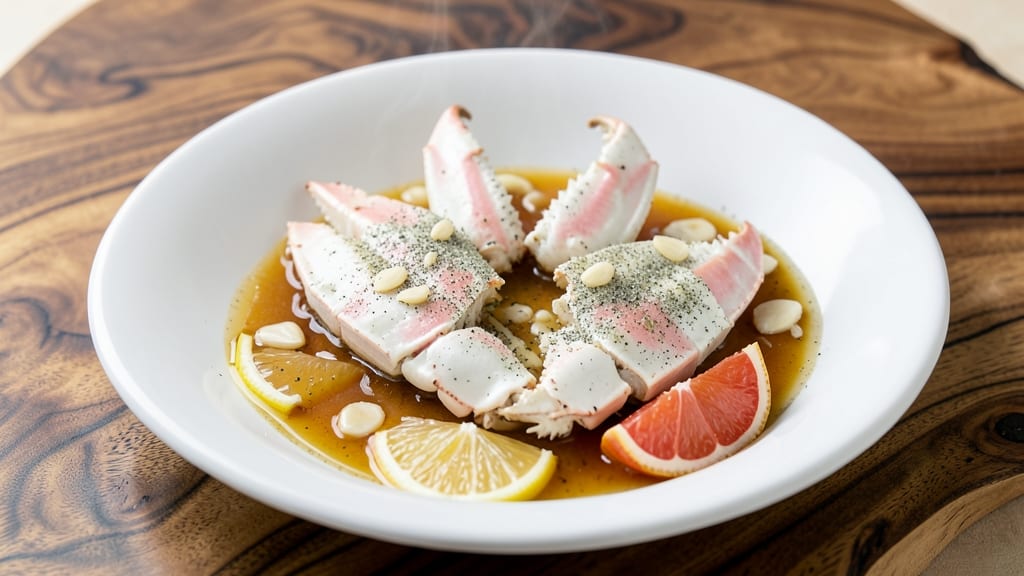
Boiling crab legs transforms them into a luxurious centerpiece that rivals any seafood restaurant—buttery garlic drawbridge flavor makes all the difference. The key lies in using seafood stock and precise seasoning to create a rich, aromatic broth that infuses every tender bite.
I've perfected this technique after years of testing, ensuring the crab stays succulent while the broth becomes a flavorful complement.
This recipe delivers restaurant-quality results with just five simple ingredients and 20 minutes of active prep. The secret is starting with a hot, flavorful liquid base—simmering garlic, butter, and spices in the stock creates layers of aroma that elevate the crab.
We'll use drawbridge crab legs, which are pre-cooked but benefit from this re-boiling process to restore their natural sweetness and moisture.
By the end, you'll have tender, buttery crab legs swimming in a golden, garlicky broth that's perfect for serving family-style. The crab will separate cleanly at the knuckles, revealing plump, sweet meat with a perfectly balanced flavor profile.
This dish feels special enough for celebrations but simple enough for weeknight dinners—ideal for impressing guests without stress.
Serve with crusty bread for dipping or alongside lemon wedges to brighten each bite. The leftovers reheat beautifully, making this an excellent choice for meal prep or entertaining. Let's create a crab feast that feels like a gourmet experience without the fuss.
Ingredients for boil crab legs
Five essential ingredients transform frozen crab legs into restaurant-worthy elegance with minimal effort.
| Ingredient | Amount | Notes |
|---|---|---|
| Drawbridge Crab Legs 🦀 | 1 ½ lb | Pre-cooked, frozen or fresh |
| Unsalted Butter 🧈 | ½ cup | European-style preferred |
| Garlic Cloves 🧄 | 6 cloves | Freshly minced, peeled |
| Seafood Stock 💧 | 4 cups | Homemade or quality store-bought |
| Lemon Juice 🍋 | ¼ cup | Freshly squeezed, strained |
| Old Bay Seasoning 🌶️ | 1 tbsp | Classic blend for seafood |
| Bay Leaves 🍃 | 2 whole | Fresh or dried |
| Crusty French Bread 🍞 | 1 loaf | For serving, sliced |
The crab legs are the star, so prioritize quality—drawbridge legs from Whole Foods or local seafood markets offer the best texture. Thaw them overnight in the fridge for even cooking. European-style unsalted butter (like Plugrá) provides richer flavor than American brands. For the garlic, freshly minced is non-negotiable—pre-minced lacks aroma. Seafood stock should be homemade with fish heads if possible, but Gourmet Garden or Pacific Foods brands work well. The Old Bay seasoning should be freshly opened—old packets lose their signature kick.
No seafood stock? Clarified chicken stock in a pinch, though it lacks the briny depth. Substitute white wine for half the stock if you're feeling fancy—deglaze the pot after cooking. Fresh bay leaves add complexity, but dried at half the amount works if that's all you have. The lemon juice can be bottled in a squeeze, but fresh yields brighter acidity. For the bread, baguettes from a bakery stay crisp longer than store-bought. If you must use pre-sliced, toast it before serving to revive crispness.
Store any unused crab legs in an airtight container with a paper towel to absorb moisture—lasts 2 days in the fridge or 3 months frozen. The broth can be reheated gently, but it's best fresh. The bread should be wrapped in a cotton towel to maintain crispness for 2 days. Portion the crab into individual servings before freezing for effortless reheating—just plunge into boiling water for 30 seconds before serving.
Why You'll Love This Recipe
- Five-Ingredient Magic: I swear by this recipe—just crab legs, butter, garlic, stock, and lemon. That’s it. No fancy prep, no hidden steps, and the result? Buttery, garlicky perfection in under 20 minutes.
- Butter-Garlic Bliss: The moment those legs hit the simmering butter and garlic? Instant flavor explosion. The butter bastes the crab, the garlic infuses deep, and the lemon brightens it all—like a hug for your taste buds.
- Weeknight or Party Star: Same recipe works for a lazy Tuesday or a dinner party. Serve with toasted bread to soak up the stock, or let guests crack their own legs—it’s effortless but feels fancy.
- Leftovers? Better Than Fresh: Honestly, the second day is even better. The crab stays tender, the broth thickens into a rich sauce, and you’ve got a ready-to-eat lunch. Minimal effort, maximum reward.
Step-by-step instructions for boiled crab legs with buttery garlic flavor
Mastering this technique transforms simple steamed crab legs into a luxurious centerpiece dish.
Prepare the Crab Legs for Maximum Flavor
Thaw the 1.5 lb Drawbridge Crab Legs completely in the refrigerator overnight if frozen. For fresh legs, rinse them under cold water and pat dry thoroughly with paper towels—this step prevents excess moisture from diluting your flavorful broth. Using kitchen shears, carefully cut the rubber bands securing each leg and remove any packaging. Arrange them in a single layer on a baking sheet.
In a small bowl, combine 1 tbsp Old Bay Seasoning with 2 whole Bay Leaves, crushing the leaves lightly with the side of a knife to release their aromatic oils. Sprinkle this mixture evenly over the crab legs, pressing gently to ensure the seasoning adheres. Let them sit at room temperature for 15 minutes before cooking—this allows the spices to penetrate slightly and develop their flavor profile.
Build the Buttery Garlic Broth
In a large, heavy-bottomed pot with a lid, melt 0.5 cup Unsalted Butter over medium heat. Once the butter has completely melted and begins to foam, add the 6 cloves Garlic Cloves that have been freshly minced. Cook for 1-2 minutes until the garlic becomes fragrant but doesn't brown—this prevents bitterness from developing. Immediately add 4 cups Seafood Stock and bring to a gentle simmer.
Add the 0.25 cup Lemon Juice and stir gently to combine. The acidity will brighten the flavor profile and help tenderize the crab meat slightly. The broth should be simmering at a steady 180-190°F—this is crucial for achieving perfectly cooked crab without overcooking. If you don't have a thermometer, look for small bubbles breaking the surface but not a rolling boil.
Steam the Crab Legs to Perfection
Place the prepared crab legs in a heatproof steamer basket or colander that fits snugly into your pot. Position the basket above the simmering broth—there should be 1-2 inches of space between the bottom of the basket and the liquid. Cover the pot tightly with the lid and steam for exactly 6-8 minutes. This timing ensures the crab is cooked through but remains tender and moist.
Watch closely during the last 2 minutes of steaming—when the crab legs are done, they'll open slightly and the meat will turn from opaque to a delicate pink hue. If you're unsure, cut into one leg to check for doneness. The meat should be fully opaque with no translucent areas, and it should flake easily with a fork. Overcooking by even 1 minute will result in rubbery texture.
Finish with Rich Butter and Serve Immediately
Remove the crab legs from the steamer and transfer them to a serving platter. Strain the broth through a fine-mesh sieve to remove any garlic particles or bay leaves, then return it to the pot. Reduce the heat to low and whisk in 2 tablespoons of the melted butter from the bottom of the pot—this adds depth of flavor. Pour this enriched broth over the crab legs just before serving.
Slice the 1 loaf Crusty French Bread into thick pieces and toast lightly in the oven until golden. Serve the crab legs immediately with the buttery garlic broth on the side and the toasted bread for dipping. The contrast between the tender crab, rich broth, and crusty bread creates a restaurant-quality dining experience at home.
Pro Tips For Making Boil Crab Legs
- Boil Stock First: Heat your seafood stock until it’s actually simmering—tiny bubbles at the edges—before adding the crab legs. Cold stock in hot water means uneven cooking, and you’ll end up with some legs overdone while others stay chilly inside. Trust me, that’s a waste of good crab.
- Mince Garlic Fine: Skip the rough chop—mince your garlic cloves into a paste with the flat side of your knife. It blends into the butter faster and infuses the stock better without leaving chunks that just sit there, looking sad and unused.
- Butter Last Minute: Add the unsalted butter right before the crab legs go in, not at the start. If you melt it too early, it’ll turn into greasy sludge instead of silky, flavor-packed sauce. The heat from the stock will make it sing—just don’t walk away.
- Test with a Fork: Pull one leg out at 6 minutes, crack it open, and check the meat. If it’s opaque and flakes easily, you’re good. If it’s still translucent, toss it back in for another 2–3 minutes. Overcooking turns crab legs into rubber—no one wants that.
Perfect pairings for this recipe
Buttery Garlic Broth
The star of this dish is the aromatic broth, where European-style unsalted butter and freshly minced garlic create an irresistible base. After simmering the garlic in butter for just 1-2 minutes, add 4 cups seafood stock and ¼ cup lemon juice to brighten the flavors.
This infusion transforms the crab legs into a luxurious bite with every tender pull. 💛
Crusty French Bread
No boiled crab legs are complete without a side of crusty French bread for dipping. I recommend a fresh baguette from a bakery—its crisp exterior and soft interior provide the perfect textural contrast.
Toast it lightly before serving to maintain its crunch. For extra flair, brush the toasted bread with garlic-infused olive oil before serving.
Lemon Wedge Garnish
Freshly squeezed lemon wedges add a zesty brightness that cuts through the richness of the butter and crab. Squeeze a wedge over each serving just before eating to enhance the natural sweetness of the crab meat.
The acidity also helps balance the garlicky broth, making every bite more vibrant. A simple but essential finishing touch!
Spicy Remoulade Dip
For a bold twist, serve alongside a spicy remoulade sauce made with ½ cup mayonnaise, 1 tbsp hot sauce, 1 tsp Worcestershire sauce, and 1 tsp Dijon mustard.
Mix in 1 chopped celery stalk and 1 tbsp chopped pickles for crunch. This creamy, tangy dip elevates the dish to a whole new level of flavor. 🌶️
Chilled White Wine
A crisp Sauvignon Blanc or Pinot Grigio complements the buttery, garlicky flavors perfectly. The acidity in these wines mirrors the lemon juice in the broth, cleansing your palate between each succulent bite. Chill to 45-50°F for optimal enjoyment. For a non-alcoholic option, try sparkling water with a splash of lemon.
Herbed Butter Drizzle
For an extra touch of elegance, prepare a simple herbed butter drizzle by mixing 2 tbsp softened butter with 1 tsp chopped parsley and ½ tsp chopped chives.
Drizzle over the crab legs just before serving to add a fresh, herbaceous note that pairs beautifully with the garlic. This garnish feels restaurant-worthy without extra effort. ✨
Nutrition facts
Frequently asked questions
Why do I need to thaw crab legs before boiling?
Thawing ensures even cooking and prevents cold spots that could make the crab rubbery. Frozen crab legs need to reach room temperature before boiling to absorb flavors properly. If rushed, they'll release excess moisture into the broth, diluting its rich garlic-butter taste. Always thaw overnight in the fridge for best results.
Can I use frozen crab legs directly without thawing?
Not recommended—it risks uneven cooking and watery texture. If absolutely necessary, submerge frozen legs in 160°F water for 5 minutes before transferring to the boiling broth. This partial thaw helps prevent cracking. For optimal results, always thaw completely first.
How do I know when the crab legs are fully cooked?
Look for these signs: the shell turns from opaque to a delicate pink, and the meat flakes easily with a fork. The legs should also open slightly at the knuckles. Cooking time is 6-8 minutes—overcooking by even 1 minute makes the meat tough. Use a meat thermometer for precision (145°F internal temp).
What can I substitute if I don't have seafood stock?
Use clarified chicken stock or a mix of white wine and water (1:1 ratio). For depth, add 1 tsp fish sauce to the broth. Avoid regular chicken stock—it lacks the briny notes that complement crab. The broth will still taste great but lose some seafood complexity.
How should I store leftovers?
Keep crab legs in an airtight container with a paper towel to absorb moisture. They'll stay fresh for 2 days in the fridge. For longer storage, freeze for up to 3 months. Reheat by plunging into 160°F water for 30 seconds—never microwave directly. The broth reheats well but tastes best fresh.