
Snacks
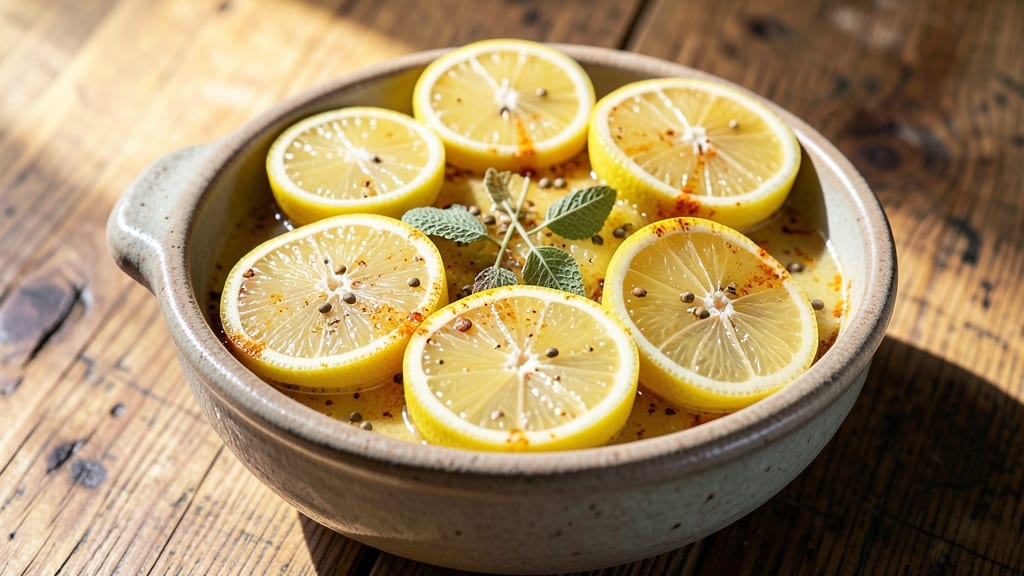
This boiled lemon pickle recipe transforms simple lemons into a vibrant, tangy condiment that elevates sandwiches, snacks, and more with its sharp, spiced brightness.
The process involves boiling lemons with vinegar, sugar, and a blend of warming spices like mustard seeds and turmeric, creating a flavor profile that’s both familiar and uniquely complex. I’ve perfected this method over years of testing—each batch delivers that signature crunch and zing that makes every bite unforgettable.
The key to success lies in the sterilization and boiling process, which preserves the pickles for months while intensifying their flavor. This isn’t just a condiment; it’s a versatile pantry staple that adds depth to everything from sandwiches and salads to grilled meats and cheeses.
The spices—mustard seeds, fenugreek, and turmeric—create a subtle warmth that balances the lemon’s acidity, making it irresistible.
What you’ll end up with is a jar of golden, glossy pickles with a satisfying crunch and a burst of tangy, spiced flavor in every bite. The vinegar base ensures they stay fresh for months, while the sugar and spices create a perfect harmony of sweet, sour, and savory.
This recipe is foolproof and delivers restaurant-quality results at home, with minimal effort and maximum reward.
Whether you’re prepping for a picnic, stocking your pantry, or simply craving a tangy snack, these pickles are a game-changer. The process is straightforward, but the results are anything but ordinary—think of them as the secret weapon in your condiment collection. Let’s get started!
Ingredients for boiled lemon pickle
Twelve lemons, four cups vinegar, and a spice blend that turns ordinary into extraordinary.
| Ingredient | Amount | Notes |
|---|---|---|
| Lemons 🍋 | 12 whole | Organic, unblemished, medium size |
| White Vinegar 💧 | 4 cups | Distilled white vinegar preferred |
| Granulated Sugar 🍚 | 2 cups | White or brown sugar works |
| Mustard Seeds 🌶️ | 2 tbsp | Whole, yellow or brown |
| Turmeric Powder 🌿 | 1 tbsp | Bright yellow, fresh if possible |
| Fenugreek Seeds 🌶️ | 1 tbsp | Lightly toasted for aroma |
| Black Salt (Kala Namak) 🧂 | 1 tsp | Optional, adds sulfurous tang |
| Red Chili Flakes 🌶️ | 1 tsp | Adjust for heat preference |
| Bay Leaves 🍃 | 4 whole | Fresh or dried, removed later |
| Water 💧 | 1 cup | For sterilizing jars |
The lemons are the star here, so pick organic if you can—they’re less waxy and more flavorful. Trader Joe’s and Whole Foods usually have great organic lemons, but any medium-sized ones will work. Skip the ones with soft spots or bruises. The vinegar matters too—distilled white vinegar is the gold standard for pickling, but apple cider vinegar adds a nice fruity note if you prefer. For the spices, Penzeys Spices is my go-to for whole spices, but the bulk bins at most grocery stores work fine. Toast the fenugreek seeds lightly in a dry pan for about 30 seconds—they’ll smell amazing and add depth to the flavor.
No mustard seeds? Skip them or use 1 tsp ground mustard instead. Fresh turmeric? Grate it and use half the amount. The black salt is optional but adds a unique, slightly sulfurous kick—Indian grocery stores usually carry it. Chili flakes can be swapped for cayenne or red pepper flakes. The bay leaves? Dried is fine, but fresh has a more intense flavor. If you’re making a big batch, consider doubling the spices—they’ll keep for months, and you’ll thank yourself later when you’re adding zing to sandwiches or salads. The sugar can be swapped for honey if you prefer, but white or brown sugar works best for the classic tangy-sweet balance.
These pickles keep for 6-12 months in the fridge, so make a big batch. Sterilize your jars by boiling them in water for 10 minutes—don’t skip this step. Once cooled, pack the lemons tightly into the jars, pour in the hot vinegar-spice mixture, and seal while still warm. The pickles develop more flavor over time, so they taste even better after a few weeks. Store in a cool, dark place, and they’ll stay crisp and tangy for months. Portion into smaller jars for gifts—they’re always a hit!
Why You'll Love This Recipe
- Five-Ingredient Magic: I swear by this recipe because it’s the kind of thing you’ll make just to have on hand—no fancy techniques, no last-minute grocery runs. Mustard seeds and turmeric hit the pot first, then the lemons and vinegar do their thing in under 15 minutes. That’s it. No stress, no fuss, just pure convenience.
- Tangy-Sweet Crunch: Here’s what sold me—the balance. The sugar caramelizes just enough to make the vinegar’s sharpness sing, while the mustard seeds add this little pop that keeps you reaching for more. It’s not sweet, not sour, but that perfect in-between that makes you want to eat it straight from the jar.
- Party Pantry Hero: Between us, this is my go-to for gatherings. Slap it on sandwiches, mix it into deviled eggs, or just serve it as a snack with crackers. It’s the kind of thing that disappears fast—no one leaves a party without trying it, and honestly? That’s the best compliment.
- Lasts for Weeks: I make a big batch and forget about it until I need it. The vinegar and sugar preserve it beautifully, so it’s always ready when I crave that bright, zesty kick. Plus, lemons are cheap, and this recipe stretches one into something that feels luxurious. Budget win, flavor win.
Step-by-step instructions for boiled lemon pickle
Here's how to make this tangy, aromatic pickle that keeps beautifully for months.
Prepare the Lemons and Sterilize Jars
Wash the 12 whole lemons thoroughly under cool running water, then pat them completely dry. Using a sharp knife, slice off the tops and bottoms of each lemon to create flat surfaces—this ensures they stand upright in the jars. Cut each lemon in half crosswise, leaving the peel intact for maximum flavor.
While the lemons are prepped, sterilize your jars by filling them with the 1 cup of water and placing them in a large pot. Bring the water to a boil and simmer for 10 minutes to sanitize completely. This step prevents mold growth and keeps your pickles fresh longer. Keep the jars hot until you're ready to fill them.
Toast the Spices for Maximum Flavor
In a dry skillet over medium heat, toast the 2 tablespoons of mustard seeds for 2 minutes until they begin to pop and turn golden. Immediately transfer them to a small bowl to cool. Next, toast the 1 tablespoon of fenugreek seeds in the same skillet for 1 minute—they'll release an earthy aroma that's essential to this recipe.
In a separate bowl, mix the toasted mustard seeds, fenugreek seeds, 1 tablespoon of turmeric powder, 1 teaspoon of red chili flakes, and 1 teaspoon of black salt (kala namak). This spice blend is the heart of your pickle's flavor profile, so don't skip the toasting—it deepens the aroma significantly. Set aside until ready to use.
Simmer the Vinegar and Sugar Mixture
In a large saucepan, combine the 4 cups of white vinegar, 2 cups of granulated sugar, and the 4 whole bay leaves. Bring the mixture to a boil over medium-high heat, then reduce to medium-low heat and let it simmer for 15 minutes, stirring occasionally. You're looking for a clear, syrupy liquid that coats the back of a spoon.
The sugar should dissolve completely, and the mixture should have a rich, vinegary aroma. If you notice any undissolved sugar crystals, give it another minute of simmering—they'll melt into the liquid. Remove the bay leaves at this point, as they've served their purpose and will become bitter if left in too long.
Pack the Jars with Lemons and Spices
Working quickly, pack the sterilized jars with the lemon halves, standing them upright. Divide the spice mixture evenly among the jars, pressing it gently between the lemons to ensure each piece gets coated. Pour the hot vinegar-sugar mixture over the lemons, filling each jar to within ½ inch of the top.
Use a wooden spoon or spatula to press the lemons down slightly, releasing any air bubbles trapped between them. This ensures the pickles are fully submerged in the liquid, which prevents mold growth. The liquid should cover the lemons completely—they'll absorb some of the mixture as they pickle.
Seal and Process for Long-Term Storage
Wipe the rims of the jars with a clean, damp cloth to remove any residue, then seal them tightly with lids. Place the jars in a large pot, ensuring they're upright and not touching each other. Pour enough hot water into the pot to come at least 1 inch above the tops of the jars.
Bring the water to a boil over medium-high heat, then process the jars for 10 minutes. This step ensures the pickles are properly sterilized and sealed for long-term storage. Remove the jars from the pot and let them cool completely on a wire rack. Once cooled, check that the lids are sealed by pressing down on the center—they shouldn't pop back up.
The pickles will be ready to enjoy after 3 days of refrigeration, but their flavor continues to develop over time. They'll keep in the refrigerator for up to 6 months, making them perfect for gifting or storing for future use. The lemons will be bright yellow with a crisp texture and a tangy, slightly sweet flavor that's perfect for sandwiches, snacks, or as a palate cleanser.
Pro Tips For Making Boiled Lemon Pickle
- Boil the Vinegar First: Skip adding vinegar straight away—heat it alone for 2-3 minutes until it shimmers. This drives off the harshest acid smell and lets the sugar dissolve faster. I used to ignore this, and my pickles always tasted sharp and unfinished.
- Use Whole Mustard Seeds: Crush them lightly with the back of a spoon—just enough to break the outer shell. Whole seeds pop dramatically, but crushed ones release their flavor faster. Over-crushing? You’ll get bitterness instead of that classic tangy crunch.
- Peel the Lemons Roughly: Don’t fuss with a peeler—grab a paring knife and slice off strips of peel with a thin layer of pith. The pith adds bitterness that balances the sweetness, and it’s way faster than peeling perfectly. (Yes, even if it looks uneven.)
- Let It Cool Before Sealing: Wait at least 10 minutes after removing from heat before transferring to jars. Hot vinegar creates a vacuum seal too quickly, trapping moisture and making the pickles soggy. Patience here means crisp lemons for weeks.
Flavor customization for this dish
Sweet Heat Balance
Adjust the sugar-to-vinegar ratio to control sweetness. For extra tang, reduce sugar to 1½ cups and add ½ tsp citric acid (available at baking stores) to intensify the sour kick.
If you prefer sweeter pickles, increase sugar to 2½ cups and reduce vinegar by ½ cup. I’ve found that 1:1 sugar-to-vinegar ratio works perfectly for a balanced flavor. 💛
Spice Level Control
Customize heat by adjusting chili flakes or adding other spices. For mild heat, reduce red chili flakes to ½ tsp and add ½ tsp ground coriander for warmth. For extra kick, swap chili flakes with 1 tsp cayenne pepper or 1 tbsp finely chopped fresh green chilies.
Toasting the spices longer (up to 3 minutes) deepens their aroma without adding heat.
Herbal Infusions
Experiment with fresh herbs for unique twists. Add 2 sprigs fresh mint or 1 tbsp chopped cilantro to the vinegar mixture for a refreshing herbal note. For a smoky flavor, include 1 tsp smoked paprika or 2-3 cloves garlic (lightly crushed) in the spice blend.
Remove herbs before sealing jars to avoid bitterness. 🌿
Fruit Variations
Swap lemons for other citrus or fruits to create new condiments. Try 12 small limes for a sharper tang or 6 large oranges (peeled and sliced) for a sweeter profile.
For a tropical twist, use 8-10 key limes and add 1 tsp grated ginger to the spice mix. Adjust sugar and vinegar ratios based on the fruit’s natural sweetness.
Global Spice Blends
Inspired by regional cuisines, swap the spice blend for cultural flavors. For a Thai-inspired version, use 1 tbsp coriander seeds, ½ tsp cumin, and ½ tsp white pepper. For a Mediterranean twist, add 1 tsp dried oregano and ½ tsp fennel seeds.
Toast each spice separately for maximum depth. These variations pair beautifully with grilled meats or flatbreads.
Texture Enhancements
Add crunch or creaminess to elevate your pickles. Tuck 1 tbsp whole peppercorns or ½ cup thinly sliced shallots into jars for texture. For a creamy element, include 2 tbsp grated coconut (toasted for extra flavor) or 1 tbsp raisins in each jar.
These additions work especially well in salads or as sandwich toppings.
Nutrition facts
Frequently asked questions
Why do I need to sterilize the jars for this lemon pickle?
Sterilizing jars prevents mold and bacteria growth, which can ruin your pickles. The 10-minute boiling kills any microbes on the glass and lids, ensuring your boiled lemon preserve stays fresh for months. Without this step, even with vinegar, spoilage can occur.
Can I use bottled lemon juice instead of whole lemons?
No, whole lemons are essential—their peels and pulp create the signature texture and flavor. Bottled juice lacks the natural oils and fiber that make these pickles crisp and aromatic. For a similar effect, try 12 small limes instead, but adjust the sugar slightly since limes are more acidic.
How do I know when the pickles are ready to eat?
They’re ready after 3 days of refrigeration, but flavor peaks after 2-3 weeks. The lemons should be bright yellow, firm, and infused with the spice blend. Taste one—if the tang balances the sweetness perfectly, they’re done!
What if my pickles turn cloudy or moldy?
Cloudiness is normal after opening, but mold means spoilage. If mold appears, discard the jar immediately—vinegar alone isn’t enough to prevent contamination if jars weren’t properly sterilized. Always check seals before storing and use clean utensils when serving.
Can I make this recipe with fewer lemons?
Yes, but scale all ingredients proportionally. For 6 lemons, use 2 cups vinegar, 1 cup sugar, and halve the spices. Keep the sugar-to-vinegar ratio 1:1 for balance. Smaller batches work in pint jars, but ensure they’re fully submerged in liquid.