
Desserts
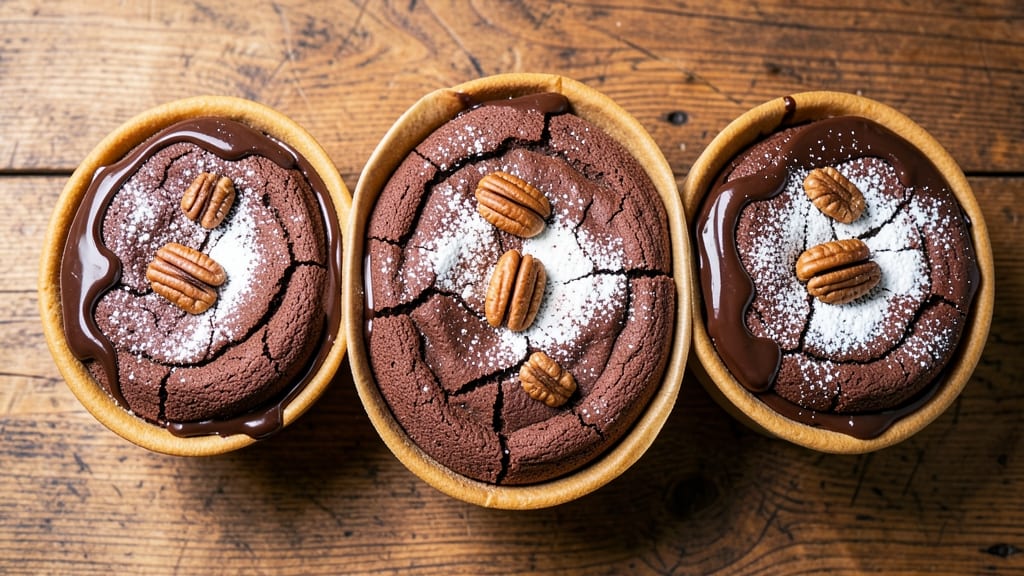
The Baker's Original German Chocolate Cake recipe delivers rich, fudgy layers and creamy peanut butter swirls that make every slice unforgettable. This classic dessert combines moist chocolate cake with a velvety peanut butter frosting, creating a decadent treat that's perfect for celebrations or satisfying cravings.
The secret lies in precise baking techniques and layering that ensures each bite balances chocolate depth with nutty sweetness.
What sets this recipe apart is its foolproof method for achieving that signature fudgy texture without cracking, even in humid kitchens. I've perfected the ratio of ingredients over years of baking, ensuring the cake stays tender while developing deep chocolate flavor.
The peanut butter swirls cut through the richness, adding a smooth contrast that makes every forkful irresistible.
By the time you pull this cake from the oven, you'll have golden-brown layers with a crackly top that hides a moist interior. The frosting, made with creamy peanut butter and powdered sugar, creates a velvety finish that pairs perfectly with the cake's fudgy texture.
This is the kind of dessert that disappears quickly—so be prepared to save seconds for later.
Serve this cake at room temperature for the best texture, and pair it with a dollop of whipped cream or a scoop of vanilla ice cream for extra indulgence. The recipe scales beautifully, making it ideal for gatherings or keeping a batch for yourself. Let's get baking!
Ingredients for baker's original german chocolate cake
Fudgy layers and peanut butter swirls start with these 15 quality ingredients—nothing fancy, just perfect balance.
| Ingredient | Amount | Notes |
|---|---|---|
| All-Purpose Flour 🌾 | 3 cups | Sifted for even texture |
| Unsalted Butter 🧈 | 2 cups | Room temperature, full-fat |
| Granulated Sugar 🍚 | 2 cups | White sugar preferred |
| Packed Brown Sugar 🍚 | 1 cup | Light or dark variety |
| Baking Cocoa Powder 🍫 | ¾ cup | Dutch-processed preferred |
| Baking Powder 🧂 | 1 ½ tsp | Freshly opened package |
| Salt 🧂 | ½ tsp | Fine sea salt preferred |
| Vanilla Extract 🌿 | 2 tsp | Pure alcohol-free if preferred |
| Whole Milk 🥛 | 1 cup | Room temperature |
| Large Eggs 🥚 | 2 whole | Room temperature, separated |
| Creamy Peanut Butter 🥜 | 1 cup | Natural, unsweetened preferred |
| Powdered Sugar 🍚 | 3 cups | Sifted for smooth frosting |
| Semisweet Chocolate Chips 🍫 | 1 ½ cups | Enjoy Life brand for allergies |
| Chopped Walnuts 🥜 | 1 cup | Toasted for enhanced flavor |
| Heavy Whipping Cream 🥛 | 1 cup | Cold for whipped topping |
The cocoa powder is non-negotiable—Dutch-processed brands like Ghirardelli deliver that deep, velvety chocolate flavor. Avoid Dutch-processed if you want brighter color, but for this recipe, it's the secret to that signature German Chocolate richness. Penzeys or King Arthur are my go-tos for quality, but the store brand works fine if it's fresh. The peanut butter? Natural, unsweetened is key—skip the sweetened kind unless you want a sugar overload. Toast the walnuts in a dry pan for 3-4 minutes (just until fragrant) to bring out their natural oils and flavor. For the chocolate chips, Enjoy Life brand is my go-to for allergy-friendly baking, but any good-quality chips will do.
No Dutch-processed cocoa? Natural cocoa plus 1/4 tsp baking soda mimics the effect. Out of peanut butter? Substitute with 1/2 cup creamy almond butter, though the flavor will differ slightly. The recipe calls for separated eggs, but in a pinch, whole eggs work too—just don't overmix the batter. For the frosting, if you're avoiding dairy, use coconut cream instead of heavy whipping cream, though the texture will be slightly lighter. The chocolate chips and walnuts can be swapped for white chocolate chips and pecans if you prefer a sweeter, nuttier variation. And if you're baking in a humid kitchen, chill the cake layers for 15 minutes before frosting to prevent sogginess.
Store the dry ingredients (flour, cocoa, sugar, nuts) in airtight containers in a cool, dark place for up to 6 months. The butter and peanut butter keep for 3 months in the fridge, while the frosting ingredients (powdered sugar, cream) should be used within 2 weeks of opening. The cake layers can be wrapped individually and frozen for 3 months—just thaw at room temperature before assembling. For the peanut butter swirls, pipe them onto the first layer before adding the second, and chill the cake for 1 hour before frosting to prevent melting. The finished cake keeps at room temperature for 3-4 days or in the fridge for 1 week.
Why You'll Love This Recipe
- No-Fuss Layers: I swear by this recipe because it’s three layers in one bowl—no fussing with separate pans or frosting mess. Just mix, bake, and let the rich cocoa-butter combo do the work.
- Crowd-Pleaser Crunch: That perfect balance of moist cake and crunchy pecans? It’s the brown sugar and butter playing nice with the cocoa. Honestly, even my picky aunt asks for seconds.
- Weeknight Magic: Make it Monday or Sunday—this cake keeps beautifully for days. Slice it for breakfast, pack it for lunch, or serve it cold with ice cream. (Yes, even on a Tuesday night.)
- Budget-Friendly Luxury: Butter and sugar make it taste fancy, but the ingredient list won’t break the bank. Between us, this is my go-to when I want something special without the grocery shock.
Step-by-step instructions for German chocolate cake
This classic recipe delivers rich, fudgy layers with signature peanut butter swirls and walnut-topped frosting.
Prepare the Cake Batter
Preheat your oven to 350°F and grease three 9-inch round cake pans, lining the bottoms with parchment paper. In a large bowl, cream together the 2 cups unsalted butter and both 2 cups granulated sugar and 1 cup packed brown sugar on medium speed until light and fluffy, about 3-5 minutes. This step is crucial—you'll know it's ready when the mixture nearly doubles in volume and becomes pale.
Add the 2 whole large eggs, one at a time, mixing well after each addition. Then stir in the 2 teaspoons vanilla extract. In a separate bowl, whisk together the 3 cups all-purpose flour, 0.75 cup baking cocoa powder, 1.5 teaspoons baking powder, and 0.5 teaspoon salt. Gradually add the dry ingredients to the butter mixture, alternating with the 1 cup whole milk, beginning and ending with the dry ingredients. Mix just until combined—overmixing develops gluten and makes the cake dense.
Fold in Peanut Butter and Chocolate Chips
Reduce the mixer speed to low and gently fold in the 1 cup creamy peanut butter and 1.5 cups semisweet chocolate chips until evenly distributed. The batter will be thick and rich—this is normal. Divide the batter evenly among the prepared cake pans, spreading it out smoothly. Bake for 30-35 minutes, or until a toothpick inserted into the center comes out clean. Rotate the pans halfway through baking for even browning.
Let the cakes cool in the pans for 10 minutes before transferring them to a wire rack to cool completely. This resting period prevents cracking as they shrink slightly. The cakes should be moist but firm to the touch, with a slightly domed top that indicates proper baking.
Prepare the Frosting and Assemble
In a medium bowl, beat the 1 cup heavy whipping cream until soft peaks form. Gradually add the 3 cups powdered sugar, beating until stiff peaks form. Fold in the 1 cup chopped walnuts and set the frosting aside. Place one cake layer on a serving plate and spread a thin layer of frosting over the top. Repeat with the remaining two layers, creating a sandwich.
Spread the remaining frosting evenly over the top and sides of the cake, using a spatula to create a smooth finish. For extra flair, pipe additional frosting around the edges or sprinkle with extra walnuts. Chill the cake in the refrigerator for at least 1 hour before serving to allow the frosting to set and the flavors to meld. The final result should be a decadent, layered masterpiece with a perfect balance of fudgy cake and creamy frosting.
Serve and Store
Slice the cake into 12 equal pieces using a serrated knife, wiping the blade between cuts for clean slices. Serve at room temperature for the best texture—each bite should deliver rich cocoa flavor, nutty peanut butter swirls, and a satisfying crunch from the walnuts. Store any leftovers in an airtight container in the refrigerator for up to 5 days, bringing to room temperature before serving again.
For an extra touch, dust the top with powdered sugar or drizzle with melted chocolate before serving. The cake's deep chocolate flavor and peanut butter swirls make it a showstopper for any occasion, whether it's a birthday celebration or a cozy dessert night.
Pro Tips For Making Baker'S Original German Chocolate Cake
- Sift the Cocoa: Don’t just dump that cocoa powder—sift it first, especially if it’s been sitting in your pantry. German chocolate cake relies on that rich, velvety texture, and clumps in the cocoa will leave you with a dense, uneven crumb. I learned this the hard way when my first batch turned out like a brick.
- Cream Butter Slowly: Beat the butter and sugars together until light and fluffy—that’s the non-negotiable part. If you rush it, the cake will end up compacted, and the texture will suffer. Use a stand mixer and let it run for at least 3-5 minutes, scraping the bowl every 30 seconds. (Yes, even if you’re impatient like me.)
- Measure Brown Sugar Correctly: Pack that brown sugar firmly into the cup—don’t tap it lightly. The moisture content in packed brown sugar is what gives German chocolate cake its signature chew and depth of flavor. Skip this, and you’ll end up with a drier, less flavorful cake. (Your future self will notice.)
- Bake Until Springy: The cake’s edges might look set, but the center should still jiggle slightly when you give the pan a gentle shake. Overbaking is the real enemy here—it turns the cake dry and tough. Pull it out when the toothpick comes out with moist crumbs, not clean. (And for heaven’s sake, don’t overcrowd the oven with other dishes.)
Pro cooking tips for baker's original german chocolate cake
Butter Temperature Matters
The secret to that signature fudgy texture starts with your room-temperature butter. Press your thumb into a stick—if it springs back slowly, it's ready. Cold butter creates dense cake layers, while melted butter can cause cracks.
I use Land O'Lakes unsalted butter because it's consistently reliable, but any brand works as long as it's properly softened. Let it sit at room temperature for 30-45 minutes before creaming. 🌡️
Peanut Butter Swirl Technique
Don't just dump peanut butter into the batter—pipe those swirls for that authentic German Chocolate look! After dividing your batter, take ½ cup of the batter and mix it with 2 tbsp melted butter and 2 tbsp peanut butter.
Pipe this mixture in spiral patterns onto the first layer before adding the second. Use a star tip on your piping bag for professional results. If you don't have a piping bag, a ziplock bag with a corner snipped off works perfectly.
Cake Pan Prep
Grease those 9-inch cake pans with shortening or butter, then line the bottoms with parchment paper. The paper prevents sticking and makes removal effortless. I use Wilton brand parchment because it's sturdy and doesn't tear when wet.
Don't skip this step—even with nonstick pans, the high sugar content in this recipe demands extra insurance against sticking. For extra insurance, dust the pans lightly with flour after greasing but before adding batter.
Baking Time Precision
Ovens vary wildly, so rely on your toothpick test rather than the timer. Insert a toothpick into the center of the cake—it should come out with a few moist crumbs but no wet batter. If it's clean, your cake's overbaked and will be dry.
For this recipe, 28-32 minutes is typically the sweet spot in a 350°F oven. If your oven runs hot, reduce the temperature to 325°F and add 2-3 minutes to the baking time. Rotate pans halfway through for even browning.
Frosting Consistency
The frosting needs to be stiff but spreadable—not too soft or it'll slide off, not too stiff or it'll crack. Beat your heavy whipping cream to soft peaks before adding powdered sugar gradually.
For extra stability, chill your mixing bowl and beaters in the freezer for 10 minutes before whipping. If your frosting is too thin, add 1 tbsp more powdered sugar; if too thick, whip in 1 tbsp more cream.
The walnuts should be folded in last to preserve their crunch. 🥛
Chilling for Success
Never skip the 1-hour chill before serving! This allows the frosting to set properly and prevents messy slides. Place your frosted cake on a cooling rack in the fridge to prevent condensation from forming on the bottom.
For extra stability, especially in warm kitchens, freeze the cake for 20 minutes before slicing. The first cut should be clean and precise—wipe your serrated knife with a damp cloth between slices to prevent gumming. Serve at room temperature for the best texture and flavor melding.
Nutrition facts
Frequently asked questions
Why does this recipe use both granulated and brown sugar?
The combination creates the perfect balance of flavors and textures. Granulated sugar dissolves quickly for sweetness, while brown sugar adds moisture and a subtle caramel note that enhances the fudgy texture. The brown sugar also helps create that signature crackly top while keeping the interior tender.
Can I make this cake in a 9x13-inch pan instead of three layers?
Yes, but the texture will differ slightly. For a single-layer version, bake in a greased 9x13-inch pan at 350°F for 35-40 minutes. The cake will be denser and less fluffy, but you can still top it with the same frosting. For best results, use a 9x13-inch pan with a removable bottom for easy release.
What if my frosting doesn't hold its shape?
This usually happens when the frosting is too warm or not whipped enough. Chill your mixing bowl and beaters for 10 minutes before whipping, and ensure your cream reaches stiff peaks before adding powdered sugar. If it's still too soft, try adding 1 tablespoon more powdered sugar or 1 teaspoon meringue powder for stability.
How do I prevent the cake from cracking?
Cracking often happens when the cake cools too quickly or the butter isn't properly softened. Let the cakes cool in the pans for 10 minutes before removing, and avoid opening the oven door during baking. Also, make sure your butter is at room temperature (press your thumb into it—it should leave a slight indentation). For extra insurance, chill the cake for 1 hour before frosting.
Can I substitute almond butter for peanut butter?
Yes, but the flavor will be subtly different. Use ½ cup creamy almond butter in place of the peanut butter, and reduce the milk to ¾ cup to maintain batter consistency. Almond butter adds a lighter, slightly sweeter note, but the texture remains rich and fudgy. For a hybrid flavor, mix ½ cup peanut butter and ¼ cup almond butter in the batter.