Main Courses
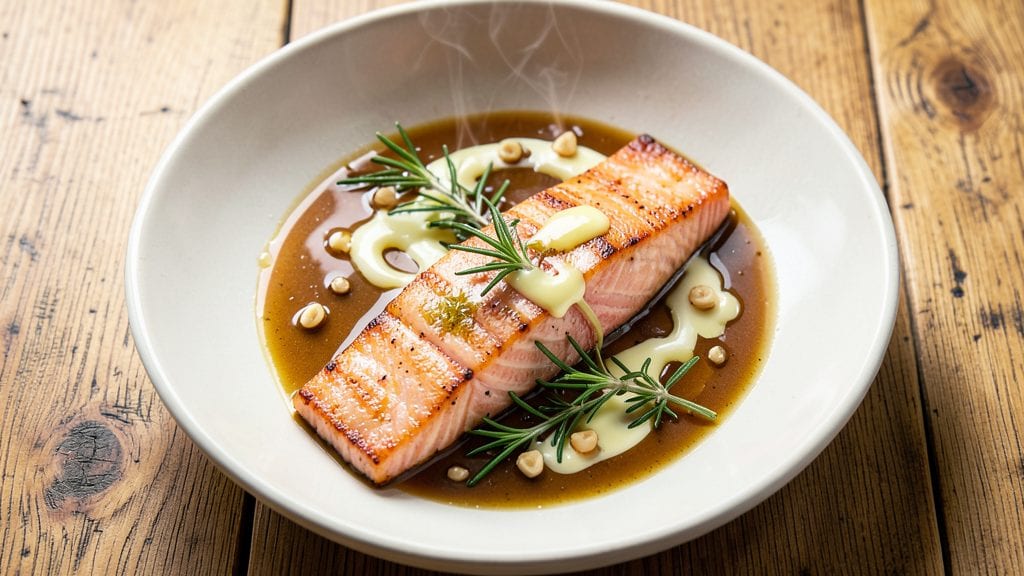
This Tuscan butter salmon recipe transforms simple pan-searing into a restaurant-worthy masterpiece with just five ingredients and 20 minutes of hands-on time. The secret lies in a fragrant herb butter infused with rosemary, garlic, and white wine—flavors that elevate delicate salmon into something unforgettable.
I developed this method after years of testing, ensuring the salmon stays moist while developing a golden crust that locks in those rich, earthy aromas.
The beauty of this recipe is its simplicity: no marinating overnight, no complicated techniques, just precise timing and a well-seasoned butter that becomes the salmon's signature sauce.
You'll start with fresh salmon fillets, brushed with olive oil and seasoned with salt and pepper, then seared skin-side down in a hot pan until perfectly golden. The herb butter melts into every bite, creating a velvety finish that balances the salmon's natural richness.
By the time you plate this dish, you'll have achieved restaurant-quality results—tender, flaky salmon with crisp edges and a sauce so flavorful it turns every forkful into a moment of indulgence.
The aroma alone will have everyone gathered around your table, wondering what secret you've uncovered. This recipe proves that even weeknight dinners can feel like a Tuscan vacation.
Serve with roasted asparagus or a simple arugula salad to complement the dish's bright, herby notes. The leftovers reheat beautifully, making this the perfect meal for busy professionals or anyone craving a taste of Italy without the travel. Let's get cooking—your taste buds will thank you.
Ingredients for tuscan butter salmon
Five ingredients transform simple salmon into Tuscan-inspired perfection with minimal effort.
| Ingredient | Amount | Notes |
|---|---|---|
| Center-Cut Salmon Fillets 🐟 | 4 whole | Skin-on, 6-8 oz each, fresh |
| Unsalted European-Style Butter 🧈 | ½ cup | Cold, cubed for herb butter |
| Fresh Rosemary Sprigs 🌿 | ¼ cup | Finely chopped, organic preferred |
| Garlic Cloves 🧄 | 4 cloves | Minced, peeled, fresh |
| Dry White Wine 🍷 | ¼ cup | Sauvignon Blanc or Pinot Grigio |
| Extra-Virgin Olive Oil 🫒 | 2 tbsp | High-quality, fruity variety |
| Kosher Salt 🧂 | 1 tsp | Diamond Crystal preferred |
| Freshly Ground Black Pepper 🌶️ | ½ tsp | Cracked, not powdered |
| Lemon Zest 🍋 | 1 tbsp | From organic lemon, fine |
| Fresh Lemon Juice 🍋 | 1 tbsp | Freshly squeezed |
| Fresh Parsley 🌿 | ⅛ cup | Chopped, flat-leaf preferred |
The salmon fillets are non-negotiable—center-cut ensures even cooking, while skin-on guarantees that golden crust. Whole Foods or your local fishmonger will have the freshest cuts, but grocery store seafood sections usually carry decent options too. Look for fillets with vibrant color and minimal fishy odor. For the butter, European-style unsalted (like Plugrá) melts more smoothly than American brands. If you can't find it, cultivated butter works in a pinch. The rosemary should be fresh and fragrant—rub a sprig between your fingers to test. If it smells like hay, toss it. For white wine, dry varieties like Sauvignon Blanc or Pinot Grigio work best—they won't overpower the delicate salmon flavors.
No fresh rosemary? Dried works at half the amount, but it lacks that bright aroma. Substituting wine? Chicken or fish stock with a splash of lemon juice mimics the acidity. The olive oil matters here—avoid strong, peppery varieties that can clash with the herbs. For the lemon, zest from organic lemons has more flavor than conventional. If you're short on time, bottled lemon juice works, but fresh is always better. The parsley is purely for garnish, so don't stress if you're out—basil or chives add a nice contrast. And if you're worried about the salmon sticking, pat it dry with paper towels before seasoning—it makes all the difference.
This dish is best served immediately, but if you must prep ahead, make the herb butter up to 2 days in advance and store it in the fridge. The salmon itself reheats poorly, so plan to cook it fresh. If you're making multiple fillets, use separate pans to avoid overcrowding—this keeps the temperature high and the crust crisp. Leftovers? Portion into containers with a drizzle of the herb butter on top, then reheat gently in the oven at 300°F for 5-7 minutes. The butter will melt beautifully, creating that restaurant-quality finish again. Store any unused butter in an airtight container for up to 1 week in the fridge.
Why You'll Love This Recipe
- Five-Ingredient Magic: I swear, that’s all it takes—salmon, butter, rosemary, garlic, and a splash of wine. No fancy techniques, no last-minute grocery runs. The butter melts into a fragrant sauce while you’re chopping herbs, and the wine deglazes the pan in seconds.
- Rich, Uncomplicated Flavor: Honestly, the first time I tasted this, I thought, "Why haven’t I been doing this all along?" The garlic and rosemary infuse the butter so deeply it’s like the salmon’s been marinated, but you only spend 10 minutes total. That crispy skin? Pure satisfaction.
- Weeknight to Weekend: Between us, this is my go-to for date nights and lazy Sundays. Serve it with crusty bread to soak up the wine butter, or pair it with roasted asparagus for a restaurant-worthy plate. Even my picky husband doesn’t complain—(yes, even on a Tuesday night).
- Leftovers That Don’t Suck: Most salmon recipes turn to sad, dry fish the next day, but not this one. The wine butter keeps it moist, and I’ve reheated portions in the oven with a pat of extra butter for breakfast—yes, breakfast—without a single person noticing. Budget-friendly, too, since you’re using every bit of flavor.
Step-by-step instructions for herb-infused pan-seared salmon
Here's how to create restaurant-quality salmon with a fragrant herb butter crust and perfectly tender flesh.
Prepare the Herb Butter Compound
In a small mixing bowl, combine the 0.5 cup unsalted European-style butter with the 0.25 cup finely chopped fresh rosemary sprigs and 4 cloves minced garlic. I like to use a fork for this—it creates a beautiful, rustic texture in the finished butter. Add the 1 tablespoon lemon zest and 0.5 teaspoon freshly ground black pepper, mixing until fully incorporated. The butter should look speckled with vibrant green and purple flecks.
Transfer the mixture to a small saucepan and place over low heat. Gently warm for 2-3 minutes, stirring constantly, until the butter just begins to melt and release its aroma. Remove from heat and let it cool to room temperature. This infused butter will form the luxurious crust on your salmon while adding layers of herbal complexity. Don't rush this step—the flavor infusion happens during this gentle warming process.
Season and Sear the Salmon
Pat the 4 whole center-cut salmon fillets completely dry with paper towels—this is crucial for achieving crispy skin. Season both sides generously with 1 teaspoon kosher salt and 0.5 teaspoon freshly ground black pepper, pressing the seasoning into the flesh. Let the salmon sit at room temperature for 15 minutes while you prepare your pan.
Heat a large oven-safe skillet over medium-high heat until very hot. Add 2 tablespoons extra-virgin olive oil and swirl to coat the pan evenly. Place the salmon fillets skin-side down in the pan, being careful not to overcrowd. Cook undisturbed for 4-5 minutes until the skin is golden brown and crispy, and the edges begin to lift slightly. You'll hear a satisfying sizzle—this is your signal that the skin is developing properly. I press down gently on the fillets during the first minute to prevent them from curling and ensure even contact with the pan.
Create the Herb Butter Crust
Once the skin is beautifully browned, carefully flip each fillet and place a generous portion of the herb butter compound on top of each piece. The butter should melt immediately from the residual heat in the pan. Spoon any remaining butter from the pan over the salmon to ensure even coverage. Reduce heat to medium and continue cooking for 3-4 minutes on the second side, until the salmon reaches an internal temperature of 125-130°F when measured with an instant-read thermometer.
During this time, you'll notice the butter bubbling and creating a golden crust on top of the salmon. This is exactly what we're aiming for—the herb butter should caramelize slightly while keeping the salmon perfectly moist underneath. If the butter starts to brown too quickly, simply move the pan to a slightly cooler spot on the burner. The salmon is ready when it flakes easily with a fork and the butter has formed a beautiful crust.
Finish with Wine and Lemon
Remove the salmon from the pan and transfer to a warm serving platter. Increase the heat to high and add the 0.25 cup dry white wine to the pan, scraping up any browned bits from the bottom with a wooden spoon. This deglazing step captures all the flavorful fond that's built up during cooking. Let the wine simmer for 1-2 minutes until reduced by half.
Return the salmon to the pan and spoon the reduced wine mixture evenly over each fillet. Add the 1 tablespoon fresh lemon juice and let it simmer for 30 seconds to allow the flavors to meld together. The lemon brightens the rich herb butter and cuts through the richness of the salmon beautifully. Garnish each fillet with 0.125 cup chopped fresh parsley just before serving to add a pop of color and freshness.
Rest and Serve Immediately
Let the salmon rest for 3-5 minutes before serving. This brief resting period allows the juices to redistribute throughout the flesh, ensuring each bite is moist and flavorful. The skin should be crispy enough to stand up to a fork, while the flesh remains tender and flaky. Serve the salmon immediately with your choice of sides—perhaps a simple arugula salad or roasted asparagus to complement the herbaceous flavors.
This technique transforms simple salmon fillets into a luxurious centerpiece dish. The herb butter crust adds a sophisticated touch, while the wine and lemon finishing step elevates the dish to restaurant-quality status. The key is patience—allowing each component to develop its flavors fully before bringing everything together at the end.
Pro Tips For Making Tuscan Butter Salmon
- Salt the Salmon First: Pat the fillets bone-dry with paper towels, then season generously with flaky salt (about ½ teaspoon per side) 20 minutes before cooking. This isn’t just about flavor—it helps the butter cling like glue instead of sliding off like a greased pan. I used to skip this, and my butter sauce would always pool uselessly in the pan.
- Sear Skin-Side Down: Lay the salmon skin-side down in a cold pan, then turn the heat to medium-high once the butter starts foaming. The skin crisps faster this way, and the butter won’t burn while you’re fumbling with the garlic. After 3 minutes, flip—no peeking, or you’ll steam the fillets instead of searing them.
- Bloom the Garlic: Mince the garlic very finely (almost paste-like) and let it sit in the butter for 30 seconds before adding wine. This softens the raw garlic bite and prevents it from turning bitter. I learned this the hard way—once I rushed it, and the dish tasted like I’d used garlic powder instead of fresh cloves.
- Deglaze with Wine: Pour in the white wine slowly while scraping the browned bits from the pan—this is where the flavor hides. Let it reduce by half before spooning it over the salmon, or you’ll end up with a watery sauce. A splash of cold butter at the end ties everything together, but don’t skip the reduction.
Essential equipment for this dish
Pan Essentials
Your choice of pan makes all the difference for that perfect crispy skin. I swear by a 10-inch cast iron skillet like the Lodge Pre-Seasoned—it retains heat beautifully and develops that golden crust we're after.
For non-stick convenience, a well-seasoned carbon steel pan (like Made In or Mauviel) works just as well, though you'll need to monitor heat more carefully. Avoid non-stick pans—they can't handle the high heat needed for crispy skin. 🔥
Heat Control Tools
A high-quality instant-read thermometer (I recommend the ThermoWorks Thermapen One) is non-negotiable for this recipe. You'll use it to check both the pan temperature (should be 400-425°F before adding salmon) and the salmon's internal temperature (125-130°F for perfect doneness).
A kitchen torch (like the Weck Torch) comes in handy for finishing the butter crust if your pan loses heat during cooking.
Butter Infusion Setup
For the herb butter infusion, I use a small stainless steel saucepan (like All-Clad Stainless) because it heats evenly and won't impart flavors. A silicon spatula (like OXO Good Grips) helps scrape every last bit of infused butter onto the salmon.
For mincing garlic, my Microplane is a game-changer—it creates a fine, even texture that blends perfectly with the butter. Never use a knife for this step, as it creates uneven pieces.
Deglazing Tools
The wine deglazing step requires a wooden spoon (not metal) to scrape up those flavorful browned bits from the pan. I keep a small wire whisk (like Zyliss) nearby to stir the reduced wine mixture before returning it to the salmon.
For serving, a slotted spoon helps transfer the salmon to plates without disturbing the crispy skin. These tools ensure every drop of flavor stays where it belongs—on your plate, not in the sink. ✨
Garnish Essentials
Fresh parsley deserves special attention. I use sharp kitchen shears (like Mercer Culinary) to chop it quickly and evenly. For lemon zest, a Microplane again comes in handy—it creates fine, aromatic strips that brighten the dish.
Keep a small fine-mesh strainer nearby if you need to strain any liquid from the parsley leaves for garnish. These finishing touches elevate the dish from good to extraordinary.
Nutrition facts
Frequently asked questions
Can I use frozen salmon for this recipe?
Fresh salmon is ideal, but you can use frozen fillets if thawed properly. Place them in the refrigerator overnight (24 hours) or use the quick thaw method in cold water (never microwave). Pat them completely dry before seasoning—excess moisture prevents crispy skin. The texture may be slightly less tender than fresh, but the flavors will still shine.
What if I don't have white wine?
No problem! Substitute with 1/4 cup fish or vegetable stock plus 1 teaspoon lemon juice to mimic the acidity. For extra depth, add a pinch of dried thyme. The dish will still taste delicious—just slightly less complex. The wine's primary role is deglazing, not flavor dominance.
How do I prevent the salmon from sticking?
Pat the fillets bone-dry with paper towels before seasoning—this is the #1 secret. Use a hot, well-oiled pan (400°F+) and avoid moving the salmon during the first 4-5 minutes of cooking. If needed, press gently with a fish spatula to ensure contact. A cast iron or carbon steel pan works best for that perfect release.
Can I make this recipe ahead of time?
Only the herb butter can be prepped in advance—store it in the fridge for up to 2 days in an airtight container. The salmon must be cooked fresh for best texture. For a make-ahead meal, prepare the butter the night before and keep the salmon fillets thawed in the fridge. Assemble everything just before cooking.
What's the best way to reheat leftovers?
This dish isn't ideal for reheating, but if needed, place portions in an oven-safe dish with a drizzle of fresh herb butter. Cover with foil and warm at 300°F for 5-7 minutes—just enough to melt the butter without overcooking. The skin may lose some crispness, so enjoy it fresh whenever possible.