
Sauces & Condiments
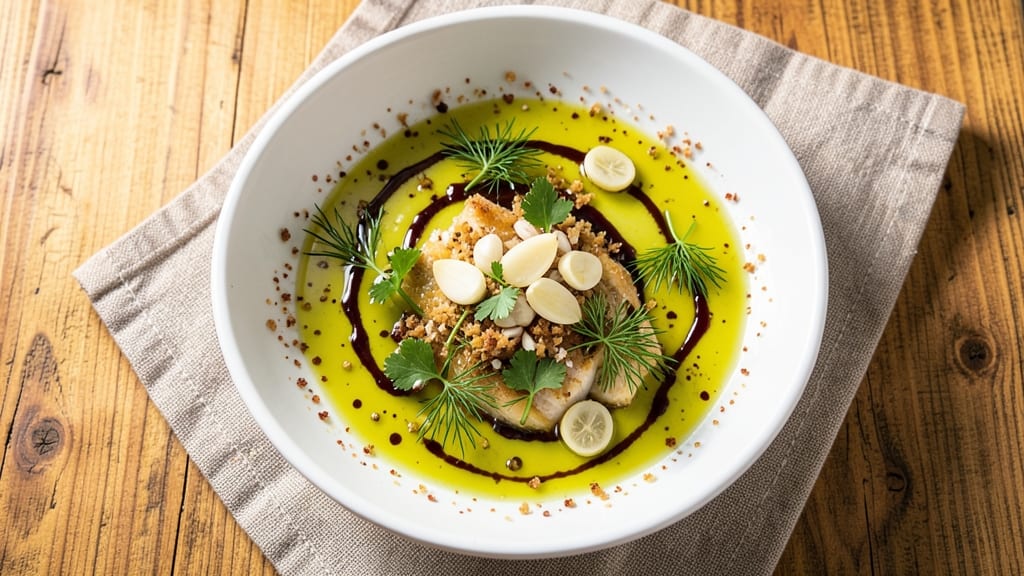
This baked fish marinade recipe transforms ordinary fillets into restaurant-worthy dishes with its bright lemon-garlic infusion. The secret lies in balancing acidity, aromatics, and oil to tenderize while enhancing natural flavors—no complicated techniques required.
I developed this marinade after years of testing, ensuring it works for any white fish while keeping prep simple and foolproof.
The magic happens with a 15-minute marinating time that infuses without overpowering delicate fish textures. Fresh lemon juice tenderizes, while garlic and white wine add depth without bitterness. Olive oil forms a protective barrier during baking, locking in moisture for that signature flaky perfection we all crave.
This marinade elevates even basic fillets to gourmet status with minimal effort.
What makes this marinade special is its versatility—use it for cod, tilapia, or halibut, and adjust marinating time based on thickness. The bright citrus notes complement the natural sweetness of fish while the garlic creates an aromatic base that builds flavor layer by layer.
Once you try this, store-bought marinades will never compare again.
Perfect for weeknight dinners or special occasions, this marinade transforms simple baked fish into a standout centerpiece. The ingredients are simple but powerful, delivering professional results without the fuss. Let's get started with this foolproof technique that guarantees tender, flavorful fish every time.
Ingredients for baked fish marinade
Nine essential ingredients combine to create this restaurant-quality lemon-garlic marinade for baked fish.
| Ingredient | Amount | Notes |
|---|---|---|
| Extra-Virgin Olive Oil 🫒 | ½ cup | High-quality, fruity variety preferred |
| Fresh Lemon Juice 🍋 | ¼ cup | Freshly squeezed, no substitutes |
| Garlic Cloves 🧄 | 6 cloves | Freshly minced for maximum aroma |
| Dry White Wine 🍷 | ¼ cup | Sauvignon Blanc or Pinot Grigio recommended |
| Fresh Dill 🌿 | ⅛ cup | Finely chopped, stems removed |
| Fresh Parsley 🌿 | ⅛ cup | Finely chopped, flat-leaf preferred |
| Diamond Crystal Kosher Salt 🧂 | 1 tsp | Fine grain for even distribution |
| Freshly Ground Black Pepper 🌶️ | ½ tsp | Coarsely ground for texture |
| Honey 🍯 | 1 tbsp | Raw, unprocessed preferred |
The foundation of this marinade rests on high-quality extra-virgin olive oil, which should exhibit fruity, peppery notes. Whole Foods Market or specialty olive oil shops carry superior varieties—avoid the generic supermarket brands that lack depth. Fresh lemon juice is non-negotiable; bottled versions contain preservatives that dull the marinade's brightness. For garlic, organic cloves from the produce section yield superior flavor, though conventional works if properly stored. The white wine should be dry and crisp—Trader Joe's or local wine shops often have excellent budget options. Fresh herbs are crucial; Penzeys Spices sells pre-packaged dill and parsley bundles that stay vibrant longer than grocery store offerings.
Substitutions must be made thoughtfully to preserve balance. Substitute apple cider vinegar for lemon juice at equal measure, though the flavor profile shifts slightly. For wine, dry vermouth or additional lemon juice works in a pinch. If you lack fresh dill, dried dill at one-third the amount suffices, though texture differs. Honey can be replaced with agave nectar for a similar sweetness profile. For salt, Morton kosher salt works identically, though Diamond Crystal dissolves more cleanly. The pepper must be freshly ground—pre-ground loses potency rapidly. Always taste as you go; adjustments ensure perfect harmony.
This marinade maintains peak potency for 5 days refrigerated in an airtight glass container. For longer storage, freeze in ice cube trays—each cube equals one marinade portion. Thaw overnight in the refrigerator before use. The marinade's acidity means it's best used within 24 hours of opening for optimal flavor infusion. When baking fish, apply a thin layer to prevent over-marinating delicate fillets. Leftovers can be repurposed as a drizzle for roasted vegetables or grains, extending their usefulness beyond the original dish.
Why You'll Love This Recipe
- Five-Ingredient Magic: I swear by this combo—just oil, lemon, garlic, wine, and dill. That’s it. No confusing spice blends or hard-to-find herbs; everything’s either in your pantry or the produce aisle.
- Bright & Bold: The wine and lemon cut through the richness of the fish, while the garlic and dill add layers that make every bite feel like a little vacation. It’s bright, herby, and just salty enough to keep you reaching for seconds.
- Weeknight & Weekend: Use it for a quick dinner with white fish and roasted veggies, or double it for a crowd-pleasing centerpiece at your next dinner party. The same marinade works for cod, halibut, or even shrimp—no fuss, just flavor.
- Marinade Leftovers = Free Flavor: Here’s what sold me—leftover marinade isn’t wasted. Strain it, reduce it slightly, and drizzle it over grilled fish or pasta the next day. Or toss it with cooked grains for a quick salad dressing. Every drop’s useful.
Step-by-step instructions for lemon-garlic baked fish
This method guarantees restaurant-quality texture and flavor every time.
Prepare the Lemon-Garlic Marinade
In a medium mixing bowl, combine the 0.5 cup extra-virgin olive oil, 0.25 cup fresh lemon juice, 1 tbsp honey, 1 tsp diamond crystal kosher salt, and 0.5 tsp freshly ground black pepper. Whisk vigorously until the honey fully dissolves and the mixture becomes emulsified—this creates a stable base that adheres perfectly to fish fillets.
Next, add the 6 minced garlic cloves, 0.25 cup dry white wine, 0.125 cup finely chopped fresh dill, and 0.125 cup finely chopped fresh parsley. Stir gently to incorporate all ingredients while preserving the delicate herb textures. The wine should be completely absorbed into the mixture, creating a fragrant, aromatic marinade with balanced acidity and sweetness.
Marinate the Fish Fillets
Place your fish fillets (such as cod, halibut, or sea bass) in a shallow glass or ceramic dish that fits them in a single layer. Pour the marinade evenly over the fillets, ensuring complete coverage on both sides. Gently press the fillets to help the marinade penetrate the surface—this is crucial for achieving maximum flavor infusion and preventing curling during baking.
Cover the dish with plastic wrap and refrigerate for at least 30 minutes, though I recommend marinating for 2 to 4 hours for optimal results. The acidity in the lemon juice begins breaking down the fish proteins immediately, creating a tender, flaky texture. If marinating longer than 4 hours, keep the fish refrigerated but no longer than 6 hours to prevent over-tenderization.
Preheat and Prepare the Baking Setup
Preheat your oven to 400°F with the rack positioned in the center. Line a baking sheet with parchment paper or lightly grease it with additional olive oil to prevent sticking. Remove the fish from the marinade (reserve the marinade for basting) and pat the fillets dry with paper towels—this step is critical for achieving a crispy exterior.
Arrange the fish fillets on the prepared baking sheet, spacing them about ½ inch apart to allow for even browning. If the marinade appears thick, whisk in 1-2 tablespoons of water to create a light basting sauce. This reserved marinade will be used later to enhance flavor and moisture during baking.
Bake to Flaky Perfection
Bake the fish for 12 to 15 minutes, depending on thickness, until the edges turn opaque and the internal temperature reaches 145°F when measured with an instant-read thermometer. The fish should easily flake with a fork and have a delicate, golden crust. I recommend checking at the 12-minute mark—overcooking by even a minute can turn tender fish into dry, rubbery texture.
During the last 2 minutes of baking, spoon the reserved marinade over the fillets to create a glossy finish and intensify the flavors. The honey in the marinade caramelizes slightly, adding a subtle sweetness that complements the bright acidity of the lemon. Remove from the oven and let the fish rest for 3 to 5 minutes before serving—this allows the juices to redistribute, ensuring each bite is moist and flavorful.
Pro Tips For Making Baked Fish Marinade
- Muddle the Garlic: I learned this the hard way—chopping garlic into the marinade leaves it in chunks that cling to the fish like little flavor landmines. Use the flat side of your knife to smash 2-3 cloves into a paste first, then stir. The garlic will distribute evenly and dissolve into the oil, giving you that smooth, bright punch without the texture surprises.
- Marinate Cold, Not Room Temp: Fish absorbs flavors faster when the marinade is cold, and it prevents the lemon from cooking the fish prematurely. Whisk together your olive oil, lemon juice, wine, and dill, then pop the whole bowl in the fridge for 10 minutes before adding the fish. Your fish will stay tender, and the marinade won’t turn into a sad, watery pool.
- Strain the Dill: Fresh dill is the star here, but stems and tough leaves turn to mush and make the marinade gritty. Rinse the stems under cold water, then give the dill a quick chop and strain it through a fine-mesh sieve before mixing. The flavor stays, but your baked fish won’t taste like you’re chewing on a salad.
- Don’t Skip the Wine Reduction: Dry white wine in a marinade is supposed to add depth, but if you just dump it in, you’re missing out. Simmer ¼ cup of wine in a small saucepan until it reduces by half—about 3-4 minutes—before mixing it into the olive oil and lemon. The concentrated flavor clings better to the fish and cuts through the richness of the oil like a knife. (Yes, even if you’re impatient like me.)
Pro cooking tips for perfect results
Acidity Control
The lemon juice in this marinade tenderizes fish by breaking down proteins, but too much acidity can turn delicate fillets rubbery. I balance it with 1 tbsp honey—the natural sweetness neutralizes excess tartness while adding subtle depth.
For thicker cuts like halibut, reduce marinating time to 1-2 hours to prevent over-tenderization. Always taste the marinade before applying; if it's too sharp, add ½ tsp more honey to mellow the flavor. 🍋
Herb Freshness Matters
Fresh herbs like dill and parsley release maximum aroma when finely chopped and added last to the marinade. I pulse them in a food processor for 2-3 seconds to preserve texture while maximizing surface area.
For extra potency, bruise the herbs slightly between your fingers before adding—their oils will infuse more deeply into the fish. Store-bought dried herbs lack the same impact, so fresh is non-negotiable here. 🌿
Oil Emulsification
The secret to this marinade's cling is emulsifying the extra-virgin olive oil with lemon juice and honey first. Whisk vigorously until the mixture thickens slightly—this creates a stable emulsion that coats fish evenly.
If the oil separates during storage, simply re-whisk before use. For extra stability, add 1 tsp Dijon mustard to the initial mixture (it acts as a natural emulsifier). 🫒
Wine Selection Tips
Dry white wines like Sauvignon Blanc or Pinot Grigio add brightness without overpowering the fish. I avoid oaky Chardonnays—they can make the marinade taste buttery and heavy. For a non-alcoholic version, substitute with apple cider vinegar at equal measure, though the flavor profile shifts slightly.
Always use room-temperature wine for better integration into the marinade. 🍷
Marinating Time Rules
Thin fillets like tilapia only need 30-60 minutes in this marinade, while thicker cuts like cod benefit from 2-4 hours. Never exceed 6 hours—the acidity will start breaking down the fish fibers too much, resulting in a mushy texture.
For meal prep, marinate fish for 2 hours max, then store separately in the fridge until ready to bake. 🕒
Equipment Shortcuts
No food processor? Finely chop herbs by hand using a sharp chef's knife—this takes 2-3 minutes but yields better texture than pre-chopped store versions. For mincing garlic, I use the flat side of my knife to crush cloves before dicing—this releases more flavor.
A whisk with a fork handle extension (like OXO's) makes emulsifying easier without extra tools. 🔪
Nutrition facts
Frequently asked questions
Can I use this marinade for other types of baked proteins?
This lemon-garlic marinade works beautifully with chicken breasts or shrimp, but adjust marinating time to 20-30 minutes max for poultry to avoid over-tenderizing. For shrimp, marinate for just 10-15 minutes—their delicate texture can't handle long acid exposure. The honey and wine balance adds depth to any protein, but always reduce time for thinner cuts.
What's the best way to store leftover marinade?
Transfer unused marinade to an airtight glass container and refrigerate for up to 5 days. For longer storage, freeze in ice cube trays—each cube equals one serving. Thaw overnight in the fridge before using. The acidity means it's best used within 24 hours of opening for peak flavor infusion.
Can I make this marinade without wine?
Substitute the 0.25 cup dry white wine with 0.25 cup apple cider vinegar or additional 0.25 cup fresh lemon juice. The vinegar adds brightness while maintaining the marinade's acidity balance. For a milder option, use 0.25 cup chicken or vegetable broth—just reduce marinating time to 1-2 hours to prevent over-tenderizing.
Why does my fish turn rubbery after marinating?
Over-marinating is the most common cause—acidity breaks down fish proteins too much. For delicate fillets like tilapia, never exceed 1 hour. Thicker cuts like cod can handle 4 hours max. Always pat fish dry before baking to create a crispy exterior that contrasts with the tender interior. If rubbery texture occurs, reduce marinating time by half next time.
How can I add extra flavor without changing the recipe?
Boost depth with ½ tsp smoked paprika or ¼ tsp red pepper flakes for heat. For umami, add 1 tsp fish sauce or ½ tsp soy sauce to the marinade. Fresh ginger (½ tsp grated) or a pinch of cayenne pepper also elevate flavor. Always taste before applying—these additions enhance without overpowering the original bright citrus profile.