Appetizers
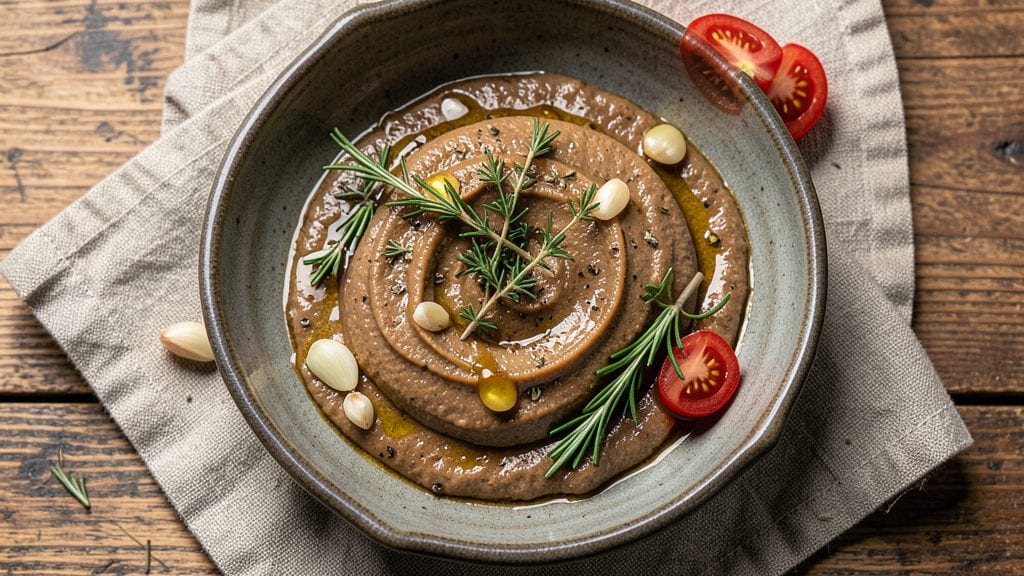
This baked chicken liver pâté transforms humble ingredients into a luxurious appetizer with silky texture and herbal complexity—perfect for impressing guests or elevating holiday spreads.
The secret lies in rendering the fat properly and baking the pâté just until it’s set, creating that signature velvety mouthfeel without losing any flavor. I developed this recipe after years of experimenting with traditional terrine methods, refining it to balance richness with brightness.
What sets this recipe apart is the herbal depth from fresh thyme, rosemary, and shallots, which infuse the liver while it bakes. Unlike store-bought versions, this pâté stays moist and flavorful for days when stored correctly—no dry or gamey aftertaste here.
The process may sound intimidating at first, but with precise timing and a few key techniques, even beginners can achieve restaurant-quality results at home.
The final product is a glossy, golden-brown pâté that slices cleanly and melts in your mouth, with a bold umami punch balanced by the herbs. Serve it on crisp toast points, with crusty baguette slices, or even as a filling for blinis.
The possibilities for plating are endless, whether you prefer a classic terrine presentation or a modern deconstructed twist.
Ready in just under 2 hours (including prep and baking), this pâté is ideal for special occasions or when you want to make an impression. The best part? Leftovers keep beautifully in the fridge for up to 5 days, making it a practical yet sophisticated choice for any gathering.
Let’s get started on creating your own luxurious spread.
Ingredients for baked chicken liver pate
Herbal depth meets silky richness—just 12 ingredients transform humble livers into restaurant-worthy pâté.
| Ingredient | Amount | Notes |
|---|---|---|
| Chicken Livers 🍗 | 1 ¼ lb | Fresh, trimmed of connective tissue |
| Unsalted Butter 🧈 | ½ cup | Cold, cut into small cubes |
| Shallots 🧅 | 3 whole | Peeled, finely minced |
| Fresh Thyme Leaves 🌿 | 1 ½ tbsp | Stems removed, finely chopped |
| Fresh Rosemary 🍃 | 1 tbsp | Finely chopped, needles only |
| Garlic Cloves 🧄 | 3 cloves | Peeled, finely minced |
| Diamond Crystal Kosher Salt 🧂 | 1 ½ tsp | For seasoning and rendering |
| Freshly Ground Black Pepper 🌶️ | ½ tsp | Freshly cracked preferred |
| Extra-Virgin Olive Oil 🫒 | 1 tbsp | For greasing the baking dish |
| Heavy Cream 🥛 | ¼ cup | Full-fat for richness |
| Crusty Baguette 🍞 | 1 whole | For serving, sliced into points |
| Fresh Parsley 🌿 | ¼ cup | Chopped, for garnish |
The chicken livers are the star, so pick the freshest you can find—they should be deep red, not brown or slimy. Whole Foods or well-stocked butcher shops usually carry the best quality, but any reputable grocery store’s meat section will do. Trim off any connective tissue or silver skin before using (it’s bitter). For the butter, Plugrá or Land O’Lakes unsalted works perfectly—just make sure it’s cold when you start, or it’ll melt too quickly during rendering. The herbs? Fresh thyme and rosemary from the market have that bright, aromatic punch that dried just can’t match. If you’re short on time, dried works at half the amount, but honestly, it’s worth the extra minute to chop fresh.
No fresh thyme? Dried thyme at half the amount gets you close, but you’ll lose some of that floral brightness. Swapping rosemary for fresh sage works too—just use the same quantity. The butter is non-negotiable here; olive oil won’t give the same richness, though you could sub in duck fat or ghee** if you’re feeling adventurous. For the shallots, if you’ve got asparagus or leek greens, they add a nice depth too. The heavy cream can be swapped for crème fraîche or sour cream if you prefer a tangier finish. And if you’re worried about the pâté being too rich, add a pinch of lemon zest to cut through the fat.
This pâté is best made a day ahead—flavors meld beautifully overnight. Store it in an airtight container in the fridge for up to 5 days, covered with a thin layer of butter or olive oil to keep it moist. For serving, slice it 1/4-inch thick and garnish with those fresh parsley leaves—it looks stunning on toast points or baguette slices. If you’ve got leftovers, it reheats beautifully in the oven at 300°F for 10 minutes, or you can serve it chilled straight from the fridge. The baguette? Buy it the day before—it’ll be perfectly stale for toasting and soaking up the pâté.
Why You'll Love This Recipe
- No Fuss, Big Payoff: I swear by this recipe because it’s the kind of thing you can start and forget about—just toss those livers in the oven with butter and herbs, then let them do their thing. No stirring, no babysitting, no stress.
- Rich Without Effort: That buttery, caramelized crust on the outside? Chef’s kiss. The shallots and rosemary melt into the livers until every bite is velvety, herby, and packed with umami—like a fancy appetizer that somehow feels like a hug.
- Party or Pantry: Honestly, this is my go-to for game day snacks, holiday appetizers, or just a fancy lunch when I’m too tired to cook. Spread it on crusty bread, dollop it on crackers, or even slather it on toast with a pinch of flaky salt—it’s that versatile.
- Leftover Goldmine: Between us, I always make too much. The good news? It keeps for days in the fridge, tastes even better reheated (just a quick zap in the microwave), and freezes like a dream. Budget win, flavor win, zero waste.
Step-by-step instructions for baked chicken liver pâté
Here's how to transform simple ingredients into a velvety pâté with deep herbal notes.
Prepare the Chicken Livers for Cooking
Start by trimming any visible connective tissue or membranes from the 1.25 lb chicken livers using a sharp knife. Pat them completely dry with paper towels—this step is crucial for preventing steam from forming during cooking, which would make the pâté watery. Place the cleaned livers in a bowl and cover them with cold water. Let them soak for 10 minutes to remove any blood, then drain and rinse thoroughly under cold water.
While the livers soak, heat a large skillet over medium heat. Add the 0.5 cup unsalted butter, cut into small cubes, and let it melt completely. The butter should foam gently but not brown. This is your cooking fat—it will render out impurities and create the rich base for your pâté.
Sear the Livers Until Perfectly Cooked
Add the drained chicken livers to the melted butter in a single layer, being careful not to overcrowd the pan. Cook for 3-4 minutes per side until they reach an internal temperature of 145°F. You'll know they're done when they're no longer pink in the center and the edges begin to brown slightly. Remove the livers from the pan and set them aside on a clean plate to cool completely—this prevents them from continuing to cook and turning rubbery.
While the livers cool, finely mince the 3 whole shallots, 3 cloves garlic, 1.5 tbsp fresh thyme leaves, and 1 tbsp fresh rosemary. Add these to the same skillet with the rendered butter and cook over medium-low heat for 5-6 minutes until the shallots soften and become translucent. This aromatic base will infuse the pâté with layers of flavor.
Blend the Ingredients into a Silky Texture
Once the livers are completely cool, transfer them to a food processor along with the cooked shallot mixture. Pulse until the livers break down into a coarse paste. With the food processor running, slowly drizzle in the 0.25 cup heavy cream. This step is where the magic happens—the cream emulsifies with the liver fat, creating that signature silky texture. Process until completely smooth, scraping down the sides as needed to ensure everything incorporates evenly.
Season the pâté with 1.5 tsp diamond crystal kosher salt and 0.5 tsp freshly ground black pepper. Taste and adjust if needed—this is your chance to balance the flavors before it goes into the oven. The pâté should be rich but not overpoweringly salty, with bright herbal notes from the thyme and rosemary.
Bake for a Rich, Glossy Finish
Preheat your oven to 350°F. Grease a small baking dish or ramekin with 1 tbsp extra-virgin olive oil—this ensures the pâté doesn't stick and gives it a beautiful sheen when baked. Spread the pâté evenly into the prepared dish, smoothing the top with a spatula. Place the dish in a water bath by setting it inside a larger baking dish filled with hot water about halfway up the sides. This gentle steaming method keeps the texture luxurious and prevents it from drying out.
Bake for 20-25 minutes until the pâté is heated through and the top is just beginning to set. It should still be soft to the touch but firm enough to hold its shape when chilled. Remove from the oven and let it cool to room temperature before refrigerating for at least 2 hours—this allows the flavors to meld and the texture to firm up beautifully.
Serve with Crusty Baguette and Fresh Herbs
When ready to serve, spoon the pâté onto a platter and garnish with chopped fresh parsley. The vibrant green color contrasts beautifully with the rich brown pâté, adding both visual appeal and a fresh herbal note. Slice the 1 whole crusty baguette into points for dipping—its crisp texture cuts through the pâté's richness perfectly.
Serve immediately while still slightly warm. The pâté should be velvety with a glossy finish, where each bite delivers a perfect balance of livery depth, herbal brightness, and buttery richness. The baguette soaks up every last bit, making this an unforgettable appetizer or light meal.
Pro Tips For Making Baked Chicken Liver Pate
- Trim the Gall Bladders: Chicken livers hide tiny green gall bladders—leave them in, and you’ll get bitter pâte. Pinch the fat end of each liver, give it a gentle tug, and the bladder will slide out like a tiny green sock. Do this before cooking, or you’ll regret it later.
- Sear First, Then Bake: Skip the raw bake, and you’ll end up with gray, underwhelming pâte. Pat the livers dry, then sear them in a hot pan with butter for 2-3 minutes per side until deeply browned. This locks in flavor and texture before the oven finish.
- Pulse Shallots, Don’t Chop: Finely minced shallots turn to mush when baked. Pulse them in a food processor until almost paste-like, then fold into the butter. This keeps them smooth and prevents the pâte from looking speckled like confetti.
- Chill Before Mixing: Warm livers release too much fat when blended, turning your pâte into a greasy mess. Let them cool completely (even in an ice bath if you’re impatient) before processing with the butter. Cold livers = stable emulsion.
Wine and beer pairings for this recipe
Wine Pairings
For this rich, herbal pâté, I reach for dry red wines that complement its depth without overpowering the delicate flavors. A Pinot Noir from Burgundy or Oregon—like La Crema Sonoma Coast—is my go-to choice.
Its bright acidity and subtle earthiness mirror the thyme and rosemary, while its medium body balances the pâté’s richness. If you prefer something bolder, a Syrah with a touch of spice, like Crozes-Hermitage, adds complexity that stands up to the liver’s umami. 🍷
Light White Options
For those who prefer white wine, a dry Riesling from Germany or Alsace—such as Dr. Loosen Blue Slate—works beautifully. Its crisp acidity and hints of citrus cut through the pâté’s fat, while mineral notes enhance the herbal profile.
Avoid oaky Chardonnays, as they’ll clash with the pâté’s delicate texture. A Sauvignon Blanc with grassy notes, like Cloudy Bay, also pairs well for a lighter contrast.
Beer Pairings
Craft beer lovers can enjoy this pâté with a Belgian witbier, like Hoegaarden or Stella Artois. The citrusy coriander and light effervescence cleanse the palate between bites, while the subtle sweetness balances the pâté’s richness.
For a darker option, a German Dunkel—such as Schneider Weisse Aventinus—adds a malty depth that complements the liver’s umami. Avoid heavy IPAs or stouts, as they’ll overpower the pâté’s delicate flavors. 🍺
Spiritous Elevations
If you’re serving this as part of a cocktail hour, consider pairing it with a dry martini—gin’s botanical notes enhance the thyme and rosemary, while the crispness of a vodka soda with lemon twist cuts through the richness.
For a non-alcoholic option, a sparkling elderflower tonic adds a refreshing contrast to the pâté’s depth. The key is balancing the richness with something bright and acidic.
Regional Wine Adaptations
In France, where pâté originated, a Bordeaux red—like Château Margaux—is traditional, offering structured tannins that stand up to the dish’s richness. In Italy, a Barolo with its earthy notes and high acidity provides a bold counterpart.
For a New World twist, a Malbec from Argentina—such as Catena Zapata—adds juicy dark fruit that pairs surprisingly well with the herbal notes. Each region’s terroir brings something unique to the table.
Nutrition facts
Frequently asked questions
Why do I need to soak the chicken livers before cooking?
Soaking removes blood and impurities that can make your pâté bitter or watery. The 10-minute cold water soak ensures a clean, smooth texture. Always rinse thoroughly afterward—this step is non-negotiable for that signature velvety finish!
Can I use duck or beef liver instead of chicken?
Duck liver adds richer depth, while beef liver offers a slightly gamier flavor. Adjust cooking times—duck livers cook faster (2-3 minutes per side) and beef may need 5-6 minutes. Use the same herb ratios but reduce salt by 0.5 tsp for duck (it's naturally saltier).
What if my pâté turns out too dry after baking?
This usually happens from overbaking or insufficient fat. For a quick fix, stir in 1 tbsp melted butter or heavy cream while warm, then rebake at 325°F for 5 minutes. To prevent it: Bake only until just set (20-25 minutes) and always use a water bath. The pâté should be soft but hold its shape when chilled.
How do I store leftovers without drying them out?
Wrap tightly in plastic wrap, then place in an airtight container with a thin layer of butter or olive oil on top. Refrigerate for up to 5 days or freeze for 2 months. For reheating, warm in the oven at 300°F for 10 minutes—never microwave, as it ruins the texture.
Can I make this pâté ahead of time for a party?
Yes! This is actually one of its best features. Assemble the pâté up to 24 hours ahead and refrigerate before baking. The flavors deepen overnight, and baking can be done just before serving. For a crowd, double the recipe and bake in individual ramekins—each one makes a perfect single serving with toast points.