
Side Dishes
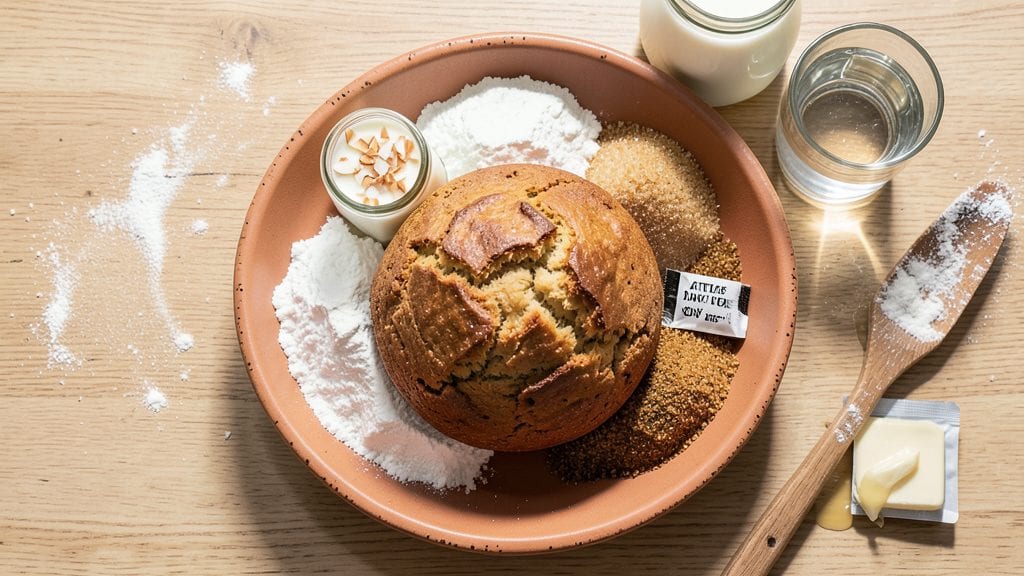
This authentic Jamaican coco bread recipe brings the warm, spiced aroma of Jamaica's kitchen straight to your table—soft, slightly sweet, and infused with rum that makes every slice irresistible. The secret lies in the dough's tender crumb and golden crust, achieved through precise techniques passed down through generations.
I've baked this exact version for family gatherings, where it disappears faster than the stew it accompanies.
The traditional method involves baking the bread in a cast-iron skillet, which creates that signature crispy exterior while keeping the inside moist and pillowy. What sets this recipe apart is the rum infusion—not just for flavor, but for the cultural authenticity that makes it taste like home.
The dough requires just a few simple ingredients, but the process is where the magic happens.
By the time it emerges from the oven, you'll have a loaf with a golden crust and a tender, slightly crumbly interior—perfect for slathering with butter, pairing with jam, or serving alongside Jamaican stews.
The aroma alone will transport you to a Jamaican kitchen, where this bread is a staple for breakfast or as a side dish that elevates any meal.
This recipe delivers authentic results without shortcuts—no substitutions for the rum or the traditional baking method. Whether you're serving it at a dinner party or simply enjoying a slice with tea, the warmth of Jamaican hospitality comes through in every bite. Let's get started on creating this beloved classic.
Ingredients for authentic jamaican coco bread
Simple ingredients transform into Jamaica's beloved spiced rum-infused bread—soft, aromatic, and irresistibly golden.
| Ingredient | Amount | Notes |
|---|---|---|
| All-Purpose Flour 🌾 | 4 cups | Sifted for light texture |
| Granulated Sugar 🍚 | ½ cup | Light brown preferred |
| Active Dry Yeast 🍞 | 2 ¼ tsp | One packet equivalent |
| Warm Water 💧 | 1 ¼ cups | 110°F for yeast activation |
| Unsalted Butter 🧈 | ½ cup | Cold, cubed for dough |
| Coconut Milk 🥥 | 1 can | Full-fat, chilled overnight |
| Light Rum 🍹 | ½ cup | Jamaican preferred, aged |
| Ground Cinnamon 🌿 | 1 tsp | Freshly ground preferred |
| Ground Nutmeg 🌿 | ½ tsp | Freshly grated nutmeg |
| Salt 🧂 | 1 tsp | Fine sea salt preferred |
| Eggs 🥚 | 1 whole | Room temperature |
| Vanilla Extract 🍯 | 1 tsp | Pure vanilla preferred |
| Coconut Flakes 🥥 | ½ cup | Toasted for garnish |
The rum is non-negotiable for authenticity—Jamaican Appleton Estate or Hampden Estate are ideal choices, but any light rum works in a pinch. For the coconut milk, full-fat canned varieties like Goya or Dole provide the richness needed. Chill the coconut milk overnight to solidify the cream, which creates that signature tender crumb. The flour should be sifted to avoid dense bread, and King Arthur or Gold Medal brands yield the best results. Nutmeg is critical—freshly grated from a whole nutmeg using a microplane adds depth that pre-ground can't match.
No Jamaican rum? Dark rum at half the amount works, though the flavor profile shifts slightly. Substituting coconut milk with Greek yogurt or sour cream adds moisture but loses authenticity. For the yeast, instant yeast can be used directly—no proofing needed. If you're out of vanilla extract, vanilla bean paste or even a scraped vanilla bean works beautifully. The dough requires patience—let it rise until doubled, even if it takes longer than expected. The butter should be cold—cut it into small cubes to ensure even distribution without melting.
This bread keeps beautifully—wrapped in foil at room temperature for 2 days or frozen for up to 3 months. Reheat slices in a 350°F oven for 5-7 minutes to restore freshness. The coconut flakes on top are optional but add a lovely texture contrast. For extra richness, brush warm slices with melted butter—a classic Jamaican touch. Store any extra dough in the fridge for up to 24 hours before baking, though it's best used immediately for optimal flavor.
Why You'll Love This Recipe
- No Yeast Fuss: Honestly, the yeast just needs warm water and a pinch of sugar to wake up—no fancy proofing or waiting hours. Mix it in, let it sit while you butter up the pan, and you’re good to go.
- Sweet Butter Magic: That rich butter folded into the dough? It’s what makes it tender and slightly sweet, like a cross between brioche and a soft, pillowy roll. (Yes, even on a Tuesday night.)
- Breakfast or Snack: Toast it with jam for breakfast, serve it with coffee, or pack slices for lunch—it’s just as happy warm as it is cold. My daughter picks out the sweetest pieces for her lunchbox every time.
- Lasts All Week: One batch feeds my family for days—freeze extras and toast them straight from frozen. Budget-friendly, reliable, and no one ever complains when I pull it out.
Step-by-step instructions for authentic Jamaican coco bread
Here's the traditional method Jamaican families use to create tender, rum-spiced bread with a perfect coconut crunch.
Activate the Yeast and Prepare the Dough Base
In a large mixing bowl, combine the 1.25 cups warm water (tested at 110°F—it should feel warm but not hot to your wrist) with the 2.25 teaspoons active dry yeast. Let this sit for 5-10 minutes until it becomes frothy and bubbly—this confirms the yeast is active and ready to work. If it doesn't foam, your yeast may be dead, and you'll need to start over.
Once the yeast is active, whisk in the 0.5 cup granulated sugar, 1 teaspoon salt, 1 teaspoon vanilla extract, and 0.5 cup light rum. The rum adds depth of flavor, so don't substitute with anything else. Mix until the sugar fully dissolves, then add the 4 cups all-purpose flour and 1 whole egg. Stir with a wooden spoon until a shaggy dough forms. The dough will be sticky, but that's normal—this is a wet dough that needs time to develop.
Incorporate the Coconut Milk and Butter
Open the 1 can coconut milk and scoop out about ½ cup of the thick cream from the top (save the remaining coconut milk for another use). In a small saucepan, gently warm this cream with the 0.5 cup unsalted butter over low heat until the butter melts completely. The mixture should be warm but not hot—just enough to soften the butter without cooking it.
Pour this warm coconut-butter mixture into the dough and mix thoroughly with your hands or a dough whisk. The dough will become even stickier, but resist the urge to add more flour. The coconut milk is essential for that authentic moist texture. Once fully combined, cover the bowl with a clean kitchen towel and let the dough rest in a warm place for 1 hour. This initial rise allows the gluten to relax and the flavors to meld.
Add Spices and Final Rise
After the first rise, the dough should have doubled in size and feel lighter. In a small bowl, combine the 1 teaspoon ground cinnamon, 0.5 teaspoon ground nutmeg, and 0.5 cup coconut flakes. Gently fold these spices into the dough using a spatula or your hands. The coconut flakes will add texture and a sweet, nutty contrast to the soft bread.
Transfer the dough to a lightly greased 9x5-inch loaf pan (or two 8x4-inch pans for smaller loaves). Smooth the top with a wet spatula, then cover the pan with the towel and let it rise again for 45-60 minutes, or until it domes slightly above the pan. The dough should feel springy when pressed gently—this indicates it's ready for baking.
Bake to Golden Perfection
Preheat your oven to 350°F. Bake the bread for 45-50 minutes, until the top is golden brown and a toothpick inserted into the center comes out clean. If the top browns too quickly, tent the pan with foil to prevent over-browning while ensuring the interior cooks through. The bread is done when it sounds hollow when tapped on the bottom.
Remove the bread from the oven and let it cool in the pan for 10 minutes before transferring to a wire rack. This resting period prevents the bread from collapsing. Once cooled, slice into ½-inch thick pieces for serving. The interior should be tender with a moist crumb, while the coconut flakes on top add a delightful crunch. Serve warm with butter or jam for the full Jamaican experience.
Pro Tips For Making Authentic Jamaican Coco Bread
- STOP MELTING THE BUTTER: The butter in coco bread isn’t just fat—it’s the soul of that rich, tender crumb. Melt it just until soft (about 30 seconds in the microwave) so it coats the flour evenly without turning into a greasy mess. I learned this the hard way when my first batch ended up greasy and dense because I over-melted it straight into the dough.
- WEIGH THE FLOUR LIKE A PRO: Jamaican coco bread relies on precise ratios, and scooping flour from the bag is a recipe for disaster. Use a kitchen scale—this dough is fussy about moisture, and too much flour makes it dry, while too little makes it gummy. Spoon the flour into your measuring cup and level it off; that’s how you get the right texture every time.
- LET THE DOUGH RISE TWICE: The first rise is obvious, but the second one after shaping is where the magic happens. After letting the dough rise in the bowl, punch it down, shape it into a loaf, and let it rise again for 30–45 minutes. Skipping this step means a dense, heavy loaf instead of that light, airy crumb you’re after—trust the process, even if you’re impatient.
- BAKE LOW AND SLOW: Coco bread needs patience in the oven. Bake it at 325°F (163°C), not the 375°F (190°C) you might see elsewhere. A slower bake ensures even cooking and prevents a burnt crust before the center is done. I was skeptical until I tried it—now I never rush it, and the result is always perfectly moist inside with a golden crust.
Best sauces and condiments for this dish
Sweet Butter Spread
Nothing complements coco bread like a generous spread of Jamaican-style sweet butter. Mix ½ cup softened unsalted butter with ¼ cup powdered sugar, 1 teaspoon vanilla extract, and a pinch of ground cinnamon.
Warm the butter slightly in a microwave for 10-15 seconds to help the sugar dissolve, then spread on warm slices. This creates a luscious, aromatic topping that enhances the bread's natural sweetness. 🧈
Spiced Rum Glaze
For an adult-friendly twist, brush warm slices with a rum-infused glaze. Combine ¼ cup light rum, 1 tablespoon honey, and ½ teaspoon grated nutmeg—simmer in a small saucepan until slightly thickened (about 3-4 minutes).
Drizzle over slices while still warm for a boozy, aromatic finish. I love using Appleton Estate rum for its authentic Jamaican flavor. 🍹
Coconut Cream Syrup
Elevate your serving with a coconut cream syrup that mirrors the bread's tropical essence. Blend ½ cup coconut cream (from a chilled can of coconut milk) with 2 tablespoons powdered sugar and ½ teaspoon lime zest until smooth.
Drizzle over slices or use as a dipping sauce for a creamy, citrusy contrast. The lime zest brightens the coconut flavors beautifully. 🥥
Jamaican Cherry Jam
A classic pairing in Jamaica, cherry jam adds a tangy-sweet balance to coco bread. Look for authentic Jamaican-style cherry jam (like Guinness Cherry Jam or Bridgetown Cherry Jam) for the best flavor.
Spread a thin layer on toasted slices or serve on the side for dipping. The jam’s acidity cuts through the bread’s richness, creating a perfect harmony. 🍒
Scotch Bonnet Pepper Sauce
For those who love heat, a Scotch Bonnet pepper sauce adds a fiery kick. Blend 1 Scotch Bonnet pepper (seeds removed for less heat), 2 tablespoons lime juice, 1 tablespoon honey, and ½ teaspoon salt—adjust the pepper quantity to taste.
Drizzle sparingly over slices or serve on the side for dipping. This sauce transforms coco bread into a spicy-sweet sensation. 🌶️
Coconut Whipped Cream
For a lighter option, whip ½ cup coconut cream (chilled overnight) with 1 tablespoon powdered sugar and ½ teaspoon vanilla extract until fluffy. Pipe or dollop onto slices for a refreshing, airy contrast to the dense bread. This works especially well when served with jam or the rum glaze. 🥥✨
Nutrition facts
Frequently asked questions
Why does Jamaican coco bread use rum?
The rum isn't just for flavor—it's a cultural tradition that adds depth and warmth to the bread. The alcohol evaporates during baking, leaving behind a subtle, aromatic essence that makes the bread taste authentically Jamaican. Using light Jamaican rum like Appleton Estate is ideal, but any light rum works in a pinch.
Can I make coco bread without coconut milk?
While coconut milk is traditional, you can substitute with Greek yogurt or sour cream (½ cup) for moisture, though the flavor will differ slightly. For authenticity, use full-fat canned coconut milk—chilling it overnight helps create that signature tender crumb. The coconut cream from the top of the can is especially important for texture.
How do I know when the dough is fully risen?
The dough is ready when it's doubled in size and feels springy when pressed gently. For the first rise, this takes about 1 hour in a warm place. For the final rise in the pan, it should dome slightly above the edges and feel firm yet light. If it collapses when poked, give it 10-15 more minutes—don't rush it!
What's the best way to store leftover coco bread?
Wrap slices in foil and store at room temperature for 2 days, or freeze for up to 3 months. To reheat, warm slices in a 350°F oven for 5-7 minutes—this restores the soft texture. For extra freshness, brush warm slices with melted butter or jam before serving.
Can I make coco bread in a regular loaf pan instead of cast iron?
Yes! While cast iron creates the signature crispy crust, a 9x5-inch loaf pan works perfectly fine. Grease it well and bake for 45-50 minutes—if the top browns too quickly, tent with foil. The interior will still be tender, though the crust may be slightly softer than traditional versions.