
Beverages
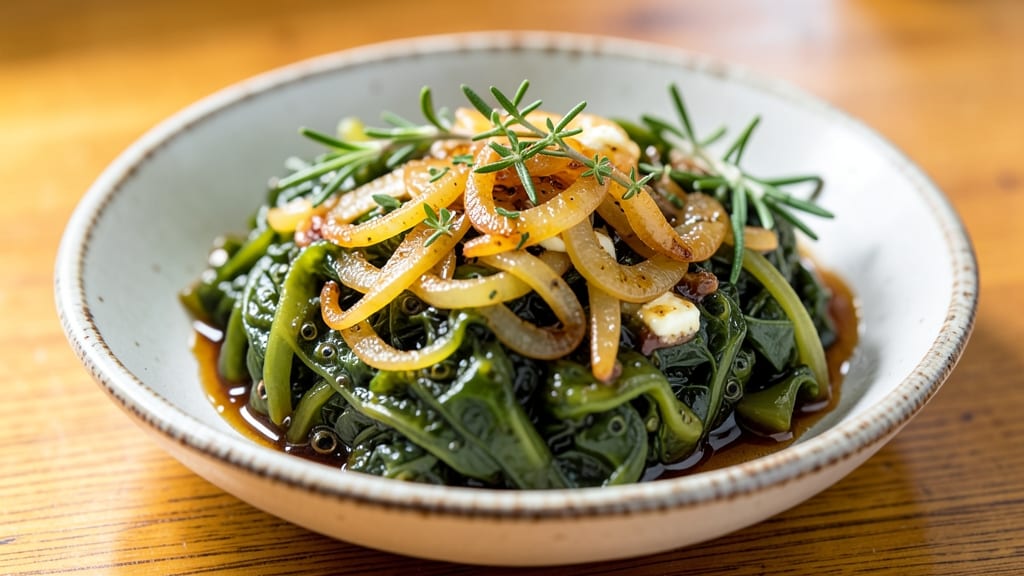
This apple cider and sauerkraut recipe transforms a simple fermented crunch into a tangy-sweet masterpiece that balances sharpness with autumnal warmth. The marriage of probiotic-rich sauerkraut and rich apple cider creates a dish that's both comforting and complex, perfect for vegetarian meals or hearty sides.
I developed this recipe after discovering how well the natural acidity of sauerkraut complements the caramelized depth of apple cider, especially when braised with aromatic herbs and onions.
The beauty of this dish lies in its versatility—it works as a standalone vegetarian main course or pairs beautifully with roasted meats, crispy tempeh, or even grilled fish. The key technique is slow braising, which allows the flavors to meld while keeping the sauerkraut's signature crunch.
You'll need just 15 minutes of prep and 30 minutes of simmering for restaurant-quality results that taste like fall in every bite.
What you'll end up with is a vibrant, golden-brown dish where the sauerkraut remains crisp-tender, the apple cider reduces into a glossy, slightly caramelized glaze, and every spoonful delivers a perfect balance of tangy, sweet, and umami notes.
The aroma alone will make your kitchen smell like a cozy harvest festival. This recipe is foolproof for beginners but sophisticated enough to impress guests.
Serve it alongside roasted potatoes, crusty bread, or a simple green salad to round out the meal. The leftovers keep well in the fridge for up to 5 days, making it an ideal make-ahead dish for busy weeknights. Let's bring this autumn-inspired flavor combination to your table!
Ingredients for apple cider sauerkraut
Fermented crunch meets autumnal sweetness—just twelve ingredients transform sauerkraut into a tangy-sweet masterpiece.
| Ingredient | Amount | Notes |
|---|---|---|
| Sauerkraut 🥬 | 4 cups | Unopened jar preferred for best flavor |
| Yellow Onion 🧅 | 1 whole | Thinly sliced, yellow or red |
| Unsalted Butter 🧈 | 3 tbsp | Full-fat for best flavor |
| Apple Cider 🍎 | 1 ½ cups | Unfiltered, preferably organic |
| Fresh Thyme 🌿 | 1 tbsp | Leaves only, chopped fine |
| Fresh Rosemary 🌿 | 1 tbsp | Needles only, chopped |
| Garlic Cloves 🧄 | 3 cloves | Minced, fresh preferred |
| Maple Syrup 🍯 | 1 tbsp | Grade B for depth of flavor |
| Apple Cider Vinegar 🍶 | 1 tsp | For brightness, optional |
| Diamond Crystal Kosher Salt 🧂 | ½ tsp | For seasoning, to taste |
| Black Peppercorns 🌶️ | ¼ tsp | Freshly cracked preferred |
| Vegetable Broth 💧 | ½ cup | Low-sodium preferred |
The sauerkraut is non-negotiable here—look for unopened jars from local farms or Trader Joe's for the most vibrant flavor. If you've got a jar that's been open for a while, add an extra splash of apple cider vinegar to brighten it up. The onions should be yellow or red—they caramelize beautifully and add a subtle sweetness that balances the tang. For the apple cider, unfiltered versions have more depth, and organic brands like Angry Orchard work perfectly. Fresh herbs are ideal, but dried thyme and rosemary at one-third the amount will get you close if you're in a pinch.
No maple syrup? Honey or brown sugar dissolved in warm water works in a bind, though maple adds that perfect autumnal note. Short on apple cider vinegar? Lemon juice at the same amount keeps the brightness. The butter matters—full-fat is essential for that rich, caramelized finish. If you're making this ahead, reduce the broth slightly to concentrate the flavors. The garlic can be pre-minced from a jar if you're short on time, but fresh is always better. For extra depth, toast the thyme and rosemary sprigs in the butter for 30 seconds before adding them to the pot.
This keeps beautifully in the fridge for up to 5 days, though it tastes even better the next day as the flavors meld. Portion into containers with a little extra cider on top to keep it moist. Freezes for 3 months if you want to make a big batch—just thaw overnight in the fridge. The leftovers reheat perfectly, making this an ideal make-ahead dish for busy weeknights or holiday gatherings. Serve it warm with crusty bread or over roasted potatoes for the ultimate cozy meal.
Why You'll Love This Recipe
- Here’s what sold me: the sauerkraut’s sharp bite gets kissed by caramelized onion and that warm apple cider. The thyme? Little flavor bombs that make every bite feel like a hug. It’s the kind of dish where you take a second helping just to taste it again.
- I’ll be real: sauerkraut and apple cider are cheap, but they feel fancy. A jar lasts forever, and you’re not buying expensive ingredients. Plus, the butter and thyme stretch thin—meaning more flavor for less cost. My secret weapon for stretching meals without sacrificing taste.
Step-by-step instructions for apple cider and sauerkraut
This recipe transforms humble sauerkraut into a sweet, tangy, aromatic masterpiece with just a few simple techniques.
Sauté the Onion and Aromatics Until Fragrant
Heat a large skillet over medium heat and melt the 3 tablespoons unsalted butter until it foams. Add the 1 whole yellow onion, sliced thinly, and cook for 5-6 minutes until the edges turn translucent and slightly golden. Here's the thing—don't rush this step. You want the onions to soften completely while developing a subtle caramelization that'll form the flavor base.
When the onions are nearly done, add the 3 minced garlic cloves, 1 tablespoon chopped fresh thyme, and 1 tablespoon chopped fresh rosemary. Stir for 30 seconds until the garlic becomes fragrant and the herbs release their piney aroma. The moment the garlic turns golden is when you'll know it's ready—this prevents bitterness while maximizing flavor. Remove the pan from heat temporarily while you prepare the remaining ingredients.
Build the Sweet-Tangy Sauce
Return the skillet to medium-low heat and pour in the 1.5 cups apple cider. Let it simmer for 3-4 minutes until reduced by about one-third, which concentrates the flavors. This reduction step is crucial—it transforms the cider from a simple liquid into a flavorful base. Stir occasionally to prevent sticking, especially since you're not using any additional fat.
Add the 1 tablespoon maple syrup and 1 teaspoon apple cider vinegar, stirring to combine. The vinegar adds a bright acidity that cuts through the sweetness, while the maple syrup deepens the flavor profile. Let this mixture simmer for another 2 minutes until slightly thickened. Taste and adjust seasoning with the 0.5 teaspoon diamond crystal kosher salt and 0.25 teaspoon freshly cracked black peppercorns—this is where you balance the sweet, tangy, and savory elements.
Combine and Simmer the Sauerkraut
Add the 4 cups sauerkraut to the skillet, stirring gently to coat it evenly in the sauce. The sauerkraut will release its liquid as it heats, so keep the heat at medium-low to prevent boiling. Let it cook for 8-10 minutes, stirring occasionally, until the sauerkraut softens slightly but still maintains its texture. You're looking for a dish where the crunch remains but the flavors meld together perfectly.
Pour in the 0.5 cup vegetable broth and scrape up any browned bits from the bottom of the pan—these contain concentrated flavor. Let the entire mixture simmer for another 5 minutes until the broth reduces and the sauerkraut absorbs the aromatic sauce. The dish should smell complex, with notes of caramelized onions, herbal rosemary and thyme, and the bright tang of apple cider.
Finish and Serve Warm
Taste the sauerkraut mixture one final time and adjust the seasoning if needed. The dish should balance sweet, tangy, and savory notes with a hint of herbal brightness. For serving, transfer to a warm platter and let it sit for 2-3 minutes to allow the flavors to settle. This fermented crunch meets sweet heat dish pairs beautifully with roasted meats, grilled fish, or even as a side to hearty vegetable dishes.
Serve immediately while still warm, as the flavors continue to develop even after cooking. The contrast of the crisp-tender sauerkraut with the rich, aromatic sauce creates a harmonious balance that's both comforting and exciting. This recipe proves that simple ingredients, when combined with thoughtful technique, can create something truly special.
Pro Tips For Making Apple Cider Sauerkraut
- Squeeze First: Drain your sauerkraut and press it dry in a clean kitchen towel for 10 minutes—yes, even if it looks wet enough. I learned this the hard way when my first batch turned into a soggy mess after adding butter. The extra moisture throws off the balance with the apple cider and butter.
- Caramelize the Onion: Walk away after 5 minutes of cooking the onions—don’t rush this. Let them turn deep gold, not brown, or you’ll end up with bitter bits. My grandmother swore by this, and she was right: patience here makes the whole dish sing.
- Reduce the Cider: Simmer the apple cider until it’s cut in half—about 5-7 minutes. Skipping this step means a watery, thin sauce instead of a glossy, flavor-packed glaze. (Yes, even if you’re impatient like me.)
- Finish with Butter: Swirl in the cold butter at the very end, off the heat, for 30 seconds—it emulsifies like magic. Adding it earlier burns it, and nothing kills the vibe faster than burnt butter in sauerkraut. Trust the process.
Wine and beer pairings for this dish
Crisp White Wine Pairings
For this dish, a dry Riesling or Sauvignon Blanc from Germany or New Zealand cuts through the tangy richness beautifully. The slight acidity in these wines mirrors the apple cider's brightness, while their crisp finish cleanses your palate between bites.
I love Dr. Loosen Blue Slate Riesling—its mineral notes complement the fermented crunch perfectly. 🍷
Honey-Infused Meads
If you prefer something more unique, try a honey mead like Melomel from local craft breweries. The natural sweetness balances the sauerkraut's acidity, while the floral notes from the herbs in the dish create a harmonious harmony.
Look for meads with apple or pear undertones for the best match. These are often found at specialty liquor stores or online.
Spiced Apple Cider Beer
For a seasonal twist, pair with a spiced apple cider beer like Angry Orchard Hard Cider or Honey Brown Ale from New Belgium Brewing. The caramel and spice notes echo the maple syrup and rosemary in the dish, while the light carbonation refreshes the palate.
This is my go-to choice for autumn gatherings—it feels festive and seasonal. 🍺
Red Wine Contrast
If you're serving this with roasted meats, a Pinot Noir from Oregon or a Gamay from Beaujolais adds depth. The light tannins and red fruit notes won’t overpower the dish but instead enhance the herbal and caramelized flavors.
Try a La Crema Pinot Noir—its bright acidity and cherry undertones work surprisingly well with the tangy-sweet profile. 🍇
Non-Alcoholic Options
For a non-alcoholic pairing, sparkling apple cider like Martinelli’s or a ginger beer with a splash of apple juice works wonderfully. The effervescence cuts through the richness, while the apple notes create a seamless flavor bridge.
For something more sophisticated, try a sparkling water with a squeeze of lemon and a drizzle of honey. 💧
Nutrition facts
Frequently asked questions
Can I use store-bought sauerkraut for this recipe?
Just check the label for added ingredients—some brands include caraway seeds or extra salt. For best flavor, use unopened jar sauerkraut from a trusted source like Trader Joe's or local farms. If your sauerkraut tastes too sour, add a splash of apple cider vinegar to balance it before cooking.
How do I adjust this recipe for a vegetarian meal?
This dish is already vegetarian-friendly! The rich apple cider and herbs create a satisfying base. For extra protein, serve with crispy tempeh, mushroom burgers, or roasted chickpeas. The tangy-sweet flavors pair perfectly with plant-based proteins while keeping the dish hearty and complete.
Can I make this recipe ahead of time?
Yes! This dish actually tastes better the next day as flavors meld. Store in an airtight container in the fridge for up to 5 days. Reheat gently in a skillet with a splash of apple cider to restore moisture. For longer storage, freeze for 3 months—just thaw overnight in the fridge before reheating.
What if I don't have fresh thyme or rosemary?
No problem! Use 1 teaspoon dried thyme and 1 teaspoon dried rosemary instead, but add them directly to the butter while melting (no need to toast). For extra depth, try 1/2 teaspoon smoked paprika or 1/4 teaspoon ground coriander as substitutes. The dish will still be delicious—just slightly different in aroma.
Why does my sauerkraut turn mushy?
Overcooking is the most common cause. Keep heat at medium-low and stir occasionally to prevent direct contact with the pan. The sauerkraut should soften slightly but remain crisp-tender. If it's already mushy, try serving it as a sauerkraut mash with roasted potatoes or as a tangy topping for baked apples.