
Main Courses
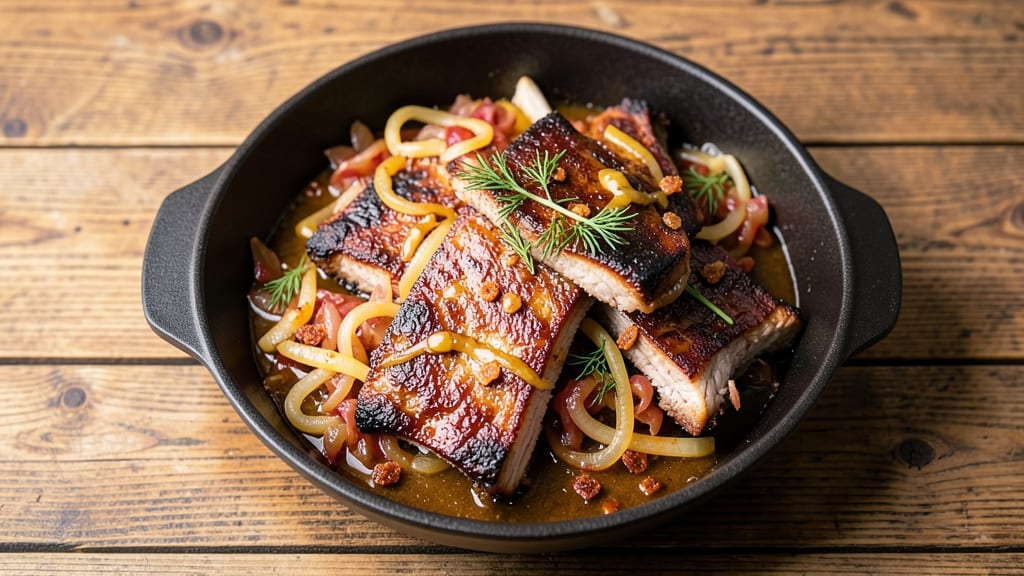
This beef ribs and sauerkraut recipe transforms a classic pairing into a showstopper that balances rich, smoky meat with the tangy crunch of fermented cabbage.
The slow-cooked ribs develop a deep, caramelized bark while staying tender inside, while the sauerkraut—sautéed with onions and a touch of mustard—adds a bright, sour contrast that cuts through the richness.
I developed this dish after years of experimenting with regional German-American techniques, where ribs and sauerkraut were traditionally served together at family gatherings.
The beauty of this recipe lies in its foolproof technique—no special equipment needed beyond a Dutch oven or slow cooker.
The ribs cook low and slow for hours, developing layers of flavor without drying out, while the sauerkraut gets a quick sauté that mellows its sharpness and brings out its natural sweetness. This method ensures restaurant-quality results at home, with minimal effort and maximum impact.
By the time you serve this dish, you’ll have fall-apart tender ribs glazed with a sticky, smoky sauce and a side of sauerkraut that’s warm, caramelized, and packed with flavor.
The combination is hearty enough for a weeknight dinner but impressive enough for guests, especially when paired with a cold lager or sharp cider. The aroma alone will have everyone gathering at the table.
This recipe works equally well for a weeknight family meal or a special occasion—just adjust the cooking time based on your ribs’ size. The leftovers reheat beautifully, making it perfect for meal prep. Let’s get started on this smoky-sour masterpiece that’s sure to become a staple in your cooking rotation.
Ingredients for beef ribs and sauerkraut
Six ingredients transform humble ribs and sauerkraut into a restaurant-worthy German-American masterpiece.
| Ingredient | Amount | Notes |
|---|---|---|
| Beef Ribs (Baby Back) 🥩 | 4 lb | Bone-in, trimmed of excess fat |
| Sauerkraut 🥬 | 2 cups | Unopened jar, drained and rinsed |
| Yellow Onions 🧅 | 2 whole | Medium, thinly sliced |
| Dijon Mustard 🍯 | 2 tbsp | High-quality, smooth variety |
| Apple Cider Vinegar 🍎 | ½ cup | Unfiltered for depth of flavor |
| Brown Sugar 🍚 | ½ cup | Packed, light variety |
| Smoked Paprika 🌶️ | 2 tbsp | High-quality, not cayenne |
| Garlic Cloves 🧄 | 6 cloves | Peeled, minced for sauce |
| Fresh Thyme 🌿 | ¼ cup | Leaves only, chopped |
| Black Peppercorns 🌶️ | 1 tsp | Freshly cracked |
| Kosher Salt 🧂 | 2 tbsp | Diamond Crystal preferred |
| Beef Broth 💧 | 1 ½ cups | Low-sodium, homemade or high-quality |
| Unsalted Butter 🧈 | ½ cup | Cold, cubed for basting |
| Extra-Virgin Olive Oil 🫒 | ¼ cup | For sautéing onions |
The ribs are the foundation—baby back cuts with a good layer of fat ensure tenderness and flavor. Source them from a reputable butcher or Costco for consistent quality; avoid pre-marinated or injected cuts. Look for marbled meat with a glossy sheen, not dry or discolored. The sauerkraut should be unopened, jarred, and labeled 'unpasteurized' for the best tang—Reichenauer or Bubbier brands excel. Fresh thyme and garlic are non-negotiable; dried substitutes lack the complexity this dish demands. For the mustard, Maille or Grey Poupon deliver the right balance of sharpness and smoothness.
No sauerkraut? Fermented cabbage from a German specialty store is ideal, but in a pinch, quick-pickled cabbage (1 part vinegar, 1 part water, 1 tbsp sugar) mimics the tang. Substitute brown sugar with honey or maple syrup for depth, though the caramelization will differ. If you lack smoked paprika, liquid smoke (1/2 tsp) plus extra cayenne approximates the flavor. For the broth, homemade or high-end store-bought (like Knox or Pacific Foods) prevents a bland sauce. Fresh thyme can be swapped for dried at 1/4 the amount, but toast the dried spices first for better flavor.
Store leftover ribs in an airtight container with their sauce for up to 4 days—they reheat beautifully. Sauerkraut keeps 1 week in the fridge, though it mellows in flavor. For meal prep, freeze ribs in portions with sauce; thaw overnight in the fridge. The sauce reduces further upon reheating, so add a splash of broth if it thickens too much. This dish shines at room temperature, making it perfect for buffets or gatherings where timing is flexible.
Why You'll Love This Recipe
- One-Pan Magic: I swear by this—just ribs, sauerkraut, and a quick glaze of mustard and vinegar tossed on a sheet pan. No flipping between pots, no extra dishes. The onions caramelize right alongside the ribs while the sauerkraut soaks up all that juicy flavor.
- Leftovers That Don’t Suck: Between us, most rib recipes leave you with dry, sad leftovers. Not this one. The ribs stay tender, and the sauerkraut actually improves overnight—more mellow, more flavorful. I’ve reheated these for lunch for days, and no one complains.
- Budget Crowd-Pleaser: Baby back ribs aren’t cheap, but they stretch further when paired with sauerkraut—it’s the ultimate filler. Plus, the onions and vinegar are pantry staples, so you’re not breaking the bank. Feed four for the price of three meals, and everyone walks away happy.
Step-by-step instructions for beef ribs and sauerkraut
Here's the method that delivers perfectly tender ribs with a tangy-sweet glaze and sauerkraut that soaks up every flavorful drop.
Prepare the Ribs for Maximum Flavor and Tenderness
Begin by trimming any excess fat from the 4 lb beef ribs (baby back), leaving just a thin layer over the bone. This ensures proper heat penetration while preventing excessive grease. Pat the ribs dry with paper towels—this step is critical for achieving crispy bark later. In a small bowl, combine the 2 tbsp kosher salt, 2 tbsp smoked paprika, and 1 tsp freshly cracked black peppercorns. Generously coat both sides of the ribs with this spice blend, pressing it into the meat to maximize adhesion.
Place the seasoned ribs on a wire rack set over a baking sheet, fat-side up. This elevated position allows heat to circulate evenly, preventing steaming. Let them sit at room temperature for 30 minutes before cooking—this ensures even cooking from edge to center. Meanwhile, preheat your oven to 325°F. The low-and-slow approach guarantees tender meat without drying it out, while the initial high heat will create that coveted caramelized crust.
Build the Sauerkraut and Glaze Mixture
In a large Dutch oven, heat the 0.25 cup extra-virgin olive oil over medium heat. Add the 2 whole yellow onions, sliced into thin half-moons, and cook for 8-10 minutes until they soften and begin to caramelize. Stir occasionally to prevent burning—you're looking for a deep golden color that signals sweetness development. Remove the onions with a slotted spoon and set aside.
In the same pot, add the 0.5 cup unsalted butter and let it melt completely. Stir in the 6 minced garlic cloves and cook for 30 seconds until fragrant—don't let it brown, or you'll get bitter flavors. Add the 2 cups sauerkraut, breaking up any large chunks with a wooden spoon. Cook for 5 minutes to soften slightly. In a separate bowl, whisk together the 0.5 cup apple cider vinegar, 0.5 cup packed brown sugar, and 2 tbsp Dijon mustard. Pour this mixture into the Dutch oven and stir well to combine. The sauce should begin to thicken as it simmers.
Braise the Ribs with Sauerkraut and Glaze
Carefully transfer the seasoned ribs to the Dutch oven with the sauerkraut mixture. Pour in the 1.5 cups beef broth, ensuring the ribs are mostly submerged. The liquid level should come about halfway up the ribs. Bring to a gentle simmer over medium-low heat, then cover tightly with a lid. The ribs should be cooking at a temperature of 170-180°F—use an instant-read thermometer to monitor this. If the liquid isn't bubbling gently, reduce the heat further.
Transfer the Dutch oven to a preheated 325°F oven. Braise for 2 to 2.5 hours, turning the ribs once after 1 hour, until they reach an internal temperature of 203°F and are fork-tender. The sauerkraut will absorb the rich flavors and become slightly caramelized. Here's the thing—don't peek at the ribs during cooking. Every time you lift the lid, you lose valuable heat and moisture, extending the cook time unnecessarily. Trust the thermometer and the timer.
Finish with Fresh Herbs and Resting
Remove the ribs from the oven and transfer them to a cutting board. Tent loosely with aluminum foil and let them rest for 15 minutes. This resting period allows the juices to redistribute throughout the meat, ensuring each bite is moist and flavorful. While the ribs rest, return the Dutch oven to the stovetop over medium heat. Stir in the 0.25 cup chopped fresh thyme and the reserved caramelized onions. Simmer for 3-4 minutes to intensify the flavors and thicken the sauce slightly. Taste and adjust seasoning with additional salt or vinegar if needed.
Slice the ribs between the bones into individual servings. Spoon the sauerkraut and glaze mixture over the top, ensuring each portion gets a generous helping. The combination of tender, fall-apart ribs with tangy, sweetened sauerkraut creates a perfect balance of textures and flavors. Serve immediately with crusty bread to soak up every last bit of that flavorful sauce. The ribs should be juicy with a slightly crisp exterior, while the sauerkraut provides a refreshing contrast that cuts through the richness of the meat.
Pro Tips For Making Beef Ribs And Sauerkraut
- Sear Ribs Before Braising: Hit those baby back ribs with a screaming-hot pan first—no oil needed, just their own fat. I used to skip this, and the sauce never clung right; now they crisp up beautifully and stay juicy through the slow cook.
- Drain, Rinse, Repeat: Sauerkraut’s juice is sour magic, but it’ll water down your sauce if you don’t drain and rinse it first. Press it in a colander, then run cold water over it—this cuts the acid and keeps the dish balanced.
- Caramelize Onions Low: Onions burn faster than you think, especially with ribs’ moisture. After 10 minutes of sweat, turn the heat down to medium-low and walk away—this is where their sweetness actually develops.
- Deglaze with Vinegar: After browning ribs, splash in that apple cider vinegar before adding anything else. It cuts through the meat’s richness and lifts flavors—no extra liquid needed, just a quick scrape and simmer.
Wine and beer pairings for beef ribs and sauerkraut
German Lager Pairing
A crisp, dry German pilsner like Warsteiner or Bitburger is my go-to choice for this dish. The clean, herbal notes of a well-brewed pilsner cut through the richness of the ribs while complementing the tangy sauerkraut.
Look for a beer with an alcohol content around 5-5.5%—this balance ensures the beer doesn’t overpower the meal but still provides enough body to stand up to the smoky flavors. Serve slightly chilled (45-50°F) to enhance its refreshing qualities. 🍺
Riesling Contrast
For a white wine option, I recommend a dry German Riesling from the Mosel region, like Dr. Loosen Blue Slate. The wine’s bright acidity and mineral notes mirror the sauerkraut’s tang while its subtle sweetness balances the smoky ribs.
Aim for a wine with 0.5-1% residual sugar—just enough to complement without cloying. Serve at 50-55°F to preserve its crispness and let the flavors shine alongside the dish.
Dark Beer for Hearty Eaters
If you prefer a darker beer, a German doppelbock like Paulaner Salvator adds depth to the meal. The malt-forward profile and slight sweetness enhance the caramelized onions and brown sugar in the sauce, while the beer’s malty backbone stands up to the ribs.
This pairing works best for those who enjoy a richer, more robust beer experience. Serve at 55-60°F to appreciate its full complexity.
Cider Alternative
For a non-alcoholic or fruit-forward option, a dry apple cider like Angry Orchard Dry offers a refreshing contrast. The cider’s tartness echoes the sauerkraut’s acidity, while its crisp finish cleanses the palate between bites of rich ribs.
Choose a cider with minimal sweetness (2-3g residual sugar per serving) to avoid overpowering the dish. Serve well-chilled (40-45°F) for the best experience. 🍎
Avoid These Pairings
Skip sweet, heavy wines like Chardonnay or Port, as their richness will clash with the tangy sauerkraut. Avoid high-tannin reds like Cabernet Sauvignon, which can overpower the dish’s delicate balance.
Even hoppy IPAs may compete with the smoky flavors rather than complement them. Stick to the lighter, crisp options above for harmony.
Nutrition facts
Frequently asked questions
Why does this recipe pair beef ribs with sauerkraut?
This classic combination balances rich, fatty meat with the tangy acidity of fermented cabbage. The sauerkraut's sharpness cuts through the ribs' smokiness, creating a perfect flavor contrast. Historically, German immigrants brought this pairing to America, where it became a staple at family gatherings. The acidity also helps tenderize the meat slightly during cooking.
Can I use store-bought sauerkraut instead of homemade?
Store-bought sauerkraut works perfectly—just choose an unpasteurized variety for the best tang. Look for brands like Reichenauer or Bubbier in the refrigerated section. If you can't find unpasteurized, quick-pickled cabbage (1:1 vinegar-to-water ratio with sugar) is a decent substitute, though it won't have the same depth of flavor.
How do I prevent the ribs from drying out during slow cooking?
Keep the ribs mostly submerged in liquid and avoid opening the lid while cooking. The 1.5 cups of beef broth should come halfway up the ribs. If the liquid reduces too much, add a splash of water or broth. Also, pat the ribs very dry before seasoning—this helps create a better crust while cooking.
What's the best way to reheat leftover ribs and sauerkraut?
Reheat ribs in a 325°F oven with a splash of beef broth or water to prevent drying. Cover with foil and warm for 15-20 minutes. For sauerkraut, warm it in a skillet over medium heat with a pat of butter—this restores its texture and enhances the flavors. Both reheat beautifully and taste even better the next day!
Can I make this recipe in a slow cooker instead of an oven?
Yes! Follow the same steps but cook on low heat for 6-8 hours or high heat for 4-5 hours. The ribs will be just as tender, though the bark won't be as crispy. For extra flavor, add 1 cup of apple juice or broth during cooking to help tenderize the meat.