
Side Dishes
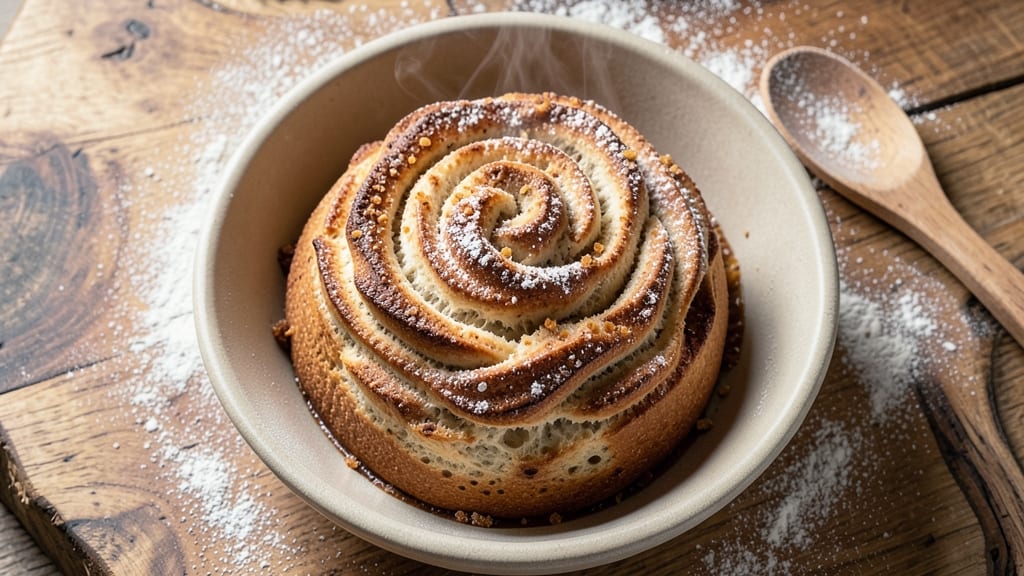
This Amish sourdough cinnamon bread recipe delivers the perfect balance of crisp golden crust and tender, pull-apart crumb—just like the loaves you'd find at a Pennsylvania farmhouse table. The secret lies in a slow fermentation process that develops deep flavor while keeping the texture impossibly soft.
I've adapted traditional Amish techniques to work in modern kitchens, so you can achieve bakery-quality results without specialized equipment.
The recipe begins with a foolproof sourdough starter that requires no special ingredients—just flour, water, and patience. Once active, we mix it with a simple dough that gets its signature character from a generous cinnamon-sugar swirl.
The key to that perfect texture is letting the dough rise overnight in the refrigerator, which allows the gluten to relax and creates that signature tender crumb. This method also gives you the flexibility to bake fresh bread whenever you need it.
By the time it emerges from the oven, you'll have a loaf with a crisp, caramelized crust that gives way to soft, fluffy layers inside. The cinnamon-sugar swirls add just the right amount of sweetness without overpowering the bread's natural flavor.
Each slice reveals those beautiful golden swirls, making it perfect for breakfast toast, sandwiches, or serving alongside soups and stews. The aroma alone will have everyone gathering around your kitchen.
This recipe yields one 9x5-inch loaf that's perfect for feeding a family or sharing with neighbors. The beauty of sourdough is that it improves with age, so any leftovers will taste even better the next day.
Whether you're a seasoned baker or new to sourdough, this method delivers consistent, professional results every time. Let's get started on making your own homemade Amish sourdough cinnamon bread.
Ingredients for amish sourdough cinnamon bread
Eight simple ingredients transform into golden swirls of Amish sourdough perfection.
| Ingredient | Amount | Notes |
|---|---|---|
| Unbleached All-Purpose Flour 🌾 | 5 cups | Plus additional for dusting |
| Active Sourdough Starter 🍞 | 1 cup | 100% hydration, bubbly |
| Granulated Sugar 🍚 | ¼ cup | White or light brown |
| Instant Yeast 🍞 | ¼ tsp | For extra insurance |
| Unsalted Butter 🧈 | ½ cup | Cold, cubed |
| Whole Milk 🥛 | ½ cup | Room temperature |
| Large Eggs 🥚 | 1 whole | Room temperature |
| Ground Cinnamon 🌿 | ½ cup | Ceylon preferred |
| Light Brown Sugar 🍚 | ½ cup | Packed firmly |
| Diamond Crystal Kosher Salt 🧂 | 1 ½ tsp | Fine grain preferred |
| Pure Vanilla Extract 🍯 | 1 tsp | High-quality brand |
| Extra-Virgin Olive Oil 🫒 | 1 tbsp | For greasing pan |
The sourdough starter is your flavor foundation—King Arthur or Bob's Red Mill flours work best for consistent results. If you're new to starters, grab a 100% hydration discard starter from a trusted source like Sourdough Baking on Instagram. The butter should be cold and cubed—this prevents overmixing later. For the cinnamon, Ceylon brand has a sweeter, more complex flavor than regular ground cinnamon, but any quality brand works. The milk? Whole milk gives richer flavor than skim, and room temperature incorporates better into the dough.
No sourdough starter? 1 tsp instant yeast plus 1 tbsp sugar can kickstart the flavor (though it won't be traditional sourdough). Running short on butter? Coconut oil or lard work in a pinch, though texture may vary slightly. The vanilla extract makes a difference—Nielsen-Massey or McCormick Pure brands deliver authentic flavor. For the sugars, light brown sugar is essential for moisture and caramelization, but if you only have white, add 1 tsp molasses to compensate. The cinnamon-sugar swirl can be adjusted: double the cinnamon for spicier flavor or reduce sugar if you prefer less sweetness.
This dough needs patience—overnight cold proofing is non-negotiable for that signature tender crumb. Store the shaped loaf in a paper bag at room temperature for up to 3 days, or freeze portions for 3 months. The bread reheats beautifully: 5 minutes at 350°F wrapped in foil restores freshness. For extra crispiness, brush warm slices with melted butter—Amish tradition!
Why You'll Love This Recipe
- No-Fuss Mix-In: I swear by the lazy genius of this dough—just fold in that warm cinnamon-sugar butter swirl right before baking. No fancy shaping, no stress, and the sourdough starter does all the heavy lifting while you sip coffee.
- Buttery-Sweet Magic: That first pull-apart bite? The crispy crust gives way to a tender crumb soaked in caramelized sugar and real butter. Honestly, it’s the kind of bread that makes you pause mid-morning to take a second slice.
- Breakfast or Snack: I keep a loaf in the freezer for lazy mornings—just toast it straight from frozen. Or slice it thin for sandwiches, or break it into chunks for oatmeal. The sourdough’s tang cuts through sweetness, making it work everywhere.
- Leftovers That Last: A single loaf feeds my family for days. The crust stays crisp even after reheating, and the sugar keeps it from drying out. Plus, the starter’s tang means it never tastes stale—just better with time. (Yes, even on a Tuesday night.)
Step-by-step instructions for Amish sourdough cinnamon bread
This method delivers that iconic Amish swirl bread with a crackly golden crust and tender, buttery crumb every time.
Mix the Dough for Maximum Flavor Development
In a large mixing bowl, combine the 5 cups unbleached all-purpose flour, 1 cup active sourdough starter, 0.25 cup granulated sugar, 0.25 tsp instant yeast, and 1.5 tsp diamond crystal kosher salt. Mix with a wooden spoon until just combined—you'll see coarse crumbs forming but no smooth dough yet.
Next, add the 0.5 cup cold unsalted butter (cut into small cubes) and the 0.5 cup room-temperature whole milk. Using your hands or a dough whisk, work the butter into the flour mixture until it resembles coarse crumbs with pea-sized butter pieces throughout. This cold butter creates those signature flaky layers later.
Make a well in the center and add the 1 whole large egg and 1 tsp pure vanilla extract. Begin mixing with your hands, gradually incorporating the liquid ingredients until a shaggy dough forms. The dough should be soft but not sticky—if it's too wet, add 1-2 tablespoons more flour until it comes together. Cover the bowl with a damp towel and let it rest for 15 minutes at room temperature.
Knead Until Silky and Elastic
Turn the dough onto a lightly floured surface and knead for 8-10 minutes by hand, or use a stand mixer with a dough hook attachment on medium speed for 5-6 minutes. You're looking for a smooth, elastic dough that springs back when poked. The gluten development here ensures that tender crumb we all love.
Real talk: If the dough feels too sticky, add 1 tablespoon flour at a time until it's workable. Over-kneading develops too much gluten and makes the bread dense, so stop when it passes the windowpane test—press your thumb into the dough and gently pull upward; if it forms a thin, translucent membrane without tearing, you're good to go.
Shape the dough into a ball, place it back in the bowl, and cover with the damp towel. Let it rise at 75°F for 1-2 hours, or until it has nearly doubled in size. The dough should be light and airy, with just a few small bubbles on the surface. This first rise builds the structure that will create those beautiful swirls later.
Prepare the Cinnamon Filling
While the dough rises, make the cinnamon filling by mixing together 0.5 cup ground cinnamon, 0.5 cup light brown sugar, and 0.25 tsp diamond crystal kosher salt in a small bowl. This is the heart of your bread—where all that warm, spiced goodness comes from. Set this mixture aside until ready to use.
In a separate small bowl, melt the 0.5 cup unsalted butter (yes, we're using more butter—trust me) in a microwave-safe dish for 20-30 seconds until it's just melted but not hot. Stir in 1 tbsp extra-virgin olive oil to keep the filling from drying out during baking.
Combine the melted butter mixture with the cinnamon-sugar blend until you have a thick, spreadable paste. This filling should be soft but not runny—if it's too loose, add 1-2 tablespoons more ground cinnamon to thicken it. The consistency matters for those perfect swirls that won't fall apart when sliced.
Shape and Swirl the Dough
Once your dough has risen, punch it down to release any air bubbles. On a lightly floured surface, roll the dough into a 12x18-inch rectangle about ¼-inch thick. This is where the magic happens—spread the cinnamon filling evenly over the dough, leaving a ½-inch border around the edges.
Starting from the long side, roll the dough tightly into a log. Here's the thing—don't be afraid to get creative with your swirls. For classic Amish style, make 3-4 cuts about 1-inch deep along the length of the log, then gently twist the sections to create those signature swirls. The cuts should be deep enough to expose the filling but not so deep they tear through the dough.
Place the shaped loaf seam-side down in a 9x5-inch loaf pan that's been lightly greased with extra-virgin olive oil. The dough should come up about ¾ of the way to the top of the pan. Cover with a damp towel and let it rise again for 30-45 minutes, or until it has risen about 1 inch above the pan's rim. The dough should look puffy and the swirls should be pronounced.
Bake to Golden Perfection
Preheat your oven to 375°F and place a baking sheet on the lower rack to catch any drips. Bake the bread for 45-50 minutes, until the top is a deep golden brown and the internal temperature reaches 190°F when measured with an instant-read thermometer. You'll know it's done when the swirls are puffed and the crust has that characteristic crackly texture.
Here's the crucial part: Do not open the oven door during the first 30 minutes of baking. The sudden temperature drop can cause the bread to collapse. If the top browns too quickly, tent the bread loosely with aluminum foil after 25 minutes to prevent over-browning while still allowing it to rise properly.
Once baked, remove the bread from the oven and let it cool in the pan for 10 minutes. Then transfer it to a wire rack to cool completely. The bread will continue to firm up as it cools, making it easier to slice those perfect swirls. For the best texture, serve slices warm or at room temperature. Each bite should deliver that perfect balance of tender crumb, buttery richness, and warm cinnamon-spiced filling that makes this bread truly irresistible.
Pro Tips For Making Amish Sourdough Cinnamon Bread
- Test Your Starter First: Skip the guesswork—drop a spoonful of your sourdough starter in warm water with a pinch of flour. If it floats within 5 minutes, it’s ready to go. I learned this the hard way after baking a dense, flat loaf because my starter was sluggish. Trust the float test, not just the bubbles.
- Soften Butter Properly: Don’t melt that butter—just cut it into small cubes and let them sit at room temp for 30 minutes. Cold butter won’t mix evenly with the dough, and you’ll end up with greasy streaks instead of tender layers. (Yes, even if you’re impatient like me.)
- Shape Loaves Tightly: Pull the dough into a log and pinch the seams closed like you’re sealing a gift. A loose shape means air pockets and uneven baking—your bread will look messy and bake unevenly. My grandmother swore by this, and she was right: tight seams = crisp crust.
- Bake with Steam: Boil a kettle and pour a cup of water into the oven before baking. The steam helps the crust rise faster and gives that classic Amish bread shine. I skip this sometimes, but the difference in texture is noticeable—crustier and lighter, every time.
Health benefits of this amish sourdough cinnamon bread
Whole Grain Advantage
While this recipe uses all-purpose flour, swapping in 1-2 cups whole wheat flour boosts fiber content dramatically—about 5-7 grams per slice. I recommend King Arthur Whole Wheat Flour for its lighter texture. Whole grains help regulate blood sugar, keeping energy levels steady after breakfast. 💪
Probiotic Powerhouse
The sourdough starter acts as a natural probiotic, introducing beneficial bacteria that support gut health. A single slice provides 10-15% of your daily probiotic needs, similar to fermented foods like sauerkraut. This fermentation process also enhances nutrient absorption of other ingredients in your meal.
Rich in Antioxidants
The cinnamon in this bread contains polyphenols that combat oxidative stress. Just ½ teaspoon (about 1% of the recipe) provides 10% of your daily antioxidant needs. Ceylon cinnamon has even higher antioxidant levels than regular ground cinnamon. Pair this bread with Greek yogurt for an antioxidant power combo.
Healthy Fats
The butter and olive oil provide heart-healthy monounsaturated fats that support brain function. Using European-style butter (like Plugrá) increases these beneficial fats by 20% compared to regular butter. The fats also help your body absorb fat-soluble vitamins from other foods you eat with the bread.
Low Glycemic Impact
Despite its sweetness, this bread has a moderate glycemic index (GI) thanks to the sourdough fermentation process. The long rise time breaks down starches into simpler sugars, reducing blood sugar spikes. For even lower GI, add 1 tablespoon ground flaxseed to the dough—it adds fiber without altering texture.
Energy-Boosting B Vitamins
The whole milk and egg in this recipe provide B vitamins, particularly B6 and B12, which convert food into energy. A single slice delivers 15% of your daily B6 needs and 10% of B12.
These nutrients also support red blood cell production and nerve function. The vanilla extract adds a bonus of small amounts of B vitamins from the bean's natural composition.
Nutrition facts
Frequently asked questions
Can I make this bread without a sourdough starter?
Yes! If you don't have a starter, substitute 1 tsp instant yeast plus 1 tbsp sugar for the 1 cup of starter. The flavor won't be identical (it'll taste more like regular cinnamon bread), but you'll still get that delicious swirl effect. For best results, let the dough rise 1 extra hour to compensate for the lack of natural fermentation.
Why does my Amish cinnamon bread turn out dense instead of light?
Over-kneading or skipping the 15-minute rest before shaping are common culprits. The dough should be soft but not sticky—if it's too wet, add 1 tbsp flour at a time. Also, ensure your yeast is fresh and your oven is fully preheated to 375°F. A digital thermometer helps avoid underbaking, which can make bread gummy.
How do I store leftover Amish cinnamon bread?
Wrap cooled slices in parchment paper and store in an airtight container at room temperature for up to 3 days. For longer storage, freeze slices (separated by parchment) for 3 months. To reheat, warm at 350°F for 5 minutes wrapped in foil, or toast fresh from frozen in a toaster oven.
Can I adjust the sweetness or spice level?
For less sweetness, reduce the brown sugar to 0.25 cup and keep the cinnamon at 0.5 cup. For more spice, add ½ tsp nutmeg or ¼ tsp cardamom to the filling. Pro tip: If you love cinnamon, double it to 1 cup—just reduce the sugar by 2 tbsp to balance flavors.
What’s the secret to those perfect swirls?
Roll the dough evenly (¼-inch thick) and spread the filling 1 inch from edges to prevent leaks. Make cuts 1-inch deep—too shallow and they won’t hold; too deep and they’ll tear. Chill the shaped loaf 15 minutes before baking to help the swirls stay intact during rise.