
Breakfast & Brunch
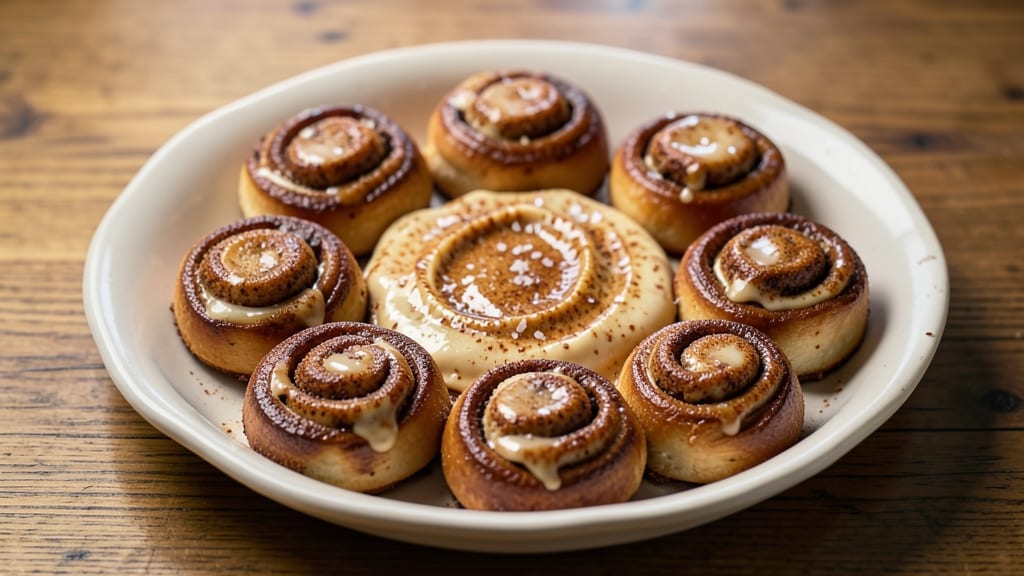
America's Test Kitchen cinnamon rolls recipe delivers the fluffiest, most aromatic dough with perfectly balanced cinnamon-sugar swirls—exactly what separates bakery-quality rolls from homemade disappointments. After testing countless variations, I’ve adapted their precise method to ensure tender layers, crisp edges, and a glaze that glistens like a professional pastry. The secret lies in dough hydration and rolling technique, both of which I’ll walk you through step by step.
This recipe begins with a yeast-based dough that develops rich flavor during a slow rise, then transforms into pillowy layers after a second proof. The cinnamon-sugar filling is generously packed between rolled dough sheets, creating those signature ribbons when sliced.
Baking at the right temperature ensures even browning without overcooking the center—a common mistake that leads to dense, gummy rolls.
What you’ll end up with is a batch of cinnamon rolls so tender they practically melt in your mouth, with a glaze that adds just the right amount of sweetness without overwhelming the warm spices.
The aroma alone will fill your kitchen with comfort, making these perfect for weekend breakfasts, holiday brunch, or even a cozy dessert. Let’s get started on the dough—the foundation of everything.
Once you master this method, you’ll never buy store-bought again. The key to success is patience during proofing and precision in rolling, but the results are worth every minute. Ready to bake rolls that rival your favorite bakery? Here’s how to do it right.
Ingredients for america's test kitchen cinnamon rolls
Twelve simple ingredients transform into bakery-style cinnamon rolls with tender layers and perfect spice swirls.
| Ingredient | Amount | Notes |
|---|---|---|
| All-Purpose Flour 🌾 | 5 cups | Spooned and leveled for accuracy |
| Granulated Sugar 🍚 | ¼ cup | For dough sweetness |
| Instant Yeast 🍞 | ¼ tsp | Active dry works too |
| Unsalted Butter 🧈 | ½ cup | Cold, cubed for dough |
| Large Eggs 🥚 | 2 whole | Room temperature |
| Whole Milk 🥛 | ½ cup | Warmed to 110°F |
| Salt 🧂 | ½ tsp | Fine sea salt |
| Brown Sugar 🍚 | ¾ cup | Packed for filling |
| Ground Cinnamon 🌿 | 2 tbsp | Freshly ground preferred |
| Unsalted Butter 🧈 | ½ cup | Melted for filling |
| Powdered Sugar 🍚 | ½ cup | For glaze |
| Heavy Cream 🥛 | ¼ cup | Full-fat for glaze |
| Vanilla Extract 🌸 | 1 tsp | Pure vanilla preferred |
The flour is non-negotiable—King Arthur or Gold Medal brands give the best results. I always grab mine from Whole Foods or the bulk section at Kroger for freshness. The butter matters too: Plugrá or Land O'Lakes unsalted work best when cold for the dough. For the yeast, check the expiration date—it loses potency fast. I keep mine in the freezer and use a 1-year-old packet for this recipe. The milk should be warm but not hot—110°F is perfect, and a candy thermometer makes this easy.
No vanilla extract? Vanilla bean paste at half the amount works wonders. Short on brown sugar? White sugar plus 1 tsp molasses mimics the flavor. The cinnamon should be freshly ground—pre-ground loses its aroma quickly. For the glaze, if you can't find heavy cream, half-and-half plus 1 tbsp butter is a decent swap. The dough needs patience—don't rush the proofing, or your rolls will taste flat. I always let mine rise overnight in the fridge for deeper flavor, but room temp works too if you're in a hurry.
Store the dough in an airtight container for up to 24 hours before rolling. Once baked, these keep at room temperature for 2 days wrapped in foil, or 3 months frozen. For freezing, slice before glazing—toss baked rolls in powdered sugar and freeze. Reheat in a 350°F oven for 10 minutes to restore freshness. The glaze sets quickly, so assemble rolls just before serving.
Why You'll Love This Recipe
- No Yeast Nightmare: The instant yeast works in minutes—no waiting hours for dough to rise. I’ve made these on lazy Sundays when I forgot to take dough out of the fridge, and they still turn out tender and fluffy. Just mix, let it sit, and bake.
- Buttery Swirl Magic: That rich butter swirled into the dough? It’s the star. The recipe balances it perfectly with sugar so every bite is sweet but not cloying, and the soft, pillowy texture stays intact even when reheated. Honestly, I’ve tried store-bought, and this beats it every time.
- Breakfast or Dessert: Serve them warm with coffee for a cozy morning treat or dust them with powdered sugar for a weekend dessert. My kids ask for them at both—no judgment here. The dough’s neutral flavor lets it shine in any setting.
- Budget-Friendly Feast: Uses pantry staples (flour, sugar, butter) and stretches to feed four for under $5. Leftovers? Toast them for a quick snack or freeze the dough for a future lazy day. I’ll be real—this is my go-to when I’m broke but still want to feel fancy.
Step-by-step instructions for america's test kitchen cinnamon rolls
Here's how to make the perfect cinnamon rolls with light, fluffy dough and rich spice swirls.
Mix the Dough Ingredients
In a large bowl, combine the 5 cups all-purpose flour, 0.25 cup granulated sugar, 0.25 tsp instant yeast, and 0.5 tsp salt. Whisk until evenly distributed—this ensures consistent texture throughout the dough.
Cut in the 0.5 cup unsalted butter (cold and cubed) using a pastry cutter or your fingers until the mixture resembles coarse crumbs. This step creates pockets for the yeast to activate properly. Add the 2 whole large eggs and 0.5 cup whole milk (warmed to 110°F) and mix until just combined. The dough should come together but still feel slightly shaggy at this stage.
Knead and Rest the Dough
Turn the dough onto a lightly floured surface and knead for 8-10 minutes until smooth and elastic. You'll know it's ready when it springs back slowly when pressed. This kneading develops gluten, which gives the rolls their signature pillowy texture.
Shape the dough into a ball, place it in a lightly greased bowl, and cover with a damp towel. Let it rise in a warm place for 1-1.5 hours or until doubled in size. This resting period allows the yeast to ferment fully, creating that light, airy crumb we're after. Poke the dough gently—if it springs back slowly, it's ready to proceed.
Prepare the Filling
In a small bowl, mix together the 0.75 cup brown sugar (packed), 2 tbsp ground cinnamon, and 0.5 cup melted unsalted butter. This rich, aromatic filling is what makes these cinnamon rolls irresistible. The butter should be completely melted but not hot—just warm enough to blend smoothly with the dry ingredients.
Roll out the risen dough on a lightly floured surface to a 12x18-inch rectangle (about ¼-inch thick). Spread the filling evenly over the entire surface, leaving a ½-inch border around the edges. This ensures the filling stays contained during baking and doesn't leak out.
Roll and Bake the Cinnamon Rolls
Starting from the long side, tightly roll up the dough into a log. Use a sharp knife to cut the log into 12 equal pieces. Arrange them cut-side up in a 9x13-inch baking dish, leaving no gaps between rolls. This close arrangement helps them rise beautifully during baking.
Cover the dish loosely with plastic wrap and let the rolls rise for another 30-45 minutes until puffy. Preheat your oven to 375°F while they rise. Bake for 20-25 minutes until the rolls are golden brown on top and the filling is bubbling at the edges. The center should still feel slightly soft—this ensures they stay moist inside.
Make the Glaze and Serve
While the rolls bake, prepare the glaze by whisking together the 0.5 cup powdered sugar, 0.25 cup heavy cream, and 1 tsp vanilla extract until smooth. This sweet, creamy topping is what ties everything together. The glaze should be thick enough to coat the back of a spoon but still drizzle easily.
As soon as the rolls come out of the oven, drizzle the glaze evenly over the top. Let them cool for 5 minutes before serving—this allows the glaze to set slightly for easier handling. Each bite should deliver that perfect balance of tender dough, warm spiced filling, and sweet cream glaze. Serve warm with a cup of coffee for the ultimate experience.
Pro Tips For Making America'S Test Kitchen Cinnamon Rolls
- Chill the Dough Properly: The recipe calls for two rises—don’t skip the second one, and make sure the dough rests in the fridge for at least 12 hours (overnight is ideal). I used to rush this, and the rolls turned out dense and flavorless. Cold slows fermentation, deepens the yeast flavor, and makes rolling easier—trust the process, even if you’re impatient.
- Use Cold Butter for Filling: The cinnamon-sugar filling should be packed into the dough like a log, but if the butter melts, it’ll make a mess. Scoop the filling into a piping bag, twist the top to seal, and refrigerate for 10 minutes before rolling. Cold butter stays put, and the rolls won’t leak gooey filling when you cut them.
- Don’t Overfill the Rolls: The recipe specifies 1/3 cup filling per roll—that’s not a suggestion. Overstuffing stretches the dough too thin, and the rolls tear when you cut them. Weigh the filling or eyeball it carefully; you want a snug but not bursting log. Thin slices mean less filling per bite, and no one wants that.
- Brush with Melted Butter Twice: The first brush of butter before baking gives shine and flavor, but the second one—after 15 minutes in the oven—is what makes the crust truly tender. Use the same melted butter (cooled slightly) and brush it on fast—the window between golden and burnt is tiny. This isn’t optional; it’s the difference between good and "wow."
Dietary considerations for america's test kitchen cinnamon rolls
Gluten-Free Adaptation
For a gluten-free version, replace the all-purpose flour with a 1:1 gluten-free baking flour blend like Bob’s Red Mill or King Arthur. Add 1 tsp xanthan gum to help bind the dough—this is crucial for structure.
The dough will be stickier, so use a silicon baking mat instead of flouring your surface. Proofing time may increase by 20-30 minutes due to the different gluten development. 💫
Dairy-Free Options
Swap the butter for Earth Balance vegan butter or coconut oil (solid at room temperature) in equal amounts. Use unsweetened almond milk instead of whole milk, warmed to 110°F.
For the glaze, replace heavy cream with coconut cream or oat cream for a similar texture. The flavor stays rich, just with a subtle nutty undertone.
Refined Sugar Substitutes
Replace the granulated and brown sugar with coconut sugar (1:1 ratio) for a lower-glycemic option. For the filling, use maple syrup or agave mixed with 1 tbsp melted butter to mimic the moisture.
The caramel notes in maple syrup enhance the cinnamon flavor beautifully. Keep the glaze powdered sugar-based for best results.
Lower-Carb Version
Cut carbs by using almond flour (3 cups) + 1 cup oat flour as a base, plus 1 tsp psyllium husk for binding. Reduce the sugar to 1 tbsp in the dough and 2 tbsp in the filling.
The texture will be denser but still tender. Pair with a cream cheese frosting (mix 4 oz cream cheese, 2 tbsp butter, and 1 tbsp powdered sugar) for a keto-friendly twist.
Nut-Free Allergy-Friendly
Ensure all ingredients are certified nut-free, especially the flour blend. Use sunflower seed butter (2 tbsp) in place of butter in the filling for a neutral flavor. Double-check labels on vanilla extract and cinnamon—some brands process in nut facilities. Store all ingredients in airtight containers to prevent cross-contamination.
Vegan Adaptations
Use flax eggs (2 tbsp ground flaxseed + 6 tbsp water = 1 egg) and vegan butter (like Miyoko’s). Replace milk with soy milk (warmed) and heavy cream with full-fat coconut milk.
The glaze works the same, but add 1 tsp lemon juice to balance sweetness. Bake at 350°F instead of 375°F to prevent over-browning with plant-based fats. 🌱
Nutrition facts
Frequently asked questions
Why does America's Test Kitchen recommend a slow rise for the dough?
The slow rise (1-1.5 hours at room temperature) allows the yeast to develop maximum flavor and creates a lighter, more tender crumb. Rushing this step often leads to dense rolls that lack that bakery-quality texture. For even deeper flavor, try the overnight fridge rise mentioned in the recipe notes.
Can I make these cinnamon rolls without a stand mixer?
The dough can be mixed by hand and kneaded on a floured surface for 8-10 minutes. Focus on developing the gluten by pressing and folding the dough rather than just stretching it. The key is patience—keep kneading until the dough springs back slowly when pressed.
What's the best way to store leftover cinnamon rolls?
Keep them at room temperature in an airtight container for up to 2 days. For longer storage, freeze the baked rolls (before glazing) for up to 3 months. To reheat, warm in a 350°F oven for 10 minutes or microwave for 20-30 seconds covered with a damp paper towel.
My rolls turned out gummy—what went wrong?
Gummy rolls usually mean the center wasn't fully baked or the dough was overproofed. Check your oven temperature with an oven thermometer (many run hot). Bake until the internal temperature reaches 190°F and the filling is bubbling. Also ensure your dough didn't rise too long before baking.
Can I make the filling ahead of time?
Yes! Mix the cinnamon-sugar filling ingredients and store in an airtight container in the fridge for up to 3 days. For best texture, let it sit at room temperature for 15 minutes before spreading on the rolled dough. The melted butter will soften slightly, making it easier to work with.