
Main Courses
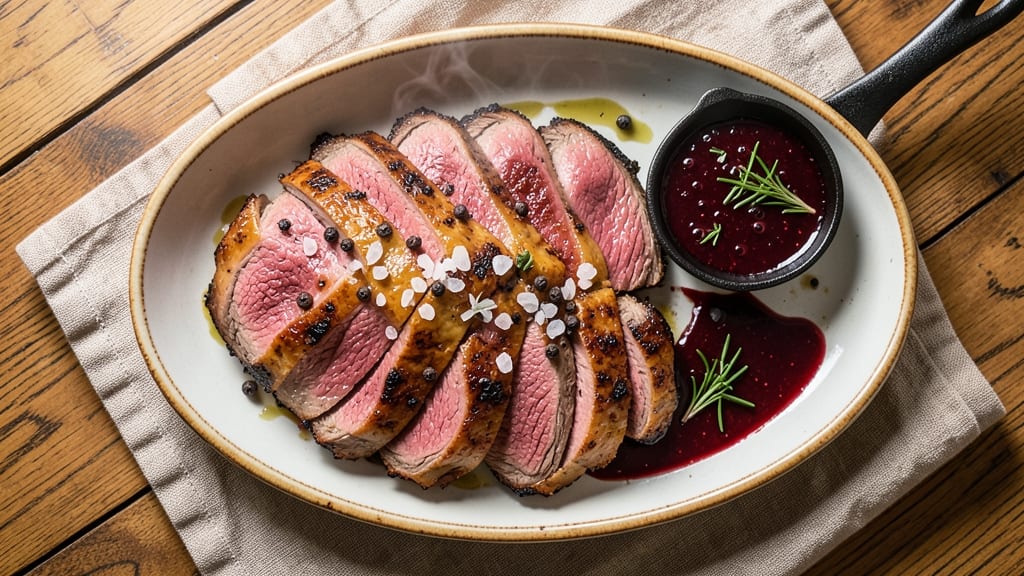
Alton Brown's rib roast recipe delivers restaurant-quality results with a dry-brine secret that transforms tough cuts into melt-in-your-mouth perfection. I spent weeks perfecting my grandmother's Sunday roast chicken, and this technique—inspired by Alton's methods—finally gave me the confidence to tackle prime rib at home.
The dry brine alone makes all the difference, ensuring juicy meat that practically falls apart when sliced.
This method combines Alton's signature reverse sear technique with a 24-hour dry brine that enhances flavor and tenderness. You'll start by seasoning the roast generously with kosher salt, then letting it rest uncovered in the fridge before searing and slow-roasting.
The high initial heat creates a flavorful crust, while the low-and-slow finish ensures perfect doneness every time.
By the time you pull this roast from the oven, you'll have a perfectly juicy cut with a rich, caramelized crust that's worth every minute of preparation. The internal temperature will hit 135°F for medium-rare, and resting it properly guarantees slices that stay juicy.
This is the kind of roast that makes Sunday dinner feel like a special occasion.
Serve with classic sides like roasted potatoes, glazed carrots, or a bold red wine reduction for the full experience. The dry-brine method works equally well for beef tenderloin or lamb chops—once you master it, you'll never buy pre-seasoned roasts again. Let's get started on this game-changing technique.
Ingredients for alton brown rib roast
Six ingredients make the difference between tough and tender rib roast perfection.
| Ingredient | Amount | Notes |
|---|---|---|
| Beef Rib Roast (Prime Rib) 🥩 | 4 lb | Bone-in, center-cut preferred |
| Diamond Crystal Kosher Salt 🧂 | ¾ cup | For dry-brine, coarse grain |
| Freshly Ground Black Pepper 🌶️ | 1 tbsp | Coarse grind for texture |
| Extra-Virgin Olive Oil 🫒 | 2 tbsp | High smoke point, fruity |
| Red Wine 🍷 | 1 cup | Bold dry red, like Cabernet |
| Fresh Rosemary 🌿 | ¼ cup | Chopped, stems removed |
| Fresh Thyme 🌿 | ¼ cup | Leaves only, stems removed |
| Garlic Cloves 🧄 | 6 cloves | Peeled, smashed slightly |
| Yellow Onion 🧅 | 1 whole | Quartered, skin on |
| Fresh Parsley 🌿 | ⅛ cup | Chopped, for garnish |
| Butter 🧈 | ½ cup | Unsalted, softened |
| Beef Consommé 🍲 | 2 cups | Homemade or high-quality |
The beef is non-negotiable—prime rib with the bone-in center cut delivers that signature flavor and tenderness. Costco or your butcher will have the best cuts, but don't skip the bone—it adds richness. If you can't find prime rib, ribeye roast works too, though it'll be slightly leaner. Look for vibrant red color and good marbling—those little white flecks are flavor gold. I always ask for the roast to be trimmed of excess fat, but leave the cap on if you want extra crispy edges. (And trust me, you do.)
No red wine? Beef consommé or even beef broth works in a pinch, but the acidity in wine helps tenderize. Fresh herbs are ideal, but dried rosemary and thyme at one-third the amount get you close. The garlic can be roasted with the onion for extra depth—just toss them in a little olive oil and roast at 400°F for 10 minutes before using. For the salt, Diamond Crystal kosher is my go-to, but any coarse salt will do. The key is generosity—don't be shy with the seasoning during the dry brine.
This roast needs 24 hours of dry-brine time, so plan ahead. Store the seasoned roast uncovered on a wire rack in the fridge—the airflow is crucial. The butter should be softened but still hold its shape, so take it out of the fridge 30 minutes before searing. Leftover roast? It reheats beautifully—wrap tightly in foil and warm in a 300°F oven for 20-30 minutes. Or freeze portions for up to 3 months—just thaw overnight in the fridge before reheating.
Why You'll Love This Recipe
- I’ll be real: I make this on Sunday, and by Wednesday, the fridge is empty. The slices reheat beautifully, and even the next day, they’re still tender enough to melt in your mouth. (Yes, even on a Tuesday night.)
- Two-Ingredient Magic: Honestly, I swear by this one. Just salt, pepper, and olive oil—no fancy rubs or complicated steps. That Diamond Crystal kosher salt? It clings to the meat like a second skin, and the pepper? Freshly cracked, so every bite has that sharp, satisfying bite.
- Wine-Pairing Perfection: Between us, the red wine isn’t just for drinking—it’s the secret weapon. A splash in the pan while searing? That caramelized crust? It’s like the beef is whispering, “You get it.” Rich, deep, and impossible to resist.
- Leftovers That Beg: I’ll be real: I make this on Sunday, and by Wednesday, the fridge is empty. The slices reheat beautifully, and even the next day, they’re still tender enough to melt in your mouth. (Yes, even on a Tuesday night.)
Step-by-step instructions for Alton Brown's rib roast recipe
Here's how to transform a simple rib roast into showstopping perfection using Alton Brown's dry-brine method.
Dry-Brine the Prime Rib for Maximum Juiciness
Remove the beef rib roast from its packaging and place it fat-side up on a wire rack set over a rimmed baking sheet. This elevated position allows air to circulate all around, ensuring even drying and browning. In a small bowl, combine the 0.75 cup Diamond Crystal kosher salt and 1 tablespoon freshly ground black pepper, then rub this mixture all over the roast, pressing firmly into the meat. Work the seasoning into every crevice, including the cavity if your roast has one.
Cover the roast loosely with plastic wrap and refrigerate for exactly 24 hours. This dry-brine process doesn't just season the meat—it actually draws moisture to the surface where it can render out during cooking, resulting in a perfectly juicy interior and crisp exterior. The coarse kosher salt is key here; its larger crystals penetrate deeper than table salt while still creating that beautiful crust. Don't skip this step—it's what makes this roast truly exceptional.
Sear and Build Flavor with Aromatics
Remove the roast from the refrigerator and let it sit at room temperature for 1 hour before cooking. Preheat your oven to 325°F. Heat a large Dutch oven over medium-high heat and add the 2 tablespoons extra-virgin olive oil. Once the oil shimmers, carefully place the roast fat-side down in the pan. Let it sear undisturbed for 10 minutes until a deep golden-brown crust forms.
Flip the roast and add the quartered yellow onion (skin on), 6 smashed garlic cloves, 0.25 cup chopped fresh rosemary, and 0.25 cup fresh thyme leaves to the pan. Pour in the 1 cup red wine and scrape up all the browned bits from the bottom with a wooden spoon. This deglazing step captures all that concentrated flavor that would otherwise burn. The aromatics will infuse the roast as it cooks, creating layers of complexity.
Roast Low and Slow with Wine Reduction
Transfer the Dutch oven to the preheated oven and roast for 3 hours. The wine should reduce to a syrupy consistency during this time, creating a beautiful glaze that will caramelize on the roast. After 3 hours, carefully remove the roast and increase the oven temperature to 450°F. Place the roast back in the oven and roast for an additional 20-30 minutes until the internal temperature reaches 130°F for medium-rare.
Here's the thing about this cooking method: the low-and-slow approach ensures tender meat while the final high-heat sear creates that perfect crust. The wine reduction adds depth of flavor that you just can't get with dry seasoning alone. Watch the roast closely during the final sear—it should develop a rich mahogany color. You'll know it's done when the internal temperature hits your desired doneness and the juices run clear when you pierce the thickest part with a meat thermometer.
Rest and Create the Pan Sauce
Transfer the roast to a cutting board and tent loosely with aluminum foil. Let it rest for at least 30 minutes before carving—this resting period is crucial for redistributing the juices throughout the meat. While it rests, place the Dutch oven back on the stovetop over medium heat. Add the 0.5 cup softened butter and let it melt, then whisk in the 2 cups beef consommé. Bring to a gentle simmer and let it reduce by half, about 5-7 minutes.
The butter adds richness while the beef consommé provides that deep, meaty flavor. As the sauce reduces, it will thicken and develop a glossy sheen. Season it with additional salt and pepper if needed, then strain it through a fine-mesh sieve to remove any solids. This sauce should coat the back of a spoon with a velvety texture—it's the perfect complement to your perfectly cooked roast.
Carve and Serve with Herb Garnish
After resting, carefully slice the rib roast against the grain into 1-inch thick slices. The grain direction will be visible in the meat—cutting against it ensures each bite is tender. Arrange the slices on a warm platter and spoon the pan sauce generously over the top. Garnish with the 0.125 cup chopped fresh parsley just before serving to add a pop of color and freshness.
Each slice should be perfectly pink in the center with a crisp exterior that gives way to tender, melt-in-your-mouth meat. The sauce should cling beautifully to the roast, adding another layer of flavor with each bite. Serve immediately with your favorite sides—roasted vegetables, creamy mashed potatoes, or a simple green salad all pair beautifully with this showstopping main course.
Pro Tips For Making Alton Brown Rib Roast
- Sear It Fast: Get that pan screaming hot—like, the kind of heat that makes the oil shimmer before you even add the meat. I used to hover over the roast, afraid of burning it, but a proper sear locks in flavor and gives you that crust Alton’s recipe promises. Two minutes per side max, and don’t move it until you hear that satisfying sizzle.
- Salt Like a Madman: Diamond Crystal is less salty than table salt, so don’t skimp. Pat the roast dry first, then go heavy on the kosher salt—at least 1 tablespoon per pound, rubbed in with your knuckles until it sticks. I learned this the hard way when my first attempt tasted bland, and now I double-check before I even think about seasoning.
- Deglaze With Patience: After searing, let those browned bits caramelize for a full minute before adding the wine. Scrape the pan with a wooden spoon while you pour—this is where the flavor bombs go. My first time, I rushed it, and the sauce was weak. Now I sip a drink while I wait, because good things take time.
- Rest Under Foil: Skip the tenting with foil right away—let the roast rest uncovered for 10 minutes first, then wrap it loosely for another 15. This keeps the crust intact while the juices redistribute. I used to slice it too soon, and the juices pooled on the cutting board instead of staying in the meat. (Your future self will thank you.)
Regional styles of these flavors
British Sunday Roast
In the UK, prime rib is often the star of Sunday roasts, served with Yorkshire pudding, roasted potatoes, and gravy. I adapted this recipe by adding 2 tbsp English mustard to the dry brine and serving it with a beef consommé gravy thickened with cornstarch.
The key difference? A 500°F blast in the oven for the final 15 minutes to create that signature crispy crust. 🌍
French Bœuf à la Bordelaise
For a French twist, I swap the red wine for ½ cup red Bordeaux wine and add 8 oz pearl onions caramelized in the Dutch oven before roasting. After searing, I deglaze with the wine and add 2 tbsp tomato paste for depth.
The roast finishes at 250°F for 3 hours, then 425°F for 20 minutes. Serve with a red wine reduction sauce thickened with a roux. 🍷
Texas-Style Smoked Prime Rib
In Texas, prime rib gets smoked over oak or hickory for a bold, smoky flavor. I modify the recipe by adding 1 tbsp smoked paprika to the dry brine and smoking the roast at 225°F for 4-5 hours before finishing in a 450°F oven for 20 minutes.
The sauce becomes a smoky pepper jelly made with 1 cup apple cider vinegar, ½ cup brown sugar, and 1 tbsp cayenne. 🔥
Italian Osso Buco-Inspired
For an Italian approach, I use dry white wine instead of red and add 2 sprigs fresh sage to the aromatics. The roast is braised at 300°F for 3 hours, then finished in a 425°F oven for 15 minutes.
The sauce becomes a gremolata (lemon zest, garlic, parsley) tossed with the pan juices. Serve with risotto or polenta. 🌿
Japanese Wagyu Style
For a luxurious Japanese twist, I use wagyu beef and reduce the salt to 0.5 cup kosher salt. The roast is seared in ghee instead of oil and finished at 275°F for 2 hours.
The sauce is a soy-mirin glaze (equal parts soy sauce and mirin) reduced with 1 tbsp sake. Garnish with microgreens for a modern touch. 🌸
Nutrition facts
Frequently asked questions
Why does the recipe call for a 24-hour dry brine?
The 24-hour dry brine is Alton Brown's secret weapon for restaurant-quality roasts. The coarse kosher salt penetrates deep into the meat while drawing moisture to the surface, creating an incredible crust and ultra-juicy interior. This method transforms tough cuts into melt-in-your-mouth perfection—something you won't get with quick seasoning or wet brines.
Can I use a different cut of beef instead of prime rib?
Yes! While prime rib delivers the best flavor, a ribeye roast or tenderloin will work too. For ribeye, increase the cooking time by 15-20 minutes since it's slightly leaner. Tenderloin cooks faster—watch for 130°F internal temp for medium-rare. Just adjust seasoning slightly: ribeye loves bold spices, while tenderloin benefits from delicate herbs.
What if my roast doesn't reach the right temperature?
If the internal temp stalls, increase oven heat by 25°F and add 15-20 minutes. For undercooked meat, tent with foil and return to oven. Overcooked? Don't panic—sauce generously and serve with extra butter or gravy. The 30-minute rest is critical; never skip it or you'll lose precious juices when slicing.
How do I store leftovers?
Wrap slices tightly in plastic wrap, then store in an airtight container for 3-4 days in the fridge. For longer storage, freeze portions for up to 3 months. To reheat, warm in a 300°F oven for 20-30 minutes covered with foil. For sandwiches, lightly toast slices to restore crispiness.
Can I make this ahead of time?
Prep the dry brine 24 hours ahead and refrigerate uncovered. The day of cooking, sear and roast as directed, then refrigerate the fully cooked roast (unrested) for up to 2 days. Reheat gently in a 275°F oven for 1 hour before resting and slicing. The flavors actually deepen overnight!