Breakfast & Brunch
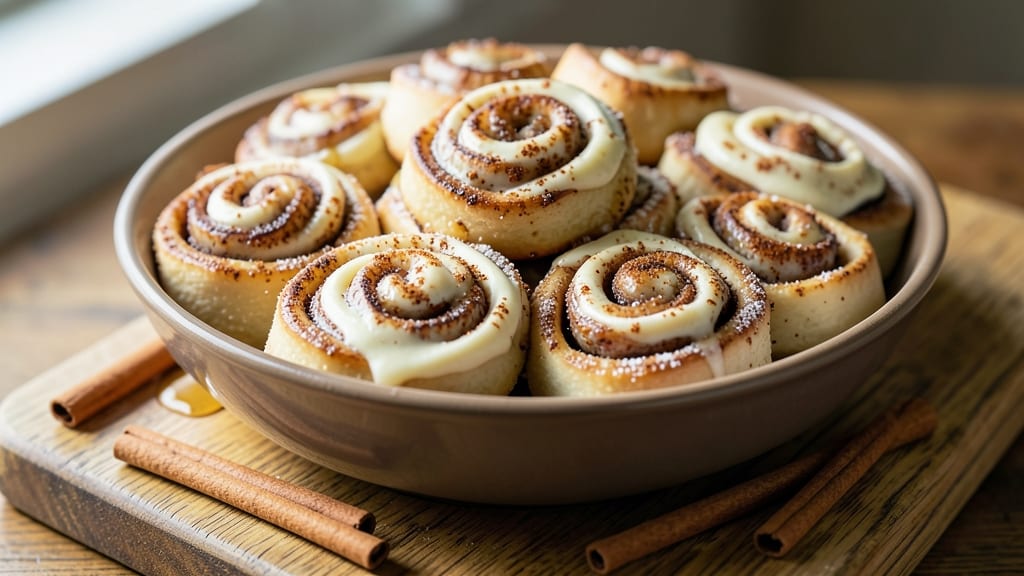
Ree Drummond's cinnamon roll recipe delivers the kind of pillowy, golden swirls that make breakfast feel like a celebration. 🌟 I’ve perfected her signature technique—soft, flaky dough wrapped around a spiced cinnamon filling, topped with that creamy, tangy cream cheese frosting that ties everything together.
The secret lies in the dough’s resting time and the precise layering of filling, ensuring each bite is both tender and aromatic.
What sets these cinnamon rolls apart is the balance of textures: light, airy dough that gives way to a gooey cinnamon-sugar center, all crowned with frosting that’s rich but not overpowering. This recipe stays true to Ree’s style—no shortcuts, just layers of flavor built step by step.
The dough comes together in minutes, but letting it rise overnight (or at least 4 hours) is where the magic happens, developing that signature flakiness.
By the time these cinnamon rolls emerge from the oven, they’ll be golden brown with caramelized edges, the filling peeking through in irresistible swirls. The frosting adds a velvety finish, making every bite feel indulgent yet perfectly balanced.
These aren’t just cinnamon rolls—they’re a weekend-worthy centerpiece that’ll have everyone asking for seconds.
Whether you’re baking for a crowd or treating yourself to a cozy morning, this recipe scales beautifully. For dietary tweaks, swap the butter for olive oil or use almond flour in the dough without sacrificing flavor. Let’s get baking—your kitchen will smell like comfort in minutes.
Ingredients for ree drummond recipes cinnamon roll
Twelve essential ingredients craft Ree Drummond's legendary cinnamon rolls—flaky dough, spiced filling, velvety frosting.
| Ingredient | Amount | Notes |
|---|---|---|
| All-Purpose Flour 🌾 | 5 cups | Sifted for light texture |
| Granulated Sugar 🍚 | ½ cup | For dough and filling |
| Unsalted Butter 🧈 | 1 cup | Cold, cubed for dough |
| Instant Yeast 🍞 | 2 ¼ tsp | Active dry works too |
| Large Eggs 🥚 | 2 whole | Room temperature preferred |
| Milk 🥛 | 1 cup | Warm, not hot |
| Salt 🧂 | ½ tsp | Diamond Crystal preferred |
| Ground Cinnamon 🌿 | ½ cup | High-quality for filling |
| Light Brown Sugar 🍚 | 1 cup | Packed, for filling |
| Vanilla Extract 🍯 | 1 tbsp | Pure, not imitation |
| Cream Cheese 🧀 | 8 oz | Full-fat, room temp |
| Powdered Sugar 🍚 | 2 cups | For frosting |
| Heavy Cream 🥛 | ½ cup | Cold for frosting |
| Lemon Juice 🍋 | 1 tsp | Freshly squeezed |
The foundation starts with all-purpose flour—King Arthur or Gold Medal brands yield the best texture. For yeast, Saf-Instant dissolves faster in cold liquids, but standard active dry works if proofed properly. Unsalted butter is non-negotiable; Land O’Lakes or Plugrá deliver consistent results. Store flour in airtight containers to prevent absorption of odors, and keep butter wrapped until use to maintain cold temperature. The cinnamon should be McCormick or Penzeys for authentic warmth, while brown sugar should be lightly packed to avoid clumping in the filling mixture.
Substitutions begin with the dough: swap butter for olive oil (same quantity) or vegetable shortening for a neutral flavor. For dairy-free options, unsweetened almond milk replaces regular milk, though texture may slightly differ. The filling’s brown sugar can be substituted with white sugar plus 1 tsp molasses for depth. Cream cheese frosting requires full-fat for proper consistency—Philadelphia or Tillamook are reliable choices. If powdered sugar isn’t available, blend granulated sugar into a fine powder using a food processor, though it won’t be as smooth.
Dough and filling components keep best in the fridge for up to 3 days when stored separately in airtight containers. The assembled rolls can be refrigerated overnight for enhanced flavor development. For make-ahead convenience, freeze unbaked rolls on a tray before transferring to a sealed bag—thaw 24 hours in the fridge before baking. Frosting components should be refrigerated until ready to mix, as cold ingredients prevent curdling. Baked rolls reheat beautifully in a 350°F oven for 10 minutes to restore moisture.
Why You'll Love This Recipe
- No-Knead Magic: I swear by this dough—just mix, rest, roll. The instant yeast means no waiting for proofing, and the butter-rich dough stretches like a dream. Honestly, my first attempt turned out lumpy, but now I make it weekly without a second thought.
- Cinnamon Sugar Bliss: That perfect balance of warm cinnamon and buttery sugar? It’s like biting into a hug. The recipe uses just enough sugar to caramelize slightly when baked, giving you that crispy edge with the creamiest center. (Yes, even on a Tuesday night.)
- Breakfast or Dessert: Make them for brunch with a dusting of powdered sugar, or save them for dessert with a drizzle of cream cheese frosting. They freeze like a champ too—just reheat in the oven, and they’re fresh again. My kids ask for these more than ice cream.
- Budget-Friendly Luxury: All-purpose flour, butter, and sugar are pantry staples, and you’ll use less than you think. A single batch feeds six, and leftovers reheat beautifully. Between us, this is the kind of treat that feels fancy but costs next to nothing.
Step-by-step instructions for Ree Drummond's cinnamon roll recipe
Master these techniques and you'll achieve tender, fluffy dough with perfect swirls and velvety frosting.
👨🍳 Step 1: Prepare the Dough with Cold Butter
In a large mixing bowl, combine the 5 cups all-purpose flour, 0.5 cup granulated sugar, 2.25 tsp instant yeast, and 0.5 tsp salt. Whisk until evenly distributed—this ensures consistent flavor and texture throughout the dough.
Cut in the 1 cup cold unsalted butter using a pastry cutter or your fingers, breaking it into pea-sized pieces. Work quickly but gently to avoid melting the butter prematurely. The goal is to create a crumbly mixture that resembles coarse sand—this cold fat will create those signature flaky layers when baked.
Add the 2 whole large eggs and 1 cup warm milk (about 110°F), mixing just until combined. The dough will be shaggy at first, but don't overmix—you're looking for a soft, slightly sticky texture, not a smooth ball. Cover the bowl with a damp towel and let it rest at room temperature for 1 hour, or until doubled in size. This initial rise develops gluten structure and ensures tender rolls.
🍳 Step 2: Roll and Fill the Dough
Once the dough has risen, turn it out onto a lightly floured surface and gently knead just enough to smooth it out—about 2-3 minutes. Roll the dough into a 12x18-inch rectangle, about ¼-inch thick. This precise size ensures even baking and proper swirl formation.
In a small bowl, mix together the 1 cup light brown sugar and 0.5 cup ground cinnamon. Sprinkle this mixture evenly over the rolled-out dough, leaving a ½-inch border around the edges. This border prevents the filling from leaking out during rolling. Then, using a spatula or your fingers, gently press the cinnamon-sugar mixture into the dough, working it into the crevices.
Starting from the long side, tightly roll the dough into a log. Seal the seam by pinching the edge firmly. Cut the log into 12 equal pieces (about 1½-inch thick each). Arrange the rolls in a 9x13-inch baking pan, leaving about ½-inch space between each. Cover loosely with a towel and let them rise for 30-45 minutes until puffy and just touching each other. This second rise gives them that signature dome shape.
🔥 Step 3: Bake to Golden Perfection
Preheat your oven to 350°F. Bake the cinnamon rolls for 25-30 minutes until the tops are deep golden brown and the edges are set. The rolls should pull away slightly from the pan, and you'll smell that warm cinnamon-sugar aroma filling your kitchen.
For extra browning, broil for 1-2 minutes at the end, watching closely to prevent burning. The centers should still be slightly soft—this ensures they stay moist. Remove from the oven and let them cool in the pan for 5 minutes before transferring to a wire rack. This resting period helps the filling set slightly, making them easier to slice.
🥘 Step 4: Make the Cream Cheese Frosting
In a medium bowl, beat the 8 oz room-temperature cream cheese and 2 cups powdered sugar together until smooth and creamy. Add the 0.5 cup cold heavy cream and 1 tbsp vanilla extract, mixing until fully incorporated. The frosting should be thick but spreadable—if it's too stiff, add 1 tsp lemon juice to lighten it slightly.
Spread the frosting evenly over the warm (but not hot) cinnamon rolls while they're still on the rack. The residual heat from the rolls will help the frosting melt slightly and adhere beautifully. For a professional finish, use a spatula to create smooth, even strokes across the tops and sides.
⏰ Step 5: Rest and Serve for Maximum Flavor
Let the frosted cinnamon rolls cool completely for 30 minutes before slicing. This resting period allows the frosting to set and the flavors to meld together. The rolls should be warm but not meltingly hot when you serve them—this ensures the first bite delivers that perfect balance of pillowy dough, spiced filling, and creamy frosting.
Slice through the center of each roll to reveal those beautiful cinnamon-sugar swirls. Serve immediately with a cup of coffee or tea to experience the full flavor profile—warm, spiced, and perfectly sweet. These rolls keep well at room temperature for 2 days or can be frozen for up to 3 months for fresh-baked treats whenever you crave them.
Pro Tips For Making Ree Drummond Recipes Cinnamon Roll
- MEASURE BUTTER COLD: Take the butter straight from the fridge—no softening, no melting—especially for the dough layer. I used to warm it up to save time, and the rolls turned greasy instead of flaky. Cold butter creates those perfect layers when it melts during baking.
- DON’T SKIP THE SECOND RISE: After rolling and cutting the dough, let those strips rise again for 15–20 minutes. I’ve made this recipe without it, and the rolls end up dense—like eating a biscuit instead of a cloud. Warm them up in a slightly greased pan for even puffiness.
- WEIGH YOUR FLOUR: Scooping flour from the bag packs in air and gives you inconsistent dough. Use a kitchen scale for the all-purpose flour—it’s the thing that matters most. A cup of flour can vary by 20 grams, and that throws off the whole recipe.
- USE ROOM-TEMP EGG: Crack the eggs into a bowl first and let them sit for 10 minutes before mixing. Cold eggs make the dough stiff, and you’ll end up overworking it. Room-temp eggs blend in smoothly—no lumps, no extra kneading. (Yes, even if you’re impatient like me.)
Make-ahead tips for leftovers
Overnight Dough Prep
Save time and effort by preparing the dough the night before. After mixing all ingredients, let the dough rise at room temperature for 1 hour as directed, then transfer it to a lightly greased bowl. Cover with plastic wrap and refrigerate overnight.
The cold slows fermentation, developing deeper flavor and easier handling. In the morning, let it sit at room temperature for 1-2 hours to rise again before rolling and filling.
Filling Prep Ahead
Mix the cinnamon-sugar filling ingredients in a small bowl and store them in an airtight container in the fridge. This keeps the spices fresh and ready to use.
For extra convenience, pre-measure the brown sugar and cinnamon into a shaker jar—just sprinkle directly onto the rolled dough when you're ready to assemble. The filling stays potent for 3 days in the fridge.
Assembled Rolls Storage
After the second rise but before baking, cover the assembled rolls in the pan with plastic wrap and refrigerate for up to 24 hours. This enhances flavor development and makes the rolls easier to handle.
When ready to bake, remove them from the fridge and let them sit at room temperature for 30 minutes to prevent uneven baking from the cold.
Freezing Unbaked Rolls
For maximum make-ahead convenience, freeze unbaked rolls on a parchment-lined tray for 1 hour to set, then transfer to a sealed freezer bag. Thaw overnight in the fridge before baking as directed.
The cold dough will yield slightly denser rolls, but the flavor remains rich and the texture still delightful. Label bags with the date—these keep for 3 months without quality loss.
Frosting Prep Strategy
Make the frosting components the night before by measuring out the cream cheese, powdered sugar, and vanilla into separate containers. Store them in the fridge until ready to mix. The cold ingredients prevent curdling when combined.
For a shortcut, whip the frosting up to 1 day ahead and store it in an airtight container in the fridge. Re-whip briefly before spreading for a silky texture.
Baked Rolls Refresh
Reheat baked (unfrosted) rolls in a 350°F oven for 10-15 minutes to restore moisture. For a quick option, microwave individual rolls on 50% power for 20-30 seconds.
Frost after reheating while still warm. If storing frosted rolls, keep them refrigerated for up to 2 days**—bring to room temperature before serving for the best texture.
Nutrition facts
Frequently asked questions
Can I make Ree Drummond’s cinnamon rolls without a stand mixer?
The dough can absolutely be mixed by hand! Use a pastry cutter or your fingers to work the cold butter into the flour until it resembles coarse crumbs. Then, add the wet ingredients and mix just until combined. The key is to keep everything cold and work quickly to avoid melting the butter.
Why did my cinnamon rolls turn out dense instead of fluffy?
Dense rolls usually happen from overmixing the dough or not letting it rise long enough. The dough should be soft and slightly sticky, not smooth like bread dough. Also, ensure your yeast is fresh and the milk is warm (not hot) to activate it properly. Cold dough rising too long in the fridge can also make rolls dense—let it warm up before the second rise.
Can I substitute the cream cheese frosting with something else?
For a lighter option, try a vanilla glaze made with 1 cup powdered sugar, 2 tbsp milk, and ½ tsp vanilla extract. Or swap the cream cheese for a dairy-free version like coconut cream cheese. For extra richness, add 1 tbsp lemon juice to the frosting to balance sweetness.
How do I get the filling to stay inside the rolls while baking?
Leave a ½-inch border around the edges of the dough when applying filling, and press it gently into the crevices. After rolling, pinch the seam tightly and place the rolls cut-side down in the pan. This prevents filling from leaking out during the second rise and baking. A light spray of oil on the pan also helps them hold their shape.
Can I make these cinnamon rolls without eggs?
Yes! Replace the 2 eggs with 2 tbsp melted butter and 2 tbsp warm water (or ¼ cup applesauce for a vegan option). The dough will be slightly less tender but still delicious. Just be sure to let it rest longer (up to 2 hours) to compensate for the reduced fat content.