Appetizers
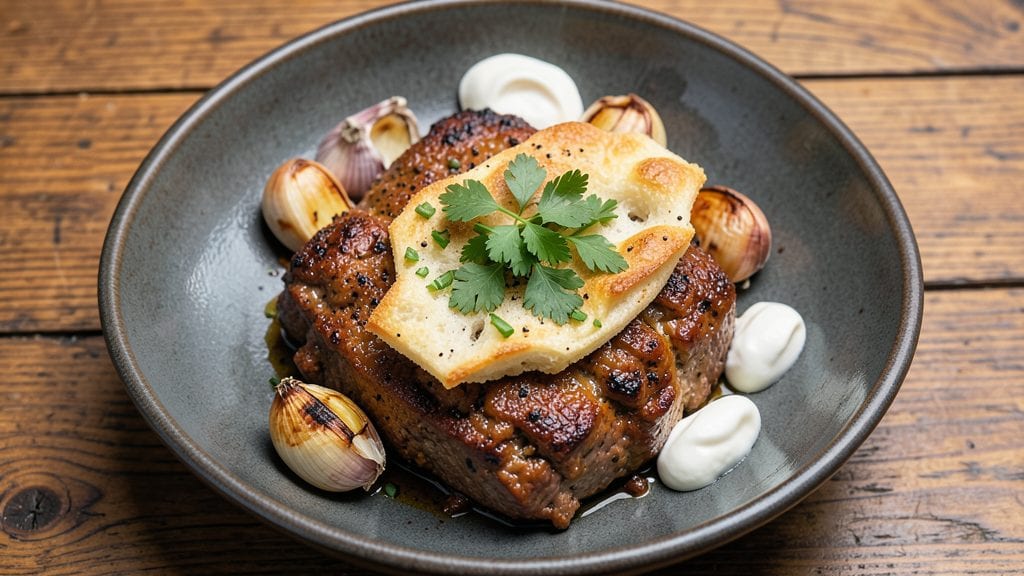
This Polish lamb cake recipe delivers a savory masterpiece with a golden herb crust and juicy pink lamb centers that taste like a taste of tradition. The delicate pastry encases tender lamb seasoned with garlic, parsley, and paprika, creating a dish that feels both elegant and comforting.
I first discovered this recipe at a family gathering in Kraków, where it became the star of every holiday table.
The beauty of this dish lies in its balance—flaky, buttery dough wraps around rich lamb filling that stays moist and flavorful. Traditional versions often include a touch of sour cream in the dough for extra tenderness, while the filling gets its signature depth from slow-cooked lamb.
What makes this recipe special is how it transforms a simple lamb roast into something restaurant-worthy with just a few key techniques.
By the time it emerges from the oven, you'll have perfectly golden cakes with crisp edges and tender centers that practically melt in your mouth. The aroma of garlic and herbs fills the kitchen, while the lamb stays pink and succulent inside.
This is the kind of dish that makes guests ask for the recipe—and the kind of meal that feels like a hug from Polish home cooking.
Serve these with a simple cucumber salad or horseradish cream for the full experience. The recipe scales beautifully for gatherings, and leftovers reheat perfectly. Let's get started on creating this savory masterpiece that brings a taste of Poland to your table.
Ingredients for polish lamb cake
Sixteen ingredients transform simple lamb into a Polish masterpiece with golden crust and juicy centers.
| Ingredient | Amount | Notes |
|---|---|---|
| Ground Lamb 🐑 | 1 ½ lb | Freshly ground, not pre-seasoned |
| All-Purpose Flour 🌾 | 3 cups | For dough, sifted before use |
| Unsalted Butter 🧈 | ¾ cup | Cold, cubed for dough |
| Sour Cream 🥛 | ½ cup | Full-fat for tenderness |
| Garlic Cloves 🧄 | 6 cloves | Freshly minced for filling |
| Fresh Parsley 🌿 | ¼ cup | Chopped, stems removed |
| Sweet Paprika 🌶️ | 1 tbsp | Smoked for deeper flavor |
| Ground Black Pepper 🌶️ | 1 tsp | Freshly cracked |
| Salt 🧂 | 1 ½ tsp | Kosher or sea salt |
| Large Eggs 🥚 | 2 whole | Room temperature |
| Ice Water 💧 | ½ cup | For dough elasticity |
| Dried Thyme 🌿 | 1 tsp | Or 1 tbsp fresh |
| Marjoram 🌿 | 1 tsp | Dried, traditional Polish herb |
| Vegetable Oil 🫒 | 2 tbsp | For brushing dough |
The lamb is the heart of this dish, so quality matters. Look for ground lamb with visible fat—it keeps the filling moist and tender. Local butchers often have fresher cuts than grocery stores, and the difference is noticeable. If you can't find lamb, ground beef with 20% fat works in a pinch, but the flavor won't be authentic. The herbs—parsley, thyme, and marjoram—should be fragrant and dry if using dried varieties. For the dough, all-purpose flour is standard, but bread flour adds extra structure if you prefer a firmer crust. Keep everything cold until ready to mix—this prevents the butter from melting prematurely.
No sour cream? Greek yogurt at half the quantity works similarly, though the texture will differ slightly. Short on fresh parsley? Dried parsley at one-third the amount suffices, but fresh is ideal for that bright flavor. The paprika can be swapped for smoked paprika if you prefer a deeper, slightly smoky note. For the dough, butter substitutes like lard or shortening can be used, but butter gives the signature flaky texture. If you're making this ahead, prep the filling and dough separately and assemble just before baking to maintain freshness. The marjoram is key—don't skip it, as it's a traditional Polish herb that adds depth.
This dish reheats beautifully—350°F for 10-15 minutes restores the crisp crust. Store leftovers in an airtight container for up to 4 days, though the flavor peaks within the first two. For freezing, wrap individual cakes tightly in foil and freeze for up to 3 months. Thaw overnight in the fridge before reheating. The dough can be prepped a day ahead and stored in the fridge, but the filling is best made fresh to preserve its juiciness. Serve with a simple cucumber salad or horseradish cream to complement the rich lamb.
Why You'll Love This Recipe
- One-Bowl Wonder: I swear by this recipe when I’m too tired to measure three separate ingredients. Just mix the ground lamb with flour, butter, sour cream, and minced garlic—no fancy techniques, no extra bowls. The dough comes together faster than I can say "dinner’s ready."
- Garlic Butter Magic: That moment when you bite into a warm slice and the garlic butter has melted into the lamb? It’s like a flavor explosion. The sour cream keeps it creamy, but the crispy edges from the butter? Absolute perfection.
- Leftover Goldmine: This cake holds up better than most—slice it, wrap it, and it’s still delicious reheated the next day. I often make a double batch because it’s the perfect way to use up ground lamb without breaking the bank. (Yes, even my picky husband asks for seconds.)
- Budget-Friendly Feast: Ground lamb is cheaper than you’d think, and this recipe stretches it into something hearty. Add a side of roasted potatoes or a simple salad, and you’ve got a full meal for less than takeout. Plus, the sour cream adds richness without costing extra.
Step-by-step instructions for Polish lamb cake
This traditional Polish dish delivers a perfect balance of savory crust and tender, juicy lamb filling.
Prepare the Lamb Filling
In a large mixing bowl, combine the 1.5 lb ground lamb, 1 tbsp sweet paprika, 1 tsp dried thyme, 1 tsp marjoram, 1 tsp ground black pepper, and 1.5 tsp salt. Mix gently with your hands until the spices are evenly distributed throughout the lamb. This ensures every bite will be flavorful.
Next, add the 6 cloves minced garlic cloves and 0.25 cup chopped fresh parsley to the lamb mixture. Stir well to combine, then form the mixture into a log shape about 12 inches long and 3 inches thick. This shape will fit perfectly inside your rolled dough later. Keep the lamb filling cold in the refrigerator until ready to use.
Make the Dough
In a large bowl, combine the 3 cups all-purpose flour and set aside. Cut the 0.75 cup unsalted butter into small cubes and let it sit at room temperature for 10 minutes to soften slightly. This makes it easier to work with.
Add the 2 whole large eggs and 0.5 cup sour cream to the flour mixture. Using a fork, stir until the ingredients begin to clump together. Gradually add the 0.5 cup ice water, 1 tablespoon at a time, mixing just until the dough comes together. Be careful not to overmix—this can make the dough tough.
Once the dough forms a shaggy mass, turn it out onto a lightly floured surface and knead gently for 2-3 minutes until smooth. The dough should be slightly sticky but not wet. If it feels too dry, add 1 teaspoon of ice water at a time until it reaches the right consistency. Wrap the dough in plastic wrap and let it rest for 20 minutes at room temperature.
Roll and Assemble the Cake
After the dough has rested, roll it out on a lightly floured surface into a 12-inch by 14-inch rectangle, about 1/8-inch thick. This large surface area will create a beautiful crust when baked. Brush the entire surface lightly with 2 tbsp vegetable oil, leaving a 1-inch border uncovered on all sides.
Place the lamb filling log diagonally along the center of the rolled dough, leaving about 1 inch of dough uncovered on all sides. Carefully roll the dough tightly around the lamb filling, sealing the edges as you go. This creates a secure package that will hold its shape during baking. Trim any excess dough from the ends to create a neat, even log shape.
Preheat your oven to Bake to Golden Perfection
During the last 10 minutes of baking, cover the top of the cake loosely with aluminum foil if it begins to brown too quickly. This prevents over-browning while ensuring the lamb remains juicy. The crust should be crisp and golden, while the lamb filling should be tender and pink in the center.
Rest and Serve
Remove the lamb cake from the oven and let it rest on the baking sheet for 10 minutes. This resting period allows the juices to redistribute throughout the lamb, ensuring each slice is moist and flavorful. The crust will firm up slightly, making it easier to slice.
Using a sharp serrated knife, cut the lamb cake into 6 equal slices. Serve immediately with a side of sauerkraut** or a fresh green salad. The contrast of the crispy, savory crust with the tender, juicy lamb filling makes this dish unforgettable. Enjoy while warm for the best experience!
Pro Tips For Making Polish Lamb Cake
- Preheat Pan Properly: Polish lamb cake needs a screaming-hot skillet—medium-high isn’t enough. Heat your pan for 2 full minutes before adding the mixture, then test with a drop of water: if it sizzles violently, you’re ready. I learned this the hard way when my first batch stuck like glue.
- Pulse Garlic Like a Pro: Skip the mincer and pulse garlic cloves in a food processor with a pinch of salt until it looks like coarse sand. This distributes flavor evenly without bitter chunks. (Yes, even if you’re impatient—just don’t overdo it or you’ll get garlic paste.)
- Don’t Overmix the Dough: Mix the ground lamb, flour, sour cream, and butter just until combined—lumps are fine. Overworking the dough makes the cake dense and chewy. I used to knead it like bread dough, then wondered why it tasted like a meatloaf.
- Press Firm, Not Fragile: Shape the cake into a thick, even disk—about 1.5 inches tall—and press it firmly into the pan. A loose crumble won’t hold together when flipping. My grandmother swore by this, and she was right: the edges stay intact, and the texture stays tender.
Regional styles of these flavors
Kraków's Holiday Classic
In Kraków, this dish is a staple during Wielkanoc (Easter), where it's often called baranek wielkanocny—a lamb-shaped cake symbolizing Christ as the "Lamb of God." The traditional version uses sweetened dough with a lamb-shaped topping, but my savory version keeps the spirit while delivering bold flavors.
I remember my babcia (grandmother) shaping the dough into a lamb form for Easter, but the rolled log version is easier for home cooks. 🐑
Lublin's Hearty Twist
In Lublin, this dish takes on a rustic, heartier approach with whole milk replacing sour cream in the dough and extra black pepper in the filling. The region's version often includes diced potatoes in the filling for added moisture and texture.
For an authentic Lublin touch, add 1 diced small potato (about ½ cup) to the lamb mixture before rolling. This variation is perfect for cold winters when hearty meals are essential.
Warsaw's Elegant Adaptation
Warsaw's culinary scene leans toward sophistication, and their version of this lamb cake often features a thin layer of spiced honey brushed on top before baking. The honey caramelizes beautifully, adding a subtle sweetness that balances the savory lamb.
For this, mix 1 tbsp honey with ½ tsp cinnamon and brush it over the assembled cake just before the final 10 minutes of baking. This adaptation feels elegant enough for dinner parties while keeping the dish grounded in tradition.
Pomeranian Coastal Influence
The coastal regions of Pomerania incorporate fresh herbs from the sea breeze, like dill and chives, into the filling. Swap out parsley for ½ the amount of fresh dill and add 1 tbsp chopped chives to the lamb mixture for a bright, almost Scandinavian-inspired twist.
This version pairs wonderfully with smoked herring or pickled vegetables—a nod to the region's love of preserved and fresh seafood. The herbs add a refreshing contrast to the richness of the lamb.
Silesian Spiced Version
Silesia, known for its love of spices, enhances this dish with extra marjoram and a pinch of nutmeg in both the dough and filling. For this version, increase the marjoram to 1.5 tsp and add ¼ tsp ground nutmeg to the lamb mixture.
The nutmeg adds warmth that complements the lamb beautifully. This spiced take is especially popular during Christmas Eve (Wigilia), where rich, spiced dishes are traditional. 🌶️
Modern Urban Take
For a contemporary twist, some urban chefs in Warsaw and Kraków are experimenting with stuffed lamb cakes—smaller individual portions with unique fillings. Try dividing the dough into 6 small rectangles, rolling each around a small sausage (like Polish kielbasa) or a lamb and mushroom mixture.
Bake these mini versions at 350°F for 25-30 minutes until golden. This approach is perfect for appetizers or a fun, interactive meal where guests can customize their fillings.
Nutrition facts
Frequently asked questions
Can I substitute ground beef for lamb in this recipe?
You can use ground beef with 20% fat as a substitute, but the flavor won't be authentic. For best results, choose a leaner cut like sirloin or chuck, and add 1 extra teaspoon of garlic powder to compensate for the missing lamb flavor. The texture will be slightly different, but it works in a pinch.
How do I prevent the dough from cracking when rolling?
Keep your work surface and rolling pin lightly floured but not dusted with excess flour. Roll gently from the center outward, rotating the dough as you go. If the dough feels too dry, add 1 teaspoon of ice water at a time. Also, ensure the dough has rested for the full 20 minutes before rolling—this helps it relax and become more pliable.
What's the best way to reheat leftover lamb cake?
For the crispest crust, reheat at 350°F for 10-15 minutes, covered loosely with aluminum foil. If you prefer a softer crust, wrap slices in foil and warm in the microwave for 20-30 seconds. Never reheat uncovered in the microwave—it makes the crust soggy. Leftovers keep well in an airtight container for 4 days.
Can I make this ahead of time for a holiday gathering?
Assemble the cakes and refrigerate them uncovered for up to 24 hours before baking. This enhances the flavor. For make-ahead baking, bake at 350°F for 55-60 minutes (10°F lower and 5-10 minutes longer) to compensate for the cold start. Reheat before serving to restore crispness.
Why is my lamb filling dry instead of juicy?
Overmixing the filling or baking too long causes dryness. Keep the lamb cold until assembly, and bake until the internal temperature reaches 160°F—not higher. For extra moisture, add 1 tablespoon of beef or chicken broth to the lamb mixture. Always let the cake rest 10 minutes after baking before slicing to retain juices.