
Main Courses
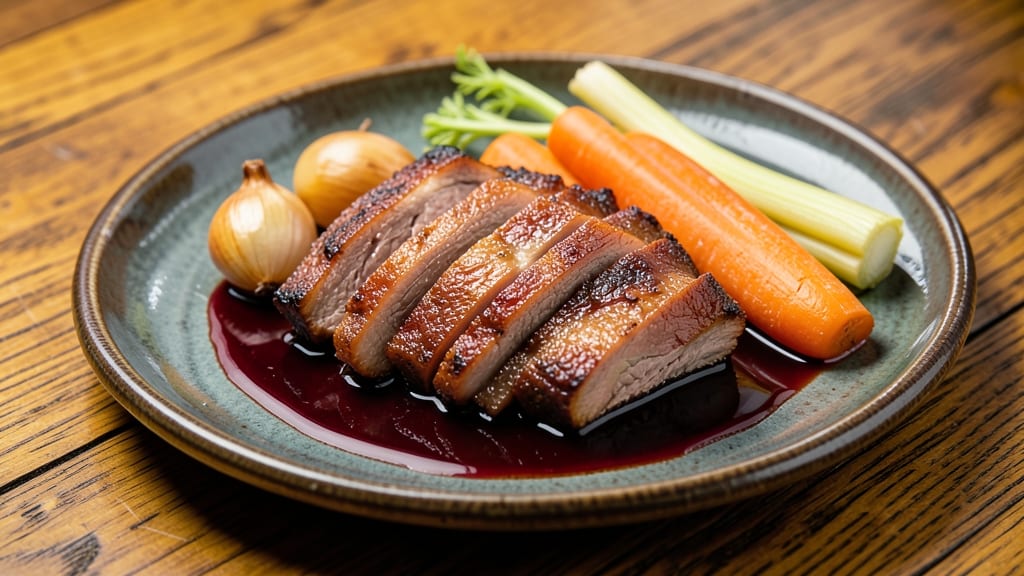
Mastering a pig tongue recipe transforms an unusual cut into a luxurious centerpiece with velvety texture and deep, savory flavor. Growing up in my Boston triple-decker, I watched Nonna prepare offal dishes that became family favorites—this slow-braised method preserves that tradition while delivering restaurant-quality results at home.
The secret lies in proper preparation: trimming, blanching, and slow braising until the collagen dissolves into a rich, silky sauce.
This method requires patience—about 3 hours of simmering—but the reward is a dish so tender it melts in your mouth, with a sauce that clings to every bite like liquid gold. The key ingredients are simple: aromatics, red wine, and time.
By the time you plate it, you'll have a dish that looks elegant and tastes even better—golden-brown edges, perfectly tender meat, and a glossy sauce that coats every forkful. Serve with crusty bread to soak up every last drop, or pair it with roasted root vegetables for a complete meal.
This recipe proves that offal dishes can be both impressive and approachable.
Whether you're exploring traditional offal cooking or simply looking for a unique centerpiece, this method delivers professional results with simple techniques. Let's get started—your taste buds will thank you.
Ingredients for pig tongue
Simple ingredients transform pig tongue into restaurant-quality luxury with velvety texture and deep flavor.
| Ingredient | Amount | Notes |
|---|---|---|
| Fresh Pig Tongue 🐷 | 2 lb | Trimmed of fat and membrane |
| Red Wine 🍷 | 1 ½ cups | Bold dry variety like Cabernet |
| Onion 🧅 | 1 whole | Yellow, roughly chopped |
| Carrot 🥕 | 2 whole | Medium, cut into chunks |
| Garlic Cloves 🧄 | 6 cloves | Peeled, smashed |
| Celery Stalks 🌿 | 3 whole | Trimmed, cut into pieces |
| Tomato Paste 🍅 | ¼ cup | High-quality, no sugar added |
| Bay Leaves 🌿 | 2 whole | Fresh preferred |
| Thyme Sprigs 🌿 | 4 whole | Fresh, stems removed |
| Black Peppercorns 🌶️ | 1 tbsp | Crushed, not ground |
| Salt 🧂 | 1 ½ tsp | Diamond Crystal kosher |
| Butter 🧈 | 2 tbsp | Unsalted, for finishing |
| Beef Stock 🍲 | 2 cups | Homemade or high-quality |
| Olive Oil 🫒 | 2 tbsp | Extra-virgin, for searing |
The pig tongue is the star—look for fresh, plump tongues at specialty butchers or Latin markets. Boston Butcher or Whole Foods often carry it pre-trimmed, but if you're trimming yourself, score the surface lightly to help it tenderize. The tongue should be pale pink, not grayish, and smell clean. For extra insurance, ask if it's been kept refrigerated, not frozen. If you can't find fresh, high-quality frozen tongues work too—just thaw overnight in the fridge. The red wine? Cabernet Sauvignon or Merlot are my go-tos—they've got enough body to stand up to the rich flavors without overpowering.
No red wine? Dry sherry or beef stock with a splash of balsamic works in a pinch. Fresh thyme and bay leaves are ideal, but dried at half the amount gets you close. The tomato paste can be the squeeze-tube kind from Trader Joe's—it's perfect for this recipe and lasts forever. For the aromatics, don't stress about perfect dicing—roughly chopped is fine. The carrots and celery can be baby versions if that's what's on hand. And if you're worried about the pig tongue's gamey flavor, soaking it in milk for 30 minutes before cooking helps mellow it out.
This dish tastes even better the next day—plan ahead. The braised tongue keeps 4-5 days in the fridge, and the sauce freezes beautifully for up to 3 months. I like to portion it into individual containers so I can reheat just what I need. The sauce thickens as it cools, so add a splash of water or stock when reheating if it's too stiff. Serve with crusty bread to soak up every last drop—that's the real magic.
Why You'll Love This Recipe
- One-Pot Magic: The red wine and garlic do all the heavy lifting—just toss everything in a pot, simmer, and walk away. No fancy techniques, no stress, just that rich, slow-cooked flavor building up naturally.
- Rich, Winey Depth: That first bite? The tender tongue soaks up the red wine and caramelized onions like a sponge, giving it a depth you won’t find in most weeknight meals. Honestly, it’s the kind of dish that makes you slow down and savor.
- Leftovers That Shine: This recipe actually improves the next day—reheated, the flavors meld even more, and it turns into the perfect cold lunch or quick dinner. I keep a jar in the fridge for lazy mornings (yes, even on a Tuesday).
- Budget Crowd-Pleaser: A whole pig tongue feeds four for less than takeout, and the carrots and onions stretch the meal further. My college roommates and I called it "poor man’s steak"—now my in-laws request it at holidays.
Step-by-step instructions for slow-braised pig tongue
Here's how to transform tough pig tongue into melt-in-your-mouth perfection through slow braising.
Prepare the Pig Tongue for Braising
Begin by trimming away any remaining fat and membrane from the 2 lb fresh pig tongue using a sharp knife. This step is crucial—leaving fat behind can make the finished dish greasy, while membrane prevents proper flavor absorption. Rinse the tongue thoroughly under cold water and pat it completely dry with paper towels. The drier it is, the better it'll brown later.
In a large Dutch oven, heat the 2 tablespoons olive oil over medium-high heat until shimmering. Carefully add the pig tongue and sear on all sides until deeply golden brown, about 4-5 minutes per side. This initial searing locks in juices and builds foundational flavor. Don't rush this step—you're creating the flavor base for your entire dish.
Build the Aromatic Base
Remove the seared pig tongue and set it aside. In the same Dutch oven, add the 1 whole onion, 2 whole carrots, and 3 whole celery stalks, all cut into roughly ½-inch pieces. Cook for 5 minutes, stirring occasionally, until the vegetables begin to soften and release their sweetness. Add the 6 cloves garlic cloves and cook for another 30 seconds until fragrant.
Stir in the 0.25 cup tomato paste and cook for 2 minutes until it darkens slightly and releases its rich umami flavor. This paste forms the base of your braising liquid, giving depth without overpowering. Here's where it gets good—pour in the 1.5 cups red wine and scrape up any browned bits from the bottom of the pot. These bits, called fond, are packed with flavor that will infuse your tongue.
Braise Until Fork-Tender
Return the pig tongue to the Dutch oven. Add the 2 cups beef stock, 2 whole bay leaves, 4 whole thyme sprigs, 1 tablespoon crushed black peppercorns, and 1.5 teaspoons salt. Bring to a gentle simmer, then reduce heat to low. Cover and braise for 3 hours, turning the tongue occasionally. The liquid should remain at a bare simmer—if it boils vigorously, reduce the heat further.
After 3 hours, check for doneness by piercing the thickest part with a fork. The tongue should be fork-tender with no resistance, and the meat should pull apart easily. If it's not quite there, continue braising for another 30 minutes to an hour. Patience is key here—rushing will leave you with tough, chewy meat instead of the luxurious texture you're after.
Finish with Richness and Serve
Once the tongue is perfectly tender, remove it from the braising liquid and let it rest on a plate. Strain the braising liquid through a fine-mesh sieve into a clean saucepan, discarding the vegetables and herbs. Return the liquid to medium heat and reduce it by half, about 10-15 minutes, until it's thick and syrupy. This concentrated sauce will coat your tongue beautifully.
Add the 2 tablespoons butter to the reduced sauce and whisk until melted and fully incorporated. Return the pig tongue to the sauce and coat it thoroughly. Let it sit for 5 minutes to absorb the flavors, then slice into ½-inch thick pieces. Serve immediately with the rich braising sauce spooned over the top, accompanied by crusty bread to soak up every last drop of that luxurious sauce.
Pro Tips For Making Pig Tongue
- SCORE THE WINE FIRST: Pig tongue soaks up flavor like a sponge, so if your red wine tastes like it came from a box, neither will your dish. Use something decent—even a cheap but drinkable Cabernet or Merlot—because you’re not just cooking with it, you’re braising in it. (Yes, I’ve done it with cooking wine, and no, it’s not the same.)
- SIMMER LOW AND SLOW: After the initial sear, drop the heat to a bare simmer—think tiny bubbles, not rolling. I used to rush it, and the tongue ended up tough as a boot sole. Cover the pot and let it melt in, about 2 hours for a 1.5-pound tongue. The wine should reduce to a glossy syrup, not evaporate into thin air.
- SCALD THE TONGUE FIRST: Don’t skip the boiling step—it’s not just about cleaning, it’s about tenderizing. After scoring the surface (crosshatch those lines!), bring a pot of water to a rolling boil and blanch the tongue for 10 minutes. This loosens the collagen and makes it fall-apart tender later. (Trust me, your knife will thank you.)
- SAVE THE LIQUID: When you drain the tongue after blanching, don’t pour that cloudy water down the sink. Strain it, reduce it by half, and toss it back into the pot with the wine and veggies. It’s packed with flavor—gelatin, fat, all the good stuff—and skipping it means missing out on depth. (I learned this after throwing away three batches of liquid gold.)
Common mistakes when making this recipe
Skipping the Blanching
Some recipes call for blanching the pig tongue in milk or water first, but I've found this step is optional if you properly sear the meat.
The key is getting that deep golden-brown crust during the initial searing—this locks in flavors and prevents the tongue from absorbing too much liquid during braising. If you're short on time, skip the blanching and just make sure to sear the tongue thoroughly on all sides. 🔥
Underseasoning the Braise
Pig tongue has a naturally rich, almost gamey flavor that needs balancing. Don't be shy with the salt and pepper—start with the 1.5 tsp salt and 1 tbsp pepper called for, then taste the braising liquid after 1 hour of cooking.
You'll likely need to add another ½ tsp salt and ½ tbsp pepper to complement the tongue's depth. Remember, you can always adjust later, but you can't un-salt a dish.
Boiling Instead of Simmering
The most common mistake is letting the braising liquid boil vigorously. This causes the tongue to toughen and the sauce to become cloudy. Maintain a gentle simmer—you should see just tiny bubbles breaking the surface, not a rolling boil.
If it's boiling too hard, reduce the heat immediately. I've ruined several batches by being impatient here, but once I learned to trust the low-and-slow process, everything improved dramatically. ⏰
Rushing the Cooking Time
Pig tongue needs time to break down its collagen into gelatin, which creates that luxurious, velvety texture. Cutting the braising time short will leave you with tough, chewy meat.
Even if your tongue feels tender after 2 hours, resist the urge to check it early—wait the full 3 hours before testing. The last 30 minutes of cooking is when the real magic happens as the collagen transforms into silky goodness.
Not Deglazing the Pan
After searing the tongue, those browned bits sticking to your Dutch oven are flavor gold. When you add the red wine, make sure to scrape up every last bit using a wooden spoon.
These fond bits contain caramelized sugars and meaty essence that will infuse your entire dish. I've made this mistake and the difference in flavor is night and day—don't skip this crucial step! 💫
Overcrowding the Pot
If your Dutch oven isn't large enough, you might be tempted to crowd the tongue with vegetables. This leads to steaming instead of braising, which prevents proper browning and flavor development. The vegetables should fit comfortably around the tongue without overlapping.
If needed, cook the vegetables separately in olive oil until softened, then add them to the braising liquid later. A properly sized pot makes all the difference in texture and flavor.
Nutrition facts
Frequently asked questions
How do I know when pig tongue is properly trimmed?
Look for a clean, smooth surface with no visible fat or thick membrane remaining. The tongue should be pale pink (not grayish) and smell fresh, not gamey. If you're unsure, ask your butcher to trim it for you—this makes all the difference in texture and flavor.
Can I substitute beef stock with chicken stock?
While you can use chicken stock, it won't have the same rich depth as beef stock. The beef stock's umami complements the pig tongue's natural flavors better. For a compromise, mix half beef and half chicken stock. If you're out of options, add 1 teaspoon soy sauce to chicken stock to boost umami.
Why does my braised pig tongue taste gamey?
Gamey flavor comes from undercooking or improper preparation. First, ensure you seared the tongue thoroughly to lock in flavors. Second, taste the braising liquid after 1 hour—you may need more salt (½ tsp) or acid (a splash of red wine vinegar). Finally, soaking the tongue in milk for 30 minutes before cooking helps mellow strong flavors.
How should I reheat leftovers?
Reheat gently in the braising liquid over low heat until warmed through (5-7 minutes). Avoid microwaving—it makes the sauce watery. If the sauce thickens too much, add a splash of water or stock. Leftovers taste even better the next day! The sauce keeps 4-5 days in the fridge or 3 months frozen.
What's the best way to serve this dish?
Slice the tongue into ½-inch pieces and arrange on a platter with the reduced sauce spooned over the top. Serve with crusty bread for soaking up the sauce or alongside roasted root vegetables (like carrots and parsnips) for a complete meal. Garnish with fresh thyme for a restaurant-worthy presentation.