
Main Courses
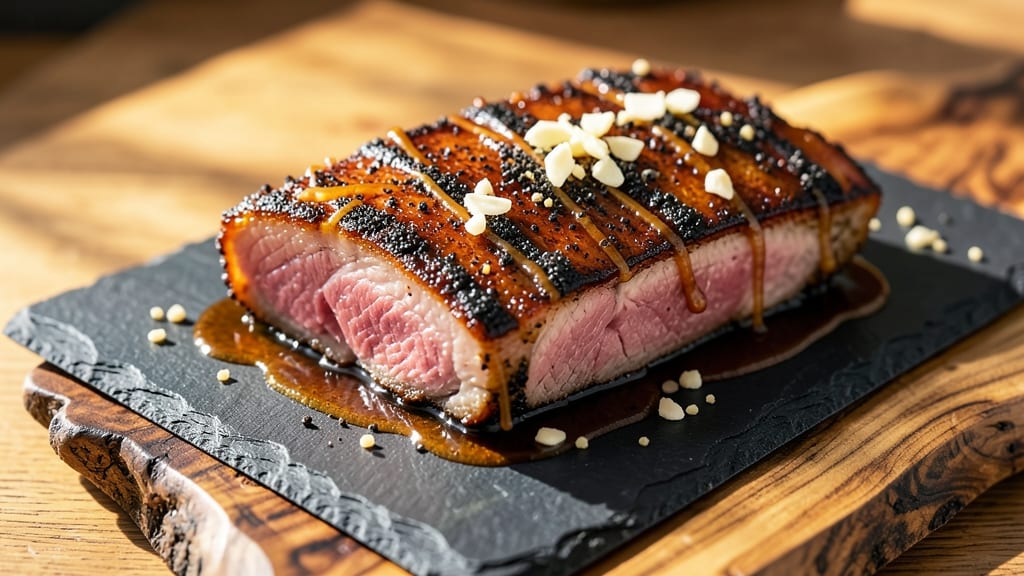
Transforming tough venison ribs into fall-off-the-bone tenderness starts with this oven-baked method that preserves natural flavors while creating a smoky-sweet crust. I developed this recipe after years of hunting trips where perfectly cooked venison was the difference between a memorable meal and a disappointing one.
The key lies in low-and-slow baking at 325°F—slow enough to prevent drying out, yet hot enough to render fat and build that irresistible bark.
What sets this apart is the two-phase seasoning technique: a dry rub for depth, followed by a basting glaze that locks in moisture while caramelizing into a glossy finish. Venison requires extra care—it cooks faster than beef ribs, so we monitor internal temperatures closely to avoid overcooking.
The result? Ribs that are juicy inside, crispy outside, with a balance of smoky, sweet, and savory notes that make every bite worth the effort.
This method yields three to four servings, depending on rib size, and pairs beautifully with roasted root vegetables or a tangy apple-cider reduction. The best part? These ribs develop deeper flavor the longer they rest, so they taste even better the next day.
Whether you're feeding a family or celebrating a successful hunt, this recipe delivers restaurant-quality results at home.
For those new to venison, I’ve included critical tips to handle its leaner nature—like marinating overnight and avoiding high-heat searing. The instructions walk through every step, from prep to plating, ensuring you’ll achieve that perfectly tender, smoky-sweet crust every time. Let’s get cooking—your table is about to get an upgrade.
Ingredients for oven baked venison ribs
Venison ribs deserve this two-phase treatment—smoky-sweet crust meets tender, juicy meat inside.
| Ingredient | Amount | Notes |
|---|---|---|
| Venison Back Ribs 🦌 | 3 lb | Bone-in, cut into 2-inch sections |
| Unsalted Butter 🧈 | ½ cup | Cold, cubed for basting |
| Brown Sugar 🍯 | ¼ cup | Packed, for dry rub |
| Smoked Paprika 🌶️ | 2 tbsp | For deep smoky flavor |
| Ground Black Pepper 🌶️ | 1 ½ tbsp | Freshly cracked for heat |
| Granulated Garlic 🧄 | 1 tbsp | For aromatic depth |
| Kosher Salt 🧂 | 1 ½ tbsp | Diamond Crystal preferred |
| Apple Cider Vinegar 🍎 | ¼ cup | For tangy glaze base |
| Honey 🍯 | ¼ cup | Wildflower for floral notes |
| Fresh Rosemary 🌿 | ¼ cup | Chopped, for herbal aroma |
| Fresh Thyme 🌿 | ¼ cup | Leaves only, finely chopped |
| Onion Powder 🧅 | 1 tsp | For subtle sweetness |
| Cayenne Pepper 🔥 | ½ tsp | Optional, for heat |
The venison ribs are the star, so source them fresh from a trusted butcher or game processor. Look for well-marbled sections—this fat keeps the meat moist during slow cooking. I always ask for 2-inch cut sections to ensure even cooking. If you're working with frozen venison, thaw it in the fridge for 24-48 hours—never at room temperature. For the best flavor, Costco or local game processors often have high-quality cuts, but any reputable butcher will do. Avoid ribs with a strong gamey odor, as this indicates poor handling.
No smoked paprika? Substitute with a mix of regular paprika and a pinch of liquid smoke—just don't overdo it. Fresh herbs wilt fast, so dried rosemary and thyme at one-third the amount work in a pinch. The apple cider vinegar can be swapped for balsamic vinegar, though it'll add a slightly different depth. Honey substitutes like maple syrup or agave work, but honey's floral notes are ideal here. For the butter, ghee or duck fat adds richness if you're feeling adventurous. The cayenne is optional, but if you skip it, add an extra pinch of black pepper for heat.
Prep the ribs the night before if possible—they'll develop deeper flavor. Store the ribs in the fridge, uncovered, for 1-2 hours before cooking to help the rub adhere better. The basting butter and glaze components can be prepped ahead and stored in the fridge for up to 3 days. Once cooked, ribs reheat beautifully—wrap them in foil and warm in a 300°F oven for 10-15 minutes. For leftovers, store in an airtight container for 3-4 days or freeze for up to 3 months. The glaze thickens when chilled, so give it a quick stir before reheating.
Why You'll Love This Recipe
- No-Smoker Needed: I swear by this method—no fancy smoker, no babysitting the grill. Just toss the ribs on a sheet pan with butter, brown sugar, and smoked paprika, then let the oven do the work while I sip coffee. Honestly, the results are just as tender and flavorful as anything slow-smoked.
- Sweet-Savory Magic: That caramelized brown sugar crust? It’s the star. The smoked paprika adds depth, while the butter keeps everything juicy—like a hug for your taste buds. Between us, it’s the kind of dish that makes people ask, “What’s in this?” and then beg for the recipe.
- Leftovers That Shine: These ribs reheat like a dream—wrap them in foil, pop in the oven for 10 minutes, and they’re just as good as fresh. I’ll be real: I’ve turned them into tacos, sandwiches, and even a hearty salad topper. (Yes, even on a Tuesday night.)
- Budget-Friendly Luxury: Venison ribs are leaner than pork, so they’re easier on the wallet without sacrificing flavor. A single rack stretches across two meals—perfect for feeding the family without breaking the bank. Plus, the ingredients? Basic stuff I already have. Spot-on.
Step-by-step instructions for oven-baked venison ribs
Here's how to transform tough venison ribs into melt-in-your-mouth perfection with a smoky-sweet crust.
Prepare the Venison Ribs and Dry Rub
Pat the 3 lb venison back ribs completely dry with paper towels—this is non-negotiable for crispy bark. I like to work in batches, wiping down each rib section thoroughly. The goal is to remove every trace of moisture that would otherwise steam the meat instead of browning it.
In a large bowl, combine the 0.25 cup packed brown sugar, 2 tbsp smoked paprika, 1.5 tbsp ground black pepper, 1 tbsp granulated garlic, 1.5 tbsp kosher salt, 1 tsp onion powder, and 0.5 tsp cayenne pepper. Mix well until the spices are evenly distributed and the sugar is fully incorporated. This dry rub needs to cling to the ribs, so I press it firmly into every crevice using my fingers. The sugar will caramelize during baking, creating that beautiful crust.
Let the rubbed ribs rest at room temperature for 30 minutes before cooking. This allows the spices to penetrate the meat and ensures even cooking. Don't skip this step—cold meat takes longer to come to temperature and can lead to uneven results.
Create the Glaze and Preheat the Oven
While the ribs rest, prepare the glaze by combining the 0.25 cup apple cider vinegar, 0.25 cup honey, and 0.25 cup chopped fresh rosemary in a small saucepan. Bring to a gentle simmer over medium heat and let it reduce by half—about 5-7 minutes. You're looking for a syrupy consistency that will stick to the ribs and create that glossy finish. The vinegar adds tang to balance the sweetness, while the rosemary infuses herbal notes.
Preheat your oven to 325°F. This lower temperature is crucial for breaking down the collagen in venison ribs, which transforms tough connective tissue into gelatin that makes the meat tender. Place a wire rack on top of a baking sheet and arrange the ribs in a single layer, bone-side down. This positioning allows heat to circulate evenly around the meat.
Bake the Ribs Until Tender
Bake the ribs for 3 hours, uncovered. I know this seems like a long time, but patience is key here. The ribs are done when they reach an internal temperature of 200°F and the meat pulls away from the bones with just a gentle tug. During this time, you'll want to baste the ribs with melted butter every 45 minutes—this keeps them moist and adds richness. Melt the 0.5 cup unsalted butter in a small saucepan over low heat and brush it over the ribs using a pastry brush.
Here's the thing about venison ribs—they're leaner than beef ribs, so they can dry out if not monitored carefully. The butter basting and the wire rack setup help prevent this by promoting even moisture distribution. If you notice the ribs browning too quickly, tent them loosely with foil to slow the process.
Apply the Glaze and Finish
After the initial 3-hour bake, remove the ribs from the oven and increase the temperature to 400°F. Brush the reduced glaze evenly over the top of the ribs, making sure to get into all the crevices. The high heat will caramelize the glaze, creating that beautiful glossy crust we're after. Return the ribs to the oven and bake for an additional 15-20 minutes, or until the glaze is bubbly and the ribs are deeply browned.
To check for doneness, insert a meat thermometer into the thickest part of the meat—it should read 205°F. The ribs should be fork-tender, with meat that falls away from the bones effortlessly. If you're serving immediately, transfer the ribs to a cutting board and let them rest for 10 minutes. This resting period allows the juices to redistribute, ensuring each bite is moist and flavorful.
Serve with Fresh Herbs and Sides
Slice the ribs between the bones and arrange them on a serving platter. Sprinkle with the remaining 0.25 cup chopped fresh thyme and any extra glaze from the saucepan. The thyme adds a bright, herbal note that complements the smoky-sweet flavors of the ribs. Serve immediately with roasted vegetables or a simple green salad to balance the richness.
Each rib should be tender enough to pull apart with minimal effort, with a crispy, caramelized exterior that gives way to succulent meat. The combination of the dry rub and the glaze creates a complex flavor profile that's both sweet and savory, with a hint of heat from the cayenne. This method guarantees fall-off-the-bone tenderness that will impress even the most discerning guests.
Pro Tips For Making Oven Baked Venison Ribs
- Trim the Fat First: Venison ribs have leaner fat than beef, so scrape off any thick layers before seasoning—it prevents uneven browning and keeps the meat from drying out. I used to skip this, and the ribs always ended up tougher than they should’ve been.
- Brown Sugar Early: Mix the brown sugar with the smoked paprika and butter before rubbing it on the ribs. This helps the sugar melt into a sticky glaze faster, giving you that caramelized crust without burning. (Yes, I know it’s extra steps, but it’s worth it.)
- Skip the Crowding: If you’re baking multiple racks, resist the urge to stack them. Overlapping ribs traps steam and turns them soggy—space them at least an inch apart on the tray. I learned this after my first batch came out like boiled meat.
- Start Hot, Finish Low: Bake the ribs at 425°F (220°C) for the first 20 minutes to sear the seasoning, then drop to 300°F (150°C) for the rest. This two-stage approach guarantees a crispy exterior without drying out the meat inside. (Your meat thermometer should hit 195°F—don’t guess.)
Creative variations of this dish
Smoky Maple Glaze
Swap the apple cider vinegar glaze for a maple-bourbon reduction that adds depth and warmth. Combine 0.5 cup pure maple syrup, 0.25 cup bourbon, and 1 tbsp soy sauce in a saucepan.
Simmer for 10 minutes until syrupy, then brush over ribs during the final 15-minute broil. The bourbon caramelizes beautifully, creating a rich, smoky-sweet crust with a subtle kick. 🍁
Herb-Infused Mustard
For a tangy twist, replace the fresh rosemary in the glaze with 2 tbsp Dijon mustard and 1 tbsp fresh tarragon. Simmer the glaze with 0.25 cup apple cider vinegar and 0.25 cup honey, then reduce by half.
The mustard adds a sharp contrast to the sweetness, while tarragon introduces an anise-like note that pairs perfectly with venison’s earthy flavor. Use this glaze during the final broiling step for a glossy finish.
Spicy Coffee Rub
Boost the heat and complexity with a coffee-infused dry rub. Replace half the brown sugar with 2 tbsp finely ground coffee and add 1 tsp cinnamon to the original rub. The coffee enhances the smokiness, while cinnamon adds warmth.
For extra depth, marinate the ribs in this rub overnight—it penetrates deeper, creating a bold, aromatic crust. Pair with a chocolate-dipped fruit side to balance the intensity. ☕
Balsamic Berry Glaze
Brighten the flavor profile with a balsamic-berry reduction. Simmer 0.5 cup balsamic vinegar, 0.25 cup mixed berry jam (like raspberry or blackberry), and 1 tsp fresh thyme until thickened. Brush this glaze over the ribs in the final 20 minutes of cooking at 400°F.
The tartness of the balsamic cuts through the richness, while the berries add a fruity sweetness that complements venison’s natural gamey notes. Serve with a goat cheese salad for a perfect balance.
Creamy Horseradish Sauce
Elevate the dish with a creamy horseradish sauce for serving. Mix 0.5 cup sour cream, 2 tbsp prepared horseradish, 1 tbsp fresh dill, and a pinch of salt. Drizzle this over sliced ribs for a sharp, cooling contrast to the smoky-sweet crust.
The horseradish’s peppery bite cleanses the palate, making each bite of tender venison even more satisfying. This sauce also works as a marinade if you prefer a milder flavor profile. 🌿
Grilled Pineapple Salsa
Add a tropical twist with a grilled pineapple salsa. Char 1 cup pineapple chunks on a grill or skillet until caramelized, then mix with 0.25 cup diced red onion, 0.25 cup chopped cilantro, 1 jalapeño (seeded and minced), and a squeeze of lime.
Serve this salsa alongside the ribs for a refreshing, sweet-spicy contrast. The pineapple’s natural acidity cuts through the richness, while the jalapeño adds a subtle heat that enhances the smoky flavors. 🍍
Nutrition facts
Frequently asked questions
Why do venison ribs need a lower oven temperature than beef ribs?
Venison is leaner than beef, so it cooks faster and dries out more easily. Baking at 325°F breaks down collagen slowly, creating tender meat without overcooking. Beef ribs often start at 275°F, but venison's higher internal temperature threshold means we use 325°F to prevent toughness while building that smoky-sweet crust.
Can I use frozen venison ribs for this recipe?
Yes, but thaw them properly first! Place the ribs in the fridge for 24-48 hours before cooking. Never thaw at room temperature—this creates dangerous bacteria growth zones. For extra tenderness, marinate the thawed ribs overnight in the original dry rub ingredients mixed with 0.25 cup apple cider vinegar and 1 tbsp olive oil.
What's the best way to store leftovers?
Store cooked ribs in an airtight container for 3-4 days in the fridge. For longer storage, wrap tightly in foil and freeze for up to 3 months. Reheat wrapped in foil at 300°F for 15-20 minutes—the glaze may need a quick broil to restore crispiness. The flavors actually improve after resting overnight, making leftovers perfect for sandwiches!
How do I know when venison ribs are done?
Use a meat thermometer for accuracy! The ribs are perfect at 205°F internal temperature. The meat should pull away from bones with gentle pressure, and the glaze should be bubbly and set. For extra confirmation, check the "fork test"—a fork should slide through the meat with minimal resistance. Venison ribs cook faster than beef, so monitor after 2.5 hours.
Can I make this recipe in a slow cooker?
Brown the ribs first in a skillet, then transfer to a slow cooker with the dry rub and 0.5 cup apple cider vinegar. Cook on low for 6-8 hours, basting occasionally. In the last hour, increase to high heat, add the glaze ingredients, and cook until caramelized. The slow cooker method is perfect for hands-off prep while maintaining tenderness.