Breakfast & Brunch
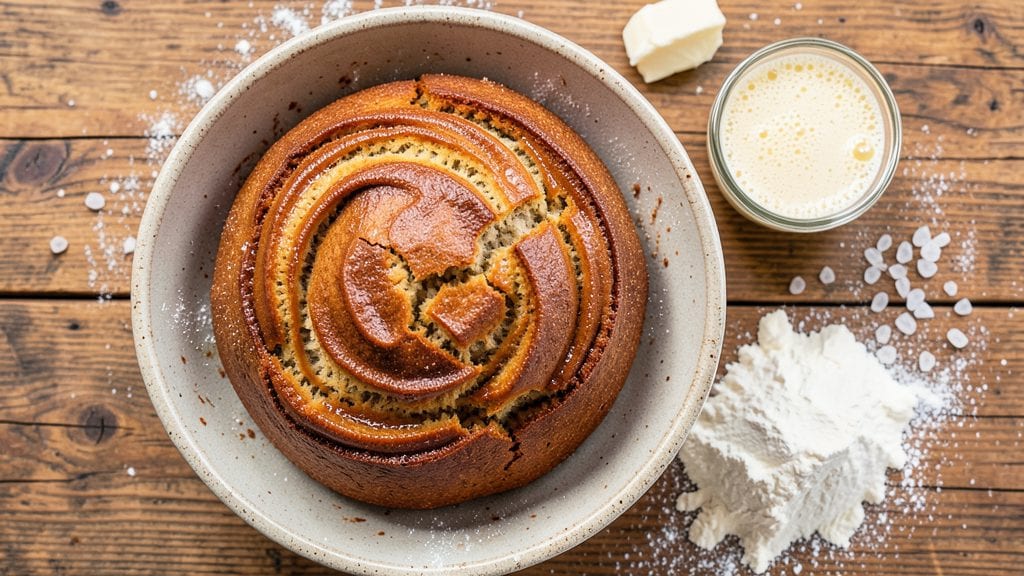
This old-fashioned cinnamon yeast bread recipe brings back the comforting aroma of Sunday mornings in my grandmother's kitchen—where warm spice swirls and homemade loaves were the heart of every meal.
Standing on a step stool in Sicily, I learned how proper yeast activation and slow fermentation create that signature tender crumb and fragrant crust. The secret lies in balancing sweetness with just enough spice, letting the dough rise until it nearly doubles before shaping those classic swirls.
The process starts with a simple yeast mixture that transforms into a rich, aromatic dough through careful kneading and proofing. Unlike quick breads, this recipe rewards patience with a texture that's both light and sturdy—perfect for slicing thick or serving as a breakfast centerpiece.
The cinnamon-sugar filling stays moist while baking, creating those signature caramelized pockets that make every bite irresistible.
By the time it emerges from the oven, you'll have golden-brown loaves with a crisp exterior and tender interior, where each slice reveals perfectly balanced sweetness and warmth.
This isn't just bread—it's a nostalgic experience that transforms any morning into a celebration. Ready to bake the loaves that'll become your new tradition?
Whether you're serving it with butter or jam, this bread stays fresh for days and improves with reheating. The technique is straightforward but requires attention to yeast timing and dough development—key elements I'll walk you through step by step. Let's create something that tastes like home.
Ingredients for old fashioned cinnamon bread recipe with yeast
Four loaves of nostalgic warmth—just these ingredients transform your kitchen into a Sicilian bakery.
| Ingredient | Amount | Notes |
|---|---|---|
| Active Dry Yeast 🍞 | 2 ¼ tsp | Freshly measured, not expired |
| Warm Whole Milk 🥛 | ¾ cup | 110°F, not hot |
| Granulated Sugar 🍚 | ¼ cup | White, fine grain |
| Unsalted Butter 🧈 | ½ cup | Room temperature, full-fat |
| All-Purpose Flour 🌾 | 4 ½ cups | Bread flour preferred |
| Diamond Crystal Kosher Salt 🧂 | 1 tsp | Fine grain, not iodized |
| Ground Cinnamon 🌿 | 1 ½ tbsp | Freshly ground preferred |
| Light Brown Sugar 🍚 | ½ cup | Packed, not aerated |
| Large Eggs 🥚 | 1 whole | Room temperature |
| Vanilla Extract 🍯 | 1 tsp | Pure, not imitation |
| Granulated White Sugar 🍚 | ¼ cup | For filling |
| Extra-Virgin Olive Oil 🫒 | 1 tbsp | For dough brushing |
The yeast is non-negotiable here—King Arthur or Saf-Instant are my go-tos, but any active dry yeast works if it's fresh. That warm milk? 110°F is key—too hot kills the yeast, too cold slows it down. I always grab my butter from Whole Foods for the richest flavor, but any full-fat unsalted works. The flour matters too—King Arthur bread flour gives that signature tender crumb, but all-purpose in a pinch still delivers. For the cinnamon, Penzeys or McCormick ground versions work best—avoid the pre-mixed spice packets.
No warm milk? Warm water plus 1 tbsp powdered milk mimics the richness. Short on brown sugar? White sugar plus 1 tsp molasses gets you close. The vanilla extract should be pure—Nielsen-Massey or Goya are solid choices. For the filling, if you can't find light brown sugar, white sugar plus 1 tsp honey works. The olive oil for brushing? Any extra-virgin—just avoid the cheap stuff that tastes like soap. And if you're feeling fancy, swap the vanilla for 1 tsp bourbon for a grown-up twist.
This dough needs time—2 hours for the first rise, then another 30 minutes after shaping. Store leftovers wrapped in a clean kitchen towel for 3 days—it reheats beautifully in a 350°F oven for 10 minutes. For freezing, slice before baking, then freeze on a tray. Once frozen, transfer to a bag for up to 3 months. The filling stays moist longest if you store it in an airtight container with a slice of bread inside to absorb moisture.
Why You'll Love This Recipe
- No-Knead Magic: I swear by that warm milk and yeast combo—it’s the secret to bread that rises just right without a single punch or stretch. Honestly, I’ve tried fancy dough techniques, but this? It’s foolproof while I’m scrolling through emails or watching a movie.
- Warm Spice Hug: That first bite—soft, buttery, with cinnamon swirling through like a hug. The sugar caramelizes just enough to give it a subtle sweetness, but it’s the whole milk that makes it rich, not cloying. My coffee never tastes the same without it.
- Breakfast to Brunch: Serve it toasted with jam for a lazy Sunday morning, or slice it thick for a brunch board. I’ve even used it to soak up gravy at dinner—because why not? The yeasty crumb stays tender no matter how you dress it up.
- Budget-Friendly Staple: Flour, milk, butter—these are pantry basics that won’t break the bank. A single loaf feeds my family for days, and leftovers? They’re even better the next day, lightly toasted. I call it my “oops, forgot to grocery shop” insurance.
Step-by-step instructions for old fashioned cinnamon yeast bread
This method delivers tender, aromatic loaves with perfect swirls of cinnamon-sugar goodness.
Activate the Yeast and Prepare the Dough Base
In a small bowl, combine the 0.75 cup warm whole milk (110°F) with 2.25 tsp active dry yeast and 0.25 cup granulated sugar. Let this sit for 5-10 minutes until frothy—this confirms your yeast is alive and ready to work. You'll see bubbles forming and a slightly yeasty aroma developing.
In a large mixing bowl, whisk together the 4.5 cups all-purpose flour, 1 tsp diamond crystal kosher salt, and 1.5 tbsp ground cinnamon. Cut in the 0.5 cup unsalted butter using a pastry cutter or your fingers until the mixture resembles coarse crumbs with pea-sized butter pieces. This texture ensures proper gluten development without overworking the dough.
Combine Wet Ingredients and Form the Dough
Add the yeast mixture, 1 whole large egg, and 1 tsp vanilla extract to the flour mixture. Using a wooden spoon or dough whisk, gradually mix until a shaggy dough forms. The dough will be sticky at first—this is normal with yeast doughs containing milk and butter.
Turn the dough onto a lightly floured surface and knead for 8-10 minutes until smooth and elastic. You'll know it's ready when it springs back slowly when poked. If the dough feels too sticky, wet your hands slightly and continue kneading. Shape into a ball, place in a lightly oiled bowl, cover with a damp towel, and let rise in a warm place for 1-1.5 hours or until doubled in size.
Prepare the Cinnamon Filling and Shape the Loaves
While the dough rises, make the filling by combining 0.5 cup light brown sugar, 0.25 cup granulated white sugar, and 1 tbsp ground cinnamon in a small bowl. This sweet, aromatic mixture will create those beautiful swirls when baked.
Punch down the risen dough and divide it into 4 equal portions (about 12 ounces each). Roll each portion into a 12-inch rectangle about ¼-inch thick. Sprinkle ¼ of the cinnamon-sugar mixture evenly over each rectangle, leaving a ½-inch border around the edges. Starting from the long side, tightly roll each rectangle into a log, sealing the seam.
Second Rise and Final Shaping
Place each cinnamon log seam-side down in a 9x5-inch loaf pan (lightly greased with 1 tbsp extra-virgin olive oil). Cover with a damp towel and let rise for 30-45 minutes until the dough has risen 1-2 inches above the pan. The tops should look slightly domed with visible expansion.
Preheat your oven to 375°F while the dough rises. Brush the tops of the loaves with a bit more extra-virgin olive oil for a golden finish. Bake for 30-35 minutes until the bread is deep golden brown and sounds hollow when tapped on the bottom. The internal temperature should reach 190-200°F.
Cool and Serve for Perfect Texture
Remove the loaves from the pans immediately and place them on a wire rack to cool for 10 minutes. This quick cooling prevents sogginess while allowing the bread to set slightly. For the best texture, serve warm with butter or cream cheese—the swirls will be soft and gooey while the crust remains crisp.
If storing, wrap cooled loaves tightly in plastic wrap and keep at room temperature for up to 3 days. For longer storage, freeze the baked loaves for up to 3 months. The aroma of freshly baked cinnamon bread will fill your kitchen—worth every minute of the process!
Pro Tips For Making Old Fashioned Cinnamon Bread Recipe With Yeast
- Bloom the yeast first: Skip the "maybe it'll work" approach—mix that active dry yeast with ¼ cup of your warm whole milk and 1 teaspoon sugar in a small bowl. Give it 5-10 minutes until it’s frothy and bubbly before adding it to the rest. I’ve seen too many batches fail because someone assumed the yeast was fine without checking, and this recipe needs that rise to be light.
- Whisk butter and sugar: Melt the unsalted butter first, then whisk it with the granulated sugar until the mixture is smooth and slightly cooled—about 100°F (38°C). This step prevents clumps in your dough and makes the bread richer. I used to just dump cold butter in, and the texture always suffered.
- Don’t overmix the dough: Once you add the flour, mix just until combined—stop when it starts pulling away from the bowl. Overworking the dough makes it tough, and this recipe relies on a tender crumb. Use a dough scraper to fold in sticky bits instead of punching it down.
- Chill the shaped loaf: After shaping, place the dough on a greased pan and refrigerate for at least 1 hour (or up to 12). This lets the yeast slow down, giving you better control over the rise and a more even bake. I skipped this once and ended up with a collapsed loaf—don’t be impatient.
Perfect pairings for this dish
Butter Variations
For a richer flavor, swap the unsalted butter with European-style cultured butter like Plugrá or Kerrygold. The tangy notes complement the cinnamon beautifully. If you're watching calories, use light butter but add 1 tbsp sour cream to maintain moisture—it mimics the fat content while keeping the dough tender. 🧈
Spiced Coffee Twist
Add 1 tsp instant coffee granules to the yeast mixture for a subtle coffee note that pairs perfectly with the cinnamon. I discovered this trick in a Sicilian bakery—it deepens the bread's complexity without overpowering the sweetness. Use Starbucks Via or Nescafé for consistent results.
Fruit Compote Filling
Replace the cinnamon-sugar with a warm apple compote made from 1 cup diced apples, 2 tbsp brown sugar, and 1 tsp cinnamon simmered for 10 minutes.
Spread this between dough layers before rolling—it adds moisture and a fruity contrast. I love using Granny Smith apples for tartness or Honeycrisp for sweetness.
Nutty Crunch Additions
Sprinkle ¼ cup chopped pecans or walnuts over the cinnamon-sugar before rolling. Toast the nuts in a dry pan for 3 minutes until fragrant, then chop them finely.
The nuts add texture and a buttery richness that balances the sweetness. For extra decadence, toss the nuts with 1 tbsp brown sugar before sprinkling.
Herbal Infusions
Enhance the dough with 1 tsp orange zest or ½ tsp cardamom mixed into the dry ingredients. The citrus brightens the cinnamon, while cardamom adds an exotic warmth.
I often use McCormick ground cardamom for consistency. For orange zest, use 1 organic Valencia orange—the thick peel gives the best flavor without bitterness.
Gluten-Free Adaptation
For a gluten-free version, replace the all-purpose flour with a 1:1 gluten-free flour blend like King Arthur Measure for Measure. Add ½ tsp xanthan gum to improve texture.
Reduce the milk by 2 tbsp to account for the blend's moisture content. The bread will be denser but still delicious with the cinnamon swirls. 🌾
Nutrition facts
Frequently asked questions
Why does my yeast dough smell so strong?
That's normal! Active yeast releases carbon dioxide and aromatic compounds during fermentation, creating a slightly sweet, yeasty smell. If it smells like rotten eggs or vinegar, your yeast may be dead—try fresh yeast or check your milk temperature (110°F is ideal). The rich aroma actually means your bread is developing flavor.
Can I make this bread without a stand mixer?
This recipe is designed for hand-kneading. Work the dough on a lightly floured surface for 8-10 minutes until smooth and elastic. The key is patience—wet your hands slightly if it sticks, but don't add too much flour or the texture will suffer.
How do I fix overproofed dough?
If your dough rises too much and collapses, don't panic! Punch it down gently, shape immediately, and bake at 375°F for 5-10 minutes longer. The extra baking time helps set the structure. For next time, keep an eye on the dough—it should double in 1-1.5 hours at room temperature.
What's the best way to reheat stale bread?
Wrap slices in foil and warm at 350°F for 8-10 minutes until crispy. For extra moisture, brush with melted butter before reheating. My Nonna always said stale bread tastes best when warmed like this—it restores that fresh-baked aroma!
Can I substitute honey for sugar in the filling?
Yes, but reduce the amount by 25%. Use ¼ cup honey instead of ½ cup brown sugar to maintain the right moisture level. The flavor will be more complex with floral notes, but the texture might be slightly stickier. Test with 1 tbsp first to adjust to your taste.